Dreaming of fresh, homegrown fruit but limited by space? Learning how to grow dwarf fruit trees is your gateway to a productive orchard, even if you only have a patio or a small backyard. This comprehensive guide will walk you through every step, transforming your compact area into a lush, fruit-bearing paradise.
Why Choose Dwarf Fruit Trees for Your Garden?
Dwarf fruit trees offer an undeniable charm and practicality, making them an excellent choice for modern gardeners. Their compact size means you can enjoy a diverse range of fruits without needing acres of land, perfect for small space gardening or even a sunny balcony.
Beyond fitting into tight spots, these trees boast several advantages over their full-sized counterparts. According to Cornell Cooperative Extension Nassau County, dwarf trees actually utilize sunshine better and produce superior fruit, making them incredibly efficient. They also begin bearing fruit much sooner, often within 2-3 years, compared to 4-7 years for standard trees. This accelerated gratification is a major draw for many.
What most people miss is how much easier dwarf fruit trees are to manage. Their shorter stature simplifies tasks like spraying, pruning, and harvesting, meaning you won’t need a ladder to pick your ripe apples or peaches. This accessibility makes them ideal for gardeners of all ages and physical abilities, truly democratizing fruit growing.
Selecting the Best Dwarf Fruit Tree Varieties & Rootstocks
Choosing the right dwarf fruit tree varieties and understanding rootstocks are crucial first steps for success. Not all dwarf trees are created equal; some are naturally small (genetic dwarfs), while others achieve their compact size through grafting onto specialized dwarfing rootstock.
Understanding Dwarfing Rootstocks
Most dwarf fruit trees you buy are grafted. This means a desired fruiting variety (scion) is joined to a root system (rootstock) that controls the tree’s overall size. Taun Beddes, a Utah State University Extension Horticulturist, explains that “dwarf fruit trees come in two broad categories – genetic dwarfs, and fruit trees that are not typically dwarf but are grafted onto dwarfing rootstocks.” This grafting technique allows you to grow your favorite fruit varieties in a smaller form.
Easiest Dwarf Fruit Trees to Grow & Popular Varieties
When considering the easiest dwarf fruit trees to grow, look for varieties known for their resilience and productivity. For apples, ‘Gala’ and ‘Honeycrisp’ are popular choices, along with columnar types like ‘Northpole’ and ‘Stark Crimson Spire’ which are perfect dwarf fruit trees for containers due to their upright habit. If you’re a beginner, columnar varieties are often the most forgiving.
Peaches like ‘Bonanza’ (often ornamental) or ‘Pix-Zee’ are excellent dwarf options, as are ‘Nectar Babe’ nectarines. For citrus, the ‘Meyer Lemon’ is a highly favored dwarf citrus, reaching only 4-6 feet tall and perfect for pots. Dwarf tart cherries such as ‘Romeo’ and ‘Juliet’ are also robust producers, often grafted onto Gisela 5 rootstock for compact growth. Always check your local growing zone and the tree’s chill hour requirements to ensure it will thrive.
Pollination Requirements
Many dwarf fruit tree varieties require a pollination partner to produce fruit, though some are self-pollinating. For example, most apple trees need a different apple variety nearby to cross-pollinate. Cherries can be similar, though some dwarf tart cherries are self-fertile. Always check the specific pollination requirements for your chosen trees to guarantee a bountiful harvest.
Planting Your Dwarf Fruit Tree: Ground vs. Container
Whether you choose to plant in the ground or in a container, proper planting techniques are essential for your dwarf fruit tree’s long-term health. The goal is to provide a stable, nutrient-rich environment from day one.
Ground Planting for Dwarf Fruit Trees
If planting in the ground, select a spot with at least 6-8 hours of full sun daily. Dwarf trees still need plenty of light to produce fruit. Ensure the soil drains well; if you have heavy clay, amend it with compost to improve aeration and drainage. Dig a hole twice as wide as the root ball and just as deep. Carefully place the tree, ensuring the graft union (the swollen bump on the trunk) remains several inches above the soil line to prevent the scion from rooting and losing its dwarf characteristics. Backfill with soil, gently tamp down, and water thoroughly.
Container Growing for Dwarf Fruit Trees
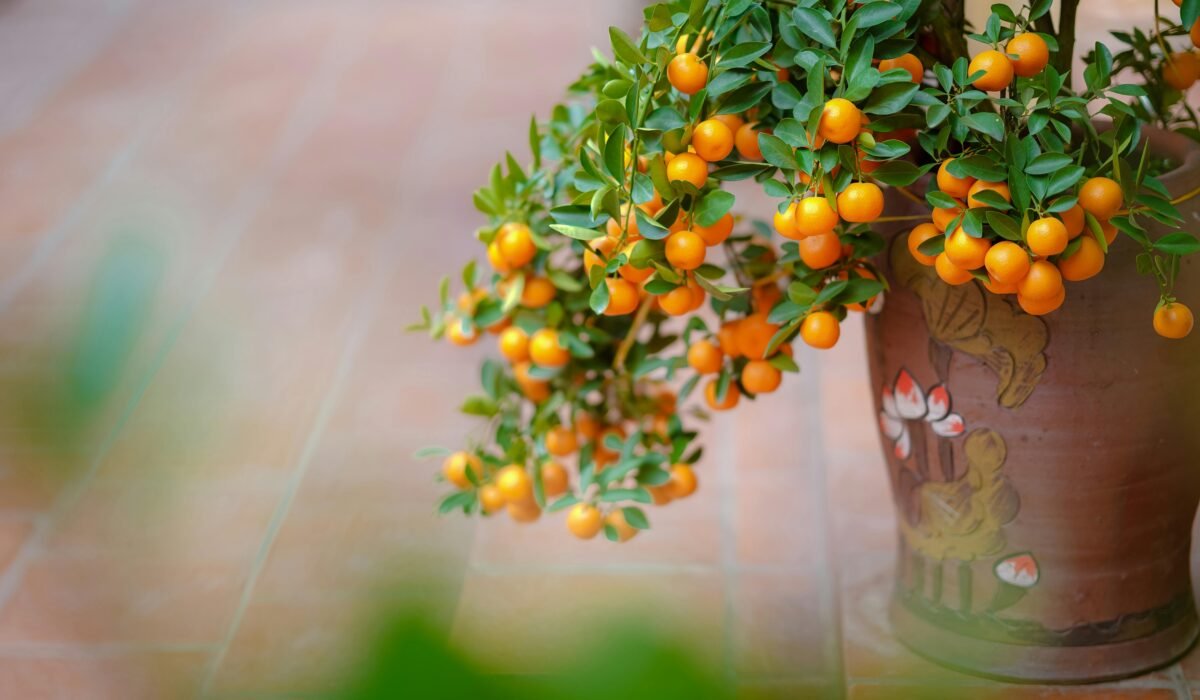
Container fruit trees are a fantastic solution for patios, balconies, or small yards. You’ll need a container that’s large enough to support root growth, ideally a 15-20 gallon pot with excellent drainage holes. Smaller containers dry out too quickly and restrict growth. For soil, avoid dense garden soil; instead, use a high-quality potting mix designed for containers. You can even create your own ideal blend for optimal drainage and nutrients. For more insights on soil, check out our guide on DIY Terrace Garden Soil Mix.
When planting in a container, ensure the tree is centered and the root flare is visible at the soil surface. Water immediately after planting until water drains from the bottom. Remember that container-grown trees will dry out faster than those in the ground, requiring more frequent watering.
Essential Care for Thriving Dwarf Fruit Trees
Consistent, thoughtful dwarf fruit tree care is the backbone of abundant harvests. While their size makes them manageable, they still have fundamental needs that must be met.
Sunlight and Watering
Dwarf fruit trees need full sun to produce sweet, juicy fruit. Aim for a minimum of 6-8 hours of direct sunlight per day. When it comes to watering, consistency is key, especially for young trees and those in containers. Soil should remain consistently moist but not waterlogged. Stick your finger an inch or two into the soil; if it feels dry, it’s time to water. Container trees may need daily watering during hot, dry periods, while in-ground trees can often rely on rainfall after establishment, though supplemental watering during droughts is vital.
Fertilization and Nutrition
Dwarf fruit trees benefit from regular feeding to support fruit production. Use a balanced, slow-release fertilizer in early spring as new growth begins. For container trees, a liquid feed every 2-4 weeks during the growing season can be effective. What most people overlook is the importance of soil health; a rich, organic soil reduces the need for heavy fertilization. If you notice yellowing leaves or stunted growth, consult our guide on Identify & Fix Plant Nutrient Deficiencies for diagnosis and treatment.
Mastering Pruning & Training for Compact, High-Yield Dwarf Fruit Trees
Pruning dwarf fruit trees is not just about keeping them small; it’s about shaping them for maximum fruit production and overall health. As UC Agriculture and Natural Resources (UCANR) notes, “Pruning is the only way to keep most fruit trees under twelve feet tall.” This is particularly true for dwarf varieties which, left untended, can still grow larger than desired.
The Art of Precision Pruning
Your goal with pruning is to create an open structure that allows sunlight and air to penetrate the canopy, encouraging fruit development. You’ll primarily use two types of cuts:
- Thinning Cuts: Removing an entire branch back to its origin or a main limb. This opens up the canopy, improves air circulation, and redirects energy to remaining branches.
- Heading Cuts: Shortening a branch by cutting off the tip. This encourages bushier growth and can stimulate fruit bud development on some trees.
Always use sharp, clean pruning shears (secateurs) for smaller branches and loppers or a pruning saw for thicker limbs. Prune in late winter or early spring before bud break, removing dead, diseased, or crossing branches first. Our Pruning Basics for Beginners guide offers more detailed techniques.
Training for Compact, High-Yield Forms
To truly achieve an “ultra-compact, high-yield system,” consider training your dwarf fruit trees into specific forms. This is where advanced pruning techniques shine:
- Espalier: Training a tree to grow flat against a wall or trellis in a decorative pattern. This is excellent for space-saving and maximizing sun exposure.
- Cordon: Training a single stem (or a few) vertically or at an angle, with fruiting spurs developing directly from the main stem. Columnar apple varieties are naturally suited for this.
- Fan Training: Similar to espalier but with branches radiating out like a fan, often used for peaches and cherries.
By actively shaping your trees, you can maintain them at a manageable “mini-dwarf” size (under 6.5 feet) for easy ground-level access and significantly boost their fruiting potential.
Integrated Pest & Disease Management for Dwarf Fruit Trees
Even the healthiest dwarf fruit trees can encounter pests and diseases, but an integrated approach helps keep problems at bay. The key is prevention and early intervention, minimizing the need for harsh chemicals.
Preventative Strategies
Start with healthy plants: choose disease-resistant varieties if available. Ensure good air circulation by proper pruning, as dense canopies can harbor fungal diseases like powdery mildew. Keep the area around your trees clean, removing fallen leaves and fruit that can host pathogens or pests. Regular inspection is your best tool; check leaves, stems, and fruit for any signs of trouble.
Common Pests and Diseases
Dwarf fruit trees, especially those in containers, can be susceptible to common garden pests like aphids, spider mites, and scale. Diseases can include fungal issues such as powdery mildew, apple scab, or fire blight, particularly on certain rootstocks like M27. For specific guidance on fungal issues, our article on Powdery Mildew Control offers practical solutions.
Organic Solutions and IPM
Embrace Integrated Pest Management (IPM) strategies. This means using a combination of methods: encouraging beneficial insects, using physical barriers (like netting), and applying organic treatments only when necessary. Neem oil, insecticidal soap, or horticultural oils are effective organic options for many pests. For fungal diseases, organic fungicides like copper or sulfur sprays can be used responsibly. Always follow label directions carefully to protect your plants and the environment.
Winter Care for Container-Grown Dwarf Fruit Trees
One of the most critical aspects of how to grow dwarf fruit trees successfully in containers is providing proper winter care. Unlike trees in the ground, container roots are more exposed to freezing temperatures, which can be fatal.
Preparing for Winter Dormancy
As autumn arrives, gradually reduce watering to help your dwarf fruit trees enter dormancy naturally. Stop fertilizing completely by late summer. Once leaves begin to drop, your tree is preparing for its winter rest. This dormancy is essential for deciduous fruit trees to produce fruit the following year.
Winterizing Fruit Trees in Pots
For container-grown dwarf fruit trees, your winter strategy depends on your climate and the tree’s hardiness. If you live in a region where winter temperatures consistently drop below the tree’s hardiness zone, you’ll need to protect it:
- Bring Indoors: The safest option for many container fruit trees, especially citrus like ‘Meyer Lemon’, is to bring them indoors to a cool, bright, unheated room or garage. A temperature range of 35-50°F (2-10°C) is ideal for deciduous trees during dormancy.
- Insulate Outdoors: For slightly hardier trees or milder climates, you can insulate the container. Wrap the pot in burlap, bubble wrap, or place it inside a larger pot with insulation (like straw or leaves) in between. Move the container to a sheltered spot against a wall or fence to protect it from harsh winds.
- Watering Indoors: Even indoors, dormant trees need some moisture. Check the soil every few weeks and water sparingly, just enough to prevent the roots from completely drying out. Overwatering in winter is a common killer.
In practice, ensuring your winter care for dwarf fruit trees in pots is adequate is the difference between a thriving tree and a lost investment. A grower reported their potted ‘Black Mission Fig’ tree producing fruit for six years, demonstrating the viability of container growing with proper winterization.
Harvesting & Lifespan: What to Expect from Your Dwarf Fruit Trees
The culmination of your efforts is the sweet reward of fresh, homegrown fruit. Understanding when and how to harvest, along with the expected dwarf fruit tree lifespan, helps you manage your mini-orchard for years to come.
When and How to Harvest
Dwarf fruit trees typically begin to bear fruit much sooner than standard trees, often within 2-3 years. You’ll know fruit is ready for harvest by its color, size, and taste. For most fruits, a gentle twist or lift will detach a ripe fruit from the branch. If it resists, it’s likely not ready. Pick fruit in the morning after the dew has dried for the best flavor and storage potential.
Expected Yield and Lifespan
While dwarf fruit trees have a shorter lifespan than standard trees (generally 15-20 years compared to 35-45 years for full-sized trees), they are incredibly productive during their prime. A dwarf apple tree can produce an impressive 48 to 192 pounds of fruit per season, and a dwarf lemon tree can yield about 50 lemons a year. Urban planting of dwarf fruit trees can yield approximately 30% more fruit per square meter than traditional orchards due to their compact size and controlled growing conditions.
What most people find surprising is the sheer volume of fruit you can get from such a small tree. Urban gardener Stacy Lyn Harris notes that a well-cared-for dwarf peach tree can yield up to 3 bushels of full-size peaches annually, proving that size isn’t everything when it comes to fruit production.
Frequently Asked Questions
What is the easiest dwarf fruit tree to grow?
The easiest dwarf fruit trees to grow often include ‘Meyer Lemon’ for citrus, and columnar apple varieties like ‘Northpole’ or ‘Stark Crimson Spire’. These varieties are generally resilient, well-suited for containers, and require less complex pruning than some other types, making them ideal for beginners.
How long do dwarf fruit trees take to bear fruit?
Dwarf fruit trees typically begin to bear fruit much faster than their standard counterparts, often producing their first harvest within 2-3 years of planting. Some exceptionally vigorous or columnar varieties, particularly apples, can even yield fruit in their very first year.
How many years do dwarf fruit trees live?
Dwarf fruit trees generally have a shorter lifespan compared to full-sized trees, typically living for 15-20 years. Despite this shorter life, they are highly productive during their prime, offering many years of fresh fruit before needing replacement.
Do dwarf fruit trees need full sun?
Yes, dwarf fruit trees absolutely need full sun to thrive and produce abundant, quality fruit. They require a minimum of 6-8 hours of direct sunlight per day to photosynthesize efficiently, develop sugars in their fruit, and maintain overall health.
Cultivating dwarf fruit trees is a rewarding endeavor that brings the joy of a backyard orchard to any space. By understanding their unique needs for selection, planting, precise care, and targeted pruning, you can ensure a bountiful harvest for years to come.
Ready to start your compact orchard? Choose your favorite dwarf variety, prepare its home, and embark on a fruitful gardening journey today!