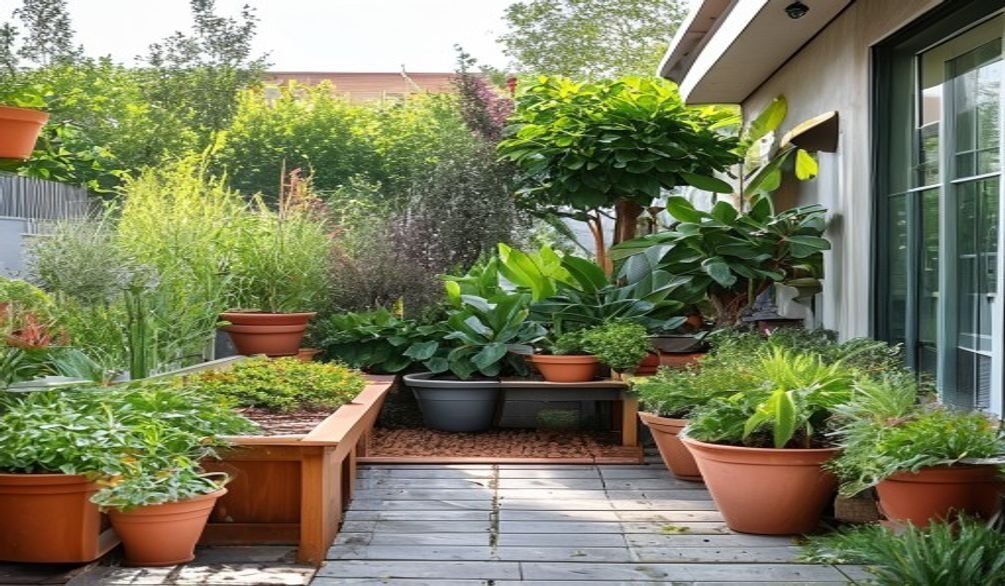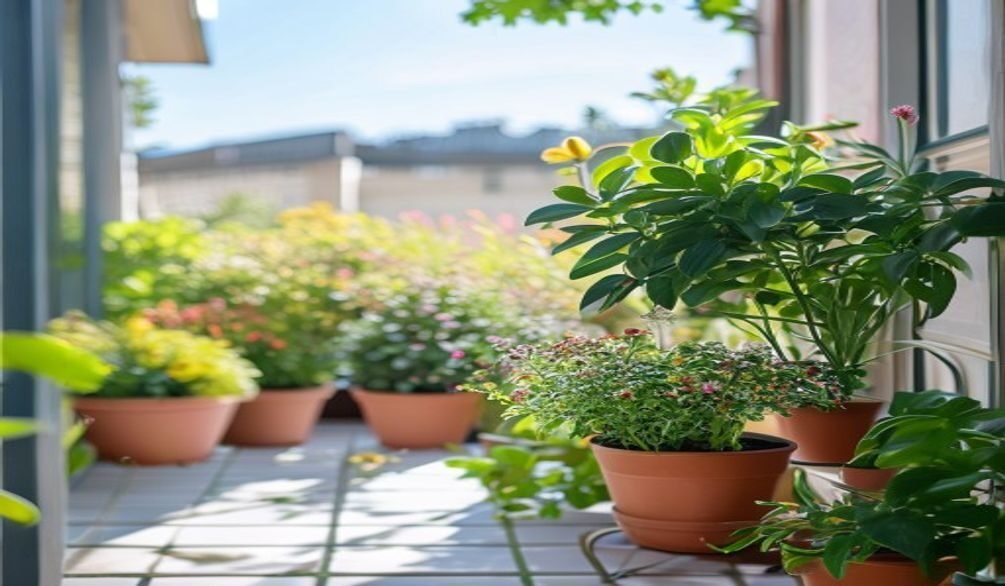
Dreaming of fresh, homegrown fruit but only have a small patio or balcony? If you’re wondering what are the best fruits for container gardening, you’ve come to the right place. This comprehensive guide will help you transform your limited outdoor space into a thriving fruit haven, ensuring delicious harvests right outside your door.
Why Grow Fruits in Containers?
Growing fruits in containers offers a fantastic solution for gardeners with limited space, turning even the smallest balcony or patio into a productive food source. This method provides unparalleled flexibility, allowing you to optimize growing conditions for each plant.
The short answer is, container gardening empowers you to control your growing environment in ways traditional in-ground gardening simply can’t. You can easily move plants to catch more sun, shelter them from harsh weather, or even bring tender varieties indoors during winter, making it ideal for balcony fruit plants.
Space Efficiency and Portability
One of the biggest advantages of a small space fruit garden is its inherent portability. You’re not tied to a fixed garden bed; instead, your plants become mobile assets. This means you can chase the sun as seasons change or easily rearrange your patio layout.
What most people miss is how this mobility translates into a longer growing season. By moving plants to protected spots, you can extend their productive life, often yielding more fruit than static setups.
Environmental Control
With container fruit plants, you gain precise control over several key environmental factors. You select the exact potting mix, ensuring optimal drainage and nutrient content, which is crucial for healthy root development.
In practice, this control significantly reduces issues like soil-borne diseases and poor drainage that can plague in-ground gardens. It allows you to tailor the environment to each fruit’s specific needs, leading to stronger plants and more abundant harvests.
What Makes a Fruit Good for Container Gardening?
Not all fruits are created equal when it comes to thriving in a pot. The ideal candidates for container growing possess specific characteristics that allow them to adapt to restricted root space and managed environments.
The key is selecting varieties that are naturally compact or have been bred specifically for smaller footprints. This ensures that your plant remains manageable and productive without outgrowing its home too quickly.
Compact Growth Habit
Fruits that are good for containers typically have a naturally compact or dwarf growth habit. This includes true dwarf fruit trees for pots, which have genetically smaller root systems and canopy sizes, as well as bush varieties that don’t sprawl excessively.
Choosing compact fruit varieties for pots prevents them from becoming root-bound too quickly and ensures they won’t overshadow other plants in your small garden space. Look for terms like “dwarf,” “patio,” or “bush” in the plant description.
Self-Pollinating Varieties
While not strictly necessary for all fruits, self-pollinating varieties are a significant advantage for container growers, especially if you plan on having only one plant of a particular fruit. This eliminates the need for a second plant or manual pollination.
For example, many blueberry and fig varieties are self-pollinating, making them easy fruits to grow in pots. This simplifies your gardening efforts and increases the likelihood of a successful harvest without relying on external factors like bees if your balcony is high up.
Shallow Root Systems
Fruits with shallower, more fibrous root systems tend to perform better in containers than those that develop deep taproots. This is because they can effectively utilize the limited soil volume available in a pot.
While all container plants eventually need larger pots as they grow, starting with varieties known for manageable root structures will give you more time before needing to repot. This characteristic directly impacts the long-term health and productivity of your container fruit plants.
Best Fruits for Container Gardening: Our Top Picks
Now that you know what to look for, let’s dive into some of the absolute best fruits for container gardening that promise delicious patio harvests. These fruit varieties for pots are chosen for their adaptability, compact size, and rewarding yields.
From tangy berries to sweet citrus, there’s a container-friendly fruit for almost every taste. Many of these are also excellent best fruit trees for small gardens that can live happily on your deck.
Berries in Containers
Growing berries in containers is incredibly rewarding and often easier than you’d think. Many berry bushes are naturally compact or have dwarf varieties perfect for pots.
- Blueberries: Require acidic soil (pH 4.5-5.5) and at least 6 hours of sun. Look for dwarf varieties like ‘Top Hat’ or ‘Sunshine Blue’. They also provide beautiful fall foliage.
- Strawberries: Ideal for hanging baskets or strawberry pots. Alpine and everbearing varieties are excellent choices, producing fruit throughout the season. They need consistent moisture and full sun.
- Raspberries & Blackberries: Choose primocane-fruiting (everbearing) varieties like ‘Raspberry Shortcake’ or ‘Baby Cakes’ blackberry, which are thornless and bred for containers. They need sturdy support and rich soil.
My personal observation is that strawberries in hanging baskets are often overlooked for their ornamental value, spilling over with green leaves and red fruit, making them both beautiful and productive.
Dwarf Citrus Trees
Dwarf citrus trees are incredibly popular for patio growing, especially in regions with mild winters, as they bring a touch of the tropics to your outdoor space. They are among the most sought-after dwarf fruit trees for pots.
- Lemons: ‘Meyer Lemon’ is a favorite for containers due to its compact size and prolific fruiting. It’s more cold-tolerant than other lemons.
- Limes: ‘Key Lime’ and ‘Persian Lime’ can thrive in large pots, offering fragrant blossoms and zesty fruit.
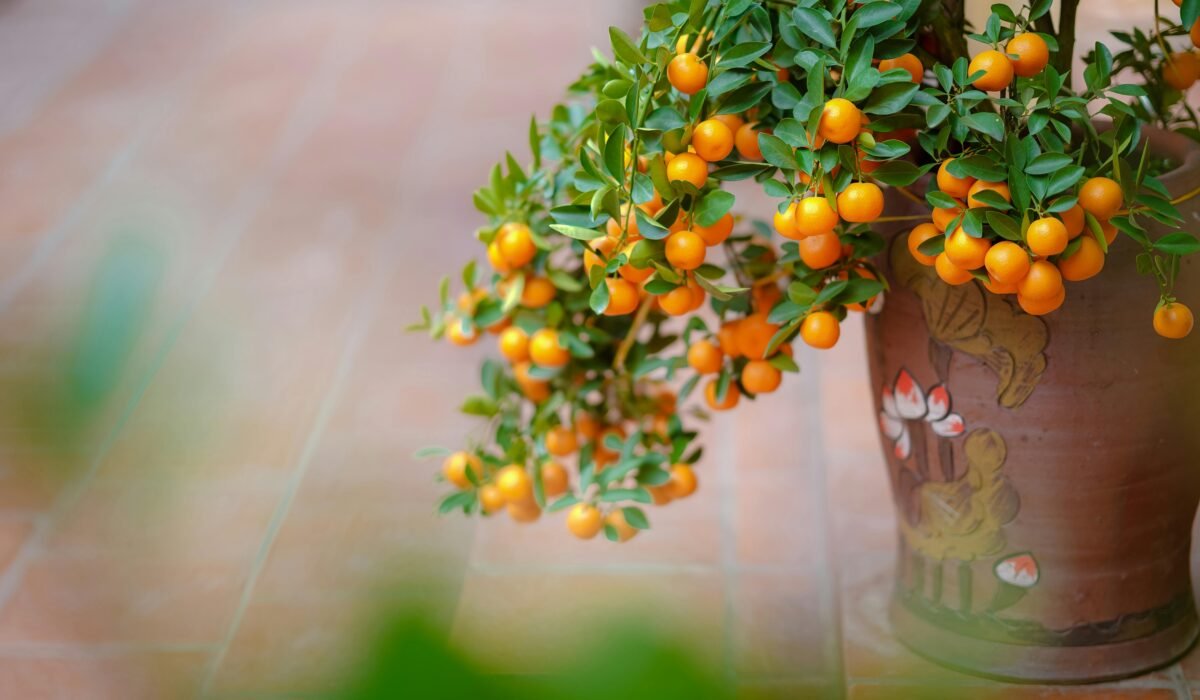
- Oranges: ‘Calamondin Orange’ is a highly ornamental and productive choice, yielding small, tart fruits perfect for cooking.
Citrus trees appreciate consistent warmth and ample sunlight, typically needing 8+ hours of direct sun to fruit well. They also benefit from specialized citrus fertilizer.
Figs
Figs are surprisingly well-suited for containers and can be incredibly productive. Their large, lobed leaves also add a beautiful, architectural element to your patio.
- Fig Varieties: ‘Brown Turkey’, ‘Chicago Hardy’, and ‘Little Miss Figgy’ are all excellent choices for pots. ‘Chicago Hardy’ is particularly known for its cold tolerance.
Figs appreciate full sun and protection from strong winds. They are relatively low maintenance once established and can provide multiple harvests a year in ideal conditions.
Dwarf Pome & Stone Fruits
Yes, you can even grow miniature versions of your favorite apples, pears, and peaches! These dwarf fruit trees for pots require a bit more care but are incredibly rewarding.
- Apples: Look for genetic dwarf varieties or those grafted onto dwarfing rootstock, such as ‘Columnar’ apples. They can produce full-sized fruit on a compact tree.
- Pears: Similar to apples, choose dwarf varieties like ‘Patio Pear’ or those on dwarfing rootstock.
- Peaches & Nectarines: ‘Bonanza’ or ‘Pixie-Cot’ are examples of true dwarf peach and apricot varieties that are perfect for containers, yielding delicious full-sized fruit.
These trees often require more dedicated pruning to maintain their size and shape, as well as consistent watering. They truly make a statement in a patio setting.
Essential Tips for Successful Container Fruit Plants
Growing fruit in pots isn’t just about choosing the right varieties; it’s also about providing the best possible care. These container gardening tips will help ensure your plants thrive and produce abundant harvests.
The truth is, even the most resilient fruit variety will struggle without proper attention to its specific needs. Consistent care is the backbone of a productive container fruit garden.
Watering Regimen
Container plants dry out much faster than in-ground plants, making consistent watering crucial for container fruit care. Daily watering, especially during hot, dry spells, is often necessary.
Always check the soil moisture by sticking your finger about an inch or two deep. If it feels dry, it’s time to water thoroughly until water drains from the bottom of the pot. Avoid letting pots sit in standing water, as this can lead to root rot.
Fertilization Schedule
Since nutrients leach out of containers with each watering, regular fertilization is vital. Use a balanced, slow-release granular fertilizer or a liquid feed every 2-4 weeks during the growing season.
For specific fruits like citrus, a specialized citrus fertilizer will provide the micronutrients they crave. Following the package directions is key to preventing over-fertilization, which can burn roots. Consider using organic fertilizers for a more sustainable approach.
Pruning and Training
Pruning is essential for maintaining the size and shape of your container fruit plants, encouraging fruit production, and improving air circulation. For dwarf fruit trees, aim for an open structure that allows light to penetrate.
Remove any dead, diseased, or crossing branches. For berries, understand their fruiting habits – some fruit on old wood, others on new. Regular pruning also helps manage the plant’s energy, directing it towards fruit development rather than excessive vegetative growth.
Pollination Assistance
Even with self-pollinating varieties, sometimes a little help goes a long way, especially if you’re growing indoors or on a high-rise balcony. You can manually pollinate by gently swirling a small paintbrush or cotton swab inside each open flower, transferring pollen from one to another.
This simple act can significantly increase your fruit set, ensuring you get the most out of your efforts. For outdoor plants, consider adding pollinator-friendly flowers nearby to attract bees and other beneficial insects.
Choosing the Right Containers, Soil, and Sunlight
The foundation of a successful container fruit garden lies in making smart choices about your plant’s home. The right pot, the perfect soil, and adequate sunlight are non-negotiable for healthy growth and abundant yields.
Here’s the thing: skimping on these fundamental elements will lead to disappointment, regardless of how good your plant variety is. Invest wisely here, and your plants will thank you with fruit.
Container Selection
Size matters immensely for container fruit plants. Always opt for the largest container you can reasonably accommodate, as this provides more soil volume, which translates to more consistent moisture and nutrient availability.
- Material: Terracotta pots look great but dry out quickly. Plastic or glazed ceramic pots retain moisture better. Fabric grow bags are excellent for air pruning roots and preventing circling.
- Drainage: Ensure every pot has ample drainage holes. Elevating pots slightly can further improve drainage and air circulation around the base.
- Minimum Sizes:
- Berries (strawberries, blueberries): 10-15 gallon equivalent (12-18 inches diameter)
- Dwarf Citrus, Figs: 15-25 gallon equivalent (18-24 inches diameter)
- Dwarf Pome/Stone Fruits: 20-30 gallon equivalent (20-30 inches diameter)
My real-world observation is that while a plant might *fit* in a smaller pot, it will never truly thrive or produce as much fruit as it would in a generously sized container.
Potting Soil for Fruit Trees
Do NOT use garden soil in containers; it compacts too easily and lacks proper drainage. Instead, use a high-quality, well-draining potting soil for fruit trees or a general all-purpose potting mix.
Look for mixes that contain perlite, vermiculite, or coco coir to improve aeration and drainage. You can also amend your potting mix with compost to boost nutrients and beneficial microbes, creating a healthier root environment.
Sunlight Requirements for Fruit
Most fruit plants are sun-loving and require a significant amount of direct sunlight to produce fruit. This is a non-negotiable aspect of successful container fruit gardening.
Aim for at least 6-8 hours of direct sun per day. More is often better. Observe your patio throughout the day to determine which spots receive the most light. If your space is limited, prioritize fruit plants for the sunniest locations, perhaps reserving shadier spots for sun-loving vegetables or herbs.
Common Pests and Diseases in Container Fruit Gardens
Even in a controlled container environment, your fruit plants can fall prey to pests and diseases. Vigilance and early intervention are key to keeping your harvests healthy and abundant.
The good news is that container plants are often easier to inspect and treat than large in-ground gardens, giving you a distinct advantage in managing issues.
Identifying Common Pests
Several common garden pests love to feast on fruit plants. Learning to identify them early can save your harvest.
- Aphids: Small, soft-bodied insects often found on new growth, causing leaves to curl and distort. They excrete sticky honeydew.
- Spider Mites: Tiny arachnids that cause stippling on leaves and fine webbing, especially on the undersides of leaves.
- Fruit Flies: Attracted to ripening or overripe fruit. While annoying, they usually don’t damage healthy fruit significantly before harvest.
- Scale Insects: Small, immobile bumps on stems and leaves, often resembling waxy growths. They suck plant sap.
Regularly inspecting the tops and undersides of leaves will help you spot these unwelcome visitors before they become a major problem. Early detection is your best defense.
Organic Pest Control Strategies
For container fruit, organic and non-toxic pest control methods are often the safest and most effective, especially since you’ll be eating the produce. Many of these methods are covered in detail in our guide to organic pest control for gardens.
- Manual Removal: For small infestations, simply pick off larger pests or spray aphids off with a strong stream of water.
- Neem Oil: A natural insecticide that disrupts insect growth and feeding. Apply as a foliar spray according to product instructions.
- Insecticidal Soap: Effective against soft-bodied insects like aphids and spider mites. It works by smothering them.
- Beneficial Insects: Introduce ladybugs or lacewings, which are natural predators of many common garden pests.
The most important thing is consistency. Repeated applications of organic treatments are often necessary to break pest life cycles.
Disease Prevention and Treatment
Good cultural practices are your first line of defense against diseases in container fruit gardens. Healthy plants are naturally more resistant.
- Good Air Circulation: Space plants adequately and prune to improve airflow, reducing humidity around leaves, which can lead to fungal issues.
- Proper Watering: Avoid overhead watering if possible, as wet leaves can encourage fungal diseases. Water at the base of the plant.
- Sanitation: Remove any diseased leaves or fruit promptly to prevent the spread of pathogens. Sterilize pruning tools between plants.
- Fungicides: For persistent fungal issues, consider organic fungicides like copper or sulfur sprays, always following label directions carefully.
My practical advice is to choose disease-resistant varieties whenever possible, as this significantly reduces your workload and risk of crop loss.
Enjoying Your Patio Fruit Harvests
After all your diligent work and careful planning, the moment of truth arrives: harvest time! Knowing when and how to pick your fruit ensures you get the best flavor and encourages further production.
There’s nothing quite like stepping onto your patio and plucking a perfectly ripe, sun-warmed piece of fruit. This is the ultimate reward for your container gardening efforts.
When to Harvest
The timing of your harvest is crucial for peak flavor and sweetness. Generally, fruit is ready when it reaches its characteristic color, size, and often, a slight give to the touch.
- Berries: Pick when fully colored and easily detach from the plant. Blueberries should be plump and powdery blue. Strawberries should be uniformly red.
- Citrus: Can often be left on the tree for extended periods without spoiling. Pick when fully colored and firm.
- Figs: Harvest when soft to the touch and drooping slightly on the branch. They won’t ripen further once picked.
- Pome & Stone Fruits: Color, aroma, and a slight softening are indicators. A gentle twist should separate them from the branch. For more details, consult a guide on when to harvest fruit trees.
Always taste-test a few fruits if you’re unsure. Your palate is the best judge of ripeness.
Creative Ways to Use Your Harvest
Once you’ve gathered your bounty, the culinary possibilities are endless! Beyond eating them fresh off the plant, consider these creative uses for your patio fruit harvests.
- Fresh Eating & Desserts: The simplest and often best way to enjoy your fruit is fresh. Add berries to yogurt, make a quick fruit salad, or bake a simple tart.
- Jams & Preserves: If you have an abundant harvest, making jams, jellies, or preserves is a fantastic way to enjoy your fruit year-round.
- Smoothies & Drinks: Blend fresh fruit into smoothies, or muddle berries for refreshing cocktails and mocktails.
- Freezing: Most berries and sliced stone fruits freeze beautifully, allowing you to save them for later use in baking or smoothies.
Sharing your homegrown fruit with friends and family is also a wonderful way to celebrate your gardening success and inspire others to start their own edible plants for balconies.
Frequently Asked Questions
What are the easiest fruits to grow in pots for beginners?
For beginners, strawberries, blueberries (especially dwarf varieties), and dwarf citrus like Meyer lemons are among the easiest fruits to grow in pots. They are relatively forgiving, produce quickly, and don’t require complex pruning or pollination techniques, making them very rewarding for new gardeners.
How much sun do container fruit plants need?
Most container fruit plants, including berries and dwarf fruit trees, require at least 6-8 hours of direct sunlight per day to thrive and produce fruit. Insufficient sunlight will lead to poor growth, fewer blossoms, and a significantly reduced harvest, regardless of other care efforts.
Can I grow fruit trees in pots year-round in cold climates?
In cold climates, you can grow many fruit trees in pots year-round by bringing them indoors or into a protected garage/shed during the winter months. Choose cold-hardy varieties where possible, and ensure they receive adequate light and reduced watering during their dormant period indoors.
What size pot do I need for a dwarf fruit tree?
For a dwarf fruit tree, a minimum pot size of 15-20 gallons (around 18-24 inches in diameter) is generally recommended, with larger being better for long-term health and productivity. This provides ample space for root development, consistent moisture, and nutrient availability, reducing the need for frequent repotting.
Embracing container fruit gardening opens up a world of fresh, homegrown delights, even if your outdoor space is limited. By selecting the best fruits for container gardening, providing diligent care, and understanding their unique needs, you can enjoy abundant patio harvests for years to come. Start small with a few berry bushes or a dwarf citrus, and watch your balcony transform into a productive and beautiful edible oasis.