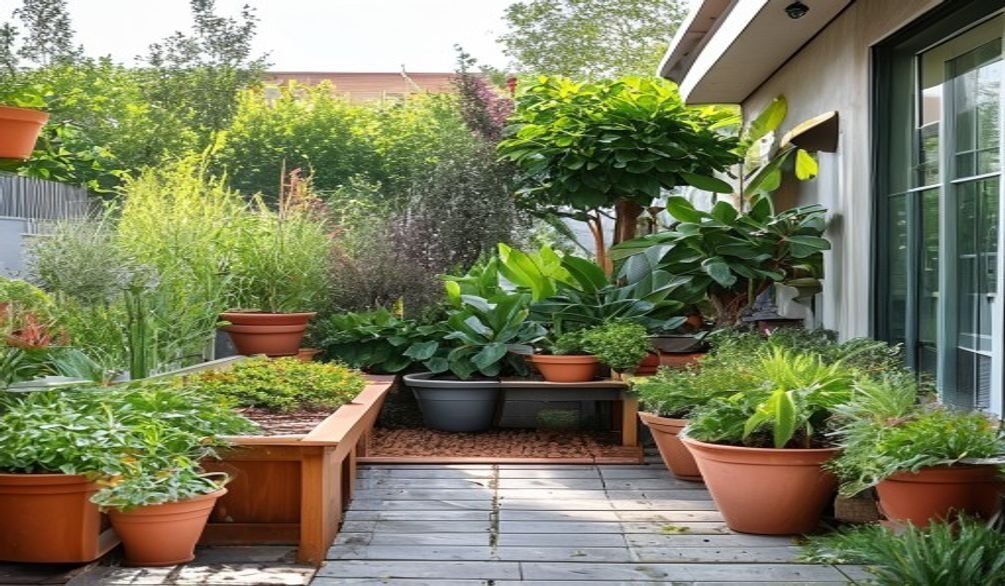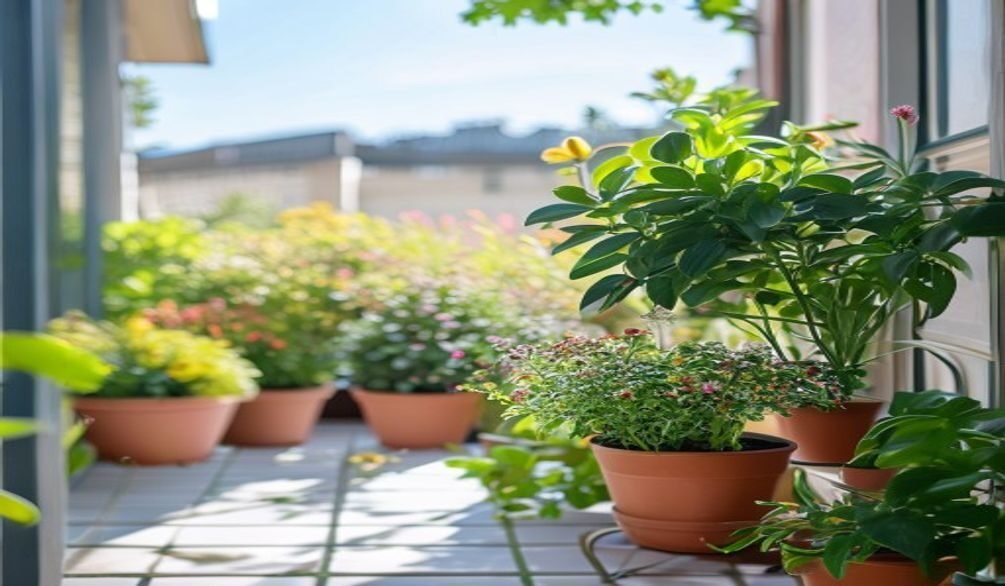
Are you dreaming of a lush, productive garden, but your terrace gets relentless sunshine? Growing sun-loving vegetables for terrace garden success requires a strategic approach to overcome the unique challenges of intense heat and limited space. This guide will equip you with advanced strategies and plant recommendations to transform your sun-drenched terrace into a thriving, resilient oasis.
Why Your Sun-Loving Terrace Garden Needs Special Care
Terrace gardens, while offering incredible potential for urban farming, present distinct environmental stressors that go beyond typical backyard plots. The intense sun exposure, often amplified by heat radiating from concrete or tile surfaces, creates a microclimate demanding specific attention.
What most people miss is that your plants aren’t just getting sun from above; they’re also absorbing reflected heat from all directions. This, combined with increased wind exposure on elevated spaces and naturally lower humidity, leads to rapid moisture evaporation and nutrient depletion, making a robust strategy for your balcony garden ideas essential.
These extreme conditions mean your plants are under constant stress, requiring more frequent watering, specialized soil, and protection from intense UV rays. A few minutes of planning and preparation will significantly improve your success and enjoyment, as emphasized by Michigan State University Extension.
What Are the Best Sun-Loving Vegetables for Containers?
Choosing the right varieties is the first step towards a thriving terrace garden. Focus on heat tolerant vegetables that naturally perform well in full sun and are well-suited for container gardening tips.
Fruiting Powerhouses for Maximum Yields
For impressive harvests, prioritize crops that thrive on abundant sunlight and can produce significant yields in pots. These are often the best heat tolerant vegetables for pots.
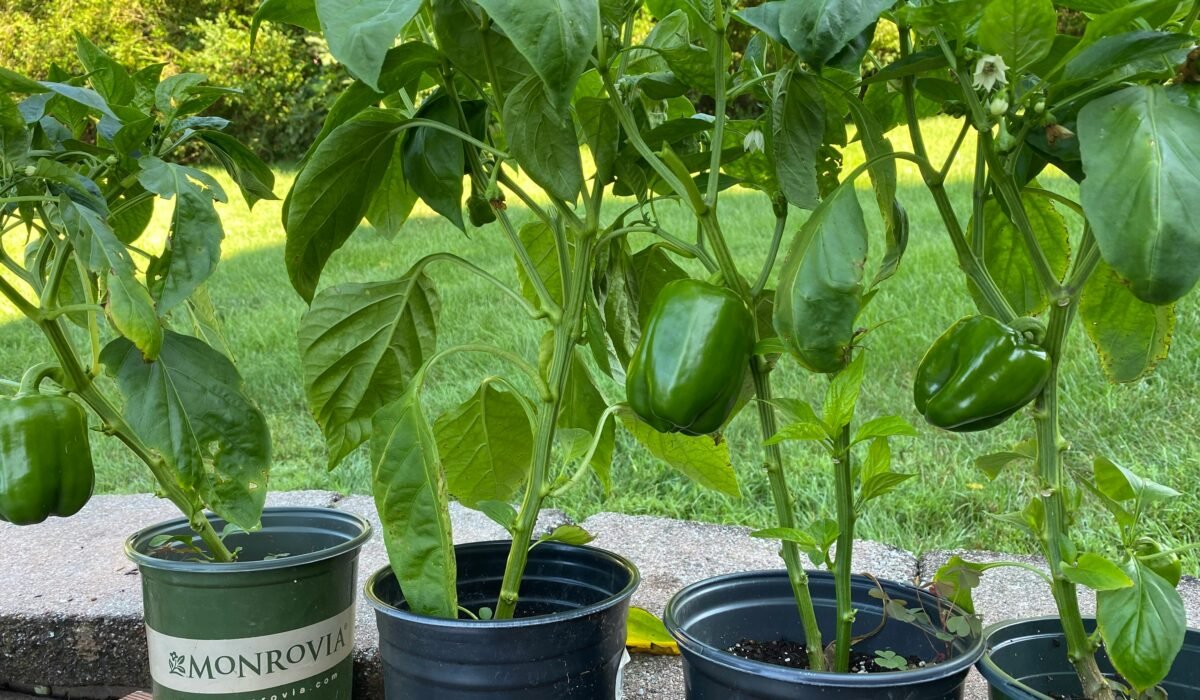
- Peppers (Chili, Bell, Sweet): Varieties like jalapeño, habanero, and cayenne peppers absolutely adore the sun and produce prolifically. They are excellent high yield vegetables for containers.
- Tomatoes (Determinate & Dwarf Varieties): While all tomatoes love sun, determinate (bushy) and dwarf varieties are ideal for containers. Look for heat-tolerant types specifically bred for hot climates.
- Eggplant: These beautiful plants are sun-worshippers and can produce a surprising amount of fruit in a large pot.
- Okra: A classic Southern favorite, okra thrives in heat and full sun, offering continuous harvests.
- Cucumbers & Summer Squash (Bush Varieties): Opt for bush or compact vining varieties that won’t overwhelm your space. They’ll need consistent moisture but reward you with abundant fruit.
- Watermelon (Dwarf Varieties): Yes, you can grow watermelon! Look for ‘sugar baby’ or other compact varieties and provide strong support for the developing fruit.
These choices are not only robust but also excellent for urban farming initiatives, yielding fresh produce even in challenging environments.
Leafy Greens & Herbs (with caveats)
While many leafy greens prefer partial shade, some can tolerate more sun, especially with adequate moisture and protection during peak heat. These can be great drought tolerant plants if managed correctly.
- Swiss Chard: More heat tolerant than spinach, chard comes in vibrant colors and provides continuous harvests.
- New Zealand Spinach: This isn’t true spinach but a fantastic alternative that loves heat and sun.
- Basil: A sun-loving herb, basil thrives in containers, but might appreciate a little afternoon shade in extreme heat to prevent bolting.
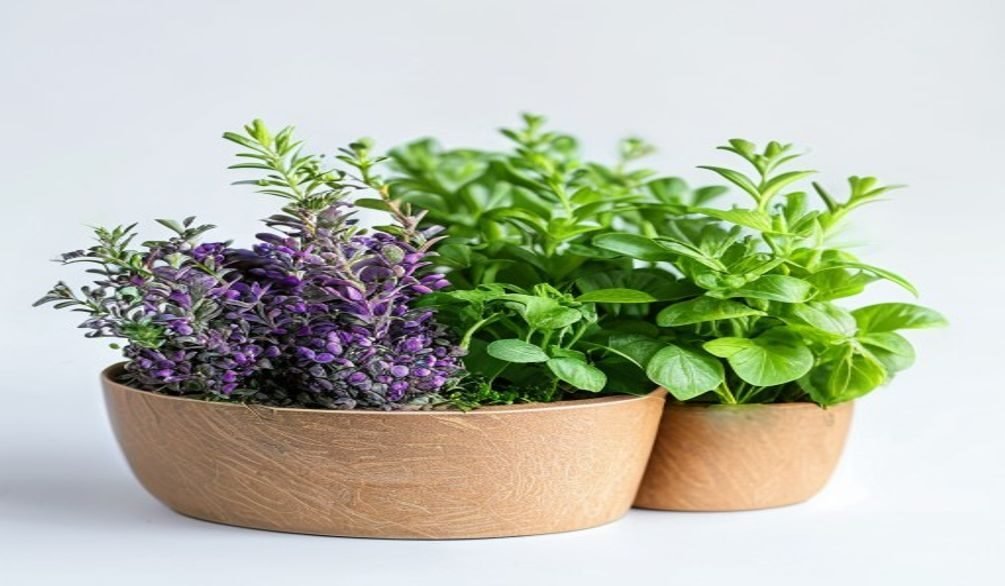
- Rosemary & Thyme: These Mediterranean herbs are naturally drought-tolerant and love full sun, making them perfect additions to your terrace garden.
Remember, even sun-loving plants can get scorched in extreme conditions, so observation is key.
How Many Hours of Sun Do Terrace Vegetables Need to Thrive?
The short answer to “How many hours of sun do sun-loving vegetables need?” is generally six to eight hours of direct sunlight per day. This is crucial for photosynthesis, which powers growth and fruit production.
Cornell CALS emphasizes the direct correlation, stating, “Without enough sun you’re guaranteed to be disappointed, with tomato plants eight feet high with only a few small tomatoes.” They specify that “7-8 hours of sun” allows for fruiting crops like tomatoes and peppers.
For flowering plants, water plants, and especially fruiting vegetables like those we’ve discussed, Colorado State University Extension advises at least eight hours of full sun for optimal performance. Root vegetables typically do best with six hours, and leafy greens or many herbs require at least four hours.
On a terrace, this usually isn’t a problem for sun-loving plants, but it’s important to observe how the sun moves across your space throughout the day. Consider if any buildings or structures cast shadows at different times, impacting your available sunlight.
Optimized Soil & Watering for Sunny Container Gardens
In the harsh environment of a sunny terrace, your soil and watering strategy are paramount. These factors directly combat rapid drying out and nutrient loss, critical for a successful sun-loving vegetables for terrace garden.
Crafting the Perfect Potting Mix
Mark Bolt, VP of EarthBox, rightly highlights that “Soil is the make-or-break factor in container gardening. You can water and fertilize perfectly, but if your mix is wrong, plants won’t thrive.” For sunny containers, you need a mix that retains moisture without becoming waterlogged, provides excellent drainage, and offers ample nutrients.
Forget garden soil; it compacts too easily in pots. A high-quality, lightweight best potting mix for hot climates is essential. A great DIY recipe, recommended by UC Master Gardeners, includes “1/6 (coconut) coir, 1/6 Perlite, and 1/3 commercial potting soil, and 1/3 mix of organic compost with a starter additive or cottonseed meal.”
Consider these key components for your best potting mix containers:
- Coconut Coir: An eco-friendly alternative to peat moss, coir excels at moisture retention and re-wetting, crucial for preventing dry spots.
- Perlite or Pumice: Adds aeration and improves drainage, preventing root rot.
- Vermiculite: Retains both moisture and nutrients, releasing them slowly to the plant.
- High-Quality Compost: Enriches the soil with vital nutrients and beneficial microbes, improving overall soil structure.
- Worm Castings: A fantastic organic amendment for slow-release nutrients and microbial activity.
This customized blend supports robust root development and nutrient uptake, even under intense sun.
Smart Watering for High-Heat
Container plants on a sunny terrace dry out significantly faster than in-ground gardens. Frequent, deep watering is non-negotiable, but smart techniques can reduce your workload and conserve water.
- Self-Watering Pots: These are a game-changer for sunny terraces. Brands like Lechuza, Glowpear, and Vego Garden offer excellent systems that provide a continuous water supply, significantly reducing daily watering needs. This is a top recommendation for DIY self-watering planters for hot climates.
- Drip Irrigation or Soaker Hoses: Small-scale drip systems can be easily set up for multiple containers, delivering water directly to the root zone with minimal evaporation. This is a highly efficient vertical garden watering solution.
- Mulching: Apply a 1-2 inch layer of organic mulch (e.g., straw, shredded leaves, wood chips) on top of your potting mix. This dramatically reduces evaporation, keeps soil temperatures more stable, and suppresses weeds.
- Watering Frequency: In peak summer, some containers may need watering twice a day – once in the early morning and again in the late afternoon. Always check the soil moisture before watering.
- Bottom-Watering: For very dry pots, placing them in a tray of water allows the soil to wick up moisture from the bottom, ensuring thorough saturation.
Consistent moisture is vital for preventing blossom end rot in tomatoes and peppers, and for maintaining the crispness of leafy greens.
Integrated Pest Management for Sun-Stressed Plants
Sun-stressed plants can be more susceptible to pests and diseases. An integrated pest management approach focuses on prevention and early intervention, using environmentally friendly methods. This is crucial for effective organic pest control for sunny containers.
The key here is vigilance. Regularly inspect your plants for signs of trouble, especially on the undersides of leaves. Early detection makes control much easier.
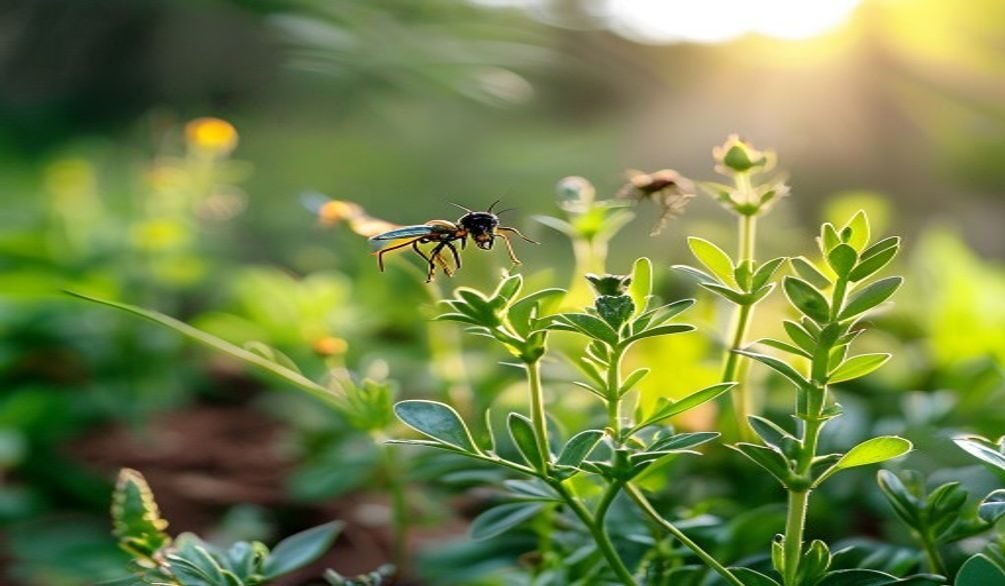
- Beneficial Insects: Encourage natural predators like ladybugs, lacewings, and hoverflies by planting companion flowers. Organic companion planting can significantly boost garden health and deter pests.
- Physical Removal: For larger pests like slugs and snails (Sluggo is effective), or caterpillars, simply pick them off by hand. A strong spray of water can dislodge aphids and spider mites.
- Organic Sprays: Neem oil and insecticidal soap are highly effective organic pest control solutions for common container pests like aphids, spider mites, and whiteflies. Always apply in the evening to avoid scorching leaves in direct sun. For more detailed guidance, refer to our guide on Organic Pest Control for Terrace Gardens.
- Bacillus thuringiensis (Bt): This naturally occurring bacterium is excellent for controlling various caterpillars without harming beneficial insects.
- Good Air Circulation: Proper spacing between containers and pruning dense foliage improves air circulation, which can deter fungal diseases.
Remember, a healthy plant is more resilient. By providing optimal growing conditions, you naturally reduce pest pressure.
Advanced Strategies to Beat Extreme Terrace Heat
Beyond soil and water, managing the intense heat of a terrace is critical for plant survival and productivity. These terrace garden cooling techniques are essential for extreme heat gardening.
Strategic Shade Solutions
While your plants are sun-loving, even they can suffer from sunburn and heat stress during the hottest parts of the day. Providing temporary shade can make a huge difference.
- Shade Cloths: A 30-50% density shade cloth is ideal for vegetables. You can rig these over a simple PVC pipe frame or use stakes to create a temporary canopy during peak afternoon sun. This is a highly effective way to moderate temperatures.
- Portable Umbrellas: A large patio umbrella can provide instant relief for a cluster of pots. This offers flexibility to move shade as the sun shifts.
- Tall Plants as Living Shade: Strategically place taller, more heat-tolerant plants (like corn or sunflowers, if space allows) to cast a little afternoon shade on more sensitive neighbors.
- Moving Containers: If your containers are on wheels, simply roll them to a shadier spot during the most intense heat of the day. This is one of the simplest balcony garden ideas for heat management.
The goal is to mitigate the harshest sun, not block it entirely, ensuring your plants still get the light they need.
Wind & Moisture Management
Terraces are often exposed to more wind than ground-level gardens, which accelerates moisture loss and can physically damage plants. Strong winds also contribute to rapid drying, making windbreaks a smart addition.
- Windbreaks: Use trellises covered with vining plants, strategically placed taller containers, or even sturdy screens to break the force of the wind. This reduces transpiration rates and prevents physical damage.
- Grouping Pots: Cluster your containers together. This creates a mini-microclimate that conserves humidity and offers mutual shading, protecting individual plants from direct wind and sun.
- Misting: In extremely dry, hot conditions, a light misting of foliage in the early morning can temporarily increase humidity around plants, helping them cope with stress. Avoid misting in direct sun, which can cause leaf burn.
Implementing these techniques creates a more stable and forgiving environment for your sun-loving vegetables for terrace garden.
Maximizing Yields from Your Resilient Terrace Oasis
With careful planning and consistent care, your terrace garden can be incredibly productive, yielding more than you might expect from a small space. Container gardens, in fact, can produce roughly 30% higher yields than traditional ground beds due to precise soil quality management and better moisture retention, according to recent data.
To truly maximize your high yield vegetables, consider these final tips:
- Succession Planting: For fast-growing crops like bush beans or radishes, plant small batches every 2-3 weeks. This ensures a continuous harvest rather than one large flush.
- Fertilize Regularly: Container plants rely entirely on you for nutrients. Use a balanced organic liquid fertilizer every 2-4 weeks, especially for heavy feeders like tomatoes and peppers.
- Pruning & Support: Prune vining plants to encourage bushier growth and better air circulation. Provide sturdy stakes or trellises for tall or heavy-fruiting plants to prevent breakage.
- Harvest Frequently: Regular harvesting encourages plants to produce more. Don’t let ripe vegetables sit on the vine, as this signals to the plant to slow production.
By integrating these advanced container gardening tips, you’re not just growing food; you’re cultivating a resilient, bountiful ecosystem right on your terrace.
Frequently Asked Questions
What vegetables grow best in full sun in containers?
The best vegetables for full sun in containers are typically fruiting plants that thrive on intense light and heat. These include peppers (bell, chili), tomatoes (determinate, dwarf, and heat-tolerant varieties), eggplant, okra, and bush cucumbers. These varieties are well-suited for a sun-loving vegetables for terrace garden because they are often more resilient to the amplified heat of elevated spaces.
How many hours of sun do sun-loving vegetables need?
Sun-loving vegetables, particularly fruiting varieties, generally need at least 6 to 8 hours of direct sunlight per day to thrive and produce abundantly. While leafy greens can tolerate slightly less, consistent full sun is crucial for crops like tomatoes and peppers to ensure proper development and high yields, as confirmed by experts like Cornell CALS.
What kind of soil is best for container vegetables in full sun?
The best soil for container vegetables in full sun is a high-quality, lightweight potting mix specifically formulated for containers, not garden soil. This mix should provide excellent drainage while retaining sufficient moisture and nutrients, often incorporating ingredients like coconut coir, perlite, vermiculite, and rich compost. This specialized blend helps combat the rapid drying and nutrient leaching common in sunny terrace environments.
How do you keep container plants from drying out in full sun?
To keep container plants from drying out in full sun, implement strategies such as using self-watering pots, applying a thick layer of organic mulch, and grouping containers to create a microclimate. Consistent, deep watering—potentially twice daily during peak heat—and considering drip irrigation systems are also crucial. These methods help maintain soil moisture and reduce the impact of intense sun and wind on your drought tolerant plants.
Creating a vibrant terrace garden filled with sun-loving vegetables for terrace garden success is entirely achievable with the right knowledge and tools. By focusing on heat-tolerant varieties, optimizing your soil and watering, implementing smart pest management, and employing advanced cooling strategies, you can overcome the unique challenges of elevated, sunny spaces. Embrace these expert tips to cultivate a truly resilient and productive urban oasis, enjoying fresh, homegrown produce right outside your door.