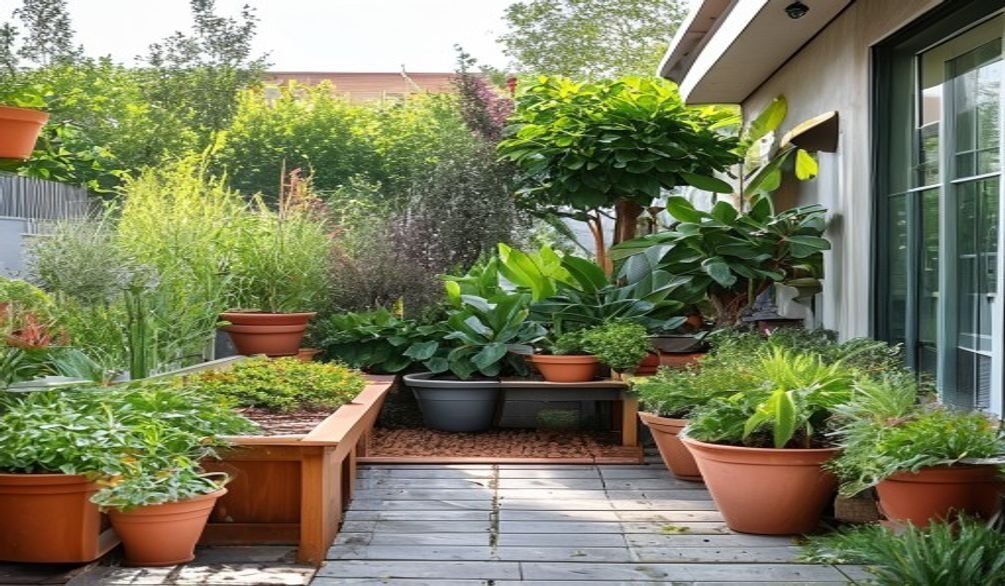
Are you wondering if your green thumb has to go dormant when the temperatures drop? Think again! Cultivating beautiful and resilient winter balcony plants in small spaces is not only possible but incredibly rewarding, transforming your urban oasis into a vibrant escape. This guide will walk you through everything you need to know, from selecting the perfect cold-hardy varieties to crafting microclimates and ensuring your tiny garden thrives all season long.
Can You Really Garden on a Balcony in Winter?
The short answer is a resounding yes! Many urban gardeners are discovering the joy of year-round balcony plants. While common wisdom might suggest packing away your trowel with the first frost, the reality is that a surprising array of plants can not only survive but flourish in cold conditions, even in pots. This trend is part of a larger movement: urban agriculture has seen a 340% growth since 2020, with over 15 million Americans participating in metropolitan food production initiatives.
What most people miss is that a balcony, despite its exposure, offers unique opportunities. You can leverage its structure and your creativity to create sheltered spots. Interior designer Artem Kropovinsky, founder of NYC interior design studio Arsight, emphasizes that “Harmonizing design elements to create a sense of snugness is vital” for winter outdoor spaces. This means your winter container gardening ideas can extend beyond mere survival to creating a truly inviting space.
What Cold-Hardy Winter Balcony Plants Thrive in Small Spaces?
Selecting the right cold-hardy winter balcony plants is crucial for success. The key is to choose varieties that tolerate lower temperatures and are well-suited for container life. Georgia Clay, New Plants Manager at Monrovia Plants, advises, “Keep in mind, plants in pots are more susceptible to freezing than they are when they’re in the ground, so pick outdoor winter plants that can survive a climate one or two zones colder than where you live.” This means if you’re in Zone 6, look for plants rated for Zone 4 or 5.
Here are some excellent choices for your small space winter garden design:
Dwarf Evergreen Shrubs for Pots
These provide structure and year-round greenery, making them ideal year-round balcony plants.
- Boxwoods (Buxus): Varieties like ‘Winter Gem’ (Zone 5) are exceptional, often developing a golden bronze hue in winter. ‘North Star’ Boxwood also maintains good color.
- Japanese Yew (Taxus cuspidata): Hardy to Zone 4, this evergreen can be shaped and thrives in various light conditions, making it a versatile choice for dwarf evergreen shrubs for pots.
- Dwarf Conifers: Consider ‘Golden Duke Eastern Hemlock’ (Zone 4) for its vibrant yellow foliage or ‘Fastigiata’ Spruce (Zone 2-7) for a compact, upright form.
Winter Berries & Flowers for Color
Don’t let winter be drab; these plants add much-needed cheer.
- Winterberry Holly (Ilex verticillata): ‘Berry Poppins’ is a dwarf variety that drops its leaves, showcasing brilliant red berries against the snow.
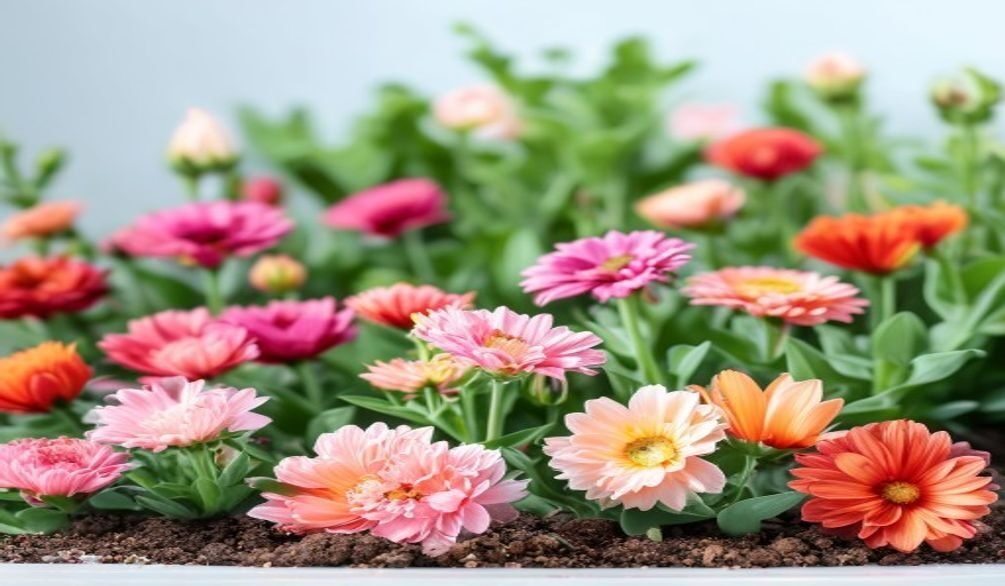
- Winter Pansies and Violas: These resilient flowers can bloom in temperatures just above freezing, offering vibrant pops of color that can even push through light snow.
- Hellebores: Often called “Christmas Rose” or “Lenten Rose,” these evergreen perennials produce delicate blooms in white, pink, or green throughout the colder months.
How Do I Protect My Balcony Plants in Winter?
Protecting your balcony plants in winter goes beyond simply moving them indoors. It involves understanding your balcony’s microclimate and implementing targeted strategies to shield plants from harsh elements. This is especially true for winter balcony plants in small spaces, where every inch of protection counts. The goal is to prevent roots from freezing solid and desiccating winds from harming foliage.
A major concern for balcony plant winter care is the vulnerability of roots in containers. Unlike in-ground plants, potted roots lack the insulating buffer of surrounding soil. This makes insulating balcony planters a top priority. Without adequate frost protection for potted plants, even cold-hardy varieties can suffer.
Crafting a Microclimate: DIY Protection for Your Winter Balcony
Creating a specific microclimate balcony is the most effective way to protect your plants from winter’s bite. This involves strategically reducing wind, buffering temperature extremes, and maximizing any available warmth. What most articles miss is the specific, actionable ways to do this in a confined, exposed balcony setting.
Insulating Balcony Planters
Simply wrapping pots with burlap isn’t always enough. For superior insulation:
- Pot-within-a-Pot System: Place your plant’s pot inside a larger, decorative pot. Fill the gap between the two with insulating material like straw, wood chips, shredded leaves, or even polystyrene foam.
- Thermal Blankets or Bubble Wrap: Wrap pots with multiple layers of bubble wrap or specialized thermal blankets, securing them with twine or tape. This is particularly effective for ceramic or terracotta pots, which lose heat quickly.
- Elevate Pots: Place pots on bricks or “pot feet” to prevent them from sitting directly on cold concrete, which can leach heat from the soil.
DIY Windbreaks and Shelters
Balconies are often exposed to relentless winds, which can rapidly dehydrate plants and exacerbate cold stress.
- Polycarbonate Sheets or Thick Fabric: Install temporary screens using clear polycarbonate sheets or heavy-duty outdoor fabric along railings. These block wind without completely sacrificing light.
- Strategic Furniture Placement: Use outdoor shelving units, sturdy benches, or even a compact storage box to create sheltered corners. Grouping plants together also offers mutual protection, forming a small, self-sustaining microclimate.
- Cloche or Mini Greenhouses: For individual plants or small groupings, consider DIY cloches made from plastic bottles or clear bins. Compact, pop-up mini greenhouses are also excellent for urban winter gardening tips, providing significant frost protection for potted plants.
Remember, the goal is to create pockets of warmth and stillness. Even a slight reduction in wind exposure can make a huge difference for your winter container gardening ideas.
Watering & Drainage Secrets for Freezing Balcony Conditions
Watering in winter is a delicate balance. Plants still need moisture, but too much can lead to root rot, especially when temperatures hover around freezing. This is a crucial aspect of balcony plant winter care that often gets overlooked.
The Risks of Overwatering
When the soil freezes, plant roots cannot absorb water. If the soil is waterlogged before a freeze, the water expands as it turns to ice, potentially damaging roots and even cracking pots. Furthermore, perpetually wet, cold soil creates an anaerobic environment, a breeding ground for fungi and bacteria that cause root rot. If you suspect root issues, our guide on Diagnose & Treat Root Rot: Complete Guide can help.
Precise Watering Schedule
* Check Before You Water: Always stick your finger about an inch or two into the soil. Only water if it feels dry.
* Morning Watering: Water in the late morning on a day when temperatures are expected to stay above freezing. This allows excess water to drain and foliage to dry before evening chills set in.
* Lukewarm Water: Use water that is lukewarm, not ice cold. This prevents shocking the roots.
* Deep, Infrequent Watering: When you do water, water thoroughly until it drains from the bottom. Then, wait for the soil to dry out again.
Preventing Drainage Holes from Freezing Shut
This is a common issue for winter balcony plants in small spaces.
* Elevate Pots: As mentioned, raising pots off the ground helps prevent drainage holes from freezing to the balcony surface.
* Clear Debris: Ensure drainage holes are free of leaves, soil, or ice buildup. Periodically check and clear them.
* Use Larger Drainage Holes: When choosing pots, opt for those with ample drainage holes to reduce the likelihood of blockages.
Transforming Your Balcony into an Edible Winter Oasis
Who says you can’t harvest fresh produce from your balcony in winter? With careful planning, your balcony can become a source of nutritious, home-grown edibles, making it truly a year-round balcony plant haven. This is where the magic of best edible plants for winter balcony comes alive, even in the smallest of spaces. According to the University of Minnesota Extension, urban gardening contributes significantly to local food systems, and your balcony can be a part of this.
Cold-Hardy Edible Plants for Containers
Focus on varieties that tolerate frost and can be harvested gradually.
- Leafy Greens: Kale, spinach, Swiss chard, and mustard greens are incredibly cold-hardy. Many varieties actually sweeten after a light frost. Consider compact varieties for limited space.
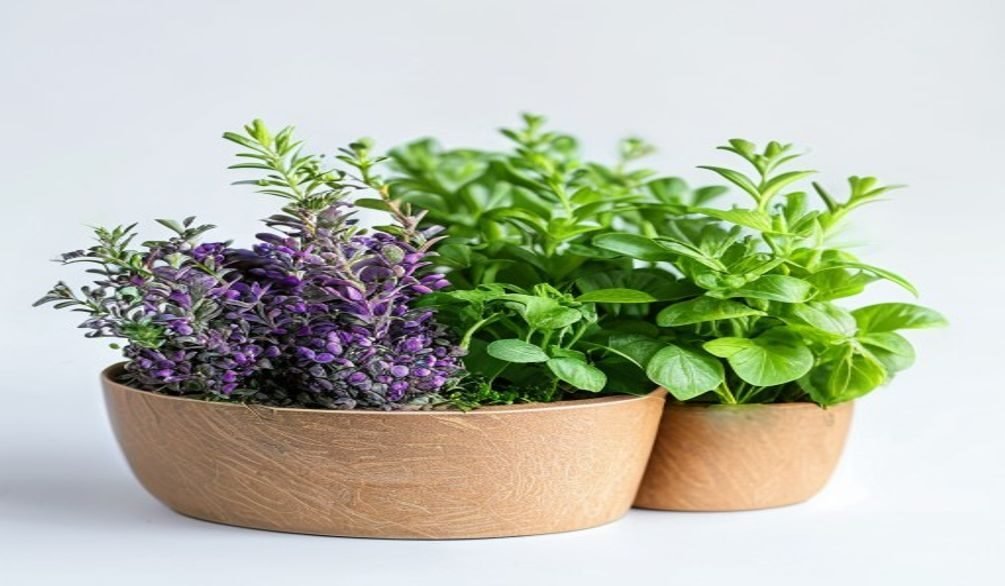
- Cold Hardy Herbs for Containers: Parsley, cilantro, thyme, sage, and rosemary can often survive winter in pots, especially with some protection. Chives are also very resilient.
- Root Vegetables: Certain varieties of carrots, radishes, and even some dwarf beet varieties can be grown in deep containers. Harvest as needed.
- Dwarf Fruit Varieties: While more of a long-term investment, some dwarf fruit trees like certain figs or serviceberries can be overwintered on a protected balcony.
Vertical Gardening Solutions for Edibles
Maximize your limited footprint by growing upwards.
“Urban agriculture has experienced a 340% growth since 2020, with over 15 million Americans participating in metropolitan food production initiatives.”
— Research Data
This growth is partly fueled by innovative solutions like vertical gardening.
* Stackable Planters: These allow you to grow multiple plants in a small vertical footprint.
* Wall-Mounted Pockets or Shelves: Ideal for growing herbs and leafy greens. For more ideas, check out our Vertical Herb Garden for Small Spaces: Maximize Your Harvest.
* Pallet Gardens: A repurposed pallet can be transformed into a multi-tiered planter for various edibles.
Harvesting Techniques Through Winter
* Cut-and-Come-Again: For leafy greens, harvest outer leaves as needed, allowing the plant to continue producing from the center.
* Small Batches: Don’t overharvest. Take only what you need to avoid stressing the plant and to allow it to recover before the next cold snap.
* Protect After Harvest: If you’ve just harvested, ensure the plant is well-protected from immediate cold temperatures.
Essential Tools & Tips for Winter Balcony Gardening Success
Equipping yourself with the right tools and knowledge is paramount for successful urban winter gardening tips. You don’t need a vast collection, but a few quality items will make all the difference when tending to your winter balcony plants in small spaces.
Must-Have Tools
Investing in durable tools will save you frustration and effort.
- Pruners/Secateurs: A sharp, comfortable pair is essential for tidying up plants and removing dead foliage. Brands like Felco are highly recommended; the Felco F2 model is known for its durability and precise cuts, even on tougher winter stems. If you’re looking for more general gardening tools, our guide on Essential Tools for Vegetable Garden: Beginner’s Smart Start offers further insights.
- Trowel (Hand Shovel): A sturdy, single-piece steel trowel is invaluable for planting, repotting, and working with soil in containers.
- Watering Can: A watering can with a long spout allows for precise watering, preventing excess moisture from splashing onto foliage, which can lead to fungal issues in cold weather. A two-gallon capacity reduces refills.
- Gardening Gloves: Protect your hands from cold and dirt, especially when dealing with prickly evergreens or rough soil.
Additional Tips for Winter Balcony Gardening
* Monitor Weather Closely: Pay attention to local forecasts, especially for sudden temperature drops or prolonged freezes. This allows you to deploy extra frost protection for potted plants proactively.
* Check for Pests: Even in winter, pests can be an issue, especially if plants are stressed. Inspect your plants regularly for any signs of trouble. While most pest activity slows, cold-stressed plants can be vulnerable.
* Don’t Fertilize: Most winter balcony plants are in a dormant or semi-dormant state. Fertilizing can encourage new, tender growth that is highly susceptible to frost damage. Resume feeding in early spring.
* Rotate Plants: Periodically rotate your containers to ensure all sides of the plant receive adequate light, especially if your balcony has uneven sun exposure.
* Embrace Decor: Beyond plants, incorporate elements like outdoor string lights, cozy blankets, and weather-resistant decorative items to enhance the aesthetic and cozy appeal of your balcony. This complements your winter container gardening ideas by making the space more inviting.
Frequently Asked Questions
What can I put on my balcony in winter?
You can adorn your balcony with a variety of cold-hardy plants and decorative elements during winter. Think about dwarf evergreen shrubs like Boxwoods and Japanese Yew, colorful Winter Pansies and Hellebores, or even edible options like Kale and cold-hardy herbs. Additionally, incorporate outdoor lighting, weather-resistant textiles, and seasonal decor to create a cozy atmosphere.
How do I protect my balcony plants in winter?
Protecting your balcony plants involves creating a microclimate and insulating their pots. Use strategies like wrapping containers with bubble wrap or thermal blankets, creating a “pot-within-a-pot” system, and elevating pots off cold surfaces. Additionally, deploy temporary windbreaks using polycarbonate sheets or thick fabric to shield plants from harsh winds and extreme temperatures.
Can you grow plants on a balcony in winter?
Absolutely, you can grow plants on a balcony in winter with the right selection and care. Many plants are naturally cold-hardy and can tolerate freezing temperatures when grown in containers. The key is to choose plants rated for at least one or two USDA zones colder than your own and to implement protective measures against wind and extreme cold.
What plants can survive winter in a pot?
Numerous plants can survive winter in a pot, especially when properly protected. Excellent choices include evergreen shrubs like Boxwoods, Japanese Yew, and Dwarf Conifers. Flowering options like Winter Pansies, Violas, and Hellebores also thrive. For edibles, consider Kale, Spinach, Swiss Chard, and many perennial herbs such as Thyme and Rosemary.
Transforming your small balcony into a thriving winter garden is an empowering act for any urban gardener. By choosing the right cold-hardy winter balcony plants, implementing smart protection strategies, and mastering winter care techniques, you can enjoy greenery, color, and even fresh edibles all season long. Don’t let the cold deter you; embrace the unique challenges and rewards of winter container gardening. Start planning your frosty oasis today and keep your gardening passion alive year-round!