Struggling to keep your garden perfectly hydrated without wasting water or spending hours with a hose? Understanding the right basic garden irrigation methods is crucial for a thriving landscape and a less stressful gardening experience. This guide will walk you through simple, smart watering techniques that save time, conserve water, and ensure your plants get exactly what they need.
What are the Main Basic Garden Irrigation Methods?
When it comes to garden watering techniques, knowing your options is the first step towards efficiency. The short answer is that there are typically four primary methods home gardeners rely on, each with distinct advantages for different garden setups and plant needs. What most people miss is that even “basic” methods can be incredibly effective when chosen wisely.
These essential plant watering methods range from hands-on approaches to automated systems, all designed to deliver moisture to your plants. Understanding these fundamental choices will help you create a sustainable and healthy garden, no matter its size or complexity.
Here are the core basic garden irrigation methods:
- Drip Irrigation: Delivers water slowly and directly to the plant roots.
- Soaker Hoses: Weep water along their entire length, saturating the soil evenly.
- Manual Watering: Involves using a watering can or hand-held hose.
- Sprinkler Systems: Distribute water over a wider area, mimicking rainfall.
Drip Irrigation: The Efficient Gardener’s Choice
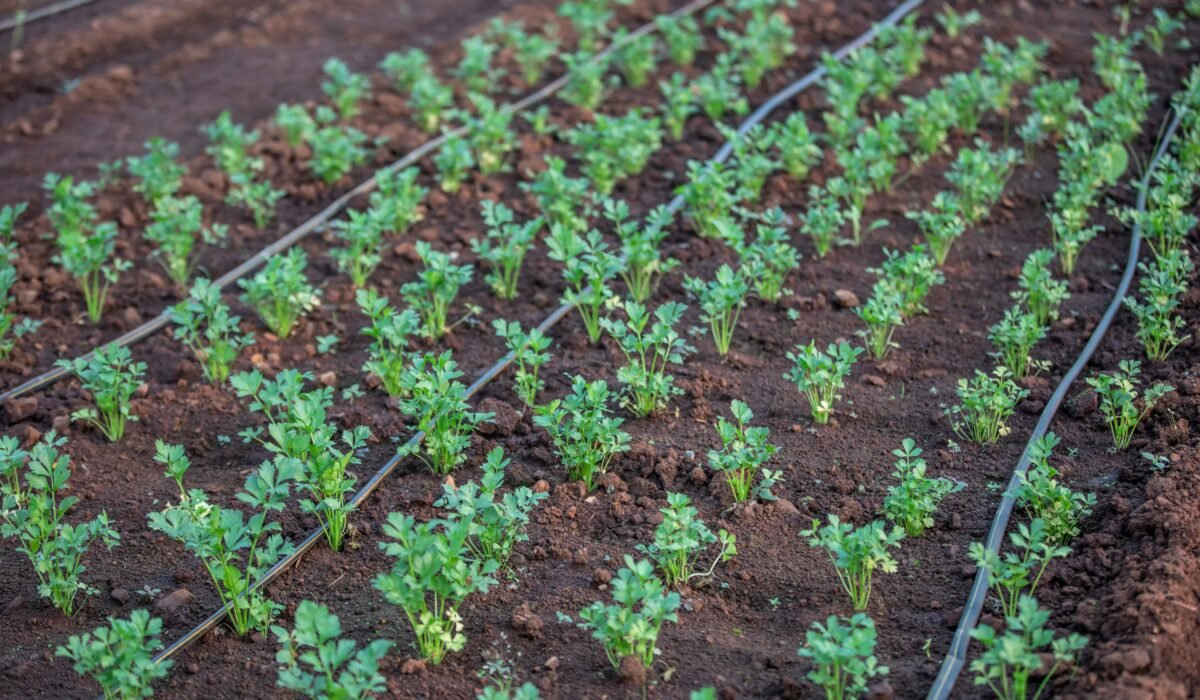
For gardeners seeking maximum efficiency and minimal waste, drip irrigation stands out as a superior basic garden irrigation method. This system utilizes a network of tubes, emitters, and drippers to deliver water precisely where it’s needed: directly to the plant’s root zone. This targeted approach is incredibly effective because it bypasses evaporation and runoff, common issues with overhead watering.
In practice, drip irrigation systems are highly efficient, exceeding 90% efficiency and using 30% to 70% less water compared to traditional sprinkler systems, according to Colorado State University Extension. This significant water saving is why many water utilities even exempt drip-irrigated landscapes from drought restrictions. For beginners, setting up drip irrigation for beginners is often simpler than imagined, with many kits available.
Benefits of Drip Irrigation
Drip irrigation for beginners offers numerous advantages that solve common gardener pain points. It prevents fungal diseases by keeping foliage dry and discourages weed growth by only watering desirable plants. The slow, deep watering promotes stronger root development, making plants more resilient to dry spells.
Consider kits like the Drip Depot Drip Irrigation Kit for Raised Bed Gardening, which uses 1/4″ drip line, or the HIRALIY 50ft Drip Irrigation Kit, offering adjustable emitters for various garden types. Brands like Rain Bird and MIXC also provide comprehensive drip irrigation products known for their ease of installation and precise delivery.
Soaker Hoses: Gentle & Effective Ground Watering
Soaker hoses offer another excellent option for efficient ground watering, especially for rows of plants or densely planted beds. These porous hoses “weep” water along their entire length, allowing it to slowly seep into the soil. This method ensures that water reaches the root zone without wetting the foliage, which helps prevent leaf diseases and conserves moisture by reducing evaporation.
The beauty of soaker hose benefits lies in their simplicity and effectiveness. They provide a gentle, consistent supply of water, which is ideal for establishing new plants or maintaining consistent soil moisture for thirsty vegetables. What most people miss is that unlike traditional sprinklers, soaker hoses don’t spray water into the air, making them a fantastic water-saving garden irrigation tool.
Choosing and Using Soaker Hoses
When selecting a soaker hose, look for durability and even water distribution. Products like the RAINPOINT Flat Soaker Hose 100FT are praised for their performance and brass fittings. The Gilmour 50-Foot Flat Weeper Soaker Hose, with its fabric sleeve, offers flexibility and even saturation, while the Dramm ColorStorm Soaker Hose is engineered for precision control and longevity in larger areas.
For optimal results, bury your soaker hose lightly under a layer of mulch or soil. This protects it from UV degradation and further reduces evaporation, making it an even more efficient garden watering tip. Just remember to check the water pressure to ensure an even weep along the entire length.
Manual Watering & Sprinklers: When to Use Them
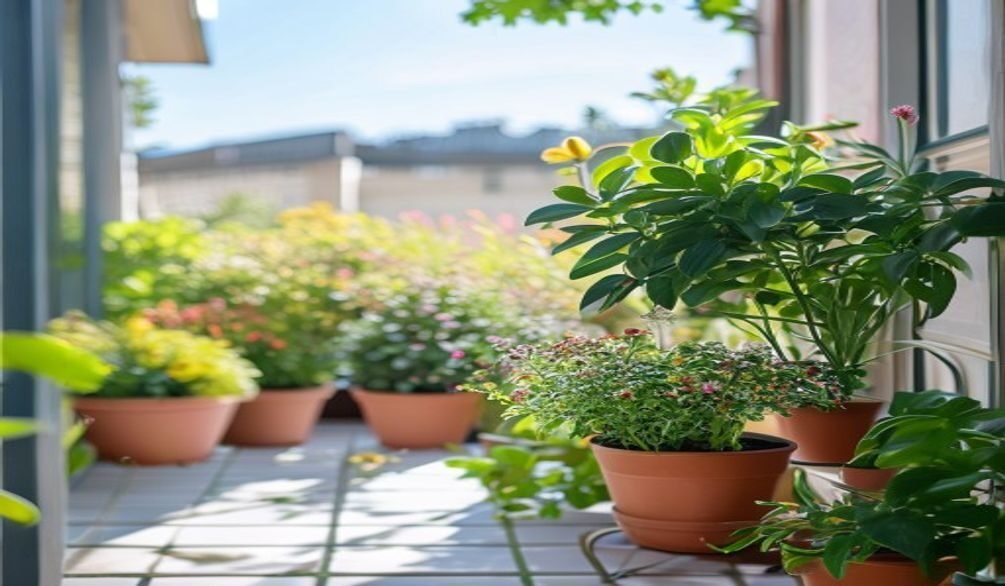
While automated systems offer convenience, manual watering and basic sprinkler systems still have their place in a comprehensive garden irrigation strategy. Manual watering, using a watering can or a hand-held hose with a nozzle, allows for precise control, especially for individual plants with specific needs or in small gardens. This method is perfect for newly planted seedlings, container plants, or delicate flowers that might be overwhelmed by overhead irrigation.
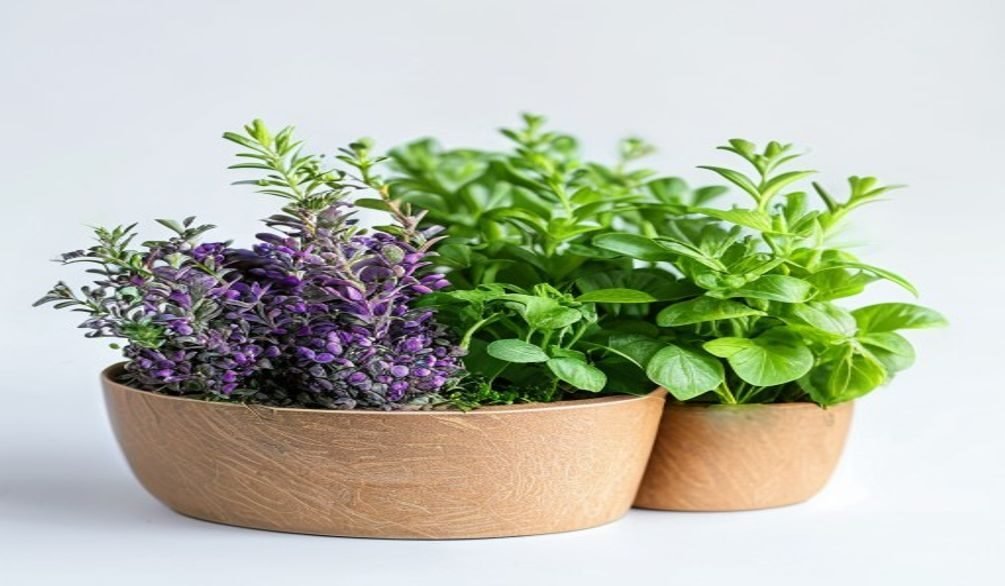
Here’s the thing: manual watering also provides an opportunity to inspect your plants up close, noticing any pests or diseases early. For specific plant care, like watering herbs, a targeted manual approach can be invaluable. Learn more about how to water herbs for thriving plants.
Basic Sprinkler Systems
Basic sprinkler systems, including oscillating sprinklers, impulse sprinklers, or fixed spray heads, are suitable for covering larger, uniform areas like lawns or open garden beds. While less water-efficient than drip or soaker hoses due to evaporation and wind drift, they can be effective for broad coverage. They are generally low-cost garden irrigation solutions for certain scenarios.
However, it’s crucial to use sprinklers wisely to avoid waste. Water early in the morning to minimize evaporation and ensure water penetrates deeply. “Deep” irrigation, 6″ to 8″ for most flowers and vegetables, is more beneficial than frequent shallow watering, as noted by Nicole Stoner, Extension Educator, UNL Water. This encourages roots to grow deeper, making plants more drought-tolerant.
Choosing the Best Basic Irrigation System for Your Garden
Selecting the ideal basic garden irrigation methods for your space involves a practical assessment of several key factors. There’s no single “best” system; rather, it’s about finding the right fit for your unique gardening situation. This decision directly impacts water usage, plant health, and your time commitment.
Consider the following to pinpoint the best basic irrigation system for your garden:
- Garden Size and Layout: For simple irrigation for small gardens or container setups, manual watering or a small drip system might suffice. Larger, more uniform areas could benefit from soaker hoses or even basic sprinklers. For a new garden, thinking about your beginner garden layout planning can help inform your irrigation choices.
- Plant Type and Water Needs: Vegetables and thirsty annuals often thrive with consistent, direct watering from drip lines or soaker hoses. Drought-tolerant plants might only need occasional manual watering.
- Soil Type: Sandy soils drain quickly and benefit from slow, consistent watering (drip/soaker) to allow absorption. Clay soils hold water longer and may require less frequent irrigation.
- Budget: DIY garden irrigation ideas often start with simple, low-cost garden irrigation solutions like soaker hoses or basic drip kits. Smart systems, while more of an initial investment, can save money on water long-term.
- Time Commitment: If you’re short on time, automated systems like drip or soaker hoses with timers offer convenience. Manual watering requires regular dedication.
For best irrigation for raised beds, drip irrigation or soaker hoses are often superior as they deliver water directly to the root zone, preventing runoff and maximizing efficiency within the confined space.
Integrating Smart Tech for Simple, Automated Watering
Even basic garden irrigation methods can be dramatically enhanced with accessible smart home technology, transforming your watering routine into an effortless, automated process. The U.S. smart irrigation system market is projected to reach USD 1,300.1 million by 2032, highlighting a strong trend towards automated garden irrigation. You don’t need a complex, expensive setup to get started; simple tools can make a big difference.
The key is to focus on controllers and basic soil moisture monitoring. Smart irrigation controllers, which represent a significant segment of the market, allow you to schedule watering times, adjust for weather, and even control your system from your phone. This means less guesswork and more precise water delivery.
Accessible Smart Solutions for Beginners
For those new to smart garden watering systems, consider these options:
- Smart Timers & Wi-Fi Controllers: Replace your old hose timer with a smart one. Devices like the Rachio 3 Smart Sprinkler Controller or Netro Sprite Smart Sprinkler Controller connect to your Wi-Fi, allowing you to manage watering schedules from anywhere. They can even integrate with smart assistants like Alexa and Google Assistant, making automatic balcony watering or a small garden a breeze.
- Basic Soil Moisture Sensors: These tools take the guesswork out of “when to water.” A budget-friendly option like the XLUX Soil Moisture Sensor Meter provides a simple, color-coded scale to tell you if your plants are thirsty. More advanced (but still accessible) sensors can integrate with smart controllers to automatically adjust watering based on actual soil conditions.
Integrating these technologies solves the common gardener frustration of inconsistent watering. It ensures your plants receive water only when needed, preventing both overwatering and underwatering, leading to healthier plants and significant water savings.
Seasonal Adjustments & Water-Saving Tips for Basic Irrigation
Mastering basic garden irrigation methods isn’t just about choosing a system; it’s also about adapting your approach throughout the year and implementing smart water-saving garden irrigation practices. The amount and frequency of water your garden needs will change dramatically with the seasons, regional climate, and plant growth stages. What most people overlook is the dynamic nature of a garden’s water requirements.
Here’s the thing: applying water consistently isn’t always the same as applying it effectively. Mary Wilson from Michigan State University Extension advises that while the *amount* of water should wet the entire soil mass, the *frequency* should change with plant size and light exposure. This nuanced approach is an essential efficient garden watering tip.
Seasonal Adjustments for Basic Irrigation
- Spring Planting: New seedlings and transplants need consistent moisture to establish roots. Water more frequently but with smaller amounts.
- Summer Heat: High temperatures increase evaporation and plant water uptake. You’ll likely need to water more deeply and frequently. Employ soil moisture monitoring to avoid overwatering, especially in humid climates.
- Fall Dormancy: As temperatures drop and plants slow growth, reduce watering frequency. Overwatering in fall can lead to root rot.
- Hydrozoning: Group plants with similar water needs together. This “hydrozoning” technique allows you to irrigate different areas of your garden according to specific requirements, preventing both underwatering and overwatering. For instance, drought-tolerant plants can be in one zone, while thirsty vegetables are in another.
Utilizing mulch is one of the simplest yet most effective water-saving garden irrigation techniques. A 2-4 inch layer of organic mulch helps retain soil moisture, suppresses weeds, and moderates soil temperature, significantly reducing the need for frequent watering. This small step can make a huge difference in your water bill and your garden’s health.
For more detailed insights on efficient watering, refer to authoritative sources like the University of Nevada, Reno Extension, which provides valuable guidance on sustainable irrigation practices.
Frequently Asked Questions
What are the 4 main methods of irrigation?
The four main methods of basic garden irrigation typically include drip irrigation, soaker hoses, manual watering (with a can or hose), and sprinkler systems. Each method offers distinct advantages for different garden sizes, plant types, and water conservation goals, providing flexibility for home gardeners.
What is the easiest way to irrigate a garden?
The easiest way to irrigate a garden often depends on its size and your budget, but for many, a simple soaker hose system or a basic drip irrigation kit with a timer offers the most hands-off approach. These systems automate consistent watering directly at the root zone, significantly reducing manual effort and water waste.
What are the 3 best irrigation methods for gardens?
For most home gardens, the three best irrigation methods are typically drip irrigation, soaker hoses, and smart-controlled manual watering (using a hose with a timer or a watering wand). Drip and soaker hoses excel in water efficiency and direct root delivery, while smart manual watering offers precision for individual plant care, especially when paired with soil moisture monitoring.
What is the most basic irrigation system?
The most basic irrigation system is manual watering using a watering can or a hand-held hose. However, for a simple automated solution, a soaker hose connected to a standard hose timer is arguably the most basic “system” that provides consistent, low-effort watering for garden beds or rows of plants.
Choosing the right basic garden irrigation methods doesn’t have to be complicated. By understanding the options, considering your garden’s specific needs, and embracing simple smart technology, you can create a highly efficient, sustainable, and thriving garden. Start implementing these smart and simple watering techniques today to enjoy a healthier garden with less effort and more peace of mind.