Are those unsightly spots on your plant leaves a sign of trouble? If you’ve noticed discoloration or lesions appearing on your garden favorites, you’re likely grappling with the common challenge of Identifying and Treating Leaf Spot Diseases. These widespread plant ailments can diminish your garden’s beauty and health, but understanding their nature is the first step toward effective management.
What Are Leaf Spot Diseases?
Leaf spot diseases are a broad category of plant ailments characterized by localized, discolored lesions on foliage. These spots vary widely in appearance, but they all signal a disruption in the plant’s health, often caused by pathogens. While typically not fatal to mature plants, severe infections can weaken them, reduce photosynthesis, and make them more susceptible to other stressors.
Most leaf spot issues are caused by either fungal leaf spot or bacterial leaf spot pathogens. Understanding this distinction is crucial for effective plant disease identification and treatment. Fungal diseases, for instance, are incredibly prevalent across biological systems, with fungal skin diseases (FSD) alone affecting approximately 1.73 billion global cases in 2021, underscoring the widespread nature of these microscopic threats in the environment.
What Causes Leaf Spot on Plants?
The primary culprits behind leaf spot on plants are various types of fungi and bacteria, thriving under specific environmental conditions. These pathogens are often present in the garden environment but only become problematic when conditions favor their growth and spread. Most leaf spot diseases require water on the leaves or very high humidity for a prolonged period—typically 12 to 24 hours—to initiate an infection, with spots often maturing in one to two weeks.
Warm, humid, and wet conditions are ideal for both fungal and bacterial leaf spot development and spread. This is why you often see outbreaks after periods of heavy rain or excessive overhead watering. Poor air circulation due to overcrowding, lack of sunlight, and lingering moisture on leaves create a perfect breeding ground for these pathogens to take hold and proliferate throughout your garden. In practice, many gardeners inadvertently contribute to these conditions without realizing it.
What Does Leaf Spot Look Like?
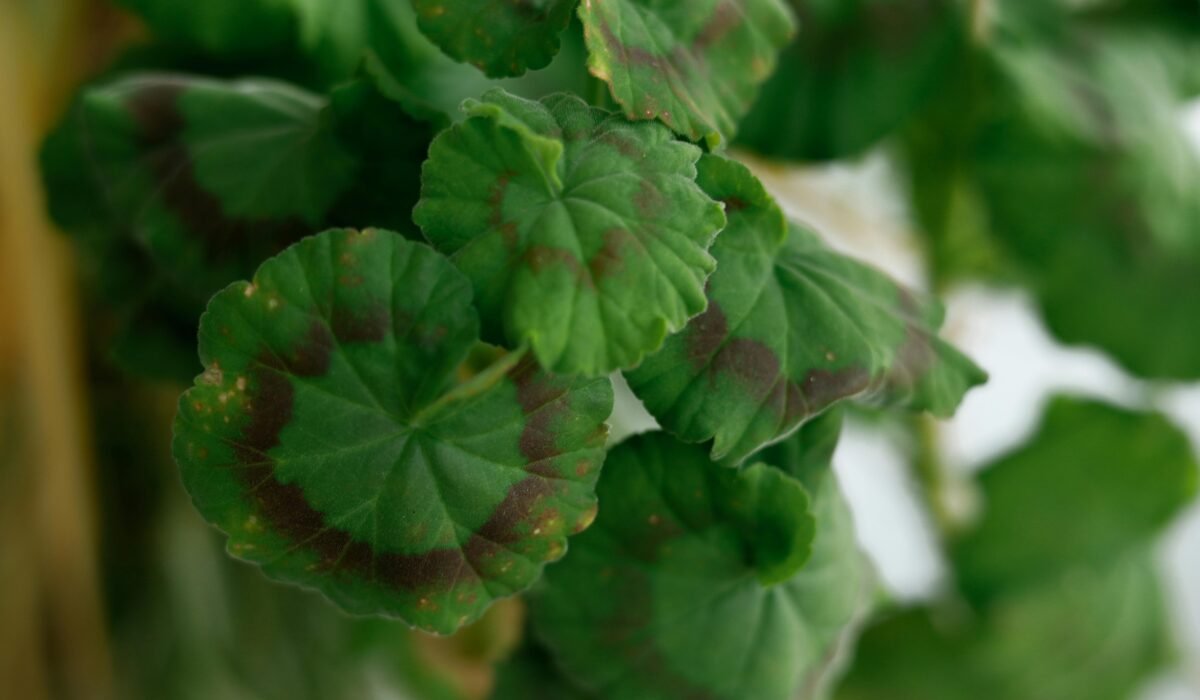
The visual characteristics of leaf spot diseases can vary significantly depending on the specific pathogen and the host plant, making accurate plant disease identification a key skill for gardeners. Generally, these spots manifest as small, circular, or irregular lesions on the leaves, which can expand and merge over time. The color of these spots ranges from yellow, brown, or black, often with a distinct border or halo.
For example, Septoria leaf spot on tomatoes, a frequently cited case, appears as small spots with gray centers and dark brown edges. As the disease progresses, these spots may merge, causing entire leaves to yellow and drop prematurely. Meanwhile, Cercospora leaf spot on leafy greens like beets and spinach typically presents as grayish-white, irregular spots with dark edges, sometimes showing concentric rings within the lesion. Observing these specific plant symptoms helps you narrow down the potential cause.
Spotting the Differences: A Quick Guide to Plant Symptoms
- Fungal Leaf Spots: Often have distinct margins, may feature concentric rings, and can sometimes develop fuzzy or powdery growth (spores) on the spots, especially in humid conditions. Colors tend to be brown, black, or tan.
- Bacterial Leaf Spots: Typically appear water-soaked initially, then turn dark brown or black. They often have an angular shape, confined by leaf veins, and may be surrounded by a yellow halo. They rarely show fuzzy growth.
- Viral Leaf Spots: Less common but can cause mosaic patterns, distorted growth, or ringspots rather than distinct, uniform lesions.
What most people miss is that the location of the spots can also be a clue. Some diseases primarily affect older, lower leaves, while others target new growth. Always inspect both sides of the leaf, as well as stems and petioles, for the full picture of the infection.
Differentiating Leaf Spot from Similar Plant Ailments
It’s easy to misdiagnose leaf spot, as many other plant problems can present with similar symptoms. Accurately distinguishing between actual leaf spot diseases and other issues like pest damage, nutrient deficiencies, or even environmental stress is vital for effective treatment. Without proper diagnosis, you might apply the wrong remedy, wasting time and potentially harming your plant.
Here’s a practical guide to help you differentiate common “look-alikes”:
| Symptom | Leaf Spot Disease (Fungal/Bacterial) | Pest Damage | Nutrient Deficiency | Environmental Stress (e.g., Scorch) |
|---|---|---|---|---|
| Appearance of Spots | Defined, often circular or angular lesions; varied colors (brown, black, yellow); may have halos or concentric rings. | Irregular holes, chewed edges, stippling (tiny dots), sticky residue (honeydew), or visible pests. | Uniform yellowing (chlorosis) or browning of leaf margins/veins; often symmetrical across the plant. | Brown, crispy edges or tips; entire leaves may turn brown; usually on sun-exposed or wind-exposed areas. |
| Pattern of Damage | Scattered or concentrated spots; can spread from older to newer leaves. | Often localized where pests feed; may follow vein patterns if pests are sap-sucking. | General discoloration of specific leaf parts (e.g., interveinal yellowing for iron deficiency) affecting many leaves. | More prevalent on the side of the plant facing the sun or wind; not typically discrete spots. |
| Progression | Spots enlarge, merge, and can lead to leaf drop; often triggered by wet conditions. | Damage increases with pest population; new damage appears where pests are active. | Symptoms persist until nutrient is supplied; new growth may show different symptoms. | Damage appears suddenly after extreme weather (heat, cold, wind, drought). |
| Key Differentiating Factor | Presence of specific lesion types; often associated with moisture. | Visible pests, webbing, or their droppings. | General plant vigor issues; often uniform discoloration without distinct spots. | Environmental triggers (drought, excessive sun, windburn); consistent browning/crisping. |
Understanding the distinction between fungal leaf spot vs bacterial leaf spot is also critical. Fungal spots often have a more defined margin and might show fuzzy growth, while bacterial spots start water-soaked and tend to be angular, conforming to leaf veins. If you’re seeing brown spots on plant leaves, consider the context and other symptoms before concluding it’s a leaf spot disease.
How to Treat Leaf Spot Diseases Effectively
Once you’ve confirmed that you’re dealing with leaf spot, a multi-pronged approach to treatment is usually most effective. The short answer is that early intervention and consistent effort yield the best results. While leaf spot diseases will not seriously harm your plants in most cases, there are things you can do to reduce the disease on the tree in the following years, as the University of Minnesota Extension notes.
Initial Steps for Treating Leaf Spot Diseases
- Prune Infected Leaves: Immediately remove and destroy any leaves showing significant spotting. This reduces the amount of pathogen present in your garden and prevents further spread. Always sterilize your pruning shears between cuts and between plants to avoid spreading spores.
- Improve Air Circulation: Thin out crowded plants or prune branches that are too dense. Good airflow helps dry leaves quickly, making the environment less hospitable for pathogens.
- Water Properly: Avoid overhead watering, which splashes spores and keeps leaves wet for too long. Instead, water at the base of the plant using drip irrigation or a soaker hose. For more on efficient watering, check out our guide on Basic Garden Irrigation Methods.
- Garden Sanitation: Promptly remove all fallen leaves and plant debris. Pathogens often overwinter in this material, ready to reinfect plants next season. This is especially crucial for issues like Septoria leaf spot on tomatoes.
Organic and Chemical Treatment Options
For more persistent infections, or when you need to protect susceptible plants, you might consider treatments. Cornell Cooperative Extension emphasizes that fungicides are rarely needed in home gardens and work best as preventatives, not cures. However, if you choose to use them, always follow label instructions carefully.
- Organic Fungicides:
- Copper-based solutions: These are effective organic options that can prevent leaf spot or limit outbreaks, particularly on vulnerable plants like tomatoes. They create a protective barrier on the leaf surface.
- Sulfur-based fungicides: Products like Safer® Brand Garden Fungicide are effective in changing the pH balance of the plant surface, making it inhospitable for fungal growth.
- Neem oil spray: A natural, broad-spectrum organic treatment, neem oil (two teaspoons per liter of water, applied weekly) works by disrupting fungal growth and deterring insects. It’s a great choice for how to treat leaf spot naturally.
- Baking soda solution: A simple homemade fungicide can be made with 1 teaspoon baking soda, a mild liquid soap, and 1 liter of water. This solution can alter the leaf surface pH, inhibiting fungi.
- Chemical Fungicides: For severe cases or highly susceptible plants, conventional fungicides may be an option. These are typically applied preventatively or at the first sign of disease. Always identify the specific pathogen (fungal vs. bacterial) before choosing a product, as fungicides won’t work on bacterial infections.
Remember that the goal is to manage the disease, not necessarily eradicate every single spot. The University of California Integrated Pest Management (UC IPM) program suggests that in most cases, infections can be tolerated, especially if the plant is otherwise healthy and vigorous.
Preventing Leaf Spot Naturally in Your Garden
The best defense against leaf spot diseases is a strong offense, focusing on proactive measures and good gardening practices. By implementing natural disease prevention strategies, you can significantly reduce the likelihood of outbreaks in your garden. This approach aligns perfectly with sustainable gardening principles, emphasizing healthy plants and soil over reactive treatments.
Key Cultural Practices for Disease Prevention
Maintaining optimal growing conditions for your plants is fundamental. Healthy plants are inherently more resistant to disease. Consider these cultural practices:
- Smart Plant Spacing: Ensure adequate space between plants to promote excellent air circulation. Overcrowding traps humidity and prevents leaves from drying quickly, creating a perfect environment for pathogens.
- Proper Watering Techniques: Always water at the base of the plant in the morning, allowing leaves to dry completely before evening. Avoid overhead watering, which can splash spores and keep foliage wet for extended periods. This is a critical step in preventing leaf spot on tomatoes and other susceptible plants.
- Garden Sanitation: Regularly remove and destroy infected plant debris, including fallen leaves and spent flowers. Pathogens can overwinter in this material, leading to re-infection in spring. A thorough fall cleanup is vital, as Cornell Cooperative Extension highlights. For tips on managing your garden beds, see our guide on Building & Filling Organic Raised Garden Beds.
- Soil Health: Healthy soil fosters strong, resilient plants. Incorporate plenty of organic matter to improve drainage and provide essential nutrients. Well-nourished plants are better equipped to fend off diseases.
- Crop Rotation: If you grow vegetables, rotate crops annually to prevent the buildup of soil-borne pathogens. Planting the same crop in the same spot year after year can deplete soil nutrients and encourage specific disease cycles.
- Choose Resistant Plant Varieties: Whenever possible, select plant varieties known for their resistance to common leaf spot diseases. This is one of the most effective long-term strategies for disease management, significantly reducing your workload and chemical use.
Organic Preventative Treatments
Beyond cultural practices, several organic solutions can bolster your plants’ defenses against leaf spot:
- Neem Oil Spray: Regular applications of neem oil (as described in the treatment section) can serve as a preventative measure, creating an unfavorable environment for fungal and bacterial pathogens. It’s a fantastic natural deterrent for various plant issues.
- Compost Tea: Applying compost tea can introduce beneficial microbes to the soil and plant surfaces, which can outcompete or suppress disease-causing pathogens. This boosts overall plant immunity.
- Companion Planting: Some companion plants are believed to deter pests and diseases. While not a direct leaf spot cure, a diverse garden ecosystem is generally more resilient.
- Pruning for Airflow: Strategic pruning helps maintain an open canopy, ensuring good air circulation around leaves and reducing humidity. This is particularly important for fruit trees; learn more in our Organic Fruit Tree Care guide.
By integrating these preventative measures, you’re not just reacting to problems; you’re building a robust, healthy garden ecosystem that naturally resists diseases. This proactive approach is the cornerstone of successful organic gardening.
Can Plants Recover from Leaf Spot Disease?
Yes, plants can absolutely recover from leaf spot disease, especially if the infection is caught early and appropriate measures are taken. The University of Minnesota Extension notes that leaf spot diseases will not seriously harm your plants in the long run, but intervention helps. Recovery largely depends on the severity of the infection, the plant’s overall health, and the effectiveness of your treatment and prevention strategies.
While the damaged spots on existing leaves won’t disappear, the goal is to stop the spread to new growth. By removing infected foliage, improving cultural practices like watering and air circulation, and applying preventative treatments, you enable the plant to put its energy into producing healthy new leaves. Young plants or those severely weakened by other stressors might struggle more, but generally, mature, vigorous plants show good resilience.
Is Leaf Spot Contagious to Other Plants?
Yes, leaf spot diseases are indeed contagious to other plants, particularly those of the same or closely related species. The pathogens responsible for leaf spot—fungi and bacteria—can easily spread through various means within your garden. This is why quick action and preventative measures are so important to contain an outbreak.
Pathogen spread occurs primarily through splashing water (rain, irrigation), wind, contaminated tools, and even contact from gardeners’ hands or clothing. Spores or bacteria can travel from an infected leaf to a healthy one, especially when conditions are warm and humid. This highlights the importance of garden sanitation and sterilizing tools to minimize the risk of spreading the disease to your healthy plants.
Frequently Asked Questions
What is the fastest way to get rid of leaf spot?
The fastest way to manage leaf spot involves immediately pruning and destroying infected leaves, improving air circulation around plants, and switching to bottom watering to keep foliage dry. For a quick organic intervention, applying a neem oil spray or a baking soda solution can help halt the spread on existing plants.
What kills leaf spot on plants?
No single solution “kills” leaf spot once the lesions are formed, as they are a symptom of past infection. However, a combination of cultural practices like removing infected material, improving plant vigor, and applying organic fungicides (such as copper or sulfur-based sprays, or neem oil) can effectively stop the progression of the disease and prevent new infections.
Does neem oil treat leaf spot?
Yes, neem oil spray is an effective organic treatment for leaf spot, primarily by acting as a preventative and inhibiting the spread of fungal pathogens. It works by disrupting the life cycle of fungi and deterring them from establishing new infections. For best results, apply neem oil regularly as a preventative measure or at the first sign of disease.
How do you prevent leaf spot naturally?
Preventing leaf spot naturally involves a combination of good cultural practices: ensuring proper plant spacing for air circulation, watering at the base of plants to keep leaves dry, practicing diligent garden sanitation by removing debris, and choosing disease-resistant plant varieties. Building healthy soil and using organic preventative sprays like neem oil also significantly reduce risk.
Tackling leaf spot diseases in your garden might seem daunting, but with the right knowledge and consistent effort, you can protect your plants and enjoy a thriving, healthy outdoor space. By focusing on vigilant identification, proactive prevention through smart cultural practices, and targeted organic treatments, you’ll empower your garden to resist these common ailments. Take these steps, observe your plants closely, and continue to cultivate a resilient garden ecosystem.