Are you dreaming of a bountiful harvest from your fruit trees, free from synthetic chemicals and harmful residues? Embracing organic fruit tree care is not just a trend; it’s a commitment to healthier produce, a thriving garden ecosystem, and sustainable practices. This comprehensive guide will walk you through proven, chemical-free orchard management techniques, empowering you to cultivate robust, productive fruit trees naturally.
What is Organic Fruit Tree Care and Why Choose It?
Organic fruit tree care involves cultivating fruit trees using methods that promote ecological balance and biodiversity, strictly avoiding synthetic pesticides, herbicides, and fertilizers. The USDA National Organic Program (NOP) sets rigorous standards to ensure the integrity of the organic process, verifying that fruit is produced according to these guidelines, as Guy Ames from ATTRA highlights. It’s about working with nature, not against it, to grow delicious, wholesome fruit.
The primary reason many choose this path is for the health benefits of chemical-free fruit growing, ensuring your family consumes produce without harmful residues. Beyond personal health, organic methods foster a healthier environment, protecting pollinators, beneficial wildlife, and local water sources. What most people miss is that this approach also builds long-term resilience in your orchard, making trees stronger and more self-sufficient.
The Philosophy of Organic Orchard Management
At its heart, organic orchard management is a holistic approach. It views the orchard as a complex ecosystem where every element plays a role, from the microorganisms in the soil to the birds in the branches. Terence Bradshaw and Sarah Kingsley-Richards from the University of Vermont emphasize that “Ideally, organic fruit production is the synthesis of an entire suite of practices intended to take advantage of natural ecosystem interactions and minimize chemical intervention.” This means prioritizing prevention and ecosystem health over reactive chemical treatments.
Choosing organic fruit tree care means investing in the long-term vitality of your land and the quality of your harvest. It’s a proactive stance that yields fruit not just for this season, but for many to come, creating a truly sustainable fruit tree practice.
How to Keep Fruit Trees Healthy Organically: Foundational Practices
The secret to a thriving organic orchard lies in establishing robust foundational practices that nurture your trees from the ground up. Healthy trees are inherently more resistant to pests and diseases, making them the cornerstone of effective organic fruit tree care.
Building Healthy Orchard Soil
Your soil is the lifeblood of your fruit trees, and building healthy orchard soil is paramount for organic success. Organic methods lead to healthier soil, which according to research, may make farming more resilient to challenges like climate change. Focus on enriching your soil with organic matter through composting and mulching. Regularly applying a mulch of green compost or woodchips can significantly boost tree establishment and growth, as trees grown this way often bear fruit by the third year.
Consider regular soil testing to understand nutrient deficiencies and pH levels. Instead of synthetic fixes, amend with natural materials like aged manure, bone meal, or kelp meal. For nitrogen fixation, planting cover crops like clover or vetch between trees can naturally replenish essential nutrients, especially important for established orchards where crop rotation isn’t feasible.
Proper Planting and Variety Selection
Choosing the right fruit tree varieties for your specific climate and soil conditions is a critical first step. Opt for varieties known for their disease resistance and adaptability to your regional challenges. This proactive measure significantly reduces the need for reactive treatments later on. What most people miss is that even within a species, some cultivars are far more resilient than others, especially against common local pests and diseases.
Strategic Watering and Pruning
Consistent and appropriate watering is vital, especially for young trees and during dry spells. Deep, infrequent watering encourages strong root development, making trees more drought-tolerant. Conversely, overwatering can lead to root rot, a common issue.
Fruit tree pruning is another essential practice that improves air circulation, allows for better light penetration, and removes diseased or damaged branches. Proper pruning reduces the likelihood of fungal diseases and makes trees more productive. Timing is key; dormant season pruning is generally recommended for structural shaping, while summer pruning can help manage growth and fruit size. You can find more specific guidance on pruning techniques in resources like “Pruning Berry Bushes for Abundant Fruit” which shares similar principles for promoting vigorous growth and yield.
Natural Pest Control for Fruit Trees: Keeping Pests Off Organically
Keeping pests off fruit trees naturally requires vigilance and a multi-faceted approach that leverages ecological principles. The goal of organic pest control isn’t eradication, but rather management to keep pest populations at tolerable levels without harming the environment.
Encouraging Beneficial Insects and Wildlife
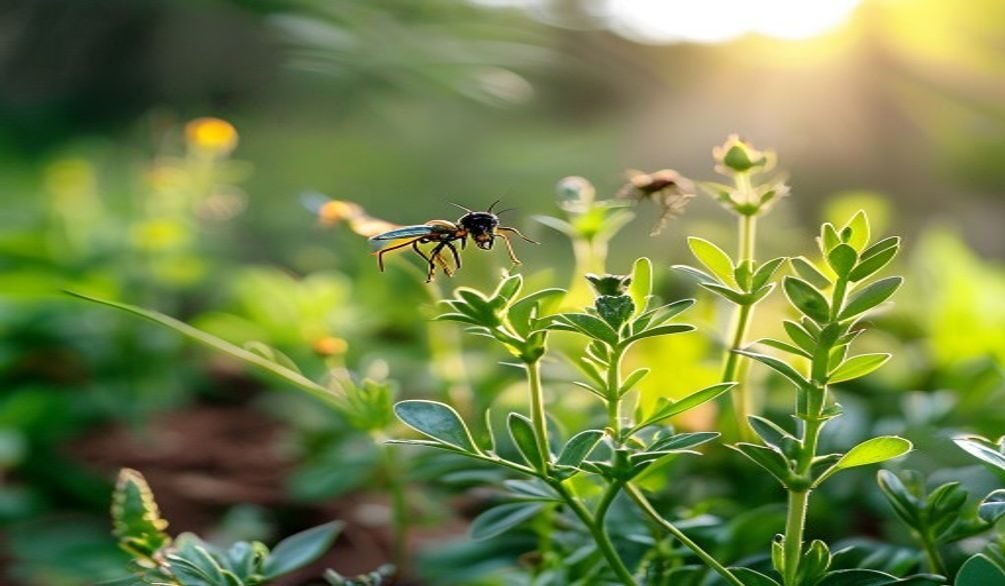
One of the most effective strategies for organic pest management is to make your orchard a haven for beneficial insects. Ladybugs, lacewings, syrphid flies, and parasitic wasps are natural predators that feast on common pests like aphids. Attracting these allies can be achieved through companion planting, using flowers like asters, dill, fennel, and other nectar-rich plants around your fruit trees.
Don’t forget about birds! Eastern bluebirds and tree swallows are excellent insect eaters. Installing nesting boxes can attract them to your orchard, providing a natural, ongoing pest patrol. Providing a water source and diverse habitat will further encourage a balanced ecosystem.
Physical Barriers and Traps
Physical barriers offer a straightforward way to protect developing fruit. Netting can prevent birds and larger insects from reaching ripening fruit. For smaller pests, specific traps can be highly effective. Red ball traps covered with Tanglefoot glue, for example, are used to catch apple maggots and codling moths. Pheromone traps and disruption systems are also valuable organic tools, confusing male moths and reducing mating success for pests like codling moth and oriental fruit moth.
Cultural Practices for Pest Prevention
Maintaining orchard cleanliness is crucial. Remove fallen fruit promptly to prevent pests from completing their life cycles in the soil. Sanitize pruning tools to avoid spreading diseases. Regular inspection of your trees for early signs of pest activity allows for timely, targeted interventions before infestations become severe. This proactive approach is a cornerstone of any effective natural orchard management strategy.
Organic Disease Prevention & Treatment for Fruit Trees
Preventing diseases organically is often more effective than treating them once established, especially since options for natural disease prevention are limited compared to conventional chemical fungicides. Building tree resilience and managing the orchard environment are your best defenses.
Proactive Measures for Disease Resistance
Just as with pests, selecting disease-resistant fruit tree varieties is your first and strongest line of defense. Research varieties known to withstand common diseases in your region, such as apple scab or peach leaf curl. Ensuring good air circulation through proper spacing and regular fruit tree pruning helps keep foliage dry, which deters fungal growth. Removing and destroying diseased plant material immediately prevents spores from spreading throughout your orchard.
Maintaining optimal tree health through good soil practices and balanced nutrition also boosts a tree’s natural immunity. Stressed trees are much more susceptible to disease. Apple fire blight, for instance, a devastating disease causing estimated $100 million in U.S. orchard damage annually, often takes hold when trees are already weakened.
Organic Disease Treatment Options
When diseases do appear, organic treatment options focus on prevention and natural remedies. Copper-based fungicides, permitted in organic farming, can be effective against certain bacterial and fungal diseases, particularly when applied as a dormant spray. Sulfur sprays are another organic option for powdery mildew and some other fungal issues.
For specific challenges, biological controls are emerging. For example, some beneficial bacteria or fungi can be applied to outcompete or inhibit disease-causing pathogens. Understanding the specific disease and its life cycle is crucial for effective organic intervention. Always ensure any product you use is certified organic and follow application instructions carefully.
Building a Resilient Organic Orchard Ecosystem
The true power of organic fruit tree care lies in creating a self-sustaining ecosystem that supports your trees naturally. This holistic approach, focused on long-term health, is what truly defines a resilient organic orchard. It’s about designing a system where nature does much of the work for you.
Enhancing Biodiversity Through Companion Planting
Companion planting is a cornerstone of a resilient orchard, strategically placing plants near your fruit trees to provide mutual benefits. Certain plants can deter pests, attract beneficial insects, or improve soil health. For instance, planting marigolds can repel nematodes, while nasturtiums can act as a trap crop for aphids, drawing them away from your fruit trees. Legumes like clover, when used as groundcover, fix nitrogen in the soil, providing a natural source of nutrients for your trees.
A diverse array of plants also creates habitat and food sources for a wider range of wildlife, further enhancing the natural pest control mechanisms. This isn’t just about what you plant next to your trees; it’s about making the entire space a vibrant, interconnected community.
Cover Cropping and Green Manures
Cover crops are plants grown primarily to improve soil health, suppress weeds, and prevent erosion. In an orchard setting, they are invaluable for building healthy soil for fruit trees. Nitrogen-fixing legumes enrich the soil, while grasses can add organic matter and improve soil structure. What most people miss is how cover crops also provide habitat for beneficial insects and can help manage soil moisture.
Green manures are cover crops that are tilled into the soil while still green, rapidly adding organic matter and nutrients. This practice improves soil fertility and structure, directly supporting the long-term health and productivity of your fruit trees. Integrating these practices moves you beyond simply treating problems to proactively creating a healthy environment.
Water Conservation and Management
Efficient water use is vital for a sustainable organic orchard, especially with climate change bringing increased challenges like drought. Techniques like drip irrigation or soaker hoses deliver water directly to the root zone, minimizing waste and reducing humidity around foliage, which helps prevent fungal diseases. Mulching extensively around trees also conserves soil moisture, reducing the need for frequent watering. This mindful approach to water is a key component of sustainable fruit tree practices.
Best Organic Sprays & DIY Solutions for Fruit Trees
While preventative measures are crucial, sometimes you need effective, organic solutions to address pest or disease outbreaks. Thankfully, several approved organic fruit pest solutions and DIY remedies can help protect your harvest.
Commercially Available Organic Sprays
Several ready-to-use or concentrated organic sprays are available and widely utilized by home gardeners and commercial organic growers alike:
- Kaolin Clay (e.g., Surround™): This “particle film technology” has revolutionized organic insect management. When fruit and leaves are adequately covered, it creates a physical barrier that deters stubborn pests like plum curculio, as noted by the University of Vermont Extension. It’s essentially a fine white clay that coats the tree, making it unappetizing to pests.
- Dormant Oil Spray: Applied during the dormant season, this oil smothers overwintering insect eggs and immature pests, effectively reducing populations before they become active. It’s an excellent preventative measure for pests like aphids, scale, and mites, making it a key part of dormant oil spray for fruit trees organic routines.
- Neem Oil: Derived from the neem tree, this natural insecticide and fungicide works as a repellent, antifeedant, and growth disruptor for a wide range of pests. It’s especially useful for deterring pests organically, though it should be applied carefully to avoid harming beneficial insects.
- Insecticidal Soaps: These soaps work by breaking down the waxy cuticle of soft-bodied insects like aphids, mites, and whiteflies, leading to dehydration. They are generally low-toxicity and break down quickly in the environment.
Homemade Organic Solutions
For those looking for budget-friendly and truly DIY options, several homemade solutions can be effective:
- Garlic or Pepper Sprays: Blending garlic or hot peppers with water and a touch of mild soap creates a repellent spray that can deter chewing insects and some fungal issues. Strain thoroughly before spraying to avoid clogging your sprayer.
- Compost Tea: A “tea” brewed from compost is rich in beneficial microorganisms and nutrients. While not a direct pesticide, it can boost plant immunity and suppress some fungal diseases when applied as a foliar spray or soil drench.
- Baking Soda Spray: A solution of baking soda (sodium bicarbonate) and water, with a small amount of horticultural oil or soap, can help manage powdery mildew and other fungal diseases. It alters the pH on the leaf surface, making it inhospitable for fungi.
When using any spray, commercial or homemade, always test a small area first to ensure no adverse reaction on your specific tree variety. Apply during cooler parts of the day to avoid leaf burn and maximize effectiveness, and always follow safety precautions.
Seasonal Organic Fruit Tree Care Checklist
Successful organic fruit tree care is an ongoing process that adapts with the seasons. A consistent routine ensures your trees receive the attention they need year-round, promoting sustained health and productivity. This checklist provides a general guide for home orchard organic methods, but remember to adjust based on your specific climate and tree types.
Winter (Dormant Season)
- Pruning: Perform structural and restorative pruning to remove dead, diseased, or crossing branches. This improves tree shape and prepares for spring growth.
- Dormant Oil Application: Apply dormant oil spray to suffocate overwintering insect eggs and larvae, a crucial step for organic pest management.
- Sanitation: Rake up and remove any fallen leaves or mummified fruit from the previous season to reduce disease inoculum.
Spring (Bud Break to Bloom)
- Fertilization: Apply organic fertilizers like compost, aged manure, or balanced organic granular feeds around the drip line of the trees.
- Pest & Disease Scouting: Begin regular inspections for early signs of pests (e.g., aphids) or diseases (e.g., powdery mildew).
- First Sprays: If necessary, apply organic fungicides like copper or sulfur before or during bud break for early disease prevention.
- Companion Planting: Plant beneficial insect attractors around your trees.
Summer (Fruit Set to Harvest)
- Thinning Fruit: Thin excess fruit to ensure larger, healthier remaining fruit and prevent branch breakage. This also helps reduce disease pressure.
- Pest & Disease Management: Continue scouting. Use organic pest control methods like insecticidal soaps, neem oil, or kaolin clay as needed. Employ traps for specific pests.
- Watering: Ensure consistent watering, especially during dry periods, focusing on deep, infrequent irrigation.
- Weed Control: Manage weeds around tree bases using mulching or hand-weeding; avoid chemical herbicides.
Autumn (Post-Harvest to Leaf Drop)
- Post-Harvest Pruning: Remove any remaining diseased or damaged branches, and consider light aesthetic pruning.
- Soil Amendment: Top-dress with compost or fresh mulch to replenish soil nutrients and prepare for winter.
- Sanitation: Clean up all fallen leaves and fruit to minimize overwintering pest and disease issues.
- Cover Cropping: Plant winter cover crops between trees to build soil health and prevent erosion.
Frequently Asked Questions
How do you keep fruit trees healthy organically?
To keep fruit trees healthy organically, focus on foundational practices like building rich, healthy orchard soil with compost and mulch, selecting disease-resistant varieties suited to your climate, and ensuring proper watering. Regular fruit tree pruning for good air circulation and sunlight penetration is also crucial for overall vigor and disease prevention.
What is the best organic spray for fruit trees?
The “best” organic spray depends on the specific pest or disease you’re targeting. For overwintering pests, dormant oil spray is highly effective. Kaolin clay (e.g., Surround™) is excellent for deterring chewing insects like plum curculio. Neem oil offers broad-spectrum pest deterrence and some fungicidal properties, while insecticidal soaps are great for soft-bodied insects like aphids.
How do you keep pests off fruit trees naturally?
Keeping pests off fruit trees naturally involves encouraging beneficial insects, using physical barriers, and practicing good cultural hygiene. Attract ladybugs and lacewings with companion planting, use netting for birds, and employ pheromone traps for specific moths. Promptly removing fallen fruit and maintaining a clean orchard environment also significantly reduces pest populations.
What is the best fungicide for fruit trees organic?
For organic disease prevention and treatment, copper and sulfur-based fungicides are commonly used. Copper sprays are effective against bacterial and some fungal diseases, often applied as a dormant spray. Sulfur is useful for powdery mildew. However, the most effective organic strategy is proactive prevention through resistant varieties, proper pruning, and strong tree health, as organic fungicides have limitations compared to synthetic options.
Embracing organic fruit tree care is a rewarding journey that connects you more deeply with nature and yields healthier, more flavorful fruit. By focusing on foundational soil health, proactive pest and disease prevention, and fostering a vibrant orchard ecosystem, you’re not just growing fruit; you’re cultivating a resilient, self-sustaining system. Start implementing these chemical-free methods today and watch your home orchard flourish for years to come.