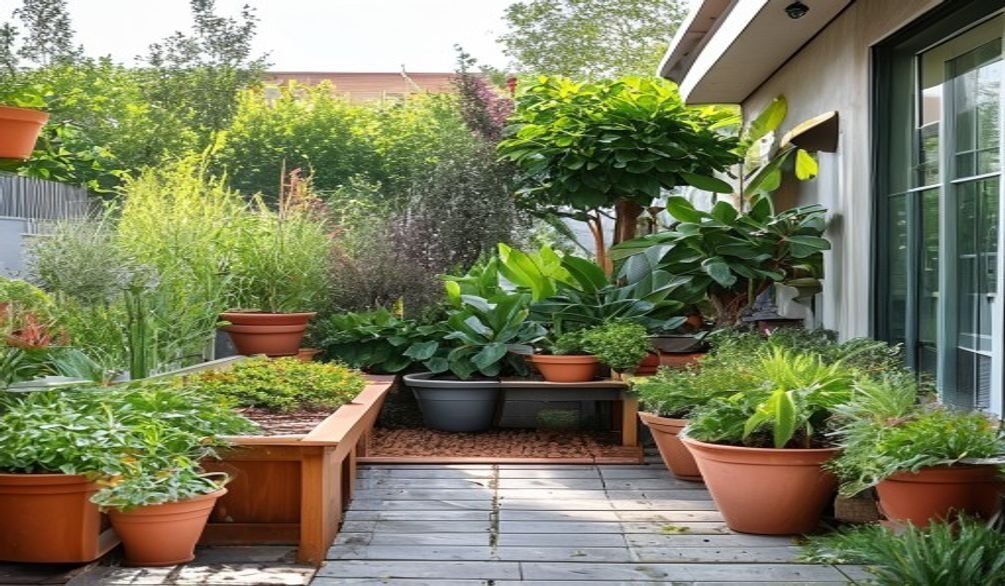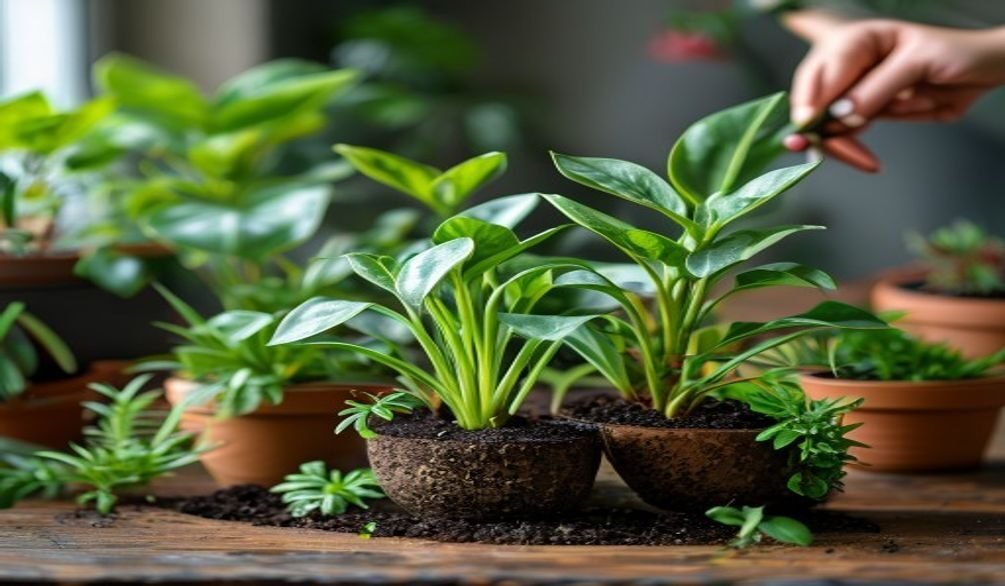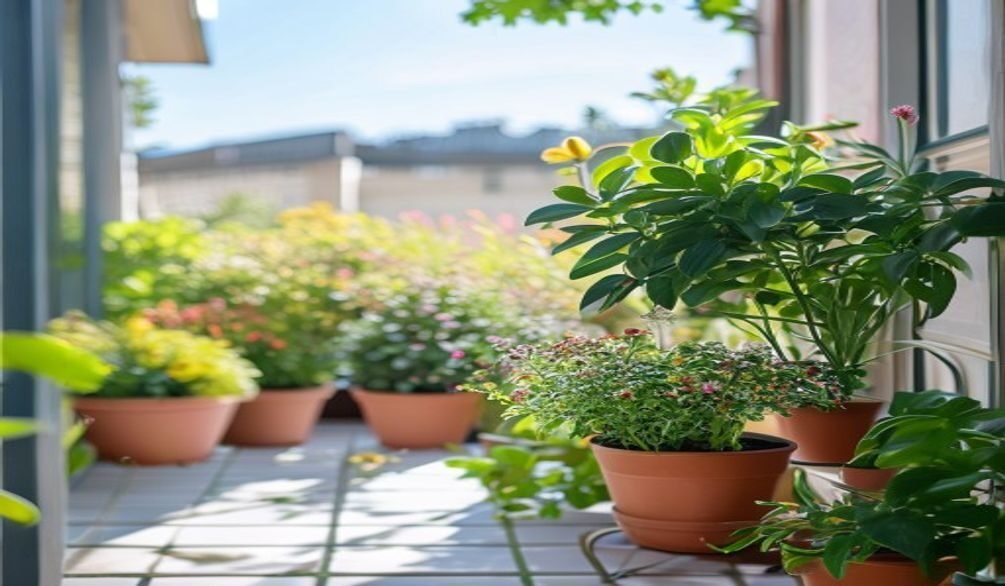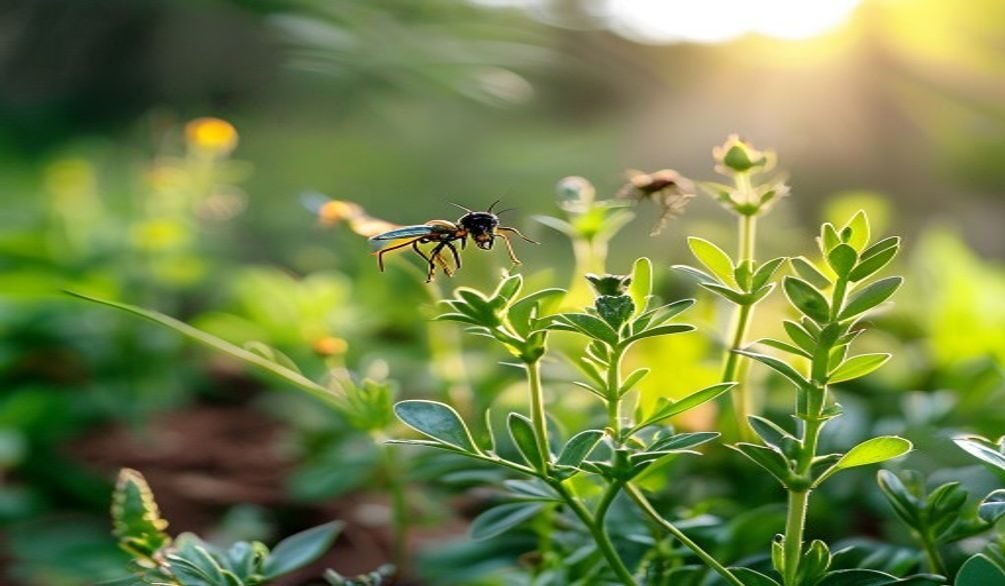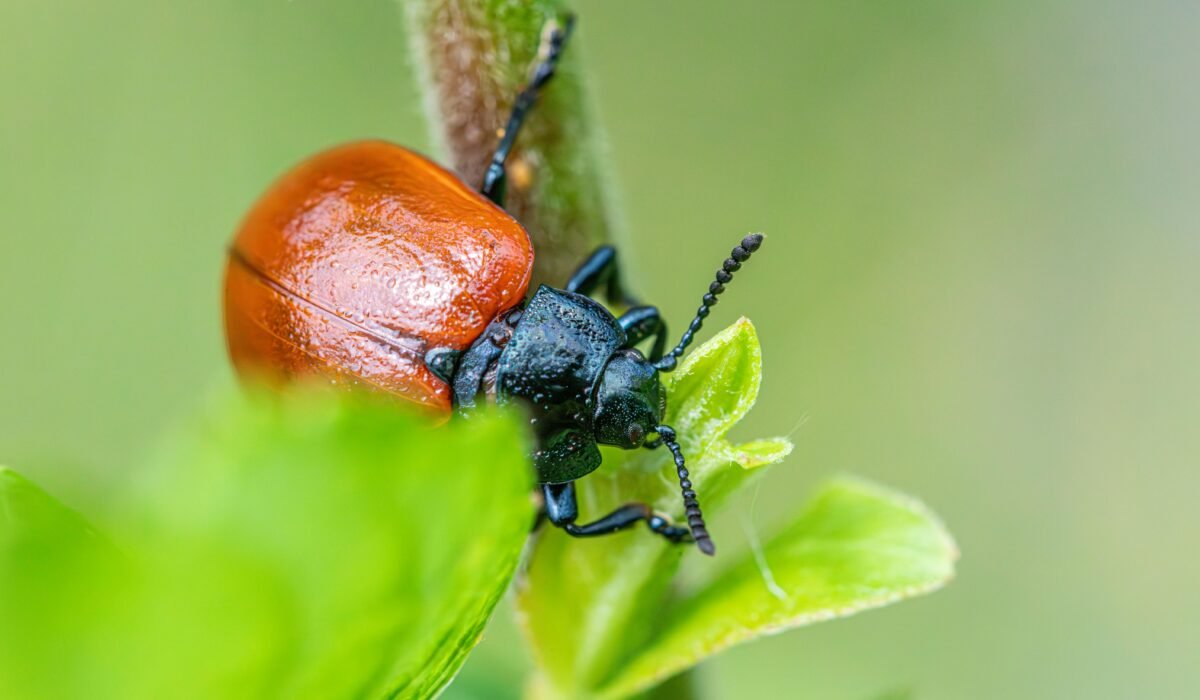
Living in a small urban space doesn’t mean you have to compromise on a thriving garden, but it does introduce unique challenges when it comes to keeping pests at bay. If you’re struggling to maintain a healthy, pest-free balcony garden using natural methods, you’ve come to the right place. This guide will equip you with effective, eco-friendly strategies for balcony garden natural pest control, ensuring your container plants flourish without harsh chemicals.
Why Balcony Gardens Face Unique Pest Challenges
Balcony gardens, while incredibly rewarding, often present a distinct set of pest management hurdles that differ from traditional ground gardens. These small, contained environments create unique microclimates and dynamics that can make your plants more susceptible to infestations. What most people miss is how quickly pests can take hold in such close quarters.
Limited air circulation is a major factor, as it can create humid conditions that pests like spider mites and powdery mildew thrive in. The “heat island” effect common in urban areas also stresses plants, making them weaker and more attractive to opportunistic insects. Furthermore, the proximity to your living space means you often need safe pest sprays for edible balcony plants and solutions that won’t irritate pets or people indoors.
Early Detection: Spotting Pests in Your Balcony Garden
Catching pests early is perhaps the single most crucial step for effective balcony garden natural pest control. In a small space, an infestation can escalate rapidly, moving from one container to the next before you even realize it. As entomologist Marcus Griswold of Your Bugs Club states, “When you catch pests early, you can slow or halt their reproduction.”
Regular, close-up inspections are your best defense. Dedicate a few minutes each day to examining the undersides of leaves, new growth, and the soil surface. Look for tell-tale signs like tiny moving specks (aphids on balcony herbs or spider mites), sticky residue (honeydew from aphids), tiny white moths (whiteflies), or even small holes in foliage. Tammy Sons, founder and CEO of TN Nursery, suggests a clever trick: “You can also tap foliage over white paper or use sticky cards to check for small flying insects like whiteflies.” Early detection of fungus gnats container plants, for instance, can prevent a larger problem.
Common Balcony Pests and Their Signs
Knowing what to look for makes all the difference. Here are some of the usual suspects you might encounter:
- Aphids: Small, pear-shaped insects, often green, black, or red, clustered on new growth or undersides of leaves. They leave a sticky residue called honeydew.
- Spider Mites: Tiny, almost microscopic pests that create fine webbing, especially on leaf undersides. Leaves may appear stippled or discolored.
- Whiteflies: Small, white, moth-like insects that fly up in a cloud when disturbed. They also produce honeydew.
- Fungus Gnats: Small, dark, mosquito-like flies that hover around the soil surface. Their larvae feed on plant roots in moist soil.
- Mealybugs: White, cottony masses found on stems and leaf axils, sucking plant sap.
Natural Pest Control for Balcony Gardens: DIY Solutions
Once you’ve identified a pest problem, the next step is to act quickly with organic pest control. Fortunately, there are many effective, eco-friendly pest solutions you can prepare and apply right from your balcony. These methods are designed to be safe for your plants, your family, and the environment.
Homemade Insecticidal Sprays
These sprays are your first line of defense against many common soft-bodied pests. Always test any new spray on a small section of a plant first to ensure there’s no adverse reaction.
- Insecticidal Soap Recipe: Effective against aphids, whiteflies, and spider mites by dehydrating them.
- Mix 1-2 tablespoons of mild liquid soap (like Castile soap, avoid dish detergents with degreasers) with 1 gallon of water.
- Spray directly onto affected plants, ensuring thorough coverage, especially on leaf undersides.
- Reapply every 5-7 days as needed until the pests are gone. Safer® Brand Insect Killing Soap is a recognized commercial option if you prefer not to DIY.
- Neem Oil Spray: A powerful, multi-purpose organic pesticide derived from the neem tree. It works as an anti-feedant, repellent, and growth disruptor, effective against aphids, spider mites natural remedy, and whiteflies.
- Mix 1-2 tablespoons of 100% cold-pressed neem oil with 1 gallon of water and a teaspoon of mild liquid soap (as an emulsifier).
- Shake well and spray thoroughly, coating all plant surfaces.
- Apply in the evening or on a cloudy day to avoid leaf burn. Bonide Captain Jack’s Neem Oil is a popular brand.
- Garlic Spray: The strong odor of garlic repels aphids, whiteflies, beetles, and caterpillars.
- Blend 6-8 garlic cloves with 1 quart of water. Let it sit for a few hours, then strain.
- Add 1 teaspoon of mild liquid soap to the strained liquid. Dilute with another quart of water before spraying.
- Cayenne Pepper Spray: Deters mites, aphids, and beetles.
- Blend 2 tablespoons of cayenne pepper (or a few hot peppers) with 2-3 garlic cloves and 1 quart of water. Let steep, then strain.
- Add 1 teaspoon of mild liquid soap. Dilute with water as needed.
- Baking Soda Spray (for fungal issues): Primarily for powdery mildew prevention, but a healthy plant is more pest-resistant.
- Combine 1 tablespoon baking soda, 1 tablespoon vegetable oil, 1 tablespoon mild dish soap, and 1 gallon of water.
- Spray weekly as a preventative.
Physical and Mechanical Controls
Sometimes, the simplest solutions are the most effective, especially for how to get rid of aphids on balcony herbs.
- Hand-picking: For larger pests like caterpillars or slugs, simply pick them off and dispose of them.
- Water Blast: A strong stream of water can dislodge aphids and spider mites. Just be gentle with delicate plants.
- Sticky Traps: Yellow sticky traps are excellent for catching flying insects like fungus gnats, whiteflies, and thrips, providing both control and an indicator of pest presence.
- Diatomaceous Earth (DE): This fine, natural powder is made from fossilized diatoms. When sprinkled on soil or plant surfaces, it dehydrates slugs, snails, beetles, and other bugs on contact. It’s generally considered safe for pets and children.
Attracting Beneficial Insects to Small Urban Spaces
One of the most powerful organic pest control methods involves inviting nature’s own pest patrol. Attracting beneficial insects urban garden settings can be challenging due to limited space and urban conditions, but it’s far from impossible. These tiny allies are key to a balanced ecosystem and can significantly reduce pest populations, making them a cornerstone of any integrated pest management strategy. Oldfield, from a family-owned nursery, encourages gardeners to “focus on plants that already thrive naturally in the region that benefit the local wildlife.”
Plants That Attract Beneficials
Even in containers, you can create a welcoming habitat. Focus on small, nectar-rich flowering plants that fit well in pots:
- Dill, Fennel, Cilantro: When allowed to flower, these herbs attract lacewings and parasitic wasps, which prey on aphids and caterpillars.
- Sweet Alyssum: Its tiny flowers provide nectar for parasitic wasps and hoverflies.
- Marigolds: While primarily known for repelling pests, some varieties can also attract beneficials.
- Cosmos and Zinnias (dwarf varieties): Their open flowers are accessible to ladybugs and lacewings.
Other Strategies for Small Spaces
* Provide Water: A shallow dish of water with pebbles for landing spots can attract beneficials, especially in hot urban environments.
* Avoid Broad-Spectrum Sprays: Even natural sprays can harm beneficial insects. Use targeted treatments whenever possible.
* Consider Purchasing Beneficials: For a quick boost, you can purchase ladybugs or lacewing larvae online. Release them in the evening when temperatures are cooler, and consider misting your plants lightly beforehand to encourage them to stay.
Companion Planting for Pest Prevention in Containers
Companion planting balcony style is an ingenious, space-saving strategy that leverages natural plant interactions to deter pests. By carefully arranging certain plants together, you can create a miniature ecosystem where plants protect each other from common invaders. This is a fantastic way to achieve organic pest control for container vegetables.
Different plants offer various benefits: some release compounds that repel specific pests, others mask the scent of vulnerable plants, and some act as “trap crops” by luring pests away from your prized edibles. For more in-depth ideas, check out our guide on Balcony Garden Companion Planting.
Effective Companion Plant Pairings for Balconies
Here are some proven combinations for your containers:
- Marigolds: French Marigolds are renowned for repelling nematodes and also deter aphids and beetles. Plant them near almost any vegetable or herb.
- Basil: A fantastic companion for tomatoes, basil helps repel whiteflies, mosquitoes, flies, and thrips.
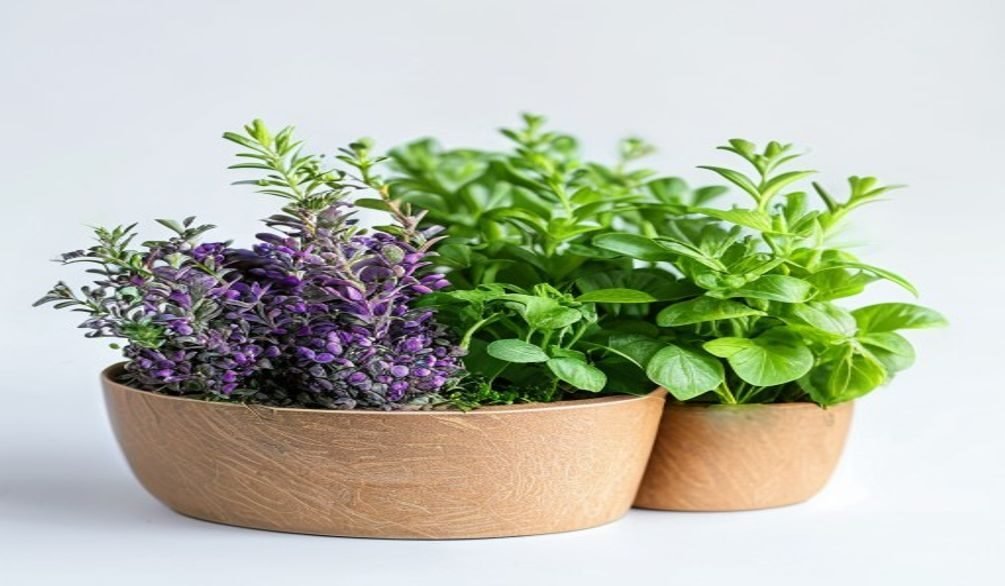
- Mint/Lavender: Mint (best kept in its own pot due to its vigorous growth) deters ants and aphids. Lavender is excellent for repelling moths and fleas.
- Allium Family (Onions, Garlic, Chives): These plants emit sulfur compounds that mask the scent of nearby host plants, confusing pests like cabbage moths, Japanese beetles, and aphids. Grow chives alongside carrots or roses.
- Nasturtiums: These vibrant flowers can act as a sacrificial trap crop for aphids and squash bugs, drawing them away from your main plants.
How to Prevent Fungus Gnats in Balcony Container Soil
Fungus gnats are a common nuisance for balcony gardeners, especially with container plants. These small, dark flies hover around the soil, and their larvae can damage delicate roots if populations get out of control. Preventing fungus gnats in balcony planters primarily revolves around managing moisture.
The core issue is usually overwatering. Fungus gnat larvae thrive in consistently moist soil, feeding on fungi and decaying organic matter. “Healthy soil leads to healthy plants, which are naturally more resistant to pests,” reminds us of the importance of good soil practices.
Key Prevention Strategies for Fungus Gnats
1. Improve Drainage: Ensure your pots have adequate drainage holes and use a well-draining potting mix. Avoid letting pots sit in standing water. Consider our guide on Terrace Garden Drainage Solutions for more tips on preventing waterlogging.
2. Allow Soil to Dry: Let the top 1-2 inches of soil dry out completely between waterings. This eliminates the moist breeding ground for fungus gnats.
3. Bottom Watering: Water your plants from the bottom by placing the pot in a tray of water. This allows the plant to absorb what it needs while keeping the topsoil dry.
4. Top Dressing: Add a layer of sand, fine gravel, or diatomaceous earth to the top of the soil. This creates a dry barrier that adult gnats cannot penetrate to lay eggs.
5. Yellow Sticky Traps: Place these near your plants to catch adult fungus gnats, reducing the breeding population.
6. Beneficial Nematodes: For a biological approach, introduce beneficial nematodes (specifically *Steinernema feltiae*) to the soil. These microscopic worms prey on fungus gnat larvae. Rove beetles (*Atheta coriaria*) and predatory mites (*Stratiolaelaps scimitus*) are also effective if applied early.
Integrated Pest Management: A Holistic Approach for Balconies
Integrated Pest Management (IPM) is not just a buzzword; it’s a strategic, holistic approach to pest control that is particularly well-suited for the unique constraints of balcony gardening. Instead of reaching for a quick chemical fix, IPM focuses on long-term prevention and combining various tactics to manage pests sustainably. “The best, most effective, least toxic method to treat pests… is to use the Integrated Pest Management (IPM) technique,” according to experts. IPM principles involve setting action thresholds, monitoring and identifying pests, focusing on prevention, and using lower-risk products first.
For small urban gardens, IPM means understanding the specific dynamics of your space. It’s about proactive care, not just reactive spraying. Luke Hammond, expert gardener at Seedtime, advises, “Think management of the problem, not eradication right away.” This philosophy is key to maintaining a healthy, balanced balcony ecosystem.
Key Principles of IPM for Balcony Gardens
1. Cultural Practices: Start with strong, healthy plants. This means using good quality potting mix, providing adequate light (see our Indoor Plant Light Requirements guide for indoor-friendly tips), proper watering, and appropriate fertilization. Healthy plants are naturally more resistant to pests.
2. Monitoring & Identification: As discussed, regular inspection and accurate pest identification are paramount. Know what you’re up against before you act.
3. Physical & Mechanical Controls: Employ methods like hand-picking, water sprays, sticky traps, and protective netting. These are often the first line of defense in IPM.
4. Biological Controls: Introduce or encourage beneficial insects. This is where attracting beneficial insects urban garden becomes critical.
5. Chemical Controls (Last Resort, Natural Options): If other methods aren’t sufficient, use targeted, natural pest sprays like neem oil spray or insecticidal soap recipe. Always apply these responsibly and only when necessary. University extension services widely advocate for IPM as the most effective and least toxic method.
IPM shows an average efficacy of around 70%, making it a highly reliable strategy. By integrating these principles, you create a resilient balcony garden that can largely defend itself against common pests.
Frequently Asked Questions
What causes fungus gnats in container soil?
Fungus gnats are primarily attracted to and breed in consistently moist potting soil, especially soil rich in organic matter. Overwatering is the most common cause, as it creates the damp environment their larvae need to thrive by feeding on fungi and decaying plant material in the soil. Allowing the top layer of soil to dry out between waterings is crucial for prevention.
Can I use bug spray on my balcony vegetable plants?
While some bug sprays are safe for edible plants, it’s crucial to use only those specifically labeled for food crops and apply them according to instructions. For balcony vegetable gardens, prioritize natural solutions like neem oil spray, insecticidal soap, or companion planting. These eco-friendly pest solutions minimize chemical exposure, making your produce safer to eat.
How do I keep bugs off my balcony plants naturally?
Keeping bugs off balcony plants naturally involves a multi-pronged approach: practicing good plant hygiene, using natural deterrents like companion planting, and employing physical barriers such as sticky traps. Regularly inspecting plants for early signs of pests and applying homemade natural sprays like insecticidal soap or neem oil can also effectively manage infestations. Attracting beneficial insects to your urban garden is another excellent long-term strategy.
What is the most effective natural garden pest control?
The most effective natural garden pest control is often a combination of strategies, rather than a single solution, embodied by Integrated Pest Management (IPM). This holistic approach includes using healthy soil and plants, early detection, physical removal, companion planting, attracting beneficial insects, and targeted application of organic pest control sprays like neem oil or insecticidal soap as a last resort. This integrated method provides comprehensive and sustainable protection.
You don’t need a sprawling backyard to enjoy a vibrant, pest-free garden. By understanding the unique challenges of small spaces and consistently applying these natural, eco-friendly pest solutions, you can cultivate a thriving balcony oasis. Start implementing these strategies today, and watch your container plants flourish, naturally protected from unwanted invaders.