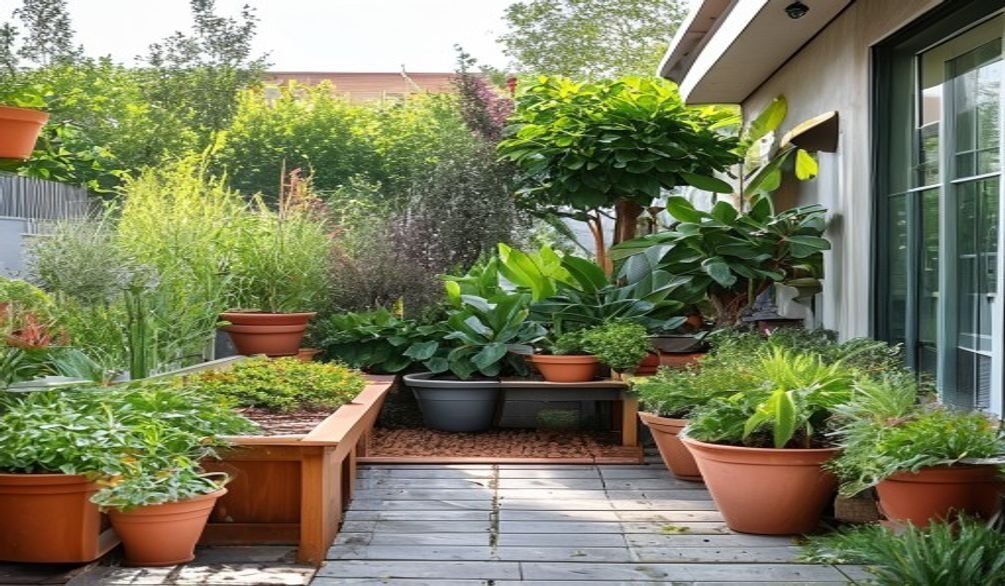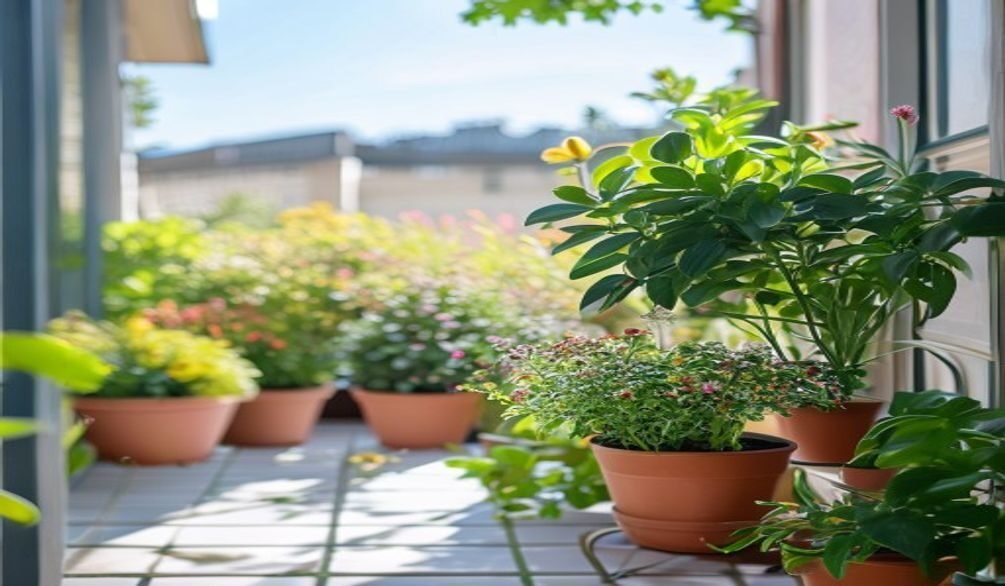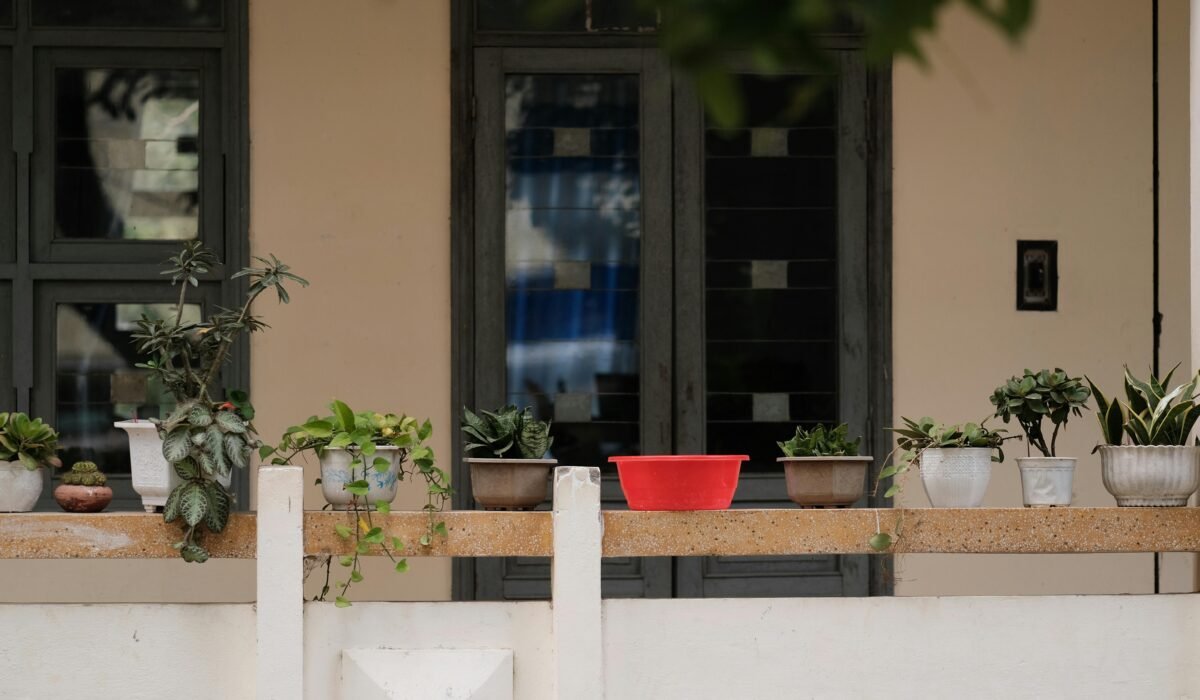
Transforming your small outdoor space into a thriving edible oasis is entirely possible with smart strategies like balcony garden companion planting. If you’re struggling with limited space, persistent pests, or plants that just don’t seem to flourish, this powerful technique can revolutionize your container gardening efforts. This guide will walk you through optimizing every inch of your balcony, boosting plant growth, and naturally deterring unwanted pests, ensuring a more productive and enjoyable gardening experience.
What is Balcony Garden Companion Planting & Why Does it Work?
Balcony garden companion planting is the strategic practice of growing specific plants together in containers to create a mutually beneficial environment. This isn’t just a gardening “hack”; it’s a legitimate horticultural practice rooted in ecological principles, as recognized by Washington State University (WSU) Extension Publications. The core idea is that certain plant pairings can enhance each other’s growth, protect against pests, and even improve flavor.
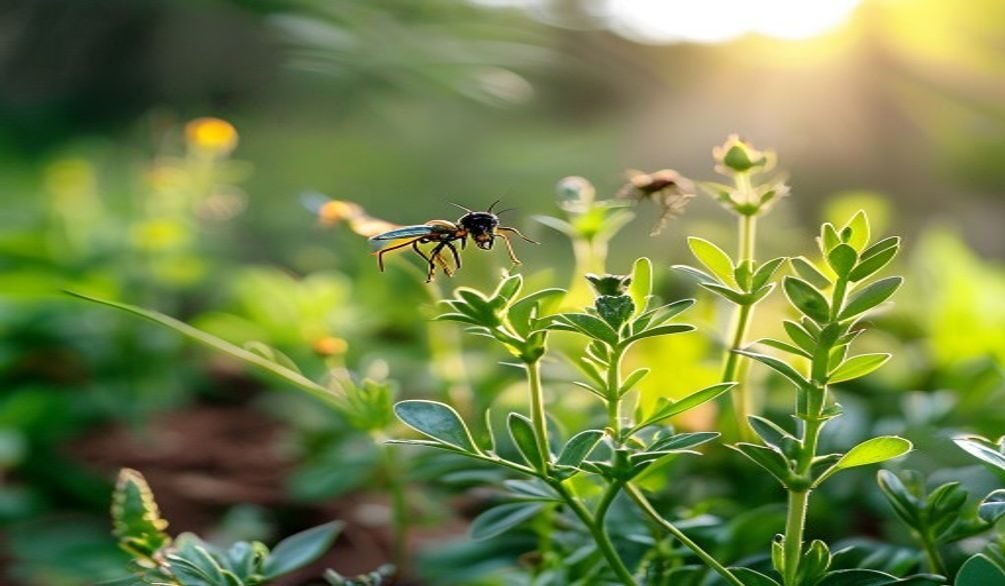
The magic happens through various mechanisms. Some plants release natural chemicals that repel harmful insects, acting as a form of pest deterrence. Others attract beneficial insects, like ladybugs and predatory wasps, which then prey on common garden pests. For instance, Melanie Rekola, a certified horticulturist, highlights how choosing fragrant companion plants naturally deters pests from your crops.
Beyond pest control, companion planting contributes to growth enhancement by improving nutrient cycling in the soil, providing structural support, or creating favorable microclimates. Certain legumes, for example, fix nitrogen in the soil, a vital nutrient for neighboring plants. Flowering companions also play a crucial role in attracting pollinators, which can make your vegetable garden up to 30% more productive, according to studies.
Ultimately, this approach allows you to achieve organic pest control, reduce the need for synthetic fertilizers, and foster healthier, more resilient plants right on your balcony.
The Unique Challenges & Science of Container Companion Planting
While the principles of companion planting are universal, applying them in a container gardening setting introduces unique considerations. Unlike in-ground gardens where roots can spread freely, pots present confined environments with limited space, nutrients, and water. This means careful planning is paramount to avoid detrimental root competition solutions and ensure harmonious coexistence.
Why Potting Mix Changes Everything in Containers
The science behind container companion planting delves into how plants interact within a finite volume of potting mix. Potting mixes differ significantly from garden soil; they are designed for drainage and aeration, but their nutrient reserves are limited. This impacts nutrient cycling, as plants quickly deplete available resources, requiring more frequent feeding or the strategic use of nutrient-fixing companions.
Water retention is another critical factor. Different plants have varying water needs, and pairing a water-guzzler with a drought-tolerant plant in the same pot can lead to one thriving while the other struggles. Furthermore, plants create subtle microclimates for plants within a container; a taller plant might provide beneficial shade to a smaller, more sensitive companion, or conversely, cast too much shade, stunting its growth.
Solving Root Competition and Resource Management
To overcome these challenges, the University of California Cooperative Extension suggests a “thriller, filler, spiller” design, where plants occupy different soil zones. This tiered approach, often used in ornamental containers, effectively addresses root competition solutions by pairing plants with complementary root depths. For container companion planting to truly work, three things must align: identical watering schedules, complementary root depths, and matching light needs. This ensures each plant receives adequate resources without overpowering its neighbor.
Understanding these unique dynamics is key to successful small space gardening. It’s not just about putting plants next to each other; it’s about engineering a mini-ecosystem tailored for optimal soil health in pots and maximal yield. For more detailed guidance on growing in containers, you might find our guide on Grow Organic Vegetables in Containers: A Complete Guide helpful.
Best Companion Plants for a Thriving Balcony Garden
When selecting companion plants for your balcony, prioritize those that offer multiple benefits in a compact form. The goal is to maximize your harvest and minimize issues in your limited small space gardening environment. Many herbs and flowers are particularly effective for balcony vegetable garden companion planting due to their potent aromas and ability to attract beneficial insects.
Multi-Functional Powerhouses for Pest Deterrence and Growth
- Marigolds (Tagetes spp.): These vibrant flowers are superstars for pest deterrence. They are known to release chemicals from their root systems that are suppressive to nematodes, microscopic worms that damage plant roots. Marigolds also repel common pests like beetles and aphids.
- Nasturtiums: A fantastic trap crop, nasturtiums lure aphids away from your prized vegetables. Their edible leaves and flowers also add a peppery kick to salads, offering dual utility.
- Borage: Known to attract pollinators like bees, borage can significantly boost the productivity of fruiting plants. It’s also believed to improve the flavor of tomatoes and deter tomato hornworms.
- Calendula: These cheerful flowers attract beneficial insects such as hoverflies and ladybugs, which are natural predators of aphids.
- Bush Beans: As legumes, bush beans are natural nitrogen fixers, enriching the soil for heavy feeders like strawberries or corn (if you’re attempting a scaled-down “Three Sisters” approach).
Attracting pollinators through flowering companion plants can make a vegetable garden up to 30% more productive. Herbs and flowers like rosemary, basil, calendula, zinnias, snapdragons, sunflowers, mint, borage, marigolds, and cosmos are all excellent choices for this purpose. By strategically placing these plants, you create a more resilient and productive balcony garden, naturally enhancing growth and reducing pest pressure.
Smart Herb Pairings for Companion Planting in Pots
Herbs are exceptionally versatile companions in a container garden, offering potent aromas for pest deterrence, attracting beneficial insects, and providing culinary benefits. When considering companion planting for container herbs, think about their growth habits and shared needs.
Herbs That Work Wonders Together
- Basil: This popular herb is a fantastic partner for many vegetables. Melanie Rekola specifically notes that basil repels certain insects that eat tomato plants and also improves their flavor. It also pairs well with peppers.
- Mint: While mint is an excellent pest deterrent, repelling aphids and ants, it’s notoriously vigorous. Plant mint in its own pot or a dedicated section within a larger container with a root barrier to prevent it from taking over.
- Chives: A member of the onion family, chives deter carrot flies and aphids, making them a great companion for carrots or lettuce. Their subtle oniony scent provides good pest deterrence.
- Rosemary: This fragrant herb can deter cabbage moths and bean beetles. It’s relatively drought-tolerant once established, so pair it with other plants that prefer similar conditions.
- Parsley: Often overlooked, parsley attracts beneficial predatory wasps and hoverflies. It’s a good “filler” plant in larger containers, providing ground cover and helping to retain soil moisture.
Beyond pest control, many herb pairings contribute to flavor enhancement in neighboring vegetables. The volatile oils in herbs can subtly influence the taste of fruits and vegetables grown nearby. For example, the classic combination of tomatoes and basil is not just about pest deterrence; many gardeners swear it makes tomatoes taste better. For insights into creating the ideal growing medium for your herbal companions, explore our guide on the Best Soil for Thriving Herb Gardens: Expert Guide.
Specific Balcony Garden Combinations: Tomatoes, Peppers & More
Moving beyond general principles, let’s explore some proven balcony vegetable garden companion planting combinations that thrive in containers. These specific pairings address common challenges like pest management and maximizing yield in limited spaces.
Proven Trios for Potted Success
- Tomato + Basil + Lettuce: This is a celebrated trio for an 18-inch (5-gallon) pot, often cited by the University of California Cooperative Extension. The tomato acts as the “thriller,” basil as the “filler,” and lettuce as the “spiller.” Basil effectively deters common tomato pests, and lettuce, being a fast-growing crop, can be harvested early, giving the tomato more root space as it matures. LSU AgCenter trials have shown varieties like Italian Ice, Patio Princess, and Health Kick to be top producers in 3-gallon pots, indicating compact tomato varieties are ideal for this setup.
- Pepper + Basil + Parsley: For a 14-inch (3-5 gallon) pot, this combination works well, especially for balconies with 4-6 hours of sun. All three plants tolerate partial shade better than tomatoes. Basil offers pest deterrence for peppers, while parsley acts as a ground cover and attracts beneficial insects.
- Strawberry + Bush Bean + Nasturtium: Ideal for a hanging basket or a 7-gallon tub. Bush beans fix nitrogen, a crucial nutrient for strawberries, boosting their growth. Nasturtiums serve as a sacrificial “trap crop” for aphids, drawing them away from your strawberry plants. Plus, both the nasturtium flowers and leaves are edible!
- Carrot + Onion (or Leek) + Chives: A great pest management combination for a 12-inch deep pot. The strong scent of onions, leeks, or chives effectively deters carrot flies. For carrots, opt for short-rooted varieties like ‘Thumbelina’ or ‘Little Finger’ to suit container depths.
Even the traditional “Three Sisters” method (corn, beans, squash) can inspire larger container or raised bed designs on a spacious balcony. While not a direct pot-to-pot pairing, the principle of corn providing support, beans fixing nitrogen, and squash shading the soil demonstrates ingenious plant relationships for maximizing yield. For issues like blossom end rot, which can affect tomatoes and peppers in containers, understanding nutrient management is key. Our article on Blossom End Rot Treatment: Fix Tomatoes & Peppers offers further insights.
Advanced Strategies: Maximizing Yield in Small Balcony Spaces
Once you’ve mastered basic pairings, delve into more sophisticated techniques to truly optimize your small space gardening for maximum output. The goal is to make every square inch and every vertical plane count, transforming your balcony into a highly productive micro-farm.
Beyond Basic Pairings: Layering and Succession
One advanced strategy is successional companion planting. This involves planting fast-growing, shallow-rooted crops like radishes or lettuce with slower, larger plants that will eventually overshadow them. By the time the larger plant needs more space, the quicker crop has already been harvested. This allows you to get multiple yields from the same container throughout the growing season.
Another powerful technique is integrating vertical elements. Consider using trellises or stakes for climbing plants like cucumbers, pole beans, or smaller vining tomatoes. You can then plant shorter companions at their base, utilizing different vertical layers of the same container. This approach cleverly manages root competition solutions by having plants occupy distinct zones within the pot, both horizontally and vertically.
Thinking about microclimates for plants in your containers can also be an advanced strategy. Taller plants can provide beneficial afternoon shade for more delicate, heat-sensitive companions during intense summer sun, extending their growing season. Conversely, ensure smaller plants aren’t completely overshadowed if they need full sun.
Cory Tanner, Director of Clemson University’s Horticulture Program Team, wisely advises: “Experiment with different combinations and make notes of what works. Think beyond just the plants; soil health in pots has a huge effect on crop success in the garden.” This emphasizes the importance of observation and continuous learning.
The success of gardeners like Cheng Yee and Kevin, who grow a surprising array of food on their 8-square-meter Melbourne balcony, proves that with thoughtful planning and advanced strategies, a small balcony can yield an abundant harvest. For vertical gardening inspiration, our Drip Irrigation for Vertical Garden: Setup Guide can provide valuable insights.
What Plants Should Not Be Planted Together in Containers?
Just as some plants thrive together, others are incompatible and can hinder each other’s growth, especially in the confined environment of a container. Understanding these antagonistic relationships is as crucial as knowing the beneficial ones for successful balcony garden companion planting.
Incompatible Pairings to Avoid in Pots
The primary reasons for incompatibility in containers include differing water and nutrient needs, allelopathy (where one plant releases chemicals harmful to another), and attracting the same pests or diseases. Here are some common pairings to avoid:
- Fennel: This herb is a notorious growth inhibitor, releasing compounds that can stunt the growth of many neighboring plants, including tomatoes, beans, and peppers. It’s best grown in its own dedicated pot.
- Mint (uncontained): While beneficial for pest deterrence, mint is extremely invasive. If not planted in a separate container or with a strong root barrier, it will quickly outcompete and choke out other plants, dominating the limited soil health in pots.
- Brassicas (Cabbage, Broccoli, Kale) & Strawberries: Brassicas can release substances that inhibit strawberry growth. They also tend to attract similar pests, making them less ideal companions in a small space.
- Onions/Garlic & Beans/Peas: The allium family (onions, garlic, chives, leeks) can inhibit the growth of beans and peas. While chives are good with carrots, avoid planting stronger alliums directly with legumes.
- Potatoes & Tomatoes/Peppers: These are all members of the nightshade family and are susceptible to similar diseases and pests, such as blight. Planting them together in close proximity, especially in a container, increases the risk of disease transmission.
When selecting plants for your balcony, always consider their individual requirements for light, water, and nutrients. Mismatched needs in a single pot will inevitably lead to stress and reduced yields for one or both plants, demonstrating the importance of managing root competition solutions carefully.
Tips for Successful Balcony Companion Planting
Achieving a flourishing balcony garden companion planting system requires attention to detail and consistent care. By following these practical tips, you can maximize your chances of success and enjoy a bountiful harvest from your container gardening efforts.
- Choose the Right Pot Size: Adequate pot size is crucial. As the University of California Cooperative Extension emphasizes, successful container companion planting requires matching root depths. Ensure your chosen container is large enough to accommodate the mature root systems of all companion plants without excessive crowding. For instance, a 5-gallon pot is generally recommended for a tomato trio.
- Match Water and Light Needs: This is perhaps the most critical factor. Group plants with similar requirements for sunlight exposure and watering frequency. A plant that loves consistent moisture won’t thrive next to one that prefers dry conditions. This prevents over or under-watering issues for specific plants.
- Use High-Quality Potting Mix: Good drainage and nutrient retention are vital in containers. A well-aerated, fertile potting mix will support healthy root development and nutrient availability. Remember, a combination of organic mulch and companion plants has been found to be more effective than companion planting alone in improving plant growth and productivity.
- Monitor Regularly for Pests: Even with the best companion planting, occasional pest flare-ups can occur. Inspect your plants regularly for signs of trouble. Early detection allows for targeted, natural pest control interventions before infestations become severe. For more strategies, check out our guide on Organic Pest Control Methods: Your Natural Garden Guide.
- Fertilize Thoughtfully: Container plants deplete nutrients faster than in-ground plants. Supplement with organic, balanced fertilizers as needed, paying attention to the specific requirements of your plant combinations.
- Prune and Harvest Regularly: Regular harvesting encourages more production and prevents plants from becoming leggy or stressed. Pruning can also improve air circulation, reducing the risk of fungal diseases, which is especially important in dense container plantings.
By implementing these tips, you create an optimized environment for your plants, ensuring their health and productivity while leveraging the power of natural pest control for potted plants.
Frequently Asked Questions
What are good companion plants for a balcony garden?
Excellent companion plants for a balcony garden include basil (with tomatoes/peppers), marigolds (for pest deterrence), nasturtiums (as a trap crop for aphids), bush beans (nitrogen fixers), and chives (repelling carrot flies). These choices are effective because they offer multiple benefits in small spaces, from deterring pests to attracting pollinators and improving soil health.
What herbs are good for companion planting in pots?
Many herbs excel in companion planting for pots. Basil improves tomato flavor and deters pests, mint repels insects (but needs containment), and chives deter carrot flies and aphids. Rosemary also helps repel cabbage moths, making herbs multi-functional additions to your container garden.
What is the best companion plant for tomatoes in a container?
The best companion plant for tomatoes in a container is often basil. It is renowned for deterring common tomato pests like hornworms and whiteflies, and many gardeners believe it enhances the flavor of the tomatoes themselves. Pairing tomatoes with lettuce as a “spiller” is also effective, as lettuce is harvested early, freeing up root space for the growing tomato.
What plants should not be planted together in a container?
In containers, avoid planting fennel with most vegetables, as it can inhibit growth. Mint should always be contained to prevent it from aggressively outcompeting other plants. Also, steer clear of planting brassicas (like cabbage) with strawberries, and strong alliums (onions, garlic) with beans or peas, as these pairings can hinder growth or attract shared pests.
Embracing balcony garden companion planting is one of the smartest moves you can make for your urban green space. By thoughtfully selecting plant partners, you can dramatically boost your harvest, keep pests at bay naturally, and cultivate a more resilient garden. Start experimenting with these proven combinations and strategies today, and watch your balcony transform into a thriving, productive oasis.