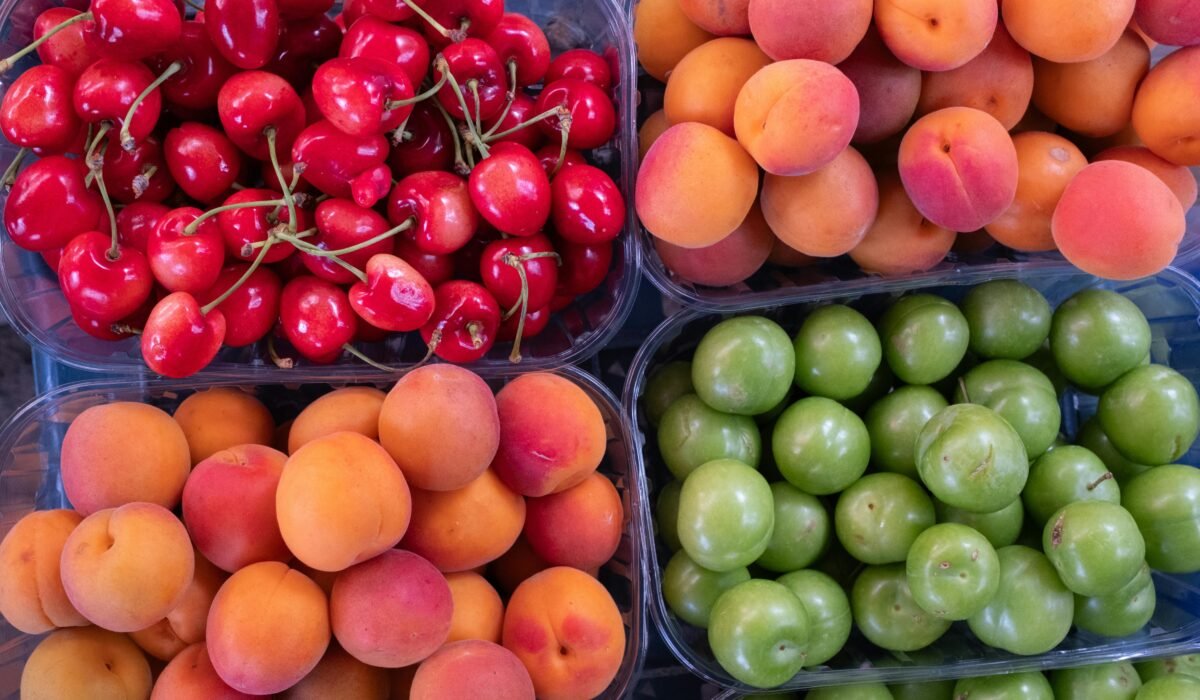
Dreaming of biting into a juicy, sun-ripened peach, plum, or cherry picked fresh from your own backyard? Learning how to grow peaches plums cherries can transform this dream into a delicious reality, providing not only fresh fruit but also beautiful spring blossoms and a rewarding gardening experience. This comprehensive guide will walk you through every step, ensuring your stone fruit trees thrive and yield abundant harvests.
What are Stone Fruits and Why Grow Them?
Stone fruits, botanically known as drupes, are characterized by a fleshy outer part surrounding a single, hard pit or “stone” that contains the seed. Peaches, plums, and cherries are prime examples of these delectable fruits, alongside apricots and nectarines. Growing your own stone fruits provides an unparalleled advantage: you get to enjoy varieties and flavors rarely found in grocery stores, picked at their peak ripeness.
Beyond the superior taste, cultivating these trees contributes to your home’s aesthetic with stunning spring blooms and offers a rewarding connection to nature. The global stone fruit market, valued at 15.95 USD Billion in 2024, is projected to grow significantly, reflecting their widespread appeal. What most people miss, however, is the profound satisfaction of harvesting fruit you’ve nurtured from a sapling.
Choosing the Best Stone Fruit Varieties for Your Climate & Garden
Selecting the right stone fruit varieties is crucial for success, as it directly impacts fruit production and disease resistance. Your local climate, particularly its winter temperatures and chilling hours, plays a significant role. Chilling hours refer to the total accumulated hours below 45°F (7°C) but above 32°F (0°C) that a tree needs to break dormancy and flower properly.
Understanding Chilling Hours and Climate Adaptation
Every stone fruit variety has a specific chilling hour requirement. Planting a variety with high chilling hour needs in a warm climate, or vice-versa, will result in poor fruiting. For instance, northern growers need high-chill varieties, while those in warmer regions require low-chill options. Natalie Bumgarner and David Lockwood from UT Hort emphasize that stone fruits are among the most challenging crops in Tennessee due to environmental challenges, underscoring the importance of climate-appropriate selection.
Beyond chilling hours, consider your region’s susceptibility to late spring frosts, which can damage delicate blossoms. Look for varieties known for later blooming if this is a concern. Drought resistance and heat tolerance are also increasingly important as climates become more unpredictable, a factor highlighted by USDA/FAS reports on crop losses due to severe weather.
Top Stone Fruit Varieties for Home Gardens
When considering stone fruit varieties, think about your space and desired outcome. For those wondering what are the easiest fruit trees to grow for beginners, certain varieties offer more resilience. Dwarf stone fruit trees are excellent choices for small gardens or container growing, providing fruit without requiring vast space.
- Peaches: ‘Contender Peach’ is highly recommended for its all-around disease resistance and cold hardiness, handling common issues like leaf curl. ‘Reliance’ and ‘Red Haven’ are also fan favorites known for robust performance in various climates.
- Plums: ‘Methley Plum’ is valued for its adaptability and low disease pressure. ‘Starking® Delicious Plum’ offers good resistance to bacterial leaf spot and canker. Some varieties like ‘AU Rosa’ and ‘AU Cherry’ may not require extensive spraying in certain regions, simplifying plum tree care.
- Cherries: For fewer disease challenges, ‘Stark® Montmorency Sour Cherry Tree’ is a smart choice. ‘North Star’ and ‘Meteor’ are naturally dwarf sour cherries that perform well, even in northern climates like New Hampshire.
Remember, for most stone fruits, you will need at least two compatible varieties for fruit tree pollination to occur and fruit to be produced. As UMN Extension notes, “Hybrid plums and apricots are self-incompatible, which means they require at least two different varieties located within about 100 yards of one another for pollination.” Check if your chosen varieties are self-fertile or require a pollinator.
How to Plant and Establish Your Stone Fruit Trees
Proper planting sets the stage for a healthy, productive life for your stone fruit trees. Timing is everything: plant bare-root trees in late winter or early spring while they are dormant. Container-grown trees can be planted any time of year, but spring or fall planting allows them to establish roots before extreme weather hits.
Site Selection and Soil Preparation
Choose a site that receives at least six to eight hours of direct sunlight daily. Excellent soil drainage is absolutely essential for growing healthy, productive trees. Dr. R. Keith Striegler, Extension Horticulturist, Arkansas Cooperative Extension Service, warns that “Soils with standing water or those that remain saturated for even a day or two following a heavy rain are unsuitable for stone fruit trees.” If your soil is heavy clay, consider planting on a raised mound or amending it with plenty of organic matter to improve drainage. You can also explore terrace garden drainage solutions for containers or raised beds.
Before planting, test your soil’s pH; stone fruits generally prefer a slightly acidic to neutral pH (6.0-7.0). Amend the soil as needed with compost or aged manure to enrich it and improve structure. This foundational work pays dividends in tree health.
Planting Steps
Follow these steps to give your new trees the best start:
- Dig a Wide Hole: Dig a hole that is twice as wide as the root ball and just as deep. The goal is to provide loose soil for roots to spread into.
- Inspect Roots: For bare-root trees, gently spread out the roots and trim any broken or girdling ones. For container trees, loosen any circling roots.
- Position the Tree: Place the tree in the center of the hole so the graft union (the swollen part where the scion meets the rootstock) is 2-4 inches above the soil line. Never bury the graft union.
- Backfill and Water: Backfill the hole with the original soil, gently tamping it down to remove air pockets. Water thoroughly to settle the soil around the roots.
- Mulch: Apply a 2-4 inch layer of organic mulch (wood chips, straw) around the base of the tree, keeping it a few inches away from the trunk to prevent rot. This conserves moisture and suppresses weeds.
- Support (If Needed): Young trees, especially those in windy areas, may benefit from staking for their first year to establish strong root systems.
Consider specific rootstocks like ‘Flordaguard’ for peaches if you have nematode issues in your soil, as these can offer resistance to specific pests.
Essential Care for Healthy Peaches, Plums, and Cherries
Consistent care is vital for robust growth and abundant fruit production. This includes watering, fertilizing, and protecting your trees from early threats. Peach tree care, plum tree care, and cherry tree care share many similarities but also have subtle differences.
Watering and Fertilizing
Young trees need regular watering to establish strong root systems. Water deeply and consistently, especially during dry spells. Aim for about 1 inch of water per week, either from rain or irrigation. Once established (after 2-3 years), trees can tolerate more drought but will still benefit from supplemental watering during prolonged dry periods, particularly when fruit is developing. A DIY drip irrigation system can be highly efficient for fruit trees.
Fertilize your stone fruit trees annually in early spring before new growth begins. Use a balanced slow-release fertilizer or an organic option like compost. Young trees benefit from higher nitrogen, while mature, fruiting trees need a more balanced approach. Avoid over-fertilizing, which can promote leafy growth at the expense of fruit and make trees more susceptible to pests. For organic growers, understanding organic composting secrets can provide nutrient-rich amendments.
Pollination Essentials
While some varieties are self-fertile, many stone fruits, especially plums and some cherries, require cross-pollination. This means you need at least two different, compatible varieties planted within about 100 feet of each other. A good stone fruit pollination guide will list compatible partners for your chosen trees. Bees and other pollinators are essential for this process, so avoid using broad-spectrum pesticides during bloom time.
Mastering Pruning Techniques for Abundant Harvests
Pruning is perhaps the most intimidating, yet most critical, aspect of stone fruit tree care. Proper pruning encourages fruit production, maintains tree health, and manages tree size. What most people miss is that pruning isn’t just about removing dead branches; it’s about shaping the tree for optimal light penetration and air circulation.
When to Prune Peach Trees, Plums, and Cherries
The timing of pruning varies slightly by fruit type:
- Peaches and Nectarines: Prune in late winter or early spring, just as buds begin to swell. This helps promote new growth, as peaches fruit only on one-year-old wood. Colorado State University Extension advises removing “one-half to two-thirds of the growth each spring” to balance fruit production and new wood growth.
- Plums: Prune plums in late winter or early spring, similar to peaches. However, if you’re battling plum tree diseases like bacterial canker, summer pruning (after harvest) can be beneficial to avoid spreading disease through fresh wounds.
- Cherries: Sour cherries (tart) are typically pruned in late winter or early spring. Sweet cherries benefit from summer pruning after harvest to reduce the risk of bacterial canker, which can enter through fresh cuts made during wet, cool weather. This also applies to cherry tree pruning for size management.
Key Pruning Goals and Techniques
The objective in annual pruning is to create an open structure that allows sunlight and air into the canopy, which is vital for fruit development and disease prevention. For peaches, the open-center (vase) system is most common, promoting outward growth and easy access for harvesting. Plums and cherries can be trained to an open-center or a central leader system, depending on the variety and your preference.
Here are the essential cuts:
- Remove Dead, Damaged, or Diseased Wood: Always the first step, regardless of the tree type.
- Remove Crossing or Rubbing Branches: These can create wounds where diseases enter.
- Thin Out Crowded Branches: Eliminate branches growing inward or too close together to improve air circulation and light penetration. This is crucial for preventing fungal diseases like brown rot.
- Head Back Branches: Shorten branches to encourage lateral branching and manage tree size. For peaches, you’ll be heading back a significant portion of the previous year’s growth to encourage new fruiting wood.
- Maintain Open Structure: Remove suckers (growth from the rootstock) and water sprouts (vigorous upright growth from branches).
For advanced pruning, consider espalier training for dwarf stone fruit trees in small spaces, which involves training branches horizontally along a support. This specialized technique maximizes fruit production in a compact form.
Organic Pest and Disease Management for Stone Fruits
Growing stone fruits organically means focusing on prevention and integrated strategies rather than relying on synthetic chemicals. This approach promotes a healthier ecosystem in your garden. Common issues include Codling Moth, Brown Rot, Peach Twig Borer, Plum Curculio, bacterial leaf spot, and cherry leaf spot. For a holistic approach, refer to our Organic Pest Control for Fruit Trees: Holistic Guide.
Preventative Measures and Cultural Practices
The best defense against pests and diseases is a healthy tree. Good sanitation is paramount: promptly remove fallen fruit and diseased leaves, as these can harbor pests and fungal spores. Ensure proper air circulation through intelligent pruning, as dense canopies create humid conditions favorable for diseases. Plant disease-resistant varieties like ‘Contender Peach’ or ‘Methley Plum’ to reduce your workload significantly.
Proper watering and fertilization also contribute to tree vigor, making them less susceptible to attack. Avoid overhead irrigation, which can wet foliage and encourage fungal diseases; opt for drip irrigation instead.
Organic Pest and Disease Control Tools
When issues arise, several organic pest control methods are effective. Here are some key strategies for organic stone fruit pest control:
- Dormant Oil: Applied in late winter before bud break, dormant oil smothers overwintering insect eggs and larvae (like San Jose Scale, Green Peach Aphid).
- Neem Oil: A broad-spectrum organic insecticide and fungicide that disrupts insect life cycles and can deter fungal growth.
- Beneficial Insects: Encourage natural predators like ladybugs, lacewings, and parasitic wasps by planting diverse flowering plants in your garden.
- Traps: Pheromone traps can monitor and disrupt mating cycles of pests like Codling Moth and Peach Twig Borer. Sticky traps can catch various flying insects.
- Organic Fungicides: Fixed copper fungicides can be used for peaches, nectarines, and plums at leaf fall to combat bacterial issues. Wettable sulfur is effective against diseases like brown rot and powdery mildew, often applied around petal fall.
- Physical Barriers: Netting can protect ripening fruit from birds and squirrels. Fruit bags can protect individual fruits from insect damage.
In practice, a detailed, growth-stage-by-growth-stage organic spray and management calendar, like those found in university extension guides, is invaluable for precise timing. For example, applying fixed copper in the fall and early spring can significantly reduce bacterial leaf spot. The University of Kentucky Plant Pathology offers excellent simplified spray guides for backyard stone fruit growers.
When and How to Harvest Your Delicious Stone Fruits
The ultimate reward for your hard work is a bountiful harvest of sweet, juicy stone fruits. Knowing precisely when and how to harvest your stone fruit is key to enjoying their best flavor and texture.
Ripeness Indicators for Peaches, Plums, and Cherries
Unlike some fruits that continue to ripen significantly off the tree, stone fruits develop their best flavor and sweetness when allowed to ripen fully on the branch. Here’s how to tell when your fruits are ready:
- Peaches: Look for a rich, uniform color (often yellow or orange, depending on the variety), with no green remaining. The fruit should feel slightly soft when gently squeezed and should easily detach from the branch with a slight twist. A sweet, peachy aroma is another strong indicator.
- Plums: Plums are ready when they achieve their full color (deep red, purple, or yellow) and feel soft to the touch. They should pull easily from the tree. Taste-testing a few is the best way to confirm peak ripeness.
- Cherries: Cherries are ready when they reach their full, vibrant color (deep red, dark purple, or bright yellow for Rainier types). They should be firm but plump and pull cleanly from the stem. Unlike other stone fruits, cherries do not ripen further once picked, so wait until they are fully ripe on the tree.
Harvesting stone fruit usually occurs over several weeks, as fruits on the same tree will ripen at different times. Check your trees every few days during the harvest season.
Harvesting Techniques and Storage
Handle your ripe stone fruits gently to avoid bruising, which can shorten their storage life. For peaches and plums, cup the fruit in your hand and gently twist or lift it until it separates from the branch. For cherries, grasp the stem and pull it from the branch, leaving the stem attached to the fruit; this helps them last longer.
Once harvested, stone fruits can be stored at room temperature for a few days to soften further if needed, then moved to the refrigerator to extend their freshness. They can also be frozen, canned, or dried for long-term storage, allowing you to enjoy your homegrown bounty year-round. Chile’s cherry production, for example, is projected to reach 730,000 metric tons by MY 2025/26, much of which is destined for export, showcasing the global demand for these fruits.
Frequently Asked Questions
What is the easiest stone fruit to grow?
While “easiest” can be subjective and climate-dependent, sour cherries like ‘Montmorency’ and certain plum varieties such as ‘Methley Plum’ are often cited as the easiest fruit trees to grow for beginners. They tend to be more disease-resistant and adaptable to a wider range of climates compared to peaches, which require more intensive care and pruning.
What are the best stone fruit trees for small gardens?
For small gardens, dwarf stone fruit trees are your best option. Varieties grafted onto dwarfing rootstocks or naturally compact selections like ‘North Star’ and ‘Meteor’ cherries are excellent choices. These trees typically grow to 6-10 feet tall and can even be grown in large containers, making them ideal for urban or patio settings.
How long does it take for stone fruit trees to bear fruit?
Most stone fruit trees begin bearing fruit within 2-4 years after planting, though this can vary by variety and growing conditions. Peaches and plums often produce fruit earliest, while some cherry varieties might take a bit longer. Expect a light crop initially, with production increasing significantly as the tree matures over subsequent years.
Do I need more than one tree for stone fruit pollination?
For most stone fruits, yes, you will need at least two different, compatible varieties planted within about 100 feet of each other for successful fruit tree pollination. While some varieties are self-fertile, cross-pollination generally leads to better yields. Always check the specific pollination requirements for your chosen peach, plum, or cherry tree varieties.
Growing your own peaches, plums, and cherries is an incredibly rewarding endeavor that connects you deeply to your food source. By understanding the specific needs of these trees, from selecting the right varieties to mastering pruning and organic pest control, you can cultivate a thriving home orchard. Now, armed with this complete guide, it’s time to choose your trees and embark on your own delicious journey of growing stone fruits.