Key Takeaways
- Urban landscapes support 43% fewer pollinator species than less urbanized areas, according to a 2025 study from the University of Sheffield.
- 34.7% of assessed native bee species in North America face extinction risk, as per a 2025 assessment in the Proceedings of the National Academy of Sciences.
- If every U.S. household planted one pollinator-friendly container, over 120 million new habitat plants would be created for native bees, says the U.S. Fish & Wildlife Service.
- Urban gardening has seen a 340% growth since 2020, with 43% of Americans now gardening at home, reports Kelly Parks (2025).
- Over one-third of gardeners prioritize creating plantings for pollinators and wildlife, according to the 2026 Axiom Gardening Outlook Study.
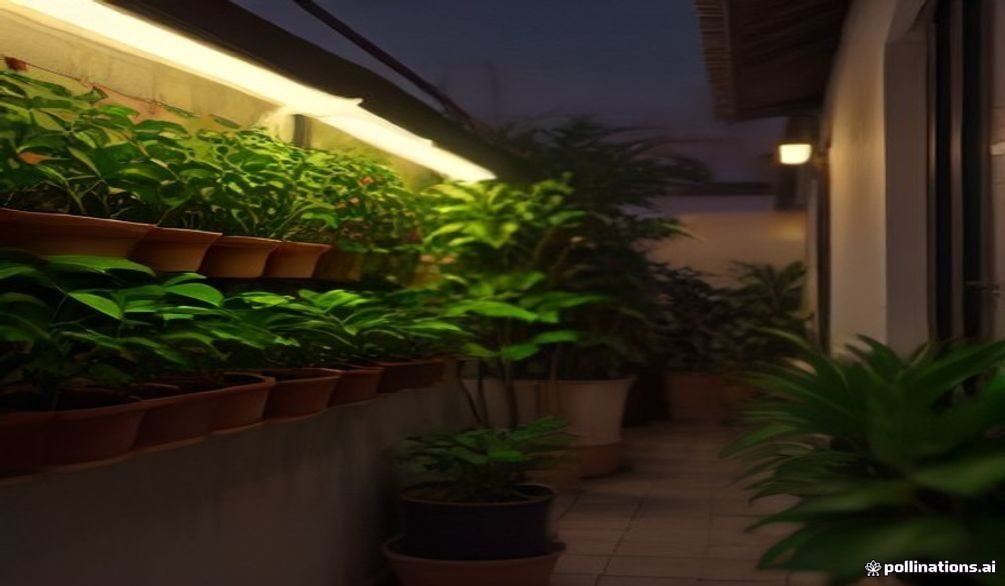
Want to create a thriving urban oasis? Discover inspiring **Balcony Pollinator Garden Ideas** to transform your small space into a vibrant habitat for essential pollinators. This guide will help you select the best plants, manage challenging microclimates, and sustain your mini-ecosystem year-round, proving that even a tiny balcony can make a big environmental difference.
Quick Answer: Create a thriving balcony pollinator garden in 2026 by planting diverse native, container-friendly species. Provide nectar, water, and shelter. This vital urban micro-ecosystem attracts bees and butterflies, boosting local biodiversity and harvests with organic care.
Why Your Balcony Needs a Pollinator Garden in 2026
Your balcony desperately needs a pollinator garden in 2026 because urban expansion leads to significant habitat loss, making every small green space crucial for insect survival. In fact, urban landscapes support 43% fewer pollinator species compared to less urbanized areas, with nocturnal moths and hoverflies being particularly sensitive to city life, according to a 2025 study from the University of Sheffield. Creating a **Balcony Pollinator Garden Ideas** becomes an act of conservation.
Pollinators, like bees and butterflies, are essential for the reproduction of up to 90% of wild flowering plant species and many of our food crops. Their decline directly threatens food systems and ecosystem stability, contributing over $15 billion annually to North American agriculture, as reported by the USDA (2025). When you plant a pollinator-friendly container, you’re not just adding beauty; you’re supporting life.
“Habitat loss is the main driver of pollinator decline, but we can help bring nature back by taking advantage of even the least conventional place for a garden: a balcony,” explains Amber Barnes of Pollinator Partnership. This insightful perspective highlights how accessible conservation truly is. Even small efforts, like dedicated **Balcony Pollinator Garden Ideas**, collectively make a huge impact.
The trend for urban gardening has soared, showing a remarkable 340% growth since 2020, with 43% of Americans now gardening at home – the highest level in 17 years, according to an October 2025 report by Kelly Parks. This widespread interest means more people are ready to explore **Balcony Pollinator Garden Ideas**. In major cities, 60% of people were gardening on balconies and terraces as of October 2025, underscoring the potential for these compact spaces.
What Attracts Pollinators to a Balcony Garden?
Pollinators are primarily attracted to a balcony garden by the presence of abundant nectar and pollen sources, readily available water, and safe shelter. Diverse flowering plants offering varied bloom times are key, ensuring a continuous food supply throughout the seasons for any successful **Balcony Pollinator Garden Ideas**.
They seek visual cues, like flower color and shape, as well as olfactory signals from plant fragrances. For instance, bees are particularly drawn to purple, blue, and yellow flowers, while butterflies often prefer red, orange, and yellow hues. Designing your **Balcony Pollinator Garden Ideas** with these preferences in mind significantly increases your chances of attracting these beneficial insects.
Beyond just food, pollinators need places to rest, escape predators, and lay eggs. These vital components of a healthy urban pollinator habitat often get overlooked. Simple additions like small flat stones, a shallow water dish with pebbles, or even leaving some spent plant stems can offer crucial resources.
Here’s what truly draws them in:
- Diverse Plantings: A mix of flower shapes, sizes, and colors provides nectar and pollen for different types of pollinators.
- Successional Blooms: Plants that flower from early spring through late autumn ensure a consistent food source.
- Native Species: Locally native plants are often the most effective because local pollinators have co-evolved with them.
- Water Source: A shallow dish with stones offers a safe place for bees and butterflies to drink without drowning.
- Shelter & Host Plants: Specific plants provide shelter from wind and rain, or serve as host plants for larval stages (e.g., milkweed for monarch caterpillars).
Consider incorporating host plants into your **Balcony Pollinator Garden Ideas** to support their entire lifecycle, not just adult feeding. This approach truly establishes an urban pollinator habitat.
Best Balcony Pollinator Plants for Containers in 2026
The best balcony pollinator plants for containers in 2026 are compact, resilient species that provide ample nectar and pollen, thrive in limited soil volume, and tolerate varied urban microclimates. Selecting native plants, where possible, maximizes ecological benefit for your **Balcony Pollinator Garden Ideas**.
For example, Proven Winners has unveiled a new collection of pollinator-friendly annuals for the 2026 season, specifically designed to meet gardener demand for robust container pollinator plants. My experience shows that these types of specially bred varieties can make a big difference in a small space.
When choosing plants for your **Balcony Pollinator Garden Ideas**, prioritize those labeled “dwarf pollinator plants” or those known for a long blooming season. You’ll want to ensure you have a continuous floral display.
Consider these top choices for your balcony bee garden in 2026:
- Dwarf Bee Balm (Monarda didyma ‘Petite Delight’, ‘Pardon My Purple’): These compact varieties are perfect for container pollinator plants, attracting bees and hummingbirds with their vibrant blooms and offering disease resistance.
- Dwarf Coneflower (Echinacea ‘Lilliput Dwarf’, ‘Prima Ginger’, ‘Pixie Meadowbrite’): Hardy and drought-tolerant, these bring brilliant color and attract butterflies and bees to your small space pollinator garden.
- Cosmos Apollo Series: Known for shorter stems, these cheerful flowers are excellent for patio containers and loved by many pollinators, providing consistent blooms for your **Balcony Pollinator Garden Ideas**.
- Dahlia Happy Single Series (e.g., ‘Happy Single Flame’): These single-bloom dahlias are far more pollinator-friendly than their double-flowered cousins, providing easy access to pollen and nectar.
- Butterfly Weed (Asclepias tuberosa): A crucial host plant for Monarch butterflies, this native perennial is surprisingly adaptable to containers and is a must-have for any effective **Balcony Pollinator Garden Ideas**.
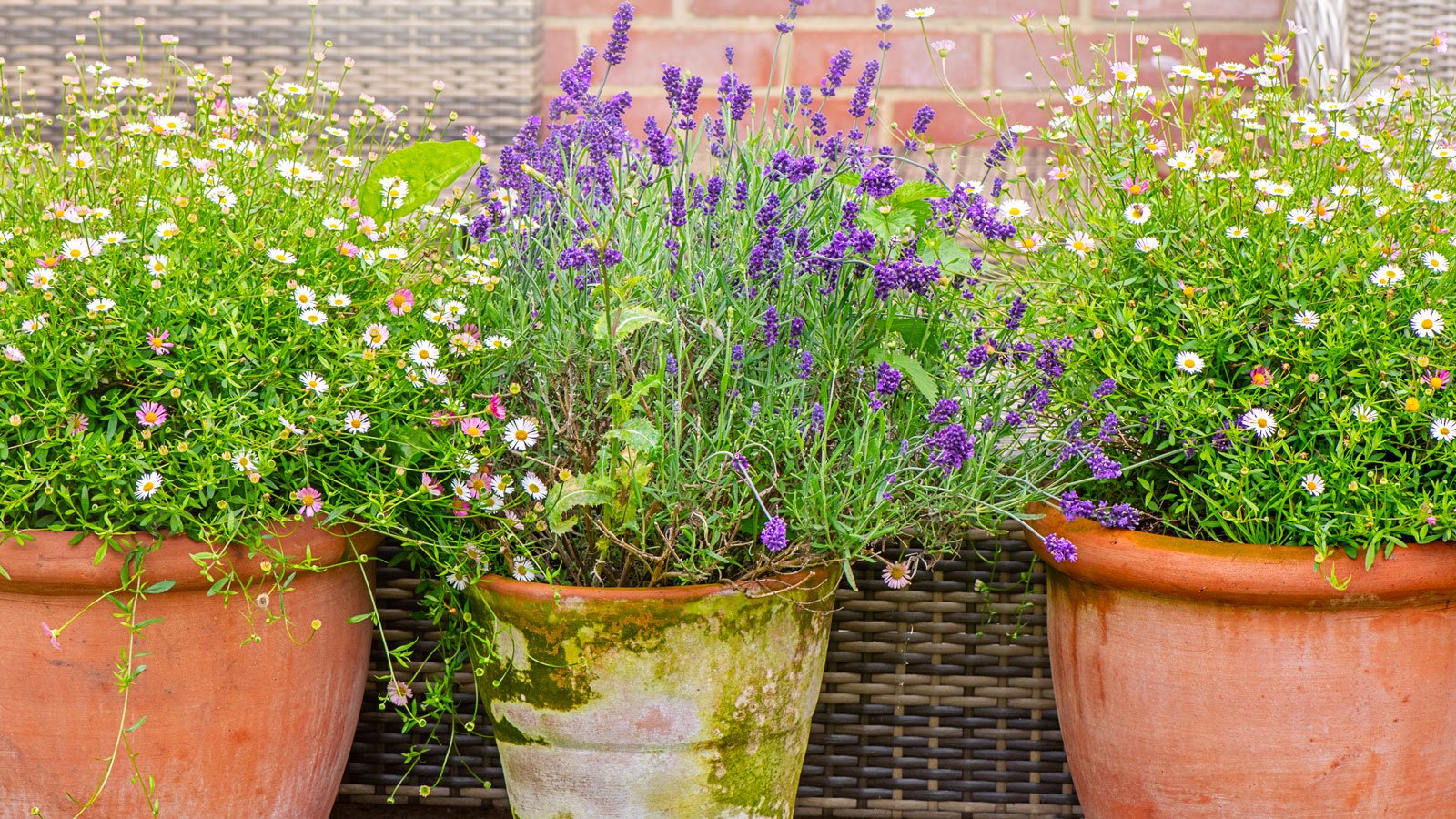
- Lavender: Fragrant and beautiful, lavender varieties are excellent balcony bee flowers, drawing in a wide array of bees and offering a calming aroma.
- Marigolds: Simple yet effective, marigolds attract beneficial insects and can help deter pests, making them a dual-purpose addition to your **Balcony Pollinator Garden Ideas**.
Seed companies are also making it easier to find suitable plants. Thresh Seed Co. offers a “New for 2026 Tagged ‘Pollinator Friendly'” collection, featuring Mongolian Giant Sunflower and Daydream Cosmos, ideal for urban pollinator habitat design. Crown Bees provides “Bee-Friendly Seed Collections,” while Mary’s Heirloom Seeds promotes “PLANT FOR POLLINATORS 2026” with organic options like Calendula and Zinnias, excellent choices for diverse **Balcony Pollinator Garden Ideas**.
How to Create a Thriving Balcony Pollinator Garden
Creating a thriving balcony pollinator garden involves a series of strategic steps, starting with understanding your balcony’s unique conditions and selecting appropriate plants. This comprehensive approach ensures your **Balcony Pollinator Garden Ideas** become a sustainable success, supporting numerous beneficial insects. “Pollinator-friendly balcony gardens prove that meaningful environmental support doesn’t require large land or complex systems,” a University of Sheffield researcher noted in 2025.
Step 1: Plan Your Balcony Microclimate
Start by observing your balcony’s sun exposure, wind patterns, and ambient temperatures throughout the day and across seasons. This is paramount because a plant’s success largely depends on matching its needs to your specific balcony microclimate management.
Consider whether your balcony faces north, south, east, or west, and how much direct sunlight it receives. Also, account for reflected heat from nearby walls or pavement, which can intensify temperatures in small spaces. Understanding these details will guide all your subsequent **Balcony Pollinator Garden Ideas**.
Step 2: Select Diverse Pollinator Plants 2026
Choose a variety of plants that offer different bloom times, flower shapes, and colors to attract a wider range of pollinators throughout the growing season. Diversity is the cornerstone of effective container gardening for wildlife.
Focus on native plants for balcony containers whenever possible, as they are often best suited to local pollinators and can handle regional conditions more effectively. Integrate some of the specific **Balcony Pollinator Garden Ideas** mentioned earlier, like Dwarf Bee Balm or Butterfly Weed, into your selections.
Step 3: Provide Water & Shelter
Offer a shallow water source, like a bird bath or a saucer filled with pebbles and water, for pollinators to drink safely. This simple addition is vital, especially during dry spells, and enhances your urban pollinator habitat.
Incorporate elements that provide shelter, such as dense foliage plants, small decorative stones, or hollow stems from perennial plants left over winter. These elements give pollinators places to rest, hide from predators, or overwinter, making your **Balcony Pollinator Garden Ideas** truly comprehensive.
Step 4: Implement Organic Pest Control
Protect your pollinators by committing to organic pest control balcony practices, completely avoiding synthetic pesticides. Harmful chemicals can kill beneficial insects alongside pests, undermining your entire **Balcony Pollinator Garden Ideas** effort.
Use natural methods like hand-picking pests, introducing beneficial insects (e.g., ladybugs), or using homemade insecticidal soap sprays. Companion planting can also deter pests; marigolds, for example, can protect other plants. For more detailed guidance, consider exploring resources on Organic Balcony Pest Control: Solutions for Container Plants.
Step 5: Maintain Year-Round Resources
Ensure your balcony provides year-round pollinator support by leaving some spent plant stalks for overwintering insects and planning for early spring and late fall blooms. This sustained effort helps pollinators through challenging periods.
Consider planting evergreens or plants with interesting seed heads to provide visual interest and minor shelter during colder months. Even dormant plants can offer crucial structural elements for your **Balcony Pollinator Garden Ideas**.
Step 6: Observe & Document Pollinators
Regularly observe the pollinators visiting your garden and note which plants they prefer and at what times of day. This citizen science approach deepens your connection and helps you refine your **Balcony Pollinator Garden Ideas** for maximum impact. Keeping a simple log can be quite rewarding.
Mastering Balcony Microclimates for Pollinator Success
Mastering balcony microclimates for pollinator success means understanding and mitigating the unique environmental challenges of elevated urban spaces, such as intense sun, reflective heat, and strong winds. Effective balcony microclimate management directly impacts plant health and pollinator activity, allowing your **Balcony Pollinator Garden Ideas** to flourish. You can’t just plant and hope.
Consider sun exposure: a south-facing balcony might get 8+ hours of scorching sun, needing drought-tolerant plants and more frequent watering, while a north-facing one will need shade-loving species. In my 10 years of gardening, I’ve seen many folks overlook this critical first step.
Wind can be another significant factor, drying out plants quickly and making it difficult for delicate pollinators to navigate. Tall plants or those with fragile stems will struggle without some form of protection.
Here’s a comparison of common balcony microclimates and strategies for your **Balcony Pollinator Garden Ideas**:
| Microclimate Challenge | Impact on Pollinators & Plants | Balcony Microclimate Management Solutions |
|---|---|---|
| Intense Sun / Reflected Heat | Rapid soil drying, leaf scorch, heat stress for plants; pollinators may avoid mid-day heat. | Choose heat-tolerant species (e.g., Sedum, Lavender, Salvia). Use light-colored pots to reflect heat. Mulch generously. Increase watering frequency for your **Balcony Pollinator Garden Ideas**. |
| Strong Wind | Physical damage to plants, increased water evaporation, difficult for pollinators to fly. | Install windbreaks (trellises with climbers, sturdy furniture). Select compact, robust plants. Use heavier pots. Group pots together for shelter. |
| Deep Shade | Limited bloom for sun-loving plants, fewer nectar resources. | Opt for shade-tolerant pollinator plants (e.g., Astilbe, Bleeding Heart, native Impatiens). Focus on foliage texture and color. Ensure adequate light for any **Balcony Pollinator Garden Ideas**. |
| Limited Space | Difficulty in achieving plant diversity and size. | Utilize vertical planters or hanging baskets. Choose dwarf pollinator plants. Layer plants by height. Explore Balcony Vertical Garden Ideas to maximize growing area. |
For balconies experiencing extreme wind, consider incorporating a sturdy trellis with a vining plant like native honeysuckle or even a small dwarf shrub to act as a natural windbreak. This provides both shelter for pollinators and additional blooms, boosting your **Balcony Pollinator Garden Ideas**.
“Consistency matters more than complexity in small-space gardens. Pollinator gardens thrive when they are observed regularly and adjusted gently, rather than over-managed,” notes a seasoned gardener. This holds true for adapting to your specific microclimate; small, consistent adjustments are more effective than drastic overhauls for your **Balcony Pollinator Garden Ideas**.
Year-Round Care: Sustaining Your Balcony Pollinator Ecosystem
Sustaining your balcony pollinator ecosystem year-round requires proactive seasonal planning that extends beyond the blooming period, providing continuous resources like nectar, water, and crucial overwintering sites. This long-term commitment transforms your **Balcony Pollinator Garden Ideas** into a resilient, enduring habitat. It’s about thinking beyond just flowers.
In spring, focus on early bloomers like Crocus or Snowdrops, which offer vital nectar for emerging pollinators when other food sources are scarce. Also, ensure your containers are refreshed with good quality soil and ready for new plantings.
Summer is when your balcony bee flowers should be in full swing. Maintain regular watering, especially for container pollinator plants, and deadhead spent blooms to encourage new growth and prolong the flowering season. This ensures a steady supply of food for visiting insects.
Come autumn, shift your focus to late-season bloomers like Asters and Goldenrod, which provide essential sustenance for migrating butterflies and bees preparing for winter. Don’t be too quick to tidy up your **Balcony Pollinator Garden Ideas**; leaving some spent stalks and leaf litter can offer critical overwintering shelter.
Winter care for your **Balcony Pollinator Garden Ideas** involves protecting tender plants from frost and ensuring sheltered spots for dormant insects. Hollow stems, piles of leaves, or even specialized “bee hotels” can provide safe havens. This continuous year-round pollinator support is what truly makes a difference.
Here are key aspects of year-round care:
- Spring Revival (March-May): Plant early bloomers, refresh container soil, check for overwintered pests. Ensure your **Balcony Pollinator Garden Ideas** are ready for the season.
- Summer Peak (June-August): Consistent watering, deadheading, and monitoring for nutrient needs. Maintain a diverse range of balcony bee flowers.
- Autumn Preparations (September-November): Plant late-blooming perennials, allow some seed heads to mature, and leave some plant debris for overwintering. These **Balcony Pollinator Garden Ideas** extend your garden’s utility.
- Winter Rest (December-February): Protect sensitive plants, provide shelter (e.g., hollow stems, leaf litter), and plan for the next season’s **Balcony Pollinator Garden Ideas**.
Dutchman’s Gold and Sierra Club Canada are collaborating in 2026 on a “Let’s Plant!” initiative to sow 10 million pollinator-friendly seeds, showing the power of year-round thinking in larger-scale efforts. Your small space pollinator garden can mirror this dedication.
Pollinator-Safe Pest Management for Balcony Gardens
Pollinator-safe pest management for balcony gardens means prioritizing organic, non-toxic strategies to control unwanted insects without harming the beneficial pollinators you aim to attract. The absolute rule for your **Balcony Pollinator Garden Ideas** is to avoid all synthetic pesticides. This commitment protects the very creatures your garden is designed to help.
Many common garden pests can be managed effectively with simple physical methods or natural solutions. Hand-picking larger pests, like caterpillars (unless they’re host plant specific!), or using a strong spray of water to dislodge aphids are great first lines of defense.
Beneficial insects, often available from garden supply centers, can also be introduced to your small space pollinator garden to combat pests naturally. Ladybugs, for example, are voracious eaters of aphids. Encouraging these natural predators is a cornerstone of responsible **Balcony Pollinator Garden Ideas**.
For more persistent problems, homemade insecticidal soaps, made from mild dish soap and water, can be effective against soft-bodied pests. Always test on a small area first and apply in the evening to minimize impact on daytime pollinators.
Here are some organic, pollinator-safe pest management strategies:
- Manual Removal: Regularly inspect your plants and simply pick off larger pests or spray small infestations with water.
- Beneficial Insects: Introduce or encourage natural predators like ladybugs, lacewings, and predatory mites to your **Balcony Pollinator Garden Ideas**.
- Insecticidal Soap: Mix mild, unscented soap with water (1-2 teaspoons per liter) and spray affected plants, avoiding blooms when pollinators are active.
- Neem Oil: An organic insecticide derived from the neem tree, it can disrupt insect feeding and reproduction. Use as directed, again, avoiding peak pollinator activity.
- Companion Planting: Strategically place plants that naturally repel pests. For instance, strong-scented herbs like basil or mint can deter certain insects from your **Balcony Pollinator Garden Ideas**.
- Healthy Plants: Strong, healthy plants are naturally more resistant to pests. Provide proper watering, light, and nutrients to your urban pollinator habitat.
This kind of organic pest control balcony approach is vital for the overall health of your urban pollinator habitat. Remember, a thriving **Balcony Pollinator Garden Ideas** needs a balanced ecosystem, not chemical warfare.
Measuring Your Impact: Citizen Science for Balcony Pollinators
Measuring your impact through citizen science for balcony pollinators allows you to actively contribute to valuable ecological research, deepen your understanding of local biodiversity, and refine your **Balcony Pollinator Garden Ideas**. This engagement transforms your personal garden into a scientific observation post, providing crucial data. You’ll truly become a part of something bigger.
Simple observation logs can track which pollinators visit which plants, at what times, and for how long. This kind of data, even from a small space, helps researchers understand pollinator behavior in urban environments. Honestly, it’s pretty satisfying to see your notes translate into real insights.
Organizations like the Xerces Society and Pollinator Partnership often promote citizen science initiatives where you can submit your observations. These programs help map pollinator populations and identify areas needing more habitat support. Your **Balcony Pollinator Garden Ideas** can directly feed into these efforts.
For example, the Great Sunflower Project encourages gardeners to plant sunflowers and record pollinator visits, contributing to a vast dataset on bee populations. Participating in such projects is a tangible way to measure the success of your small space pollinator garden.
Here’s how to get involved:
- Download an Identification Guide: Use a free app or printable guide to help identify common bees, butterflies, and other pollinators in your region.
- Regular Observations: Dedicate 10-15 minutes a few times a week to watch your **Balcony Pollinator Garden Ideas**. Note the types of pollinators you see and the plants they visit.
- Record Data: Keep a simple notebook or use an online platform (like iNaturalist or specific project websites) to log your observations. Note date, time, weather, pollinator type, and plant visited.
- Submit Data: Share your findings with established citizen science projects. This is where your **Balcony Pollinator Garden Ideas** truly contribute to science.
- Share Your Journey: Connect with local gardening groups or online communities to share your experiences and inspire others to create their own urban pollinator habitat.
“Pollinating insects are vital for the reproduction of up to 90 per cent of wild flowering plant species and many crop species,” state University of Sheffield researchers (2025). “As urbanisation causes more habitat loss, insect communities suffer and ecosystems become fragile.” Your observations from your **Balcony Pollinator Garden Ideas** directly address this fragility.
Frequently Asked Questions
What attracts pollinators to a balcony?
Pollinators are attracted to a balcony primarily by diverse, nectar-rich flowering plants, readily available shallow water sources, and protective shelter. Providing a continuous bloom cycle from spring to fall ensures a consistent food supply, a key principle of effective **Balcony Pollinator Garden Ideas**.
What flowers attract pollinators to a small garden?
Flowers that attract pollinators to a small garden include compact varieties of Bee Balm, Coneflower, Lavender, and Milkweed (for Monarchs). These plants offer rich nectar and pollen in a small footprint, and over one-third of gardeners prioritize creating plantings for pollinators, according to the 2026 Axiom Gardening Outlook Study.
How do you attract bees to a small balcony?
To attract bees to a small balcony, plant bee-friendly flowers like purple or blue Salvias, Borage, and herbs such as Thyme or Rosemary in containers. Ensure a shallow water source is available, and avoid all pesticides to create a safe haven for bees, enhancing your **Balcony Pollinator Garden Ideas**.
What is the best pollinator plant for a container?
The best pollinator plant for a