Finding the best fertilizer for herbs is crucial if you dream of a kitchen overflowing with fragrant basil, robust rosemary, and vibrant mint. Many home gardeners struggle to achieve truly bountiful harvests, often wondering how to provide the precise herb nutrient requirements for both lush growth and intense flavor. This comprehensive guide will equip you with the knowledge to select and apply the ideal fertilizers, ensuring your herbs thrive with unparalleled taste and potency.
What is the Best Fertilizer for Herbs?
The short answer is: it depends on your specific herbs and growing conditions, but generally, a balanced, organic fertilizer for herbs with a slightly lower nitrogen content is ideal for enhancing flavor. Unlike leafy greens grown for sheer bulk, herbs are often valued for their essential oils, which contribute to their unique aroma and taste. Too much nitrogen can lead to excessive vegetative growth at the expense of these valuable compounds, as noted by West Virginia University Extension, which advises against high nitrogen for herbs to preserve oil production. This is where understanding your herb nutrition truly comes into play.
In practice, the “best” fertilizer will support healthy root development and robust foliage without sacrificing the aromatic qualities we cherish. For many gardeners, this means leaning into organic options that feed the soil, not just the plant. We’ll explore specific recommendations and product types in detail, ensuring you make an informed choice for your culinary garden.
Understanding NPK Ratios: What’s Best for Herb Growth?
NPK stands for Nitrogen (N), Phosphorus (P), and Potassium (K) – the three primary macronutrients plants need. Each plays a distinct role in herb growth:
- Nitrogen (N): Promotes lush, green leafy growth. While essential, too much can dilute flavor in herbs.
- Phosphorus (P): Supports strong root development, flowering, and fruiting. Crucial for robust, healthy plants.
- Potassium (K): Aids in overall plant health, disease resistance, and water regulation, contributing to vigor and flavor.
For most herbs, a balanced NPK ratio like 3-3-4 or 4-4-6 is often recommended, as exemplified by products like Flourish Herb & Vegetable Fertilizer (NPK 3-3-4) or True Organic Herb & Leafy Greens Food (NPK 4-4-6). The University of Connecticut Soil Nutrient Analysis Laboratory emphasizes that “Recommendations for most vegetable gardens are for a complete fertilizer meaning that it contains the three major plant nutrients.” The key is to avoid excessively high nitrogen, which can lead to flavor dilution, particularly in aromatic herbs.
What most people miss is that the ideal NPK ratios are not static; they can vary based on the herb type and its growth stage. For instance, leafy herbs might tolerate a slightly higher nitrogen content than woody, aromatic herbs. Always check your soil test results, if available, as they provide the most accurate starting point for fertilization, according to the University of Connecticut.
Organic vs. Synthetic: Which Fertilizer Type is Right for Your Herbs?
When choosing a natural fertilizer for herbs, you’ll encounter two main categories: organic and synthetic. Your choice here significantly impacts not just plant growth, but also soil health and the flavor profile of your harvest.
Organic Fertilizers: The Flavor Factor
Organic fertilizers are derived from natural sources like compost, manure, bone meal, or fish emulsion. They work by feeding the soil’s microbial life, which then slowly releases nutrients to the plants. This gradual release minimizes the risk of over-fertilization and nutrient burn, while simultaneously building healthy soil structure over time. For culinary herbs, organic options are widely preferred because they are believed to produce better-tasting, more aromatic herbs by supporting a complex soil ecosystem. The growing consumer preference for organic options is clear, with U.S. sales of certified organic products reaching $76.6 billion in 2025.
Popular organic choices for herbs include:
- Fish Emulsion: A liquid fertilizer rich in nitrogen, providing a quick boost.
- Compost Tea: A homemade liquid fertilizer packed with beneficial microbes and nutrients.
- Worm Castings: A gentle, nutrient-rich soil amendment that improves soil structure.
- Seaweed/Kelp Meal: Provides a wide range of micronutrients and growth hormones.
- Granular Organic Fertilizers: Products like True Organic Herb & Leafy Greens Food (NPK 4-4-6) or Jobe’s Organics All-Purpose Granular Fertilizer offer slow-release benefits.
Many organic options, like Happy Herbs Organic Fertilizer (NPK 6-3.5-7), are specifically formulated with calcium and trace minerals to enhance flavor and aroma, directly addressing our “Precision Organic Fertilization” angle. Younger gardeners, in particular, show a strong inclination towards natural or organic fertilizer, with 38% of under-35 gardeners purchasing these options.
Synthetic Fertilizers: Fast but Fickle
Synthetic fertilizers are chemically manufactured and provide nutrients in a readily available, soluble form. They offer quick results and precise nutrient delivery. However, they can be easy to over-apply, leading to root burn or nutrient lockout. They don’t contribute to long-term soil health and can sometimes leach into groundwater, posing environmental concerns. While effective for rapid growth, the consensus among herb enthusiasts is that they can sometimes lead to less intense flavor in culinary herbs compared to their organically fed counterparts.
Tailoring Fertilization: Specific Needs for Different Herbs
One size does not fit all when it comes to feeding herbs. Understanding the distinct needs of different herb categories is key to achieving their peak flavor and potency. As Amir Tajer of Greenway Biotech emphasizes, “The best fertilizer for herbs depends on the crop, growing method, water quality, and soil pH.”
Heavy-Feeding Leafy Herbs (Basil, Parsley, Mint, Cilantro)
These herbs grow quickly and produce abundant foliage, requiring a bit more nitrogen than their woody cousins. For basil fertilizer and other leafy greens, a balanced organic liquid fertilizer like fish emulsion diluted to half strength, or a slightly higher nitrogen organic granular feed (like the 8-4-4 Suståne mentioned by Michigan State University Extension for sweet basil and parsley), applied every 2-4 weeks during their active growing season, works well. The goal is lush, green growth without sacrificing flavor, so moderation is key.
For how to fertilize indoor herbs like basil or mint, reduce the frequency and strength, as their growth rate is often slower in controlled indoor environments. A good rule of thumb is to fertilize indoor herbs every 4-6 weeks during spring and summer, and perhaps once a month or less in fall and winter.
Light-Feeding Woody & Mediterranean Herbs (Rosemary, Thyme, Oregano, Sage, Lavender)
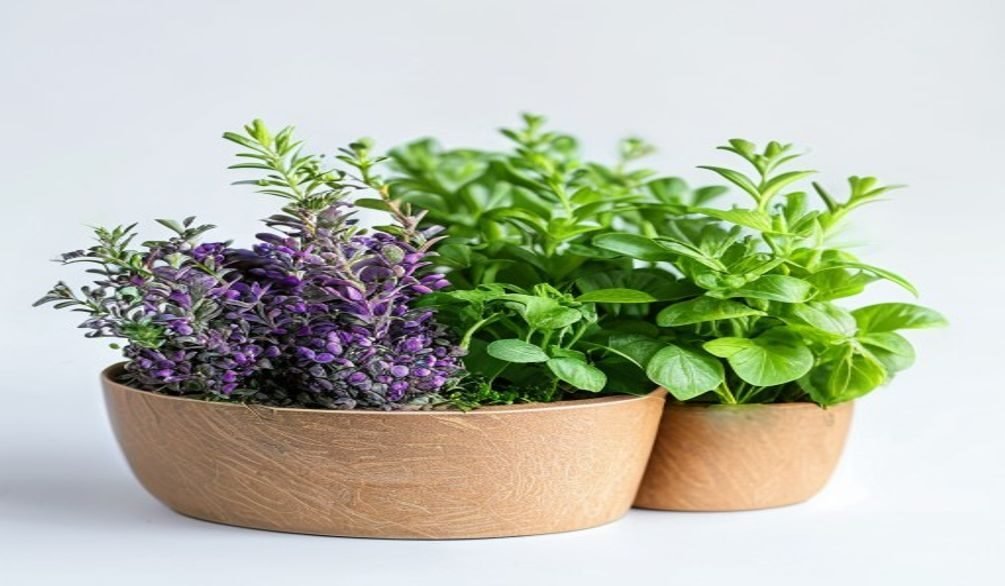
Mediterranean herbs like rosemary plant food needs are much lighter. These herbs are adapted to leaner soils and thrive on less frequent fertilization. Over-feeding can actually diminish their aromatic oils and lead to leggy, less flavorful growth. A low nitrogen fertilizer for herbs is crucial here. A single application of a slow-release organic granular fertilizer in spring, or a very dilute compost tea every 6-8 weeks, is usually sufficient. Consider a balanced NPK like 4-4-6 or even 3-3-4. For lavender, which prefers poor soil, less is always more. You can also refer to our guide on How to Grow Lavender for more specific care tips.
My own observation is that these herbs often have deeper root systems, allowing them to access nutrients from a wider soil volume, further reducing their need for frequent external feeding.
How to Fertilize Herbs: Application, Frequency, and Preventing Over-Feeding
Proper application and frequency are just as important as choosing the right product. Getting this wrong is a common mistake that can harm your herbs.
Application Methods
- Liquid Fertilizers: Ideal for quick nutrient delivery and easy to dilute. Liquid fertilizer options like fish emulsion or compost tea are mixed with water and applied directly to the soil around the base of the plant. This method is excellent for indoor herbs or container plants.
- Granular Fertilizers: These are slow-release and typically worked into the top inch or two of soil or sprinkled around the plant’s drip line. They are great for outdoor beds and larger containers, providing sustained herb nutrition over weeks or months.
- Foliar Feeding: A dilute liquid fertilizer can be sprayed directly onto the leaves for rapid absorption. This is best used as a supplement, not a primary feeding method, and is particularly useful for addressing quick nutrient deficiencies.
For container herbs or how to fertilize indoor herbs, ensure the soil is moist before applying liquid fertilizers to prevent root burn. For outdoor herbs, apply granular fertilizers when the soil is damp, then water them in thoroughly.
Frequency
The frequency of fertilization depends heavily on the herb, its growing environment, and the type of fertilizer:
- Annual Herbs (Basil, Cilantro, Dill): Generally benefit from feeding every 2-4 weeks during their active growing season.
- Perennial Herbs (Mint, Parsley, Chives): Fertilize every 4-6 weeks during spring and summer.
- Woody Herbs (Rosemary, Thyme, Sage): Light feeding once in spring, and perhaps again in mid-summer, is usually sufficient.
- Container Herbs: Nutrients leach out faster from pots, so these may need more frequent feeding than in-ground herbs, typically every 3-4 weeks.
- Indoor Herbs: Reduce frequency, fertilizing every 4-6 weeks during active growth (spring/summer) and rarely, if at all, during dormancy (fall/winter).
What most people miss is that herbs, especially woody types, prefer to be slightly under-fertilized rather than over-fertilized. When in doubt, err on the side of less.
Preventing Over-Feeding
Over-fertilization is a common issue that can severely damage herbs, leading to reduced flavor, stunted growth, and even death. West Virginia University Extension explicitly warns that “Herbs do not require high levels of fertilizer – too much nitrogen will cause excess vegetative growth and can decrease the oil production that gives most herbs their scent and flavor.” Always follow package directions and dilute liquid fertilizers to half or even quarter strength, especially for sensitive herbs. Look for signs of over-fertilized herbs, such as yellowing or browning leaf tips, stunted growth, or a crusty white buildup on the soil surface.
Troubleshooting & Recovery: What to Do When Herbs are Over-Fertilized
Even the most careful gardener can occasionally over-fertilize. Recognizing the signs early and acting quickly can save your herbs. Common indicators include yellowing or browning leaf margins (often starting at the tips), stunted growth despite lush green foliage (a sign of nutrient lockout), wilting, and a general decline in vigor. You might also notice a white, crusty salt buildup on the soil surface or around the pot’s drainage holes.
Immediate Action Steps for Over-Fertilized Herbs
- Flush the Soil: This is the most critical immediate step. For container herbs, place the pot in a sink or outdoors and slowly pour a volume of fresh water equal to at least twice the pot’s volume through the soil. Allow it to drain completely. Repeat this process two or three times over the next hour to thoroughly leach out excess salts. For in-ground herbs, water the affected area deeply and repeatedly over a few days.
- Stop Fertilizing: Immediately cease all fertilization. Do not apply any more nutrients until the plant shows clear signs of recovery, which could take several weeks.
- Prune Damaged Areas: Carefully snip off any severely burned or dead leaves. This helps the plant redirect energy to new, healthy growth.
- Repot (if severe): If flushing doesn’t seem to help, or if the salt buildup is extreme, consider repotting the herb into fresh, well-draining soil. Gently remove the plant, rinse the roots under cool water, and replant in a clean pot with new, unfertilized potting mix.
- Monitor and Wait: Recovery takes time. Provide adequate light and consistent, but not excessive, watering. Avoid stressing the plant further.
Long-term soil health rehabilitation is also important. Incorporating fresh compost or worm castings can help restore beneficial microbial activity, which is often disrupted by excess synthetic fertilizers, and improve nutrient absorption once the plant recovers.
Beyond NPK: Micronutrients for Enhanced Herb Flavor and Potency
While NPK are the stars, micronutrients are the unsung heroes that dramatically influence your herbs’ flavor, aroma, and even medicinal potency. These are needed in smaller quantities but are no less vital. For herbs, a focus on these trace elements can truly elevate your harvest.
Key Micronutrients for Herbs
- Calcium (Ca): Essential for cell wall strength and overall plant structure. Strong cell walls contribute to firmer leaves and better disease resistance. Products like True Organic Herb & Leafy Greens Food (NPK 4-4-6) explicitly include 7% calcium for stronger plants.
- Magnesium (Mg): A central component of chlorophyll, crucial for photosynthesis. Magnesium deficiency can lead to yellowing between leaf veins. Epsom salt is sometimes suggested for magnesium, but use sparingly and only if a deficiency is confirmed.
- Sulfur (S): Plays a key role in protein synthesis and the formation of essential oils, which are responsible for many herbs’ distinctive flavors and aromas.
- Iron (Fe), Manganese (Mn), Zinc (Zn), Copper (Cu), Boron (B): These trace elements are vital for various enzymatic functions, hormone production, and overall metabolic processes that contribute to plant vigor and the production of secondary metabolites responsible for flavor.
My insight here is that while NPK feeds the plant’s bulk, micronutrients refine its essence. A deficiency in even one micronutrient can compromise flavor, even if the plant appears superficially healthy.
Boosting Micronutrients Organically
The best way to ensure your herbs receive a full spectrum of micronutrients is through healthy soil health practices and organic amendments:
- Compost: Rich in a broad range of nutrients, compost continuously releases micronutrients as it breaks down.
- Seaweed/Kelp Meal: An excellent source of trace minerals and plant hormones.
- Rock Dust: Contains finely ground volcanic rock, slowly releasing a wide array of minerals.
- Chelated Micronutrient Products: If a specific deficiency is identified, chelated forms of iron, manganese, or zinc are more readily available to plants.
For natural ways to boost herb flavor, focus on these micronutrients and a thriving soil ecosystem. A robust soil microbiome enhances nutrient uptake, allowing your herbs to fully express their genetic potential for flavor and aroma.
Getting Big & Bushy: How to Maximize Your Herb Harvests
Beyond fertilization, several practices contribute to truly abundant, flavorful herb harvests. The goal is not just to feed them, but to encourage them to produce more of what you want to harvest.
Pruning and Harvesting Techniques
Regular harvesting is perhaps the most effective way to encourage a bushy growth habit. When you prune or harvest, you’re signaling the plant to produce more side shoots, leading to a denser, more productive plant. For most leafy herbs, snip off the top few sets of leaves, just above a leaf node. This encourages two new stems to emerge from that node, effectively doubling your harvest next time. For woody herbs, prune to maintain shape and encourage new growth, especially after flowering.
Consider the principles discussed in our Vertical Garden Fertilization Guide, where maximizing yield in confined spaces also relies heavily on smart pruning.
Optimal Growing Conditions
No amount of fertilizer can compensate for poor growing conditions. Ensure your herbs receive:
- Adequate Sunlight: Most herbs require at least 6 hours of direct sunlight daily.
- Well-Draining Soil: Herbs hate wet feet. Use a high-quality potting mix for containers or amend garden beds with compost to improve drainage.
- Consistent Watering: Keep the soil consistently moist, but not waterlogged. Allow the top inch of soil to dry out between waterings for most herbs.
- Proper Air Circulation: Especially important for indoor herbs or densely planted beds to prevent fungal diseases.
These foundational elements are critical for nutrient uptake and overall plant vigor. A healthy plant can better utilize the nutrients you provide.
Soil Health & pH
Soil health is the bedrock of successful herb gardening. Regularly amending your soil with organic matter like compost improves its structure, water retention, and nutrient-holding capacity. Most herbs prefer a slightly acidic to neutral pH (6.0-7.0). A soil test can tell you your current pH and nutrient levels, guiding your amendments. Oregon State University Extension Service provides excellent guides on understanding fertilizers and soil amendments.
By combining targeted fertilization with thoughtful cultural practices, you’ll be well on your way to enjoying the most flavorful and abundant herb harvests your garden has ever produced.
Frequently Asked Questions
What is the best fertilizer to use for herbs?
The best fertilizer for herbs is typically a balanced, organic liquid or granular option with a slightly lower nitrogen content (e.g., NPK 3-3-4 or 4-4-6). Organic fertilizers like fish emulsion, compost tea, or slow-release granular products feed the soil and enhance flavor without risking over-fertilization. Always prioritize formulations that support root health and essential oil production over just leafy growth.
What NPK is best for herbs?
For most herbs, an NPK ratio that is balanced or slightly lower in nitrogen, such as 3-3-4, 4-4-6, or even 8-4-4 for heavier feeders, is best. High nitrogen can lead to excessive leafy growth at the expense of flavor and aroma. The ideal ratio also depends on the specific herb, with woody Mediterranean herbs preferring less nitrogen than leafy annuals like basil.
How do you get herbs to grow big and bushy?
To get herbs to grow big and bushy, combine proper fertilization with consistent pruning and optimal growing conditions. Regularly harvest your herbs by snipping just above a leaf node to encourage new side shoots, making the plant denser. Ensure they receive adequate sunlight, well-draining soil, and consistent moisture, as these factors are crucial for vigorous growth.
Do herbs need a lot of fertilizer?
No, herbs generally do not need a lot of fertilizer; in fact, over-fertilization can diminish their flavor and harm the plant. Most herbs thrive in leaner soils, especially Mediterranean varieties. Light, consistent feeding with a balanced organic fertilizer during their active growing season is usually sufficient, with some herbs needing very little supplemental feeding.
Achieving truly bountiful and flavorful herb harvests hinges on a thoughtful approach to fertilization, recognizing that quality often trumps quantity. By understanding NPK ratios, prioritizing organic options, tailoring your feeding to specific herb needs, and mastering application techniques, you’re not just growing plants – you’re cultivating peak flavor and potency. Embrace these strategies, and your kitchen will thank you with an endless supply of aromatic, homegrown goodness. Start by assessing your herbs’ specific needs today, and watch them flourish.