Are you tired of battling unwelcome invaders in your garden, seeking effective ways to how to combat weeds organically without resorting to harsh chemicals? You’re not alone; many gardeners yearn for a healthy, vibrant space free from weeds, nurtured with eco-friendly methods. This comprehensive guide will equip you with a strategic framework, proven techniques, and expert insights to achieve a thriving, weed-free garden naturally.
Why Choose Organic Weed Control for Your Garden?
Opting for organic weed control methods is more than just a trend; it’s a commitment to the long-term health of your garden, your family, and the environment. By avoiding synthetic herbicides, you safeguard beneficial insects, pollinators, and the delicate ecosystem that supports plant growth.
The short answer is that eco-friendly garden practices foster vibrant soil health, which is the foundation of any successful garden. Chemical weed killers can deplete soil microbes and leave harmful residues, diminishing the very life force your plants depend on. Choosing organic means you’re investing in a sustainable future for your green space.
As Bryan Clayton, CEO of GreenPal, emphasizes, “Organic weed killers are free from harmful chemicals that could potentially infiltrate your soil or water supply… and don’t add to environmental degradation.” This perspective highlights the broader impact of your gardening choices beyond just visible weeds.
Crafting Your Organic Weed Management Plan
A truly effective approach to weed management organic garden begins with a well-thought-out plan, rather than reactive weeding. This proactive strategy considers your garden’s specific needs, size, and the types of weeds you typically encounter.
What most people miss is that successful organic weed control isn’t a one-time fix, but an ongoing process of observation, prevention, and targeted intervention. It involves integrating various methods strategically throughout the growing season.
Assessing Your Garden and Weed Types
Before you even pull a single weed, take time to understand your garden’s unique characteristics. Note the common weeds, their growth patterns, and any particularly stubborn areas. This assessment will inform your choice of organic weed control methods.
For example, annual weeds are often easier to manage with surface disturbance, while perennial weeds with deep root systems require more persistent and varied tactics. Knowing your enemy is the first step in winning the battle.
Developing a Seasonal Strategy
Your organic weed management plan should adapt with the seasons. Early spring is crucial for prevention, while summer calls for consistent monitoring and removal. Fall is an excellent time to implement long-term weed prevention strategies like cover crops.
Consider the “Nordell Summer Fallow System,” a farm case study that nearly eliminated weeding needs through a rotation of vegetable crops followed by a year of summer fallow with spring and fall cover crops. This demonstrates the power of a seasonal, integrated approach.
What Are the Best Organic Weed Control Methods?
There’s a diverse arsenal of organic weed control methods available, each with its strengths. The key is to combine several techniques for comprehensive and effective weed suppression.
From cultural practices that promote healthy plant growth to mechanical removal and innovative thermal treatments, understanding these options empowers you to make informed choices for your garden.
Mechanical Weed Control: Hand Weeding and Cultivation
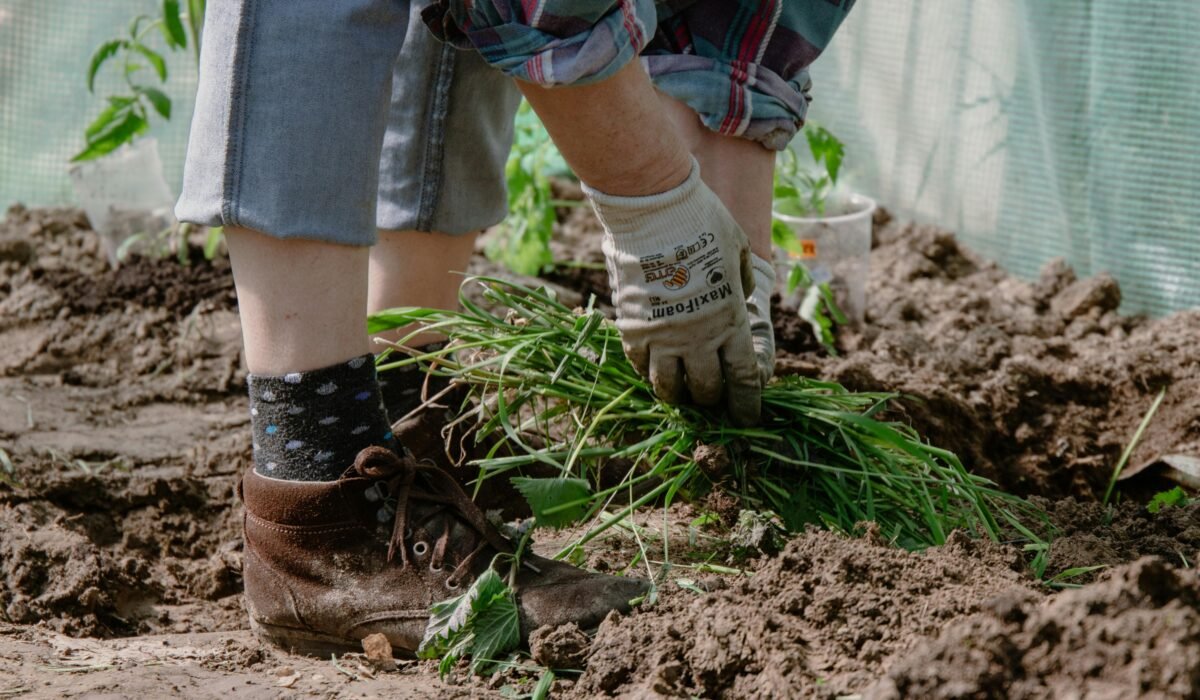
The oldest and often most effective method, hand weeding, remains a cornerstone of organic gardening, especially for small beds or delicate plantings. It allows for precise removal, ensuring only weeds are targeted.
For larger areas, shallow cultivation with tools like a stirrup hoe can quickly slice through young weeds just below the soil surface, effectively disrupting their growth before they establish deep roots. This is particularly efficient for annual weeds.
Mulching for Weeds: A Natural Barrier
Mulching is a miracle worker in organic gardening, as Tammy Sons, CEO of TN Nursery, rightly states. A thick layer of organic mulch suppresses weeds by blocking sunlight, reducing germination, and preventing existing weeds from thriving.
She recommends adding a 2-4 inch layer of organic mulch like wood chips, straw, or shredded leaves. This not only controls weeds but also conserves soil moisture, regulates soil temperature, and enriches the soil as it decomposes.
Cultural Practices: Healthy Soil, Healthy Garden
Strong, healthy garden plants are your best defense against weeds. Practices that promote vigorous growth, such as proper spacing, adequate watering, and good soil health, leave less room and resources for weeds to establish.
Crop rotation also plays a vital role in organic weed prevention strategies by disrupting weed life cycles and improving soil structure. By varying crops in an area, you can prevent specific weed populations from becoming dominant.
If you’re building new beds, consider how to build & fill organic raised garden beds with nutrient-rich soil to give your plants a competitive edge.
Thermal Weed Control: Flame Weeding and Solarization
For certain situations, thermal methods offer effective organic weed control. Flame weeding uses a controlled flame to briefly heat and rupture weed cells, causing them to wilt and die, particularly effective for young weeds in non-flammable areas like pathways or before planting.
Solarization involves covering a prepared garden bed with clear plastic sheeting during hot months. The sun’s heat builds up under the plastic, effectively “cooking” weed seeds and pathogens in the top layer of soil. This is a powerful method for large areas but requires patience and high temperatures.
Tackling Stubborn Weeds Organically: Specific Strategies
Some weeds seem to laugh in the face of conventional organic methods. For these persistent invaders, a more targeted and often multi-pronged approach is necessary to prevent weeds organically.
In practice, addressing specific weed types requires understanding their biology and exploiting their weaknesses with tailored tactics.
Strategies for Perennial Weeds (Bindweed, Thistle)
Perennial weeds like bindweed and thistle have extensive root systems that make them incredibly resilient. Simply pulling them often leaves root fragments behind, leading to regrowth.
- Repeated Manual Removal: Consistently pull or dig out these weeds as soon as they emerge, focusing on getting as much of the root as possible. This depletes their energy reserves over time.
- Smothering: For particularly dense patches, cover the area with thick layers of cardboard or newspaper, topped with several inches of mulch. This blocks light and suffocates the weeds over several months.
- Targeted Digging: Use a garden fork or spade to carefully excavate the entire root system, especially for individual large plants.
Combating Grassy Weeds (Crabgrass, Nutsedge)
Grassy weeds can be challenging because they often blend in with desired turf or crops. Nutsedge, with its distinctive triangular stem and tubers, is notoriously difficult.
- Hand Pulling: Pull grassy weeds when they are young and the soil is moist, ensuring you remove the entire root crown.
- Increased Mulch: A thicker layer of mulch (4-6 inches) can be more effective against grassy weeds and their seeds.
- Improved Drainage: Nutsedge often thrives in poorly drained soil; improving soil structure can make the area less hospitable for it.
Are Organic Weed Killers Effective and Safe for Your Garden?
The market offers various natural weed killer options, but their efficacy and safety vary. It’s crucial to distinguish between marketing claims and scientific evidence, especially when considering a safe weed killer for gardens.
Dr. Jeff Gillman, a horticulture expert, strongly advises against using horticultural grade acetic acid at 20% concentration due to its danger. While effective, it’s highly corrosive and can cause severe burns.
Commercial Organic Herbicides
Several commercial products are available that use natural ingredients. Examples include Green Gobbler Vinegar Weed & Grass Killer (20% acetic acid), Dr. Earth Final Stop Weed & Grass Herbicide, Eco Garden Pro Organic Weed Killer, BioSafe Weed Control, and Preen Natural Vegetable Garden Weed Preventer.
Natural Armor Weed and Grass Killer is highlighted as an all-natural concentrated formula effective on over 250 types of weeds. When choosing, look for certified organic products with transparent ingredient lists, as Bryan Clayton suggests.
Homemade Weed Killer Solutions
A common homemade weed killer involves a vinegar-based solution, often combined with salt and dish soap. While vinegar (acetic acid) can burn foliage, it typically doesn’t kill perennial weeds at the root, leading to regrowth.
In a study examining organic weed control methods, organic herbicide plots (e.g., acetic acid) displayed less efficacy with average weed coverage over 97% and had the greatest financial costs. This indicates that while they offer a quick visual kill, they are often not a long-term solution.
Comparing Organic Weed Control: Time, Cost, and Efficacy
Choosing the right organic weed control method often involves balancing the time you have, your budget, and how effective the method truly is. There’s no single “best” option; rather, it’s about finding the most practical solutions for your resources.
Understanding the trade-offs helps you tailor your approach, whether you have ample time for hands-on work or need more automated or preventative solutions.
| Method | Time Investment | Financial Cost | Efficacy for Long-Term Control |
|---|---|---|---|
| Hand Weeding/Cultivation | High (ongoing) | Low (tools) | High (especially with consistent effort) |
| Mulching | Moderate (initial application, occasional top-up) | Moderate (materials) | High (excellent prevention) |
| Tillage | Moderate (initial, can be labor-intensive) | Low (equipment) | High (most effective for initial clearing, according to research) |
| Organic Herbicides | Low (quick application) | High (product cost) | Low (often surface-level kill, high regrowth) |
| Flame Weeding | Moderate (requires careful application) | Moderate (equipment, fuel) | Moderate (best for young weeds, pre-emergent) |
| Solarization | High (setup, waiting period) | Low (plastic sheeting) | High (effective for large areas, soil pathogens) |
A study on the efficacy and costs of various organic weed control methods found that tillage was the most effective, requiring below-average financial costs and slightly above-average treatment time. In contrast, organic herbicide plots had the greatest financial costs with less efficacy.
Essential Organic Weeding Tools for a Healthy Garden
Having the right garden weed tools can significantly reduce the effort and time required for organic weed control. Think of them as extensions of your hands, making precise and efficient work possible.
Investing in quality tools designed for specific tasks will make your weeding sessions far more productive and less strenuous.
Manual Weeding Tools
These tools are indispensable for close-up work and targeted weed removal.
- CobraHead Original Weeder & Cultivator: Excellent for digging out taproots and breaking up soil.
- Radius Garden Ergonomic Weeder: Designed for comfort, reducing strain during prolonged use.
- Nisaku Hori Hori Garden Knife: A versatile tool for weeding, digging, and transplanting.
- Corona Extended Reach ComfortGel 2-Prong Weeder: Ideal for reaching into tight spaces without disturbing surrounding plants.
Stand-Up Weeding Tools
These allow you to weed from a standing position, saving your back and knees.
- Fiskars 4-claw Stand-Up Weed Puller: Grabs weeds by the root for easy extraction.
- Garden Weasel WeedPopper: A simple lever tool that pulls weeds with minimal effort.
- Grampa’s Weeder: A classic design that uses leverage to remove deep-rooted weeds.
- Stirrup Hoe (or Scuffle Hoe): Praised for quick and effective weeding of small, shallow weeds by cutting them off at the soil line.
Long-Term Organic Weed Prevention for Sustainable Gardens
The ultimate goal of organic weed control is to create a garden ecosystem where weeds are a minor nuisance, not a major battle. This requires a focus on proactive, long-term strategies that build resilience.
By integrating these practices, you’re not just fighting weeds; you’re cultivating a truly sustainable and thriving garden.
Building Soil Health and Fertility
A rich, active soil biome supports healthy plants that outcompete weeds. Regularly amending your soil with compost and organic matter improves structure, drainage, and nutrient availability.
Healthy soil also encourages beneficial microbes and fungi that can suppress weed seed germination and reduce weed pressure over time. Consider how basic garden fertilizers, when chosen organically, contribute to this foundation.
Strategic Use of Cover Crops
Cover crops are powerful allies in weed prevention strategies. Planted during fallow periods, they suppress weeds by outcompeting them for light, water, and nutrients. They also prevent soil erosion and add organic matter.
Leguminous cover crops like clover or vetch fix nitrogen, further enriching your soil for future plantings. This is a prime example of working with nature, not against it.
Proper Plant Spacing and Competition
Give your desired plants the best chance to thrive by providing adequate spacing. This allows them to develop strong root systems and dense foliage, naturally shading out weed seeds below.
When plants are too close, they compete with each other, making them weaker and more susceptible to weed invasion. Dense planting of desirable groundcovers in ornamental beds can also suppress weeds effectively.
Frequently Asked Questions
What is the best way to get rid of weeds organically?
The best way to get rid of weeds organically involves an integrated approach combining multiple methods for organic weed control. This typically includes consistent hand weeding, applying a thick layer of organic mulch, improving soil health, and using cover crops for prevention. For stubborn weeds, targeted digging or solarization can be highly effective.
What is the best natural homemade weed killer?
While often used, vinegar-based solutions are the most common natural homemade weed killer, but their effectiveness is limited mostly to burning the foliage of young, annual weeds. They rarely kill perennial weeds at the root, leading to quick regrowth. For more persistent issues, commercial organic herbicides are available, but should be used with caution and clear understanding of their safety and efficacy.
How do you kill weeds permanently naturally?
Killing weeds permanently and naturally requires persistent effort and a long-term strategy, as few methods offer an instant, permanent solution. Focus on depleting weed seed banks through solarization or consistent mulching, and exhaust perennial weed root systems through repeated manual removal or smothering. Building robust soil health and using cover crops also significantly reduces future weed pressure.
What kills weeds but not plants naturally?
No natural weed killer selectively kills only weeds without harming desirable plants if applied broadly. Manual methods like hand weeding or targeted cultivation are the safest ways to remove weeds without damaging nearby plants. For larger areas or pathways, flame weeding or solarization can be used before planting, but direct application to existing plants will cause damage.
Mastering how to combat weeds organically transforms your garden into a healthier, more resilient ecosystem. By adopting a holistic, strategic framework that prioritizes prevention, combines various organic weed control methods, and leverages the right tools, you can significantly reduce weed pressure. Start implementing these strategies today, and watch your garden flourish with vigor and vitality, naturally.