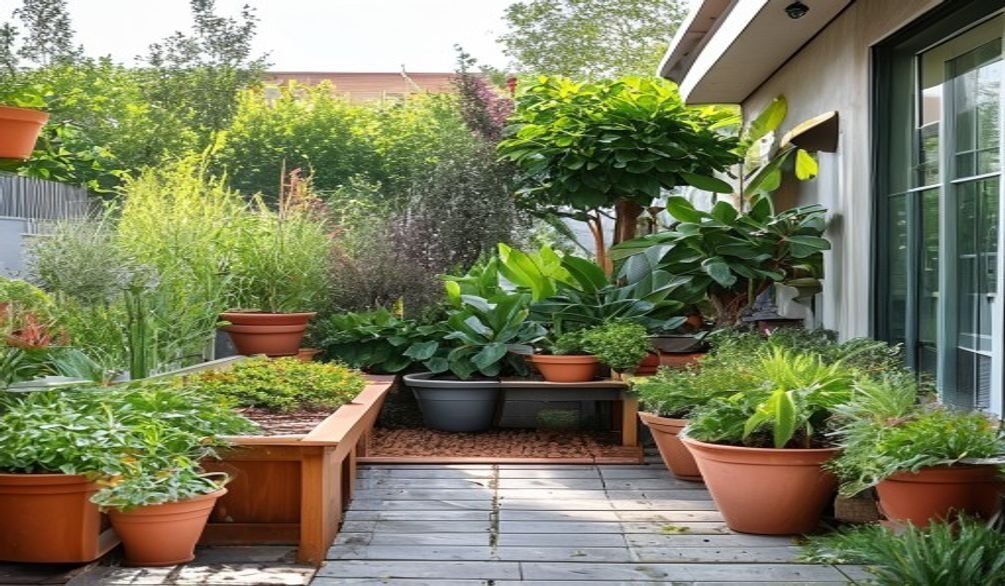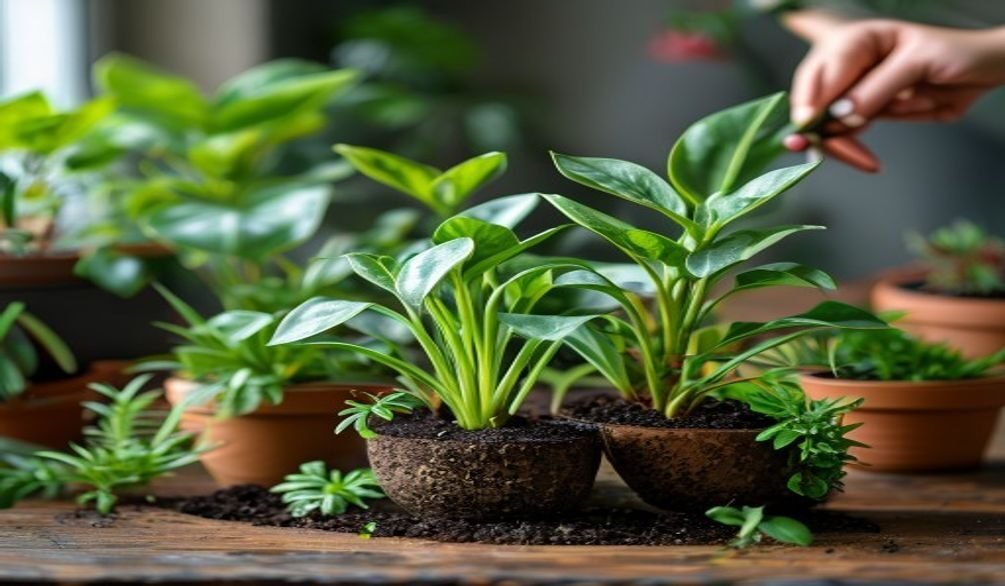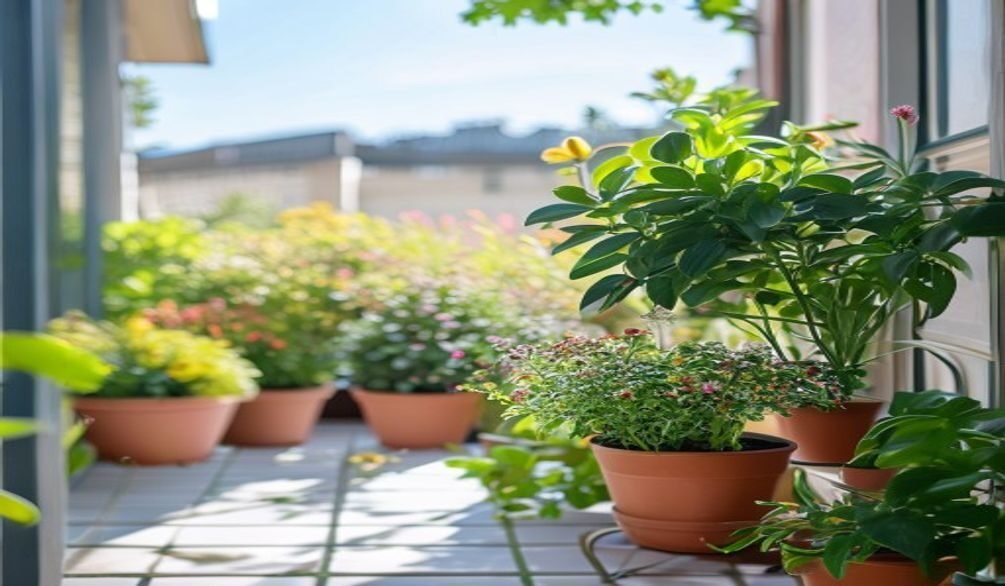
Dreaming of fresh, homegrown produce but stuck with limited square footage? Don’t let a small balcony, patio, or urban yard deter you; successful **container vegetable gardening small spaces** is not only possible but incredibly rewarding. This comprehensive guide will show you how to transform any compact area into a thriving edible oasis, unlocking abundant harvests right where you live.
Why Choose Container Vegetable Gardening for Small Spaces?
Container vegetable gardening offers unparalleled flexibility, making it an ideal solution for urban dwellers, apartment residents, or anyone with limited ground space. This method allows you to cultivate fresh produce even when traditional garden beds aren’t an option. As Brooke Edmunds, a horticulturist with the Oregon State University Extension Service, wisely states, “Many vegetables grow well in containers on a patio, porch, balcony or even a sunny windowsill. Don’t let a lack of yard space keep you from gardening this spring and summer.”
Beyond space constraints, container gardening is a fantastic way to overcome poor soil conditions, as you control the entire growing medium. It’s also an excellent choice for accessibility, serving as an ideal solution for seniors who want to avoid bending or busy individuals seeking fresh vegetables without the commitment of a full garden, according to Elm Dirt. What most people miss is the sheer adaptability; you can move plants to optimize sunlight, protect them from harsh weather, or simply rearrange your `urban vegetable garden` on a whim. This control over the environment often leads to healthier, more productive plants in compact areas.
Best Vegetables for Container Gardening
Choosing the right plants is crucial for successful **container vegetable gardening small spaces**, ensuring your efforts yield abundant harvests. Look for `compact vegetable varieties` and those known to thrive in confined root spaces. It is best not to make the container too full of plants at the beginning of the season, advises Penn State Extension, ensuring ample room for root growth and better air circulation.
Here are some of the `easiest vegetables in pots` and specific varieties that perform exceptionally well:
- Tomatoes: Determinate varieties like ‘Celebrity’ or ‘Rutgers’ are excellent for smaller growing plants. ‘Beaverlodge 6806 Plum Tomato’ offers early and prolific production, while cherry tomatoes are true container gardening superstars due to their manageable size and continuous yield.
- Eggplant: Opt for compact Asian varieties such as ‘Hansel’ or ‘Gretel’, which produce well in pots and offer a continuous harvest.
- Carrots: ‘Thumbelina’ carrots or other baby vegetable varieties are perfect for tight spaces, requiring less depth than their larger counterparts.
- Beans: ‘Bush Blue Lake’ or ‘Contender’ bush green beans thrive in containers as small as 8 inches deep and 8 inches wide, providing a steady supply of fresh pods.
- Leafy Greens: Lettuce, spinach, and Swiss chard are ideal for containers, especially in cooler weather, and can be harvested repeatedly.
- Peppers: Bell peppers and chili peppers are highly productive in pots, especially when given plenty of sun. Repurposed kitty litter buckets are great for growing peppers on balconies due to their square shape and reusability.
- Potatoes: Both white and sweet potatoes grow exceptionally well in `grow bags vegetables`, with 20-25 gallon fabric bags recommended for sweet potatoes.
Choosing the Right Containers and Potting Mix
The success of your container vegetable garden hinges significantly on selecting appropriate containers and the proper growing medium. The container is more than just a holder; it’s the plant’s entire world, influencing root development, moisture retention, and nutrient availability.
Selecting Your Containers
When choosing containers, consider both size and material. A deeper container is generally better than a wider container because it provides more space for roots to grow down, in search of water and cooler temperatures, as emphasized by the UC Master Gardeners of Santa Clara County. They also highlight the critical importance of proper drainage to prevent root rot.
Here are some popular and effective container options:
- Grow Bags: Fabric `grow bags vegetables` are excellent for root vegetables like potatoes and carrots, offering superior aeration and drainage.
- Terracotta Pots: These are aesthetically pleasing and allow for good airflow, but they can dry out quickly, especially in hot climates.
- Plastic Pots: Lightweight, affordable, and retain moisture well, making them a practical choice for many vegetables.
- Repurposed Items: Get creative with everyday objects! Kitty litter buckets, bushel baskets, metal drums, gallon cans, plastic tubs, and wooden boxes can all be upcycled into functional planters, often saving money and reducing waste.
Always ensure your chosen containers have adequate drainage holes at the bottom to prevent waterlogging, which is detrimental to root health.
Choosing the Best Potting Mix
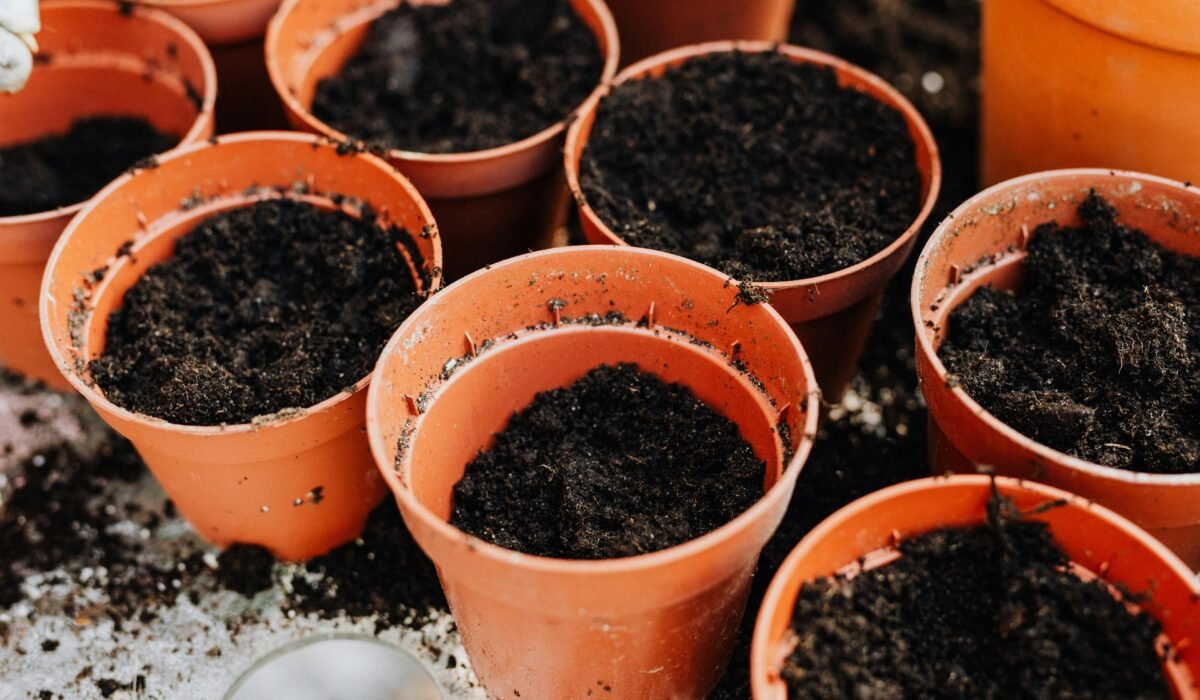
The best `potting mix for containers` is not just garden soil; it’s a specialized blend designed for container growing. Garden soil compacts too easily in pots, inhibiting root growth and `soil drainage container garden` effectiveness. Look for a high-quality, lightweight potting mix that includes:
- Peat moss or coir: For moisture retention.
- Perlite or vermiculite: For aeration and drainage.
- Compost or aged manure: For essential nutrients.
A good `potting mix for containers` provides the ideal balance of moisture retention, drainage, and aeration that container-bound roots need to thrive.
Watering and Fertilizing Your Container Vegetables
Container vegetables have distinct needs when it comes to water and nutrients compared to their in-ground counterparts. Because their root systems are confined and exposed to more elements, they require more attentive care.
Watering Essentials
Container plants typically need more frequent watering than garden beds, as pots dry out faster. Your `watering schedule container vegetables` will depend on the plant type, container size, potting mix, and local climate. In practice, feeling the soil is often more reliable than a strict calendar; stick your finger about an inch or two into the soil – if it feels dry, it’s time to water.
Consider these tips for efficient watering:
- Check Daily: Especially during hot, windy weather, check your containers daily, sometimes even twice a day.
- Water Deeply: Water until you see excess draining from the bottom of the pot, ensuring the entire root ball is moistened.
- Smart Technology: Smart gardening technology, including sensors for soil moisture, temperature, and light, is becoming more prevalent, offering real-time updates and actionable alerts to gardeners, according to Elm Dirt.
- Self-Watering Systems: `DIY self-watering containers` or commercially available self-watering window planters are excellent for vegetables like shallots or lettuce, reducing the frequency of manual watering. For larger setups, a DIY drip irrigation system can be a game-changer.
Fertilizing for Container Success
Yes, container vegetables generally need more fertilizer. The PAA question “Do container vegetables need more fertilizer?” is common, and the answer is a resounding yes. Nutrients in potting mix can leach out quickly with frequent watering, requiring regular replenishment. Your `container fertilizer needs` will vary depending on the plant’s growth stage and type.
Here’s how to ensure your plants get enough sustenance:
- Start Strong: Many quality potting mixes come with slow-release fertilizer already incorporated, providing initial nutrients.
- Regular Feeding: Begin a regular feeding schedule a few weeks after planting, using a balanced liquid fertilizer diluted to half strength every 1-2 weeks, or a slow-release granular fertilizer as per package instructions.
- Observe Your Plants: Yellowing leaves or stunted growth can signal a nutrient deficiency, prompting you to adjust your feeding regimen.
Smart Strategies for Maximizing Yield in Small Spaces
Maximizing yield in **container vegetable gardening small spaces** requires a thoughtful approach beyond just planting. What most people miss about small spaces is their potential for intensive gardening through strategic planning and clever techniques.
Embrace Vertical Gardening
`Vertical gardening systems` are paramount for compact areas, allowing you to grow upwards instead of outwards. This includes tiered planters, wall-mounted pockets, or even repurposed pallets. Integrated irrigation systems are often a feature of vertical tower gardens, simplifying watering. For detailed guidance on nourishing these systems, check out our Vertical Garden Fertilization Guide. These systems are perfect for creating `balcony vegetable garden ideas` that produce a surprising amount of food.
Practice Companion Planting
`Companion planting containers` involves placing beneficial plants together to deter pests, attract pollinators, or improve growth. For example, planting marigolds near tomatoes can help deter nematodes and other pests, while basil planted with tomatoes is said to enhance flavor. This strategy makes the most of every inch in your limited space.
Implement Succession Planting
`Succession planting pots` ensures a continuous harvest by staggering plantings or replacing spent crops. For instance, once a lettuce plant bolts in the heat, replace it with a warm-season crop like bush beans. This technique is particularly effective in containers, allowing you to rotate crops and keep your garden productive throughout the growing season.
Optimize for Light
Understanding your space’s light conditions is key. While many vegetables need full sun, don’t despair if you have partial shade. There are many `shade tolerant container vegetables` like lettuce, spinach, Swiss chard, and even some varieties of radishes and peas that can thrive with less direct light. Position your containers to maximize sun exposure, moving them as the sun’s path changes throughout the day.
Troubleshooting Common Container Gardening Problems
Even with the best intentions, container gardeners can encounter specific challenges. The short answer is, container plants are more exposed to environmental fluctuations, making them prone to issues like rapid nutrient depletion, which we’ve already discussed. Addressing these problems swiftly can save your harvest.
Here are common container-specific problems and their solutions:
- Root-Bound Plants: If your plant looks stunted, wilts frequently despite watering, or you see roots growing out of drainage holes, it’s likely root-bound. Solution: Repot into a larger container, gently loosening the root ball.
- Overheating Containers: Dark-colored containers, especially metal ones, can absorb too much heat, damaging roots. Solution: Use lighter-colored pots, shade the sides of containers during peak heat, or double-pot by placing the growing container inside a larger, decorative one.
- Wind Damage: Balconies and exposed patios can experience strong winds, toppling plants or damaging foliage. Solution: Use heavier pots, group containers together for stability, or choose compact, sturdy plant varieties. Consider creating a windbreak if possible.
- Pest Infestations: While general garden pests exist, `pest control container garden` scenarios often involve specific pests like whiteflies or aphids, which can quickly take over isolated plants. Solution: Regularly inspect plants, use organic pest control methods like neem oil or insecticidal soap, and introduce beneficial insects. For specific advice on a common nuisance, see our guide on Treat Whiteflies on Garden Plants, or for broader strategies, explore Balcony Garden Natural Pest Control.
- Disease Spread: Crowded containers or poor air circulation can encourage fungal diseases. Solution: Ensure adequate spacing between plants, prune for better airflow, and use disease-resistant varieties. Our Common Plant Diseases for Beginners guide can help with identification and treatment.
Budget-Friendly Container Gardening: DIY & Upcycled Ideas
The beauty of container gardening is its inherent resourcefulness, offering numerous ways to save money without sacrificing your green thumb. You don’t need expensive pots or specialized equipment to start your **container vegetable gardening small spaces** adventure.
Creative Container Solutions
Instead of buying new, look around your home for items that can be repurposed into planters. This is where `DIY self-watering containers` really shine.
- Repurposed Buckets: Kitty litter buckets, five-gallon paint buckets (thoroughly cleaned), or even large food-grade buckets can be transformed. Drill drainage holes in the bottom, and you have a sturdy, free container.
- Plastic Bottles & Jugs: Large water or milk jugs can be cut in half to create small planters, perfect for herbs or leafy greens.
- Tires: Old tires can be stacked to create deep planters, though ensure they are safe for food production and consider potential leaching of chemicals.
- Wooden Crates & Pallets: With a little liner and some drainage holes, these can make excellent, rustic planters.
Homemade Potting Mix Alternatives
While commercial `potting mix for containers` is convenient, you can create your own budget-friendly blends.
- Compost-Rich Mix: Combine equal parts quality compost (homemade if possible, see our Organic Composting Secrets), coco coir or peat moss, and perlite or vermiculite. This mix provides nutrients, moisture retention, and excellent drainage.
- Leaf Mold: Decomposed leaves create a wonderful, nutrient-rich soil amendment that can be used in your homemade potting mix.
- Sand/Grit: For plants that prefer sharper drainage, incorporating a small amount of coarse sand or fine gravel can improve your mix’s structure.
Creating your own mixes not only saves money but also gives you control over the ingredients, ensuring your plants grow in the best possible environment.
Year-Round Container Harvests: Extending Your Growing Season
The secret to year-round bounty isn’t magic, it’s planning and understanding how to adapt your **container vegetable gardening small spaces** to different seasons. With a few strategies, you can enjoy fresh produce far beyond the traditional growing months.
Seasonal Crop Rotation
Plan your plantings around the seasons:
- Spring/Fall: Focus on cool-season crops like lettuce, spinach, kale, radishes, and peas.
- Summer: Shift to warm-season favorites such as tomatoes, peppers, eggplant, and bush beans.
This allows you to continuously utilize your containers for optimal productivity.
Overwintering Strategies
For tender perennials or those you wish to protect from frost:
- Bring Indoors: Move smaller containers indoors to a sunny window or under grow lights. Our guide on Indoor Plant Light Requirements can help you find the perfect spot.
- Cold Frames/Cloches: For larger containers or milder climates, temporary cold frames or cloches can provide enough protection for cool-season crops to continue producing.
- Mulching: Apply a thick layer of organic mulch to containers left outdoors to insulate roots from freezing temperatures.
Indoor Container Setups
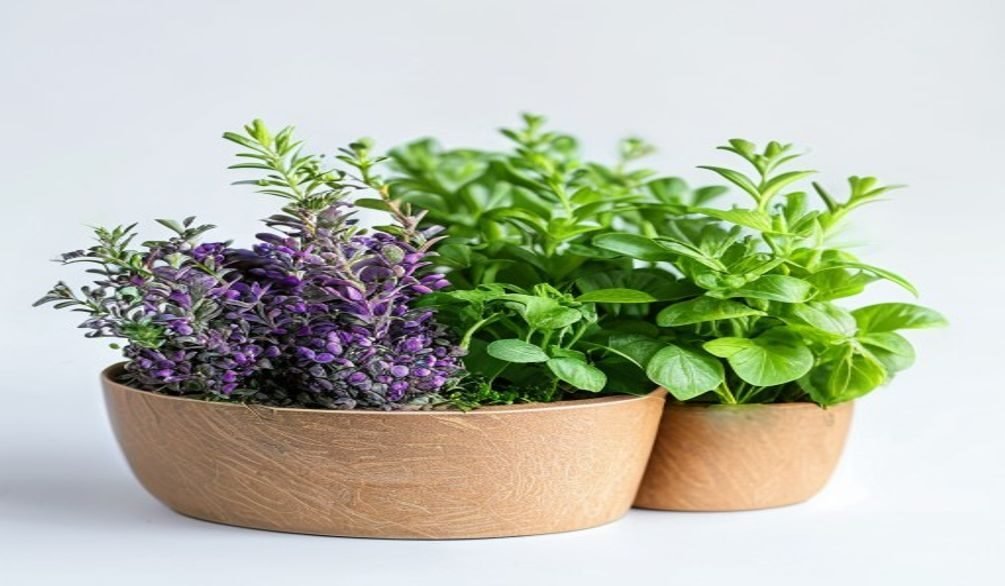
Even during the coldest months, you can maintain an indoor edible garden. Herbs like basil, mint, and chives, along with compact greens, thrive indoors. Consider setting up a dedicated indoor plant shelf with supplemental lighting to ensure adequate growth. With the right setup, you can enjoy a fresh harvest no matter what the weather outside.
Frequently Asked Questions
What vegetables can be grown in containers anywhere?
Many vegetables are well-suited for container gardening, making it possible to grow fresh produce almost anywhere you have sunlight. Leafy greens like lettuce, spinach, and kale, along with herbs, radishes, bush beans, and compact varieties of tomatoes and peppers, are excellent choices due to their manageable size and productivity in pots. The key is selecting varieties specifically bred for containers and providing adequate sun and care.
What is the easiest vegetable to grow in a container?
The easiest vegetables to grow in containers are typically leafy greens such as lettuce, spinach, and Swiss chard, along with radishes and many common herbs. These plants have shallow root systems, grow relatively quickly, and often tolerate partial shade, making them forgiving for beginners. They also allow for “cut-and-come-again” harvesting, providing multiple yields from a single planting.
What size container do I need for vegetables?
The ideal container size depends on the vegetable you’re growing; generally, deeper is better than wider. For small plants like lettuce or herbs, 6-8 inch deep pots are sufficient. Medium-sized vegetables like bush beans, peppers, or carrots need at least 8-12 inches of depth, while larger plants such as tomatoes or eggplant require 15-20 gallon containers or larger to support their extensive root systems and fruit production.
What is the best soil for container vegetables?
The best soil for container vegetables is a high-quality, lightweight potting mix specifically formulated for containers, not garden soil. This specialized mix typically contains peat moss or coco coir for moisture retention, perlite or vermiculite for aeration and drainage, and some compost for nutrients. It provides the ideal balance of structure, drainage, and water-holding capacity that container-bound roots need to thrive.
Embracing container vegetable gardening for small spaces opens up a world of fresh, homegrown possibilities, regardless of your living situation. By applying these expert strategies for plant selection, proper care, and space optimization, you can cultivate a thriving garden that yields abundant harvests. Start your container garden today and experience the joy of growing your own food, right at your fingertips.