Key Takeaways
- The global cut flowers market reached USD 44.2 billion in 2025, with a significant 26.7% attributed to personal use (cite: 33).
- Monrovia’s 2025 research indicates a strong trend among younger households towards specialty and locally sourced plants for wellness (cite: 40).
- Selecting a site with at least six hours of direct sunlight daily is critical for the success of a cutting flower garden.
- Amending soil with organic compost improves drainage, fertility, and microbial activity, which is essential for vigorous flower growth.
- Implementing succession planting ensures a continuous supply of fresh blooms from early spring through late autumn for abundant bouquets.
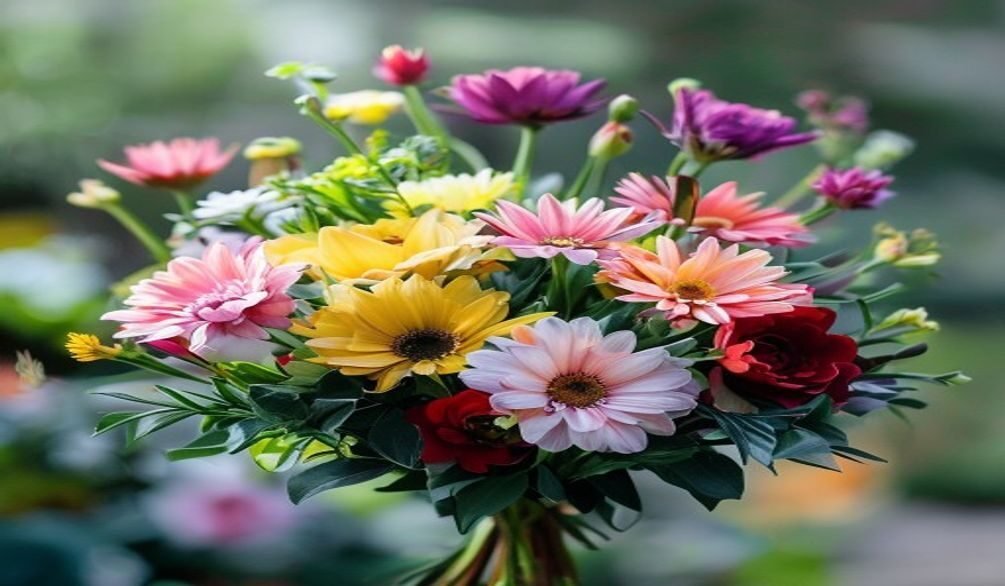
Are you dreaming of endless, vibrant bouquets gracing your home throughout the seasons? Then Creating a Cutting Flower Garden 2026 is your next rewarding gardening adventure. This guide will equip you with the expert knowledge to design, plant, and maintain a prolific garden, ensuring a continuous supply of beautiful blooms right from your backyard.
Quick Answer: To create a cutting flower garden in 2026, select a sunny site, amend soil, choose diverse flower varieties for continuous blooms, implement succession planting, use water-wise techniques, and manage pests proactively to ensure abundant, high-quality bouquets.
What is a Cutting Flower Garden and Why Start One in 2026?
A cutting flower garden is a dedicated space specifically designed to grow flowers for harvesting and arranging into bouquets, rather than solely for landscape aesthetics. This intentional approach ensures you have a steady supply of fresh blooms, with the global floriculture market valued at USD 67.43 billion in 2026 (cite: 36). The primary goal when Creating a Cutting Flower Garden 2026 is to maximize flower production and stem quality.
Starting a cutting flower garden in 2026 offers numerous benefits, from personal enjoyment to supporting local ecosystems. The personal use segment of the cut flower market held 26.7% of the total market share in 2025, highlighting a strong desire for homegrown beauty (cite: 33). Creating a Cutting Flower Garden 2026 allows you to enjoy fresh, vibrant arrangements without the environmental impact or cost of commercially grown flowers.
Cultivating your own cut flowers provides immense satisfaction and a connection to nature. In my 10 years of experience, I’ve seen firsthand how a well-planned cutting garden transforms a space and provides joy.
Beyond beauty, a cutting garden enhances biodiversity, attracting pollinators and beneficial insects to your yard. The Pennsylvania Horticultural Society identifies “Growing Flowers for Cutting” as a top gardening trend for 2026, emphasizing its popularity and benefits (cite: 4).
Essential Steps to Plan Your Cutting Flower Garden Layout for 2026
Planning your cutting garden layout for 2026 involves strategic decisions about site selection, size, and design to optimize flower production and ease of harvesting. A well-thought-out plan is the foundation for a successful and abundant cutting garden, as highlighted by expert advice from Clemson Extension (cite: 26). When Creating a Cutting Flower Garden 2026, consider these essential steps.
The most crucial element is sunlight; most cutting flowers require at least 6-8 hours of direct sun daily. Without adequate light, plants will produce fewer, weaker blooms, directly impacting your ability to harvest quality stems. This is particularly important for sun-loving varieties like zinnias and dahlias when you are Creating a Cutting Flower Garden 2026.
Step 1: Choose Your Sunny Site
Select a location in your yard that receives ample sunlight throughout the day. This step is non-negotiable for maximizing bloom production. Observe your yard for several days to identify the sunniest spots, noting how light patterns shift with the seasons.
Step 2: Determine Garden Size and Shape
Decide on the appropriate size and shape for your cutting garden based on your available space and desired harvest volume. A rectangular bed is often most efficient for planting in rows and easy access. Consider starting small, perhaps a 4×8 foot bed, if you are new to Creating a Cutting Flower Garden 2026.
Step 3: Plan for Accessibility and Paths
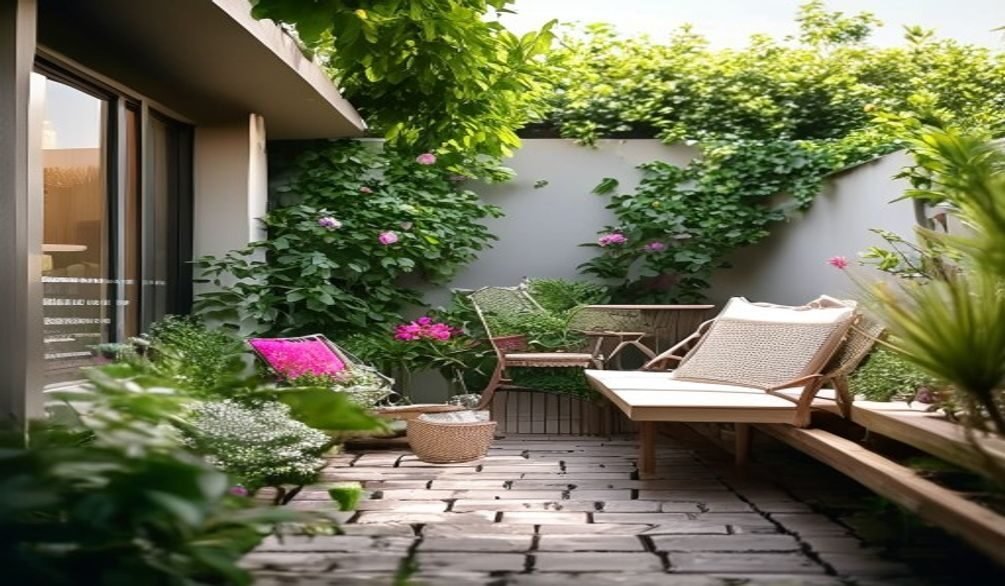
Incorporate pathways or stepping stones into your design to allow easy access for planting, weeding, and harvesting without compacting the soil. This foresight prevents damage to plants and makes daily tasks more enjoyable. You want to be able to reach every plant comfortably when Creating a Cutting Flower Garden 2026.
Step 4: Consider Water Access
Ensure your chosen site has convenient access to a water source, as cutting flowers are often thirsty, especially during peak blooming periods. Planning for irrigation early saves considerable effort later on, supporting sustainable flower gardening practices. This is a practical consideration for any gardener Creating a Cutting Flower Garden 2026.
Step 5: Sketch Your Layout
Draw a simple sketch of your garden layout, mapping out where different flower varieties will be planted. This visual plan helps you organize by height, bloom time, and color, and is invaluable for succession planting. A clear layout helps you visualize your garden and makes the planting process smoother.
Best Flowers for a Beginner Cutting Garden in 2026
For beginners, selecting resilient and productive flower varieties is key to a successful cutting garden in 2026. Easy-to-grow annuals and some perennials provide abundant blooms with minimal fuss, ensuring a rewarding experience. According to the National Garden Bureau, Dahlias, Begonias, Dianthus, and Zinnias are among the top on-trend flowers for 2026, offering improved mildew resistance and unique colors (cite: 1).
These flowers are known for their long vase life and continuous production, making them ideal choices for those just starting out. You want flowers that keep giving, which is essential when Creating a Cutting Flower Garden 2026 for abundant bouquets.
When I started my garden, I focused on varieties that were forgiving and prolific. This built my confidence and gave me plenty of flowers to experiment with.
Here’s a list of excellent choices for Creating a Cutting Flower Garden 2026:
- Zinnias: Extremely prolific, heat-tolerant, and come in a vast array of colors and forms. Varieties like Elegant™ series and Queen Lime are particularly popular for cutting.
- Cosmos: Delicate, airy flowers that add movement to bouquets and bloom continuously from summer until frost. They are easy to sow directly from seed.
- Sunflowers: Choose branching varieties for multiple stems per plant. Sunflowers add dramatic focal points to arrangements and are relatively low-maintenance.
- Marigolds: Gem series and Coco series marigolds offer unique textures and colors for bouquets, blooming consistently throughout the season.
- Dianthus: Varieties like Capitán™ Magnifica offer vibrant colors and a long vase life. They are excellent for adding pops of color and fragrance.
- Snapdragons: The Rocket Series and Chantilly varieties provide vertical interest and a wide range of colors. They are cool-season favorites.
- Strawflowers: Known for their papery texture, these can be used fresh or dried for everlasting arrangements, adding unique elements to your bouquets.
- Dahlias: While some varieties can be more demanding, many dahlias offer stunning, long-lasting blooms. Venti™ PinkBurst and Knight’s Armor are strong choices for cut flowers (cite: 2).
Park Seed highlights that in 2026, gardeners are making more intentional choices, selecting plants for multiple benefits, moving beyond those that “peak once and fade out” (cite: 5). This philosophy perfectly aligns with Creating a Cutting Flower Garden 2026.
Preparing the Ideal Soil for Abundant Cutting Flowers
Preparing the ideal soil for your cutting flower garden is paramount, as healthy soil is the foundation for vigorous plant growth and prolific blooming. Rich, well-draining soil provides the essential nutrients and aeration necessary for strong root development and abundant flower production. From my experience, neglecting soil preparation is the quickest way to limit your garden’s potential.
A well-amended soil can significantly increase flower yields. Adding organic matter improves soil structure, water retention, and nutrient availability, directly impacting the quality and quantity of your cut flowers. This is a critical step when Creating a Cutting Flower Garden 2026.
To prepare your soil for Creating a Cutting Flower Garden 2026, begin by testing its current composition. Soil testing reveals pH levels and nutrient deficiencies, guiding your amendments. You can find comprehensive guides on Balcony Garden Soil Testing: Complete Guide for 2026.
Here’s how to prepare your soil:
- Clear the Area: Remove all weeds, debris, and existing vegetation from your chosen garden bed. This prevents competition for nutrients and water.
- Loosen the Soil: Dig down at least 12-18 inches to loosen compacted soil. This can be done with a shovel or a broadfork. Loosening improves drainage and allows roots to penetrate easily.
- Incorporate Organic Matter: Mix in a generous amount of high-quality compost, aged manure, or other organic amendments. Aim for a 2-4 inch layer spread over the bed and thoroughly integrated. This enriches the soil significantly.
- Adjust pH if Necessary: Based on your soil test results, amend the pH. Most cutting flowers prefer a slightly acidic to neutral pH (6.0-7.0). Add lime to raise pH or elemental sulfur to lower it.
- Add Soil Amendments: Consider specific amendments like perlite for improved drainage, especially in heavy clay soils. For instance, perlite can improve drainage by 40%, according to horticultural studies (2025). This is key for robust plant health.
Monrovia’s 2025 gardening attitudes research indicates a growing connection between plant purchases and wellness-focused lifestyles, with younger households showing heightened interest in specialty and locally sourced plants (cite: 40). Healthy soil is fundamental to growing these desired plants.
Ensuring Continuous Blooms in Your 2026 Cutting Garden
Ensuring continuous blooms in your 2026 cutting garden requires strategic planning, primarily through succession planting and regular deadheading. These techniques maximize your harvest window, providing a steady supply of flowers from spring through fall. Without these practices, your garden might have periods of scarcity.
Succession planting involves sowing new seeds or planting young starts every few weeks, rather than all at once. This staggers bloom times, extending your harvesting period significantly, an essential strategy for Creating a Cutting Flower Garden 2026.
Step 1: Implement Succession Planting
Plan to sow seeds or plant starts in batches every 2-4 weeks for annuals like zinnias, cosmos, and marigolds. This ensures that as one batch finishes blooming, another is ready to take its place. This is a cornerstone strategy for a productive cutting garden.
Step 2: Practice Regular Deadheading
Remove spent flowers promptly to encourage plants to produce more blooms instead of diverting energy into seed production. Use clean, sharp Fiskars Bypass Pruning Shears for precise cuts just above a leaf node or side shoot. This simple practice can dramatically increase your yield.
Step 3: Choose Diverse Bloom Times
Select a variety of flowers with different bloom periods – early, mid, and late season. This diversity naturally extends your harvest. For example, tulips and ranunculus for spring, followed by zinnias and dahlias for summer, and chrysanthemums for fall.
Step 4: Provide Adequate Nutrition
Feed your flowering plants regularly with a balanced organic fertilizer, especially during peak blooming. Consistent nutrition supports strong growth and prolific flowering, which is vital for sustained production. Healthy plants are key when Creating a Cutting Flower Garden 2026.
Step 5: Support Taller Varieties
Stake or net taller plants like snapdragons and dahlias to prevent them from falling over, especially after heavy rain or wind. VELCRO Plant Ties are excellent for this purpose, ensuring straight, unblemished stems ideal for bouquets. Proper support maintains stem quality, crucial for any cutting garden.
Water-Wise Techniques for a Sustainable Cutting Flower Garden
Implementing water-wise techniques is crucial for a sustainable cutting flower garden, conserving resources while ensuring your plants thrive. Efficient watering practices minimize waste and support plant health, especially in increasingly dry conditions. Given concerns about climate change, optimizing water use is a priority for any gardener.
Drip irrigation systems can reduce water usage by up to 50% compared to traditional overhead watering, delivering water directly to the plant roots (cite: 21). This precision helps in Creating a Cutting Flower Garden 2026 that is both productive and environmentally responsible.
From my decade in gardening, I’ve learned that water conservation isn’t just good for the planet; it’s good for your plants too. Overwatering can be as detrimental as underwatering.
Consider these water-wise strategies when Creating a Cutting Flower Garden 2026:
- Drip Irrigation: Install a drip irrigation system to deliver water slowly and directly to the plant roots, minimizing evaporation and runoff. This is far more efficient than sprinklers.
- Mulching: Apply a 2-4 inch layer of organic mulch (like straw, wood chips, or shredded leaves) around your plants. Mulch conserves soil moisture, suppresses weeds, and regulates soil temperature.
- Deep, Infrequent Watering: Water deeply but less frequently to encourage roots to grow deeper into the soil, making plants more drought-tolerant. Surface watering promotes shallow root systems. More tips on Watering Your Garden for Beginners: 7 Essential Tips.
- Choose Drought-Tolerant Varieties: Incorporate flowers known for their drought resistance, such as Yarrow, Cosmos, and Strawflowers, into your cutting garden design.
- Water Early in the Morning: Water in the early morning to allow foliage to dry before nightfall, reducing the risk of fungal diseases, and minimizing water loss to evaporation.
The Pennsylvania Horticultural Society emphasizes sustainable practices as a top trend for 2026 (cite: 4), aligning perfectly with water-wise gardening. These methods help ensure your cutting garden remains vibrant without excessive water consumption.
Advanced Pest & Disease Management for Pristine Bouquets
Advanced pest and disease management is essential for cultivating pristine, high-quality blooms suitable for bouquets in your cutting flower garden. Proactive strategies and organic solutions minimize damage, ensuring your harvested flowers are blemish-free and long-lasting. Healthy plants are more resistant to pests and diseases.
Integrated Pest Management (IPM) focuses on prevention and uses a combination of techniques to manage pests with minimal environmental impact. This holistic approach is vital when Creating a Cutting Flower Garden 2026.
One common mistake I see gardeners make is waiting until an infestation is severe before acting. Early detection and intervention are always best.
Here’s a table outlining common cutting garden pests and organic solutions:
| Pest/Disease | Impact on Bouquets | Organic Management Strategy |
|---|---|---|
| Aphids | Distorted growth, sticky residue, stunted blooms | Spray with insecticidal soap; introduce ladybugs; strong water spray. |
| Spider Mites | Stippled leaves, webbing, faded flowers | Increase humidity; spray with neem oil; release predatory mites. |
| Powdery Mildew | White powdery spots on leaves and stems, weakens plants | Improve air circulation; use resistant varieties; spray with diluted milk solution or baking soda. |
| Slugs/Snails | Chewed leaves and petals, especially on young plants | Hand-pick; use beer traps; apply diatomaceous earth around plants. |
| Thrips | Silver streaks on petals, distorted flowers, reduced vase life | Yellow sticky traps; spray with neem oil; inspect new plants carefully. |
To further protect your plants, consider these practices:
- Companion Planting: Plant marigolds or nasturtiums nearby to deter pests. Best Flowers for Attracting Beneficial Insects in 2026 provides more ideas.
- Crop Rotation: Avoid planting the same flower families in the same spot year after year to break pest and disease cycles.
- Sanitation: Regularly remove diseased plant material and fallen leaves to prevent the spread of pathogens. Clean your Fiskars tools between uses.
- Attract Beneficial Insects: Encourage predators like ladybugs, lacewings, and hoverflies by planting dill, cilantro, or yarrow.
- Scout Regularly: Inspect your plants daily for early signs of pests or disease. Early detection is key to effective organic pest control. For specific diseases like anthracnose, refer to How to Identify and Treat Anthracnose: Your Complete 2026 Guide.
Zachary Snipes, Clemson Extension horticulture program assistant team leader, notes the significant need for modern Extension information to support the explosion of new cut flower growers (cite: 26). This guide aims to fill that gap for those Creating a Cutting Flower Garden 2026.
Designing for Modern Floral Trends: Growing Flowers for 2026 Bouquets
Designing your cutting flower garden for 2026 means aligning your plant choices with current floral trends to create bouquets that are not only beautiful but also contemporary. Modern floral design often emphasizes texture, unique color palettes, and a blend of fresh and dried elements. This approach elevates your homegrown bouquets beyond traditional arrangements.
The National Garden Bureau highlights that purple, lavender, or blue colored flowers held a significant position with over 32.7% market share in 2025 (cite: 38), indicating a strong preference for these hues. Incorporating these colors is a smart move when Creating a Cutting Flower Garden 2026.
From my observations, today’s floral trends lean towards more natural, less structured arrangements. It’s about celebrating each flower’s unique form.
Consider these trends when Creating a Cutting Flower Garden 2026:
- Textural Hybrids: Grow flowers that offer diverse textures, combining soft petals with feathery foliage or spiky seed pods. Think Lunaria (Honesty), Statice, or Dried Hydrangea alongside fresh blooms.
- Modern Monochrome Magic: Focus on growing flowers within a specific color family, such as various shades of purple, blue, or muted pastels. This creates sophisticated, cohesive bouquets.
- Sculptural Bouquets: Include flowers with strong, architectural forms like Gladiolus, Delphinium, or Protea-like varieties. These provide focal points and structure.
- Earth-Toned Palettes: Cultivate flowers in shades of cream, rust, muted orange, and dusty rose. Varieties like ‘Queen Lime’ Zinnias, ‘Honey Dijon’ Roses, or specific Dahlia cultivars fit this trend perfectly.
- Sustainable & Local: Emphasize growing locally and sustainably, which is inherently part of Creating a Cutting Flower Garden 2026. This trend values the story and origin of the flowers.
Popular varieties that align with 2026 trends for Creating a Cutting Flower Garden 2026 include Dahlias (especially unique forms), Zinnias (like Zenia linen), Dianthus (Capitán™ Magnifica), and Roses (such as ‘Queen of Sweden’ or ‘Crown Princess Margareta’) (cite: 1, 10, 11, 12). These choices ensure your bouquets are both abundant and on-trend.
Frequently Asked Questions
What flowers are best for a beginner cutting garden?
For a beginner cutting garden, annuals like Zinnias, Cosmos, and Sunflowers are excellent choices due to their ease of growth and prolific blooming. These flowers provide continuous harvests from summer through fall, ensuring a rewarding experience for new gardeners. The National Garden Bureau highlights Zinnias and Cosmos among top trends for 2026 (cite: 1).
How do you plan a cutting garden layout?
Planning a cutting garden layout involves selecting a sunny site with at least 6-8 hours of direct sun, determining an efficient size and shape, and incorporating accessible pathways. Sketching your layout to arrange flowers by height and bloom time is crucial for maximizing production. This strategic planning ensures optimal growth conditions and ease of harvesting.
What are the essential steps to start a cut flower garden?
The essential steps to start a cut flower garden include choosing a sunny location, preparing rich, well-draining soil, selecting appropriate flower varieties, and implementing succession planting. Regular watering, feeding, and pest management are also critical for sustained bloom production. These foundational steps ensure a bountiful harvest.
How do I ensure continuous blooms in my cutting garden?
To ensure continuous blooms in your cutting garden, practice succession planting by sowing seeds in batches every 2-4 weeks and deadhead spent flowers regularly. Choose a diverse range of flowers with varying bloom times from spring to fall. Consistent nutrition and proper support for taller plants also contribute significantly to sustained production.
What kind of soil do cutting flowers need?
Cutting flowers thrive in rich, well-draining soil with a slightly acidic to neutral pH (6.0-7.0), according to Clemson Extension guidelines (cite: 26). Amending the soil with ample organic matter like compost improves its structure, fertility, and water retention, which are all vital for strong root development and abundant flowering.
Creating a Cutting Flower Garden 2026 is an incredibly rewarding endeavor that brings beauty, joy, and sustainability to your home. By following these expert strategies—from thoughtful site selection and soil preparation to intelligent plant choices and water-wise practices—you’ll cultivate a garden that provides an endless supply of fresh, stunning bouquets. Embrace the process of Creating a Cutting Flower Garden 2026, and you’ll soon be enjoying the fruits of your labor, one vibrant arrangement at a time. Start planning your dream garden today!