Feeling that familiar chill in the air and wondering how to keep your fragrant friends thriving? Successfully **winterizing outdoor herb garden** plants is crucial for ensuring they return vibrant and healthy next spring, saving you time and effort. This comprehensive guide will walk you through essential techniques, tailored advice, and expert insights to protect herbs winter outdoors, guaranteeing their survival through the harshest months.
Understanding Herb Hardiness: Which Herbs Survive Winter Outdoors?
Before you start bundling up your entire herb patch, it’s vital to understand the concept of hardiness. Not all herbs are created equal when it comes to tolerating cold, and knowing your USDA hardiness zone is the first step in successful overwintering. As horticulture expert Katherine Rowe from Epic Gardening notes, “Plenty of our most-used and loved herbs are winter-hardy and make sturdy perennials across growing zones.”
Herbs generally fall into a few categories:
- Tender Perennials/Annuals: These herbs cannot withstand frost and will die at the first hard freeze. Examples include basil, lemon verbena, and often rosemary in colder zones. They typically need to be brought indoors or replanted annually.
- Half-Hardy Perennials: These can tolerate light frost and cold temperatures but need protection in colder climates or during prolonged freezes. Think bay laurel, lavender, and some rosemary varieties.
- Hardy Perennials: These robust herbs can survive winter outdoors in many climates, often dying back to the ground but returning from their roots in spring. Mint, chives, thyme, sage, and oregano are excellent examples of truly winter hardy herbs.
Your local USDA hardiness zone dictates which herbs are naturally resilient and which require intervention. For instance, `winter hardy herbs zone 7` will thrive with less fuss than those in zone 5.
When to Start Winterizing Your Outdoor Herb Garden
Timing is everything when it comes to preparing your herbs for winter. The general rule of thumb is to begin your winterizing efforts *before* the first hard frost, typically when nighttime temperatures consistently dip below 40-45°F (4-7°C). This usually occurs in late autumn, often October or November depending on your region.
What most people miss is that it’s not just about freezing temperatures; it’s the combination of factors that stresses plants. As Jill McSheehy of The Beginner’s Garden points out, “A lot of herbs actually handle cold weather better than we think, but winter can still be stressful on their roots and overall growth. The biggest challenges aren’t just low temperatures — it’s the combination of cold, wet soil and sudden temperature swings.” Starting early allows your herbs to gradually adjust and build resilience before extreme conditions hit. Waiting too long can leave your plants vulnerable, making effective `herb garden cold weather` protection much harder.
Essential Winterizing Techniques for Outdoor Herbs
To give your outdoor herbs the best chance of survival, a combination of protective measures is often required. These techniques focus on insulating roots, shielding from harsh winds, and maintaining consistent moisture.
Mulching for Insulation
Mulching is one of the most effective and straightforward ways to `protect herbs winter outdoors`. A thick layer of mulch acts as an insulating blanket, regulating soil temperature and preventing damaging freeze-thaw cycles that can heave plants out of the ground. NC State Extension Publications confirms, “Mulch is an adequate winter protection for herbs such as mint, chives, and fennel providing protection to minus 20°F.”
Wait until after the first hard freeze, when the ground has cooled but not yet frozen solid, to apply your mulch. Applying it too early can keep the soil warmer than ideal, potentially decreasing winter hardiness, as NC State also advises.
Effective mulches include:
- Straw
- Pine needles
- Chopped leaves
- Shredded bark
- Wood chips
- Pine straw
Aim for a 3- to 6-inch layer around the base of your perennial herbs. This layer helps with `mulching herbs for winter` and provides crucial `frost protection herbs` need.
Protective Structures and Microclimates
Beyond mulching, physical barriers can offer significant `caring for herbs in winter` benefits, especially for marginally hardy plants or in exposed locations. These structures protect against strong winds, heavy snow, and extreme cold.
Consider these options:
- Cloches: Bell-shaped glass cloches (like Haxnicks Original Victorian Bell Garden Cloche) or even DIY versions from 1-gallon plastic milk jugs can protect individual plants from frost and trap warmth.
- Cold Frames: A `cold frame herb garden` provides a miniature greenhouse effect. These structures, often with a clear lid, allow sunlight in while shielding plants from harsh elements. They are excellent for extending the growing season and overwintering more tender perennials.
- Row Covers: Made from breathable fabric (e.g., AgFabric Floating Row Cover), these can be draped over hoops to create a protective tunnel for multiple plants, guarding against frost and wind.
- Cages: For larger, shrubby herbs like rosemary, you can create a cage from hardware cloth or chicken wire, then fill it with straw or chopped leaves for insulation.
Furthermore, savvy gardeners can leverage natural `microclimates for herbs` within their garden. South-facing walls, sheltered corners, or areas adjacent to heat-retaining structures can naturally offer a few degrees of extra warmth, making a big difference for borderline hardy plants.
Ensuring Proper Drainage
One of the biggest threats to herbs in winter isn’t just the cold, but the combination of cold and excessive moisture. Saturated soil can lead to root rot and make roots more susceptible to freezing damage. Ensure your garden beds have excellent drainage, especially for Mediterranean herbs that prefer drier conditions. You might also consider amending heavy clay soils with compost or sand in the fall to improve water percolation. For more on managing water effectively, you can explore our guide on Basic Garden Irrigation Methods.
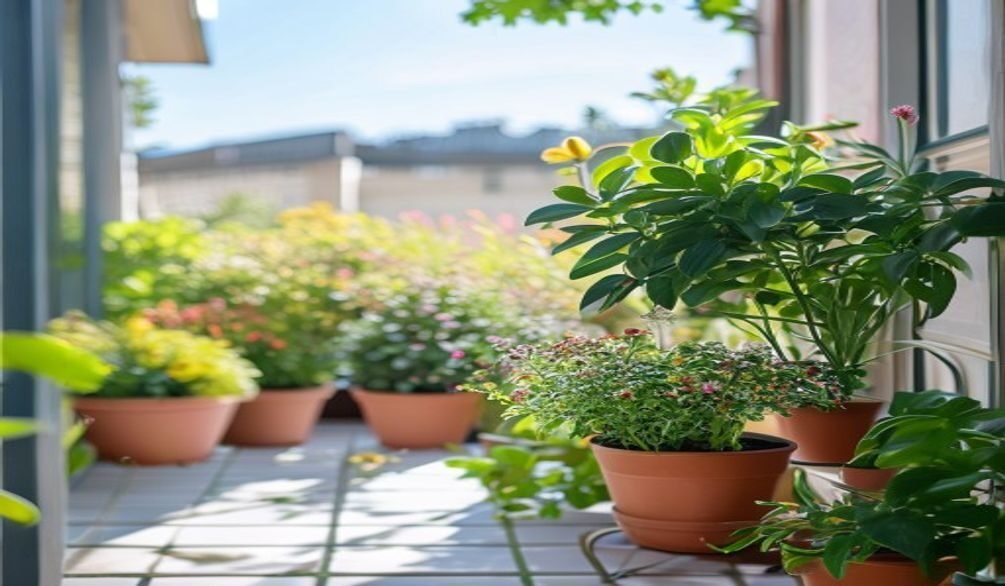
How to Winterize Potted Herbs for Outdoor Survival
Potted herbs face unique challenges compared to their in-ground counterparts. As Jonathan Foster from the University of Maine Cooperative Extension explains, “Winter hardy perennial herbs can indeed be overwintered outdoors, but you are correct that they need a bit of preparation–especially potted ones, as the unprotected soil will freeze faster than root balls planted in the ground.” The soil in containers freezes much more quickly and completely, leaving roots exposed to colder temperatures.
Here’s how to ensure `overwintering herbs in pots` is successful:
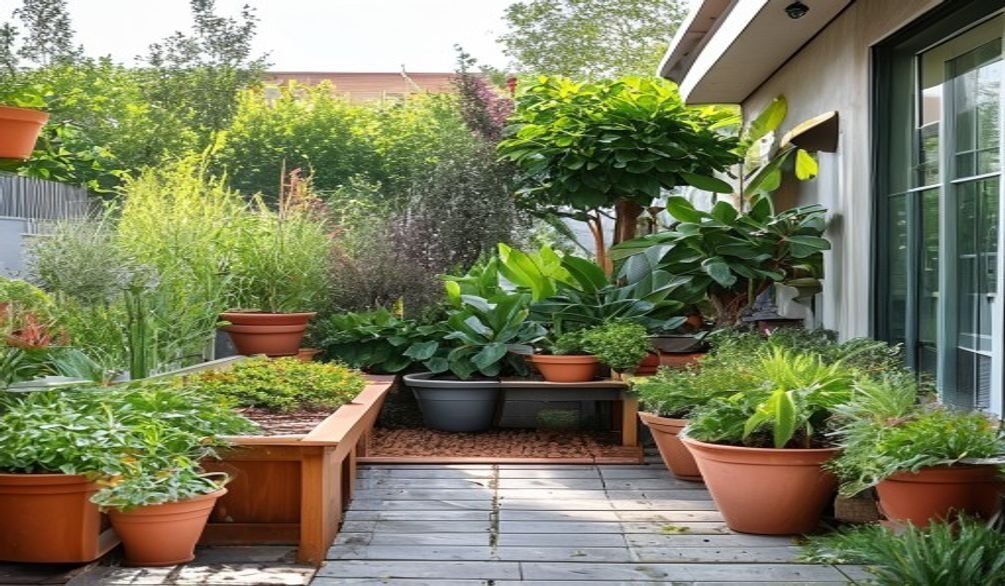
- Insulate the Pots: Group pots together in a sheltered spot, ideally against a south-facing wall. You can also wrap pots with burlap, bubble wrap, or straw for added insulation. Placing pots inside larger, unglazed ceramic pots with insulating material (like leaves or straw) in between can also work wonders.
- Elevate Pots: Prevent pots from sitting directly on cold, wet ground by placing them on pot feet or bricks. This improves drainage and prevents the roots from freezing to the ground.
- Choose the Right Potting Mix: Studies on container gardening highlight that well-draining potting mixes increase plant survival rates by nearly 30 percent for indoor herbs, a crucial factor when moving plants inside for winter. Ensure your pots have good drainage holes and use a quality, well-draining potting mix.
- Water Sparingly: While you don’t want them to dry out completely, reduce watering significantly as temperatures drop. Overwatering can lead to root rot, especially in cold conditions.
These steps are vital for any gardener looking to `protect herbs winter outdoors` when they are in containers.
Zone-Specific Care: Detailed Plans for Common Herbs
Applying a blanket approach to `caring for herbs in winter` simply won’t cut it. Here are detailed, zone-specific strategies for some popular herbs:
Rosemary (Rosmarinus officinalis)
Rosemary is a bit finicky. Varieties like ‘Arp’ and ‘Hill Hardy’ offer more cold tolerance. To `protect rosemary winter` outdoors:
- Zones 7-10: Generally hardy. Mulch heavily (4-6 inches) around the base after the ground cools. Ensure excellent drainage. Consider a windbreak if in an exposed location.
- Zones 6-7 (Borderline): Requires significant protection. Plant in a very sheltered spot (e.g., against a south-facing brick wall). Mulch heavily. Cover with frost cloth or a chicken wire cage filled with straw after consistent freezing temperatures. For potted rosemary, follow the potted herb winterizing steps strictly, or consider bringing indoors during the coldest spells.
- Zones 5 and Colder: Best treated as an annual or brought indoors for winter.
Thyme (Thymus vulgaris)
Most thyme varieties are quite hardy.
- Zones 5-9: Generally hardy. Apply a light layer of mulch (2-3 inches) after the first hard freeze to protect roots. Ensure good drainage, as wet feet are more detrimental than cold for thyme.
- Zones 4 and Colder: Mulch more heavily (4 inches) or consider covering with a cold frame.
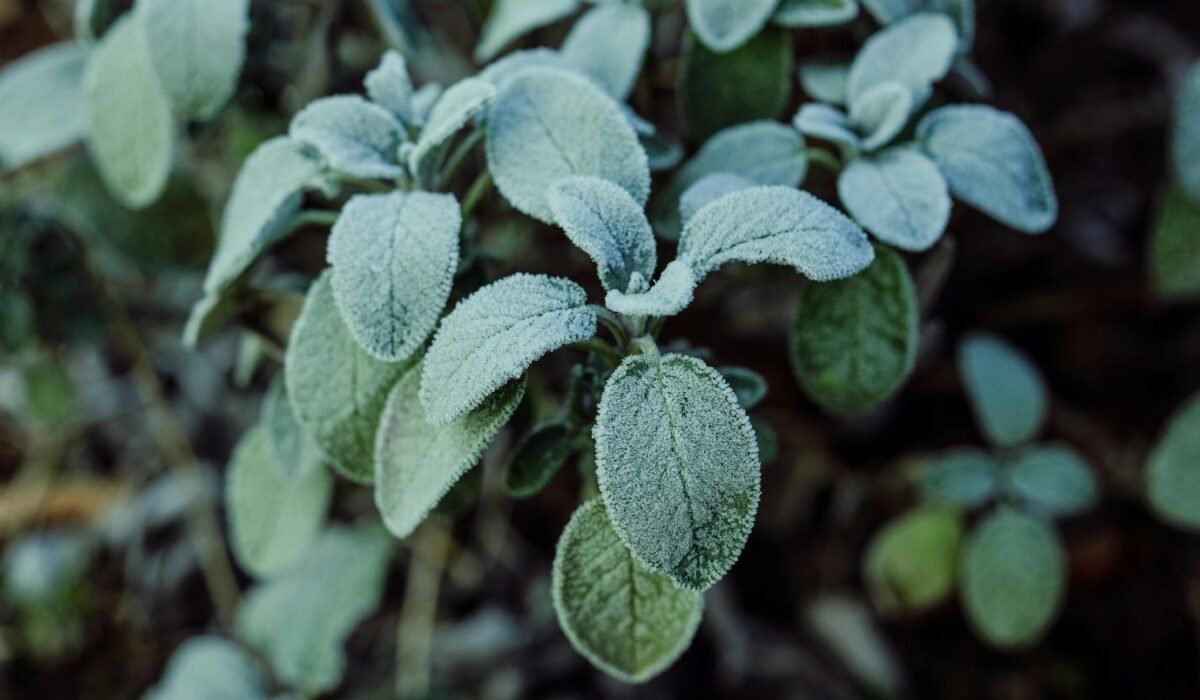
Sage (Salvia officinalis)
Garden sage is reliably hardy in many regions.
- Zones 5-9: Hardy. Mulch around the base with 3-4 inches of straw or chopped leaves. Avoid heavy pruning in fall; wait until spring.
- Zones 4 and Colder: Provide extra mulch and consider a protective cover or planting in a sheltered spot.
Mint (Mentha spp.) & Chives (Allium schoenoprasum)
These are incredibly resilient `overwintering perennial herbs` that often die back completely but reliably return from their roots.
- Zones 3-9: Extremely hardy. Cut back dead foliage after the first hard freeze. Apply a 2-4 inch layer of mulch for added root protection, although they often survive without it.
Basil (Ocimum basilicum)
Basil is a tender annual. It will die at the first hard frost. It is generally not winterized outdoors. Your options are to harvest thoroughly before frost, or `bringing herbs indoors winter` to continue growing. For most, replanting in spring is the easiest approach.
Should You Prune or Cut Back Herbs Before Winter?
The short answer for most perennial herbs is: avoid heavy pruning in the late fall or early winter. While it might seem like a good idea to tidy up your `herb garden cold weather` plants, significant cutting back can actually stimulate new growth, which is tender and highly susceptible to frost damage. This tender growth will then struggle to harden off before the deep cold arrives, making the plant weaker overall.
For woody herbs like rosemary, sage, and thyme, a light trim to remove any dead or diseased branches is acceptable. However, save any major shaping or harvesting for spring. For herbaceous perennials like mint and chives, you can cut back the dead or dying foliage to ground level after the first hard frost. This cleans up the garden and allows new growth to emerge unhindered in spring.
Bringing Tender Herbs Indoors: When and How
For truly tender herbs or those in zones too cold for outdoor overwintering, bringing them indoors is your best bet. This allows you to continue harvesting fresh ingredients throughout the colder months. Interest in home-based food production, including indoor herb growing, has increased as housing studies reported adults spend **over 85 percent of daily time indoors**.
When to bring them in:
Move plants indoors when nighttime temperatures consistently drop below 45-50°F (7-10°C), or before the first predicted frost. Basil, lemon verbena, and sometimes even parsley and oregano, benefit greatly from this transition.
How to prepare them:
- Inspect for Pests: Thoroughly check plants for any signs of insects (aphids, spider mites, etc.). Treat any infestations before bringing them inside to avoid introducing pests to your indoor plants. You can hose them down gently or use an organic insecticidal soap.
- Repot if Necessary: If your herb is in a large, heavy container, consider carefully digging up a smaller portion to repot into a more manageable size for indoor living.
- Acclimate Gradually: Don’t shock your herbs by moving them directly from full sun outdoors to a dim indoor corner. Gradually introduce them to lower light levels and warmer temperatures over a week or two.
- Provide Adequate Light: Indoor herbs need plenty of light. Place them in a south-facing window or under grow lights. Consider our guide on Best Grow Lights for Indoor Plants for more options.
- Adjust Watering: Indoor plants typically need less water than outdoor plants. Check the soil moisture regularly and water when the top inch or two feels dry. For specific advice, see our article How to Water Herbs: A Thriving Plant Guide.
This careful process ensures a smooth transition for `bringing herbs indoors winter`, allowing them to thrive.
Post-Winter Recovery: Reviving Your Outdoor Herb Garden in Spring
Even with the best winterizing efforts, spring can bring surprises. Don’t despair if some herbs look a bit worse for wear or even appear dead. Many perennial herbs are remarkably resilient, and a little careful attention can lead to a full `post-winter herb revival`.
Here’s how to assess and revive your outdoor herbs:
1. Patience is Key: Resist the urge to declare plants dead too early. Many hardy perennials, like mint and chives, die back completely and new shoots emerge from the roots. Wait until the danger of hard frost has passed and temperatures are consistently mild before making final judgments.
2. Gradual Uncovering: If you used heavy mulching or protective covers, gradually remove them as spring approaches. This prevents shocking the plants and allows them to acclimate to increasing light and warmth. Remove layers over a week or two, rather than all at once.
3. Assess Damage: Gently scratch the stem of woody herbs like rosemary or sage. If you see green tissue underneath, the plant is still alive. Dead branches will be brittle and brown throughout.
4. Prune Dead Material: Once new growth begins to appear, carefully prune away any dead or severely damaged branches. Cut back to healthy, green wood. This encourages new, vigorous growth.
5. Gentle Watering and Fertilizing: As plants emerge, ensure they receive adequate water, especially if spring is dry. A light application of a balanced, organic fertilizer can provide a boost, but avoid over-fertilizing.
6. Consider Replanting: For annuals or marginally hardy perennials that didn’t make it, spring is the perfect time to replant. Sometimes, the cost and effort of extreme overwintering don’t outweigh the simplicity of starting fresh.
Frequently Asked Questions
What herbs can survive winter outside?
Many perennial herbs are naturally cold-hardy and can survive winter outdoors, often dying back to the ground and regrowing in spring. Examples include mint, chives, oregano, thyme, and sage, especially when provided with some basic protection like mulching. Your specific USDA hardiness zone will determine which herbs are reliably hardy without extensive intervention.
Should I cut back my herbs for winter?
For most perennial herbs, it’s generally best to avoid heavy pruning in late fall or early winter. Major cuts can stimulate tender new growth that is highly vulnerable to frost damage. You can trim back any dead or diseased foliage, but save significant shaping or harvesting for spring.
How do you winterize herbs in pots?
Winterizing herbs in pots requires more attention than in-ground plants because their roots are more exposed to freezing temperatures. You should group pots together in a sheltered location, insulate them with materials like burlap or bubble wrap, and ensure they have excellent drainage. Reducing watering significantly is also crucial to prevent root rot in cold conditions.
When should I bring my herbs inside for winter?
You should bring tender herbs indoors for winter when nighttime temperatures consistently drop below 45-50°F (7-10°C) or before the first predicted hard frost. This protects them from lethal cold. Before moving them inside, inspect them thoroughly for pests and acclimate them gradually to indoor conditions to minimize shock.
Successfully winterizing your outdoor herb garden is a rewarding endeavor that connects you more deeply with your plants and extends your harvest. By understanding herb hardiness, applying the right protective techniques, and providing zone-specific care, you can ensure your beloved herbs not only survive but thrive through the colder months. Don’t wait for the first deep freeze; start preparing your green companions today for a vibrant return next spring.