
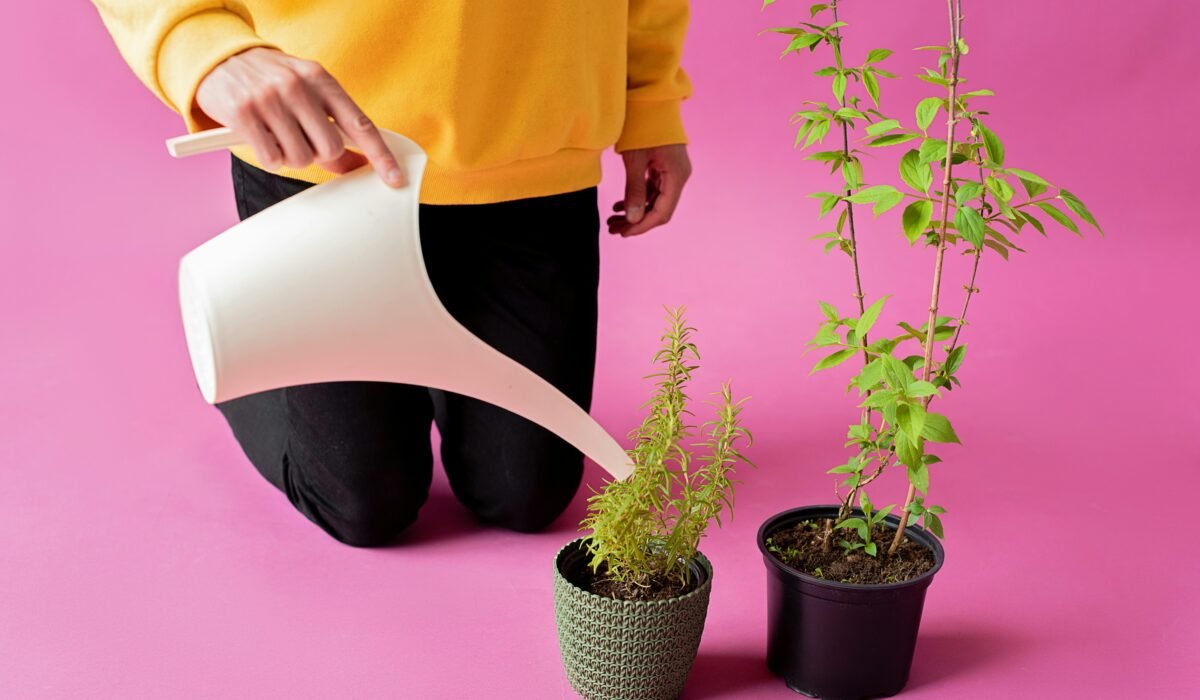
One of the most common questions new and experienced gardeners alike ponder is how to properly water their plants. Getting it right is crucial for plant health, yet ironically, more plants often succumb to overwatering than underwatering.
Mastering the art of watering plants is less about a rigid schedule and more about understanding your plants’ individual needs and environmental cues. This comprehensive guide will equip you with the knowledge to water your green companions effectively, ensuring they thrive and flourish.
How to Tell When Your Plants Need Water (The Finger Test)
Forget the calendar; your best tool for determining when to water is often right at your fingertips. The “finger test” is a time-tested, reliable method to assess soil moisture before you reach for the watering can.
Simply insert your index finger about 1-2 inches deep into the soil (for larger plants, go a bit deeper, 3-4 inches). If the soil feels dry at that depth, it’s likely time to water. If it feels cool and moist, hold off for another day or two.
Beyond the finger test, observe the soil’s appearance. If it’s pulling away from the sides of the pot or looks visibly dry and cracked on the surface, these are clear indicators of thirst. For those who prefer a more precise approach, a soil moisture meter can provide a digital reading, taking the guesswork out of the equation.
Overwatering vs. Underwatering: What Are the Signs?
Understanding the distress signals your plants send is key to correcting watering issues. Both overwatering and underwatering can lead to similar-looking symptoms like wilting, but the underlying cause and corrective action are vastly different.
Signs of Overwatering
Overwatering is a silent killer, often more damaging than letting your plants dry out slightly. It deprives roots of oxygen, leading to suffocation and root rot prevention. Look for these red flags:
- Yellowing, mushy leaves: Especially on lower leaves, often accompanied by a soft, squishy texture.
- Wilting despite wet soil: The plant appears droopy even though the soil is saturated. This happens because damaged roots can’t absorb water.
- Stunted growth: Lack of oxygen hinders root function and nutrient uptake.
- Foul smell from the soil: An earthy, rotten odor indicates anaerobic conditions and root rot.
- Mold or algae on the soil surface: A green or white growth suggests consistently wet conditions. This can also attract pests like fungus gnats in houseplants.
Signs of Underwatering
Underwatering is usually easier to diagnose and often quicker to remedy. Plants will typically perk up significantly after a good drink.
- Crispy, drooping leaves: Leaves may feel brittle to the touch and hang limply.
- Dry and brittle foliage: Leaves might curl inward or turn brown, starting from the tips or edges.
- Stunted growth: Lack of water inhibits cell expansion and overall development.
- Soil pulling away from the pot: The soil shrinks when completely dry, creating a gap between the soil and the pot’s edge.
How Much Water Do Your Plants Really Need?
The golden rule for effective watering plants is to water deeply and infrequently. This encourages roots to grow deeper, making the plant more resilient to dry spells and promoting overall health.
For container plants, including most houseplants and balcony gardens, water until you see water draining from the bottom of the pot. This ensures the entire root ball is saturated. Discard any excess water from the saucer after 15-30 minutes to prevent roots from sitting in standing water, which can lead to root rot.
For in-ground plants, aim for about 1 inch of water per week, either from rainfall or irrigation. This amount typically moistens the soil 5-6 inches deep, reaching the critical root zone. You can measure this by placing an empty tuna can or rain gauge in your garden while watering.
Remember, the goal is to fully saturate the root zone, not just the surface. Frequent, shallow watering encourages shallow roots, making plants more susceptible to drought and heat stress.
The Best Time of Day to Water Plants
Timing your watering can significantly impact its efficiency and your plants’ health. The consensus among gardening experts is clear: early morning is the optimal time for watering plants.
Watering in the early morning (between 6 AM and 10 AM) allows the water to soak into the soil before the sun’s intensity increases. This minimizes water loss due to evaporation, ensuring more moisture reaches the roots. It also gives any splashed water on the foliage ample time to dry, which is crucial for preventing fungal diseases like powdery mildew.
Evening watering is generally acceptable, especially in hot climates, but it comes with a caveat. Avoid watering too late in the evening, as leaves that remain damp overnight can create a breeding ground for pests and diseases. If you must water in the evening, aim for early evening to allow some drying time.
Watering in the middle of the day, particularly during peak heat, is highly inefficient. Up to 30% or more of the water can be lost to evaporation before it even reaches the roots, wasting precious resources and leaving your plants thirsty.
Factors That Influence Watering Frequency
There’s no universal watering schedule that fits all plants because numerous factors dictate how often your plants will need a drink. Becoming a skilled plant parent means understanding and adapting to these variables.
- Plant Type: Different plants have vastly different water requirements. Succulents and drought tolerant plants like lavender or yarrow need infrequent watering, allowing their soil to dry out completely. Tropical plants, on the other hand, often prefer consistently moist soil.
- Soil Type: The composition of your soil significantly impacts its water retention. Sandy soils drain quickly and require more frequent watering. Clay soils, rich in fine particles, hold onto moisture longer but can become waterlogged if overwatered. A good quality soil mix for container plants often balances drainage and retention.
- Pot Size and Material: Smaller pots hold less soil and therefore dry out much faster than larger ones. Terracotta pots, being porous, also promote quicker evaporation from their sides, requiring more frequent watering compared to plastic or glazed ceramic pots.
- Environmental Conditions:
- Temperature: Higher temperatures increase evaporation from the soil and transpiration from leaves, meaning plants need more water.
- Humidity: Low humidity environments cause plants to lose water faster through their leaves, increasing watering frequency.
- Sunlight and Wind: Plants in full sun or exposed to strong winds will dry out more quickly than those in shade or sheltered locations.
- Plant Maturity and Growth Stage: Young seedlings and recently transplanted plants have underdeveloped root systems and require more consistent moisture. Established plants, with deeper roots, can tolerate longer periods between watering. Plants in active growth or flowering stages also tend to be thirstier.
Smart Watering & Water Conservation Strategies
In an era of increasing environmental awareness and unpredictable weather patterns, adopting smart watering strategies and practicing sustainable gardening is more important than ever. These methods not only conserve water but also promote healthier plants.
Efficient Irrigation Methods
Traditional overhead sprinklers can be wasteful due to evaporation and runoff. Instead, consider these efficient alternatives:
- Drip Irrigation: This system delivers water directly to the root zone through a network of emitters, minimizing evaporation and ensuring precise delivery. It’s highly effective for gardens, raised beds, and even some container setups.
- Soaker Hoses: Similar to drip irrigation, soaker hoses slowly “weep” water along their entire length, allowing it to gently penetrate the soil at the base of plants.
- Ollas and Terracotta Watering Spikes: These ancient methods are making a comeback. Ollas are unglazed terracotta pots buried in the soil, which slowly release water as the soil dries. Terracotta watering spikes work similarly, often paired with an inverted plastic bottle, to provide consistent, self-regulating moisture to roots.
Smart Watering Systems
Technology is revolutionizing how we water. By 2026, over 60% of new flower pot watering systems are expected to feature integrated moisture sensors. Smart irrigation controllers and soil moisture sensors monitor real-time conditions and adjust watering schedules automatically, delivering precise amounts of water. These systems can reduce water waste by an impressive 30-40% compared to manual watering.
Mulching for Moisture Retention
Applying a 2-3 inch layer of organic mulch (such as wood chips, straw, shredded leaves, or compost) around your plants is a simple yet incredibly effective water conservation strategy. Mulch acts as a protective barrier, reducing evaporation from the soil surface, suppressing weeds (which compete for water), and regulating soil temperature.
Rainwater Harvesting and Drought-Tolerant Plants
Collecting rainwater in barrels or cisterns provides plants with naturally soft, chemical-free water, reducing your reliance on municipal supplies. Furthermore, incorporating drought-tolerant plants into your landscape is a proactive step towards a more sustainable garden. Consider beautiful options like succulents (e.g., Sedum, Echeveria), lavender, yarrow, purple coneflower, black-eyed Susan, and ornamental grasses that thrive with minimal supplemental watering.
Mastering the basics of watering plants is a cornerstone of successful gardening. By understanding how to read your plants’ signals, providing deep and infrequent hydration, timing your watering wisely, and adapting to environmental factors, you can cultivate a thriving garden.
Embrace smart watering techniques and water conservation strategies to not only nurture your plants but also contribute to a healthier planet. Observe, learn, and adjust – your plants will thank you for it with vibrant growth and abundant blooms. Share your favorite watering tips in the comments below!







