
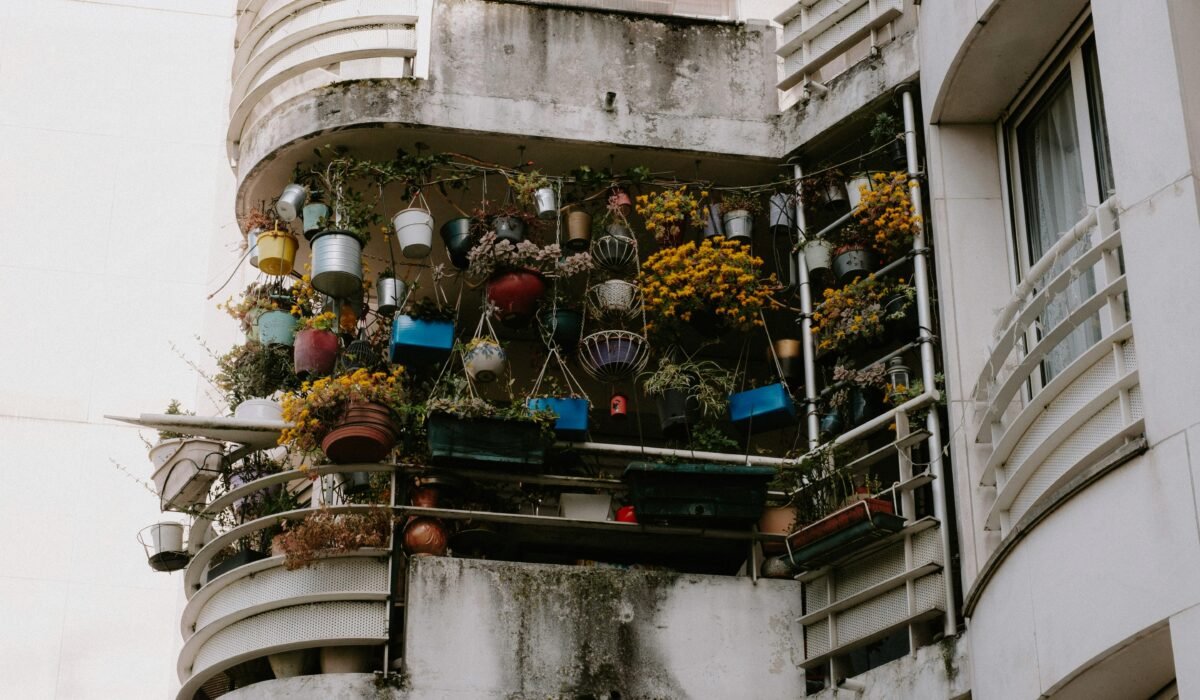
Transforming a small balcony into a lush, thriving garden might seem like a daunting challenge, but with smart Balcony Garden Design, it’s an entirely achievable dream. Even the most compact outdoor spaces can become vibrant havens for plants, offering beauty, fresh produce, and a much-needed connection to nature.
This comprehensive guide will walk you through innovative layout ideas and essential tips to create your ideal urban oasis, proving that big gardening dreams can indeed flourish in small places.
Maximizing Space: The Power of Vertical Gardening
In the realm of small space gardening ideas, verticality is your ultimate ally. When floor space is limited, the only way to grow is up! Embrace vertical gardening for balconies to create a stunning, multi-layered display that maximizes every available inch.
Think beyond traditional pots on the ground. Wall-mounted planters, for instance, transform a blank wall into a living canvas, perfect for herbs, succulents, or trailing flowers. Trellises offer support for climbing plants like peas, beans, or even small cucumbers, drawing the eye upward and adding height.
Hanging baskets are another classic choice, ideal for petunias, fuchsias, or strawberries, cascading beautifully over the railing. For a more structured approach, consider tiered shelving units that allow you to stack multiple pots vertically, or even freestanding vertical grow towers like the Garden Tower 2, which can host dozens of plants in a minimal footprint.
Don’t forget the railings themselves! Floating railing gardens, which clip or slot directly onto your balcony rails, are an ingenious way to add greenery without sacrificing precious floor space. These solutions not only increase your planting area but also add significant aesthetic appeal, making your balcony feel larger and more inviting.
Best Plants for Small Balcony Gardens (Edibles & Ornamentals)
Choosing the right plants is crucial for a thriving balcony container garden. Focus on space-saving balcony plants that are compact, productive, and well-suited to your specific microclimate. Consider factors like sunlight exposure (full sun, partial shade, or shade-tolerant), wind intensity, and your desire for edibles versus ornamentals.
Top Edible Plants for Balconies:
- Herbs: Basil, mint, rosemary, thyme, chives, and parsley thrive in pots and offer fresh flavor. Many herbs are also excellent for companion planting.
- Compact Vegetables: Look for dwarf varieties of cherry tomatoes, peppers (bell or chili), mini cucumbers, and bush beans. Lettuce, spinach, and other leafy greens are also perfect for continuous harvesting.
- Strawberries: These berries do exceptionally well in hanging baskets or tiered planters, producing sweet fruit throughout the season.
- Dwarf Fruit Trees: Depending on your climate, compact lemon, fig, or even certain apple varieties can be grown in large containers. For more ideas, explore best fruit trees for small gardens & pots.
Popular Ornamental Plants for Balconies:
- Trailing Flowers: Petunias, calibrachoa, impatiens, and ivy geraniums spill beautifully over containers and hanging baskets.
- Upright Blooms: Marigolds, cosmos, salvia, and lavender add pops of color and attract pollinators.
- Foliage Plants: Hostas (for shade), ferns, coleus, and philodendron offer texture and varying shades of green, enhancing the urban garden design.
- Shrubs: Dwarf boxwood or Japanese pieris can provide year-round structure and greenery in larger pots.
Always check the mature size of a plant before purchasing to ensure it won’t outgrow its space or container too quickly. For detailed advice on light requirements, consult our gardening sunlight guide.
Choosing Containers & Soil: Lightweight & Efficient Solutions
The success of your balcony garden hinges significantly on your choice of containers and soil. Given the potential weight restrictions of balconies, lightweight materials are paramount. Prioritize functionality and consider how each container contributes to your overall Balcony Garden Design.
Container Materials & Types:
- Plastic & Resin: These are incredibly lightweight, durable, and come in a vast array of colors and styles, often mimicking heavier materials like terracotta.
- Fiberglass: Offers a premium look with excellent durability and minimal weight, making it ideal for larger statement pieces.
- Fabric Grow Bags: An economical and flexible option, fabric bags promote air pruning of roots, preventing circling and encouraging healthier plant growth. They are also easy to store when not in use.
- Self-Watering Pots: These ingenious containers feature a water reservoir, reducing the frequency of watering and ensuring your plants receive consistent moisture.
- Railing Planters: Designed to hook directly over your balcony railing, these are perfect for maximizing space and adding greenery without taking up floor area.
- Hanging Baskets: Excellent for trailing plants, they utilize vertical space and add a softening effect to the balcony edges.
- Tiered Planters & Vertical Gardens: Systems that stack multiple planting pockets or pots vertically are fantastic for growing a variety of plants in a small footprint.
Always ensure your containers have adequate drainage holes to prevent root rot. For comprehensive advice on selecting the right medium, refer to our guide on balcony garden soil: top mixes for healthy container plants.
The Right Potting Mix:
Never use heavy garden soil in containers, as it compacts easily and lacks proper drainage. Instead, opt for a high-quality, lightweight potting mix specifically formulated for container gardening. These mixes typically contain ingredients like:
- Peat Moss or Coco Coir: For water retention.
- Perlite or Vermiculite: For aeration and drainage.
- Compost or Worm Castings: To provide essential nutrients.
A good potting mix will hold moisture without becoming waterlogged, provide necessary nutrients, and remain light enough to not add excessive weight to your balcony.
Sustainable Balcony Gardening: Water-Wise & Eco-Friendly Tips
Embracing sustainable balcony gardening practices not only benefits the environment but also makes your urban garden design more efficient and enjoyable. With a focus on water conservation and eco-friendly solutions, you can create a thriving space that minimizes its ecological footprint.
Water-Wise Strategies:
- Self-Watering Containers: As mentioned, these pots significantly reduce water waste by providing a consistent water supply to plant roots, often reducing consumption by 30-50%.
- Mulching: Apply a layer of organic mulch (like straw, shredded leaves, or wood chips) to the top of your container soil. This helps retain moisture, suppresses weeds, and regulates soil temperature.
- Rainwater Collection: If permitted and feasible, a small rainwater collection barrel can provide a sustainable source of water for your plants, reducing reliance on tap water.
- Drought-Tolerant Plants: Incorporate plants that naturally require less water, such as succulents, lavender, rosemary, and some ornamental grasses.
- Efficient Watering: Water deeply and less frequently, rather than shallowly and often. Water early in the morning or late in the evening to minimize evaporation.
Eco-Friendly Practices:
- Composting: A small worm composter or a compact tumbling composter can turn kitchen scraps into nutrient-rich soil amendments for your containers.
- Native Plants: Where appropriate, choose native plant varieties that are naturally adapted to your local climate, requiring less water, fertilizer, and pest control.
- DIY Pest Control: Opt for organic pest control methods like neem oil, insecticidal soap, or introducing beneficial insects, instead of chemical pesticides. For more, see our guide on organic balcony pest control.
- Solar-Powered Accessories: Utilize solar-powered lights, small fountains, or even irrigation timers to reduce electricity consumption and add to the ambiance of your balcony oasis.
- Upcycling: Repurpose old furniture, crates, or even plastic bottles into planters or garden decor, giving new life to discarded items.
By integrating these sustainable tips, your balcony garden design becomes a testament to mindful living, providing a beautiful and productive space that’s kind to the planet.
Designing Your Balcony Oasis: Furniture & Aesthetic Touches
Beyond the plants, thoughtful furniture and aesthetic touches are key to transforming your balcony into a true oasis. The goal of urban garden design is to create a cohesive, inviting space that extends your living area outdoors, even in the smallest of dimensions. This is where clever balcony decor ideas come into play.
Space-Saving Furniture:
- Folding Chairs & Tables: Essential for flexibility, these can be easily stowed away when not in use, freeing up valuable floor space.
- Wall-Mounted Drop-Leaf Tables: A brilliant solution for dining or working outdoors, these tables fold flat against the wall when not needed.
- Bench Seating with Built-in Storage: Provides seating and a discreet place to store gardening tools, extra pots, or cushions, keeping your balcony tidy.
- Compact Bistro Sets: Perfect for a small coffee or meal, these sets are designed for intimate spaces.
Aesthetic Touches & Ambiance:
- Outdoor Rugs: Define the space, add warmth, and introduce color or pattern to your balcony floor.
- Throw Pillows & Cushions: Make seating more comfortable and infuse personality with different textures and hues.
- Multi-Level Lighting: Combine string lights for a festive glow, solar lanterns for soft accents, and wall-mounted lights for practical illumination. Layered lighting creates depth and a cozy evening atmosphere.
- Mirrors: Strategically placed outdoor mirrors can create the illusion of more space and reflect light, making your balcony feel larger and brighter.
- Wind Chimes & Weather-Resistant Art: Add sensory elements and personal flair.
- Privacy Screens: Bamboo rolls, trellises with climbing plants, or decorative panels can create a sense of seclusion and block unwanted views.
Themed Design:
Consider adopting a specific theme to unify your Balcony Garden Design:
- Mediterranean: Terracotta pots, lavender, rosemary, and olive trees create a sunny, aromatic escape.
- Tropical: Bold foliage, vibrant flowers, and perhaps a small water feature evoke a lush, exotic feel.
- Japanese-Inspired: Emphasize simplicity, natural stone, bamboo, and miniature conifers for a serene, contemplative space.
- Pollinator-Friendly: Focus on plants like lavender, cosmos, and salvia to attract beneficial insects and butterflies, creating a living ecosystem.
By blending functional furniture with decorative elements, you can craft a balcony oasis that reflects your style and provides a much-needed retreat.
Smart Watering & Maintenance for Thriving Container Plants
Maintaining a healthy balcony garden, especially with container plants, requires consistent attention to watering, feeding, and general care. Container plants dry out much faster than those in the ground, making smart watering and maintenance strategies essential for their survival and vigor.
Watering Your Balcony Garden:
- Check Moisture Levels Daily: The “finger test” is your best friend. Stick your finger an inch or two into the soil. If it feels dry, it’s time to water.
- Water Thoroughly: When you water, do so until you see water draining from the bottom of the pot. This ensures the entire root ball is moistened.
- Avoid Overwatering: While thorough watering is good, constantly soggy soil leads to root rot. Ensure good drainage and allow the top inch or two of soil to dry out between waterings.
- Consider Self-Watering Pots: These pots with built-in reservoirs are excellent for busy gardeners or those prone to forgetting, providing consistent moisture without constant vigilance.
- Automated Drip Irrigation: For larger balcony gardens, a small drip irrigation system connected to a timer can be a game-changer, delivering precise amounts of water directly to the plant roots, often reducing water waste significantly.
Feeding & General Care:
- Fertilize Regularly: Container plants quickly deplete soil nutrients. Use a balanced liquid fertilizer every 2-4 weeks during the growing season, or incorporate slow-release granular fertilizer into your potting mix.
- Pruning & Deadheading: Regularly pinch back leggy growth and remove spent flowers (deadhead) to encourage bushier growth and more blooms. For herbs, consistent harvesting promotes new growth. For tips on preserving your harvest, check out drying & storing herbs.
- Pest & Disease Monitoring: Inspect your plants regularly for signs of pests or diseases. Early detection makes control much easier. Use organic pest control methods when possible.
- Repotting: Some plants may become root-bound over time. If you notice roots circling the pot or growing out of drainage holes, it’s time to repot into a slightly larger container or refresh the soil.
Consistent care will ensure your balcony garden design remains vibrant and productive, bringing joy throughout the seasons.
Key Considerations for Balcony Gardeners: Rules & Restrictions
Before you dive headfirst into your Balcony Garden Design, it’s crucial to understand the practical and regulatory considerations that come with gardening in an elevated space. Overlooking these aspects can lead to problems, from structural damage to neighbor disputes.
Building Rules & Regulations:
Most apartment buildings or homeowner associations have specific rules regarding balcony use. Always check your lease agreement or HOA bylaws before installing anything permanent or making significant changes. These rules might cover:
- Railing Attachments: Restrictions on what can be hung over or attached to railings.
- Weight Limits: This is perhaps the most critical factor. Balconies have a maximum weight capacity, and heavy pots, soil, water, and furniture can quickly exceed this. Always opt for lightweight containers and potting mixes. For general safety, it’s wise to distribute weight evenly and avoid concentrating heavy items in one spot. Consult local building codes or structural engineers if you have concerns about weight.
- Water Runoff: Regulations often prohibit water from dripping onto lower balconies or public areas. Use drip trays under all pots to catch excess water.
- Plant Height & Type: Some rules might restrict the height of plants or prohibit certain types that could attract pests or cause damage.
Environmental Factors:
- Wind Exposure: High-rise balconies can experience significant wind, which can desiccate plants and knock over containers. Choose sturdy, heavier containers for taller plants, or use windbreaks. For detailed strategies, read our guide on balcony garden wind protection.
- Sunlight & Shade: Accurately assess your balcony’s sunlight exposure throughout the day and year. This will dictate which plants will thrive.
- Temperature Extremes: Containers heat up and cool down faster than garden beds, making plants more susceptible to heat stress or frost damage. Choose heat-tolerant varieties or provide shade during peak summer, and consider bringing tender plants indoors during winter.
Privacy & Aesthetics:
- Neighborly Relations: Be mindful of your neighbors. Avoid plants that will grow excessively large and block their views or drop debris onto their balconies.
- Privacy: If privacy is a concern, incorporate trellises with climbing plants, bamboo screens, or tall, slender planters to create natural barriers without feeling enclosed.
By addressing these considerations upfront, you can ensure your urban garden design is not only beautiful and functional but also safe and compliant.
Creating a thriving balcony garden is an incredibly rewarding endeavor, transforming even the smallest urban space into a personal sanctuary. By thoughtfully approaching your Balcony Garden Design, embracing vertical solutions, selecting the right plants and lightweight containers, and committing to sustainable practices, you can cultivate a beautiful and productive oasis.
Don’t let limited space deter your gardening aspirations. With these layout ideas and practical tips, you’re well-equipped to design a balcony garden that brings joy, fresh produce, and a touch of nature to your everyday life. So, grab your gloves, get inspired, and start planting your dream balcony garden today!







