
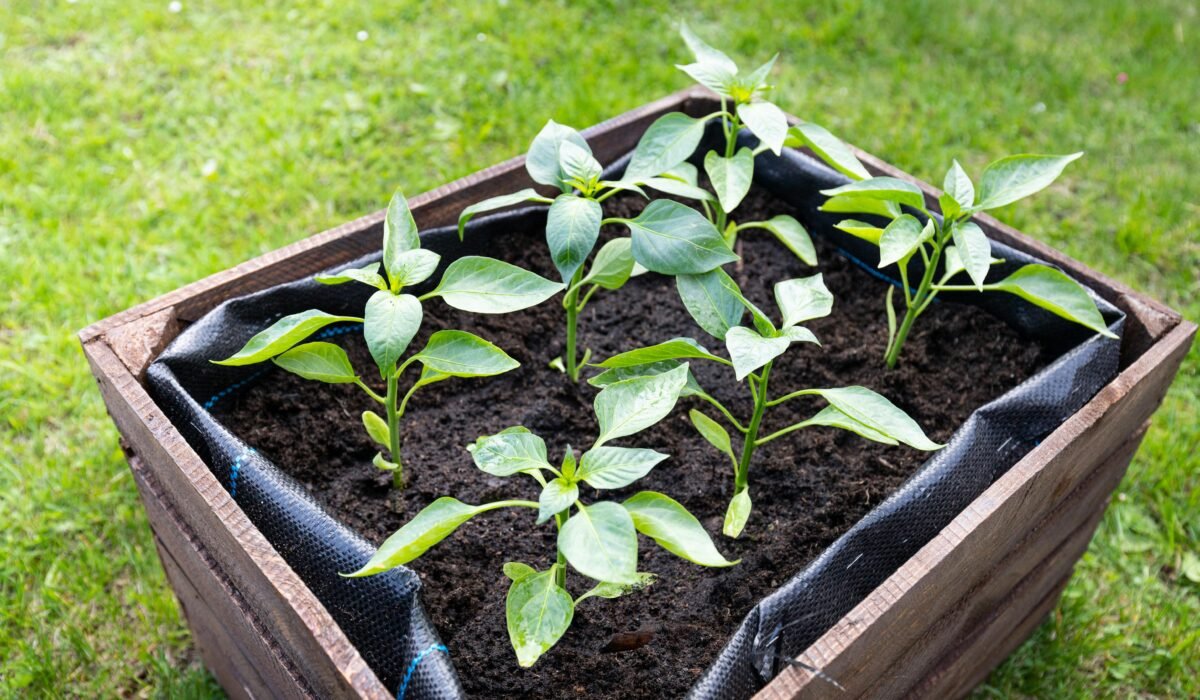
Are you dreaming of a bountiful harvest but only have a tiny patch of ground, a balcony, or a small patio? You’re not alone! Many aspiring gardeners face limited space, yet the desire to grow fresh, delicious vegetables is stronger than ever. The good news is that with smart planning and a few clever techniques, you can absolutely succeed in maximizing small garden yields, turning even the most modest area into a productive food factory.
It’s truly amazing how much food you can coax from a small footprint when you know the secrets. This guide will walk you through essential strategies, from selecting the right plants to leveraging cutting-edge technology, ensuring your small garden delivers a harvest you’ll be proud of.
Top High-Yield Vegetable Varieties for Small Spaces
The first step to maximizing small garden yields is choosing the right plants. Forget sprawling varieties that gobble up space; instead, focus on high-yield compact vegetables specifically bred for limited areas or those that produce continuously. This is where smart selection really pays off.
When you’re dealing with small spaces, every inch matters. Look for terms like “bush,” “dwarf,” “patio,” or “compact” in the variety name. These plants are designed to give you a big harvest without taking over your entire growing area.
Compact & Prolific Picks:
- Tomatoes: Indeterminate cherry tomatoes like ‘Sweet Million’ or ‘Sungold’ are fantastic climbers that produce bowls full of fruit weekly. For bush varieties, ‘Baby Boomer’ and ‘Patio Choice’ are known for their incredible output in a small package, with ‘Baby Boomer’ potentially yielding 300 one-inch fruits per plant!
- Leafy Greens: Lettuce (‘Little Gem’), kale, spinach, and arugula are perfect for the “cut-and-come-again” method. You can harvest the outer leaves, and the plant keeps producing, giving you fresh salads for months.
- Beans: ‘Maxibel Filet’ bush beans are a dwarf variety that still produces an impressive harvest. Climbing beans, when trellised, can also offer significant yields in a vertical footprint.
- Cucumbers: Look for bush varieties like ‘Salad Bush’ or those suited for trellising, such as ‘Diva’ or ‘Marketmore 76’. Training them vertically saves precious ground space.
- Squash & Zucchini: While some squash varieties are notorious spreaders, ‘Patio Baby’ eggplant, ‘Honey Bear’ acorn squash, and ‘Butterbaby’ mini butternut squash offer compact growth with generous harvests.
- Root Vegetables: Radishes and ‘Thumbelina’ carrots mature quickly and don’t need much space.
- Herbs: Most herbs thrive in pots and can be continuously harvested. Consider an urban vegetable gardening setup with a dedicated herb section.
My personal favorite is the ‘Little Gem’ lettuce; it forms perfect 4-inch heads in just over a month, making it ideal for quick, successive plantings.
Intensive Planting Techniques for Abundant Small Gardens
Once you’ve chosen your compact plant varieties, the next step in maximizing small garden yields is to make the most of every square inch. This means moving beyond traditional single-row planting and embracing strategies that allow plants to grow closer together without hindering their development.
Intensive planting techniques are game-changers for raised bed yields and container gardening. They allow you to grow significantly more food in the same area, sometimes yielding up to 10 times more than conventional methods. The key is to understand how plants interact and to provide optimal conditions.
Key Intensive Planting Techniques:
- Square Foot Gardening (SFG): This popular method divides your garden bed into one-foot squares. Each square is planted with a specific number of plants based on their size (e.g., 1 tomato plant, 4 lettuce plants, 9 beans, or 16 radishes per square). This optimizes space and makes crop rotation and planning much simpler.
- Interplanting (Companion Planting): Grow different compatible crops close together. For instance, plant fast-growing radishes alongside slow-growing carrots. The radishes will be harvested before the carrots need the extra space. This also helps with pest deterrence and nutrient sharing.
- Succession Planting: As soon as one crop is harvested, plant another in its place. This ensures a continuous harvest throughout the growing season and is crucial for extending growing season. For example, after harvesting spring lettuce, plant bush beans or another quick-maturing crop.
- Staggered Planting: Instead of planting all your seeds at once, plant a small batch every 1-2 weeks. This prevents a huge glut of produce all at once and provides a steady supply of fresh vegetables.
What surprised me most about intensive planting is how much better plants can grow when they’re not spread out in long, inefficient rows. It creates a microclimate that can actually benefit the plants, as long as they aren’t truly overcrowded.
Utilizing Vertical Gardening Systems for Maximum Harvest
When you’ve run out of horizontal space, look up! Vertical garden systems are an incredibly effective way to increase your usable growing area, often doubling or even tripling your potential harvest. This is particularly vital for urban vegetable gardening where ground space is a luxury.
Vertical gardening isn’t just about growing upward; it’s about making the most of every dimension. From simple trellises to sophisticated hydroponic towers, there’s a vertical solution for almost any small space.
Popular Vertical Gardening Solutions:
- Trellises & Cages: For vining plants like cucumbers, pole beans, indeterminate tomatoes, and small squash, a sturdy trellis or cage is indispensable. It keeps plants off the ground, improves airflow, and makes harvesting easier.
- Stackable Planters: Systems like the GreenStalk Planter or modular designs such as the Rise Garden allow you to grow multiple plants in tiered levels. The GreenStalk, for example, can range from three to seven layers, accommodating numerous plants in a tiny footprint.
- Wall-Mounted Pockets & Shelves: Fabric pocket planters or tiered shelves attached to a wall or fence are excellent for leafy greens, herbs, and strawberries. They transform otherwise unused vertical surfaces into productive garden space.
- Hydroponic Towers: Advanced systems like the Gardyn or Watex Urban Farming vertical kits integrate irrigation and sometimes even LED lights, allowing you to grow a wide array of vegetables with minimal soil and effort. These are fantastic for year-round harvests.
I’ve found that even a simple DIY trellis for my cucumbers makes a huge difference, freeing up valuable ground space for bushier plants. If you’re interested in building your own, check out our guide on DIY Vertical Garden Systems.
Smart Soil Health & Watering for Container Gardens
The foundation of any successful garden, especially one focused on maximizing small garden yields, is healthy soil and consistent watering. In containers and raised beds, these elements are even more critical because the growing environment is more controlled and can dry out quickly.
Unlike in-ground gardens, containers and raised beds require specific attention to soil composition and hydration. Getting this right is one of the most important container gardening tips you’ll ever receive.
Optimizing Soil & Water:
- Choose the Right Potting Mix: Never use heavy garden soil in containers or even raised beds. It compacts too easily, leading to poor drainage and restricted root growth. Instead, opt for a high-quality, lightweight potting mix designed for containers. This mix provides excellent drainage, aeration, and holds moisture well.
- Ensure Adequate Drainage: All containers must have drainage holes to prevent waterlogging, which can lead to root rot. If a pot doesn’t have holes, drill some!
- Consistent Watering: Containers dry out much faster than in-ground gardens. Check soil moisture daily, especially during hot, windy weather. Water deeply until it drains from the bottom. Under-watering leads to stressed plants and reduced yields, while over-watering can cause root issues.
- Mulch, Mulch, Mulch: A layer of mulch (straw, shredded leaves, or wood chips) on top of your soil in containers and raised beds helps retain moisture, regulate soil temperature, and suppress weeds. This reduces your watering frequency significantly.
- Fertilize Regularly: Since nutrients leach out of containers with watering, regular feeding is essential. Use a balanced liquid fertilizer every 2-4 weeks, or incorporate slow-release granular fertilizer into your potting mix at the beginning of the season.
I’ve learned the hard way that a thirsty tomato plant in a pot will drop its flowers and yield almost nothing. Implementing a simple DIY Drip Irrigation system can make all the difference, especially if you have many containers.
Integrating Smart Gardening Tech for Enhanced Yields
The future of gardening is here, and for those focused on maximizing small garden yields, smart gardening tech offers incredible advantages. These innovations can automate tasks, provide precise data, and even offer personalized advice, making gardening easier and more productive.
From self-watering planters to AI-powered assistants, technology is transforming how we grow food in compact spaces. These tools can help you maintain optimal conditions, reducing guesswork and increasing your chances of a bumper harvest.
Innovations to Consider:
- Self-Watering Planters: These containers have a built-in reservoir that slowly wicks water up to the plant’s roots, ensuring consistent moisture. They are a game-changer for busy gardeners or those prone to forgetting to water.
- Soil Moisture & Light Sensors: Small, affordable sensors can be placed directly into your soil to monitor moisture levels, light exposure, and even nutrient availability. Many connect to smartphone apps, alerting you precisely when your plants need attention.
- Smart Irrigation Systems: For raised beds or multiple containers, app-controlled irrigation systems can be programmed to water at specific times or even adjust based on local weather forecasts. This takes the chore out of watering and prevents both under and over-watering.
- Hydroponic & Aeroponic Systems: Fully integrated systems like Gardyn Hydroponics (with its AI assistant “Kelby”) or Rise Garden offer controlled environments for rapid growth. They often include LED spectrum lights, allowing for year-round indoor cultivation, effectively extending growing season indefinitely.
- Smart Grow Lights: For indoor setups or to supplement natural light, app-controlled LED grow lights can be scheduled and adjusted for intensity and spectrum, optimizing plant growth cycles.
I find that even a simple soil moisture sensor takes so much stress out of container gardening. No more guessing if the plant is thirsty or waterlogged – the tech tells you exactly what it needs.
Pest & Disease Management in Crowded Small Gardens
In a small, intensively planted garden, pests and diseases can spread rapidly if not managed proactively. The close proximity of plants, while great for yield, can also create a cozy environment for unwanted visitors. Effective, organic pest and disease management is crucial for maximizing small garden yields.
Don’t let a small space become a breeding ground for problems. A vigilant approach and a few smart strategies can keep your plants healthy and productive.
Proactive Strategies for Crowded Spaces:
- Regular Inspection: This is your most powerful tool. Check your plants daily for any signs of pests (tiny bugs, sticky residue, chewed leaves) or disease (spots, discoloration, wilting). Catching problems early makes them much easier to manage.
- Good Airflow: While intensive planting is great, avoid true overcrowding. Ensure there’s enough space for air to circulate between plants to deter fungal diseases. Pruning lower leaves on tomatoes, for example, can significantly improve airflow.
- Companion Planting: Certain plants deter pests. Marigolds can repel nematodes, while nasturtiums can act as a trap crop for aphids. Integrating these into your intensive planting scheme can provide natural protection.
- Organic Pest Control: For minor infestations, manual removal (picking off bugs) or a strong spray of water can work wonders. For more persistent issues, use organic sprays like neem oil or insecticidal soap. Always test on a small area first. You can find more natural solutions in our guide on DIY Organic Pest Control.
- Disease-Resistant Varieties: When purchasing seeds or seedlings, look for varieties that are noted as disease-resistant, especially for common issues like blight in tomatoes.
- Sanitation: Remove any diseased leaves or plant parts immediately. Don’t compost them if you suspect a contagious disease. Keep your garden area clean of plant debris where pests and diseases can overwinter.
- Crop Rotation: Even in containers, try not to plant the same vegetable in the exact same spot year after year. Rotate your crops to break pest and disease cycles and prevent nutrient depletion.
In practice, I’ve found that simply being out in the garden for a few minutes each day, observing my plants, is the best defense against major outbreaks. A quick pinch or spray can save an entire crop.
Frequently Asked Questions
What are the most productive vegetable varieties specifically bred for small spaces and containers?
For maximizing small garden yields, focus on compact, bush, or dwarf varieties. Top choices include ‘Baby Boomer’ or ‘Patio Choice’ bush tomatoes, ‘Little Gem’ lettuce, ‘Maxibel Filet’ bush beans, ‘Salad Bush’ cucumbers, and ‘Patio Baby’ eggplant. These are bred to produce abundantly without taking up much room.
How can I best utilize vertical space to maximize my harvest?
Vertical gardening is key! Use trellises for vining plants like cucumbers, pole beans, and indeterminate tomatoes. Stackable planters, wall-mounted pocket gardens, and even advanced hydroponic towers can turn unused vertical surfaces into productive growing areas, significantly increasing your overall yield.
Can I really grow a substantial amount of food in a small area?
Absolutely! This is one of the biggest misconceptions. By combining high-yield compact vegetables with intensive planting techniques like square foot gardening, succession planting, and effective vertical systems, you can achieve surprisingly large harvests even from a balcony, patio, or small raised bed. Many urban gardeners successfully grow a significant portion of their family’s produce in tiny spaces.
What’s the difference between regular garden soil and potting mix for containers, and why does it matter?
Regular garden soil is too dense and heavy for containers. It compacts easily, hindering drainage, root growth, and air circulation. Potting mix, on the other hand, is a lightweight, soilless blend designed to provide excellent drainage, retain moisture effectively, and offer the aeration roots need to thrive in a confined space. Using the correct potting mix is crucial for healthy container plants and maximizing their yield.
Maximizing small garden yields is not just a possibility; it’s an achievable goal for any gardener, regardless of space limitations. By strategically selecting compact, high-yield varieties, implementing intensive planting techniques, embracing vertical gardening, and maintaining optimal soil and water conditions, you can transform your small space into a productive oasis. Don’t be afraid to experiment with smart gardening tech and always stay vigilant against pests and diseases.
Your small garden has immense potential. With these smart planting tips, you’re well on your way to enjoying fresh, homegrown produce all season long. So, grab your trowel and get planting – your abundant harvest awaits!







