
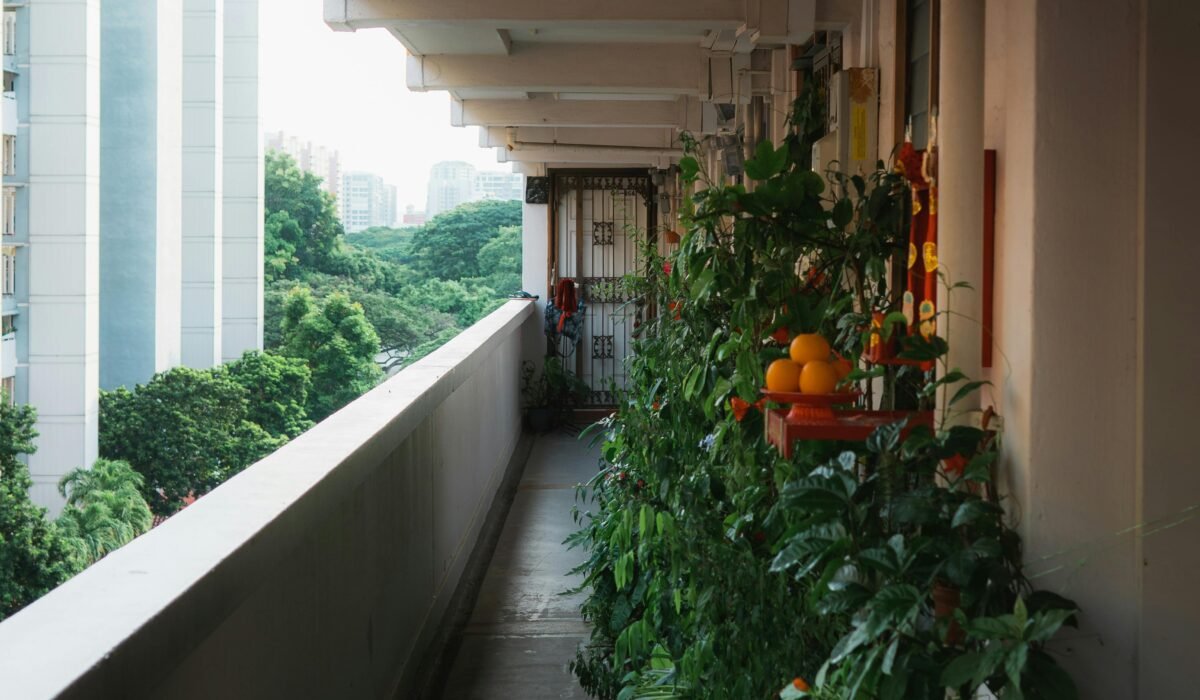
Do you look at your small balcony and wish you could grow your own fresh vegetables, but think you don’t have enough space? You’re not alone! Many urban dwellers dream of home-grown produce, and a Balcony Vertical Garden is the perfect solution to turn that tiny outdoor area into a thriving edible oasis.
The urban gardening movement is booming, and for good reason. Imagine stepping onto your balcony to snip fresh herbs for dinner or pluck a ripe strawberry. Vertical gardening allows you to maximize your yield per square foot, transforming even the most cramped balcony into a productive green space. Let’s dive into how you can make this dream a reality.
Choosing the Right Vertical Garden System for Your Balcony
The first step in creating your vertical paradise is selecting the right system. This choice largely depends on your budget, the amount of space you have, and your gardening style. There’s a wide range of options, from simple stackable planters to high-tech hydroponic setups.
Soil-Based Systems: Simple & Accessible
For many beginner gardeners, soil-based systems are the easiest entry point. These typically involve stacking pots, wall-mounted fabric pockets, or tiered planter boxes. My personal favorite aspect of these is the familiar feel of working with soil.
- Stackable Planters: Systems like the VIVOSUN 5-Tier or GreenStalk Vertical Garden Kit are fantastic. They allow you to grow dozens of plants in a small footprint, often just a few square feet. They’re usually affordable and easy to assemble.
- Wall-Mounted Pockets/Panels: These fabric or plastic systems attach directly to a railing or wall, freeing up floor space entirely. They’re great for herbs, leafy greens, and strawberries.
- Freestanding Towers: The Garden Tower 2 is a popular choice, integrating worm composting into its design for a truly sustainable system. It can grow up to 50 plants and even produces nutrient-rich “compost tea.”
Hydroponic Systems: High-Tech & Efficient
If you’re intrigued by cutting-edge urban gardening, a hydroponic balcony garden might be for you. These systems grow plants without soil, using nutrient-rich water. They often boast faster growth and significant water savings – up to 90% less water than traditional methods.
- Intelligent Hydroponic Towers: Brands like Lettuce Grow’s Farmstand or Gardyn’s Home Kit are gaining popularity. They offer automated watering and nutrient delivery, making them incredibly convenient. While the initial investment can be $300-$800, the “farm-to-table” experience is hard to beat.
- DIY Hydroponic Setups: For the adventurous, building your own system from PVC pipes or repurposed containers can be a rewarding project. You can find excellent guides online for DIY hydroponic systems.
When choosing, consider your balcony’s load-bearing capacity, as soil-filled systems can become quite heavy when watered. Also, think about how much sun your balcony gets and whether a system allows for easy rotation or access to all plants.
Top Vegetables & Herbs for Small Balcony Vertical Gardens
The beauty of a vertical garden is its ability to host a diverse array of plants, even in limited space. The trick is to choose varieties that thrive in compact conditions and don’t require deep roots or extensive sprawling. My rule of thumb is to pick plants that give back quickly and abundantly.
Leafy Greens & Herbs: Your Go-To Choices
These are the superstars of small space gardening. They grow quickly, are easy to harvest, and you can often get multiple cuttings from a single plant. They also tend to have shallow root systems, making them perfect for vertical pockets and tiers.
- Lettuce (Loose-leaf varieties): ‘Black Seed Simpson’ or ‘Buttercrunch’ are excellent.
- Spinach & Kale: Both are nutrient powerhouses and tolerate some shade.
- Swiss Chard: Adds beautiful color to your vertical display.
- Herbs: Basil, mint, chives, cilantro, parsley, thyme, and oregano are ideal. Check out our guide on the best herbs for vertical gardens for more specific recommendations.
Compact Vegetables: Small but Mighty
Don’t limit yourself to just greens! Many vegetables have compact or bush varieties that perform wonderfully in a Balcony Vertical Garden.
- Strawberries: Trailing varieties are perfect for spilling out of vertical pockets.
- Bush Beans: Unlike pole beans, bush varieties don’t need extensive trellising and produce well in containers.
- Cherry Tomatoes (Dwarf varieties): Look for ‘Tiny Tim’ or ‘Micro Tom’ which stay small and bushy.
- Peppers (Small varieties): Bell peppers, jalapeños, or other smaller chili peppers can thrive.
- Radishes: Quick to mature and don’t need deep soil.
Avoid large vining plants like pumpkins or watermelons, as well as root vegetables that need significant depth, unless your system specifically accommodates them. For instance, while you might think about growing root vegetables, most vertical systems aren’t deep enough for carrots or potatoes unless they have very large, deep pockets.
Setting Up & Planting Your Vertical Balcony Garden
Once you’ve chosen your system and your plants, it’s time to get your hands dirty! Setting up a vertical garden is often simpler than you might think, making it a rewarding project for any urban gardener.
Step-by-Step Setup
- Assemble Your System: Follow the manufacturer’s instructions carefully. For DIY vertical garden ideas, ensure your structure is sturdy and securely anchored, especially if it’s tall or heavy. Safety first on a balcony!
- Choose Your Location: Observe your balcony’s sunlight patterns throughout the day. Most vegetables need at least 6 hours of direct sunlight. If your balcony is shaded, consider what plants might tolerate less light or if you need to rotate your system.
- Prepare Your Growing Medium:
- For Soil-Based Systems: Use a high-quality potting mix, not garden soil. Potting mix is lighter, drains better, and is formulated for container gardening balcony success. You can also mix in some compost for extra nutrients.
- For Hydroponic Systems: Prepare your nutrient solution according to the product’s instructions. Ensure the water pH is correct for your chosen plants.
- Planting Your Seedlings or Seeds:
- Gently remove plants from their nursery pots.
- For soil systems, place plants into the pockets or tiers, ensuring their roots are well-covered. Don’t overcrowd – give each plant room to breathe.
- For hydroponic systems, place seedlings (often in rockwool cubes) into the net pots.
- Water thoroughly after planting to settle the soil or activate the hydroponic system.
What I’ve learned is that proper spacing is key. While it’s tempting to cram in as many balcony vegetable plants as possible, giving them a little room will lead to healthier, more productive growth and better air circulation.
Watering, Fertilizing & Essential Maintenance Tips
Consistent care is crucial for a thriving Balcony Vertical Garden. Because plants in containers, especially vertical ones, dry out faster than those in traditional garden beds, your watering and feeding routine will be a bit different.
Watering Your Vertical Garden
Vertical systems can be tricky to water evenly. Water from the top, allowing gravity to distribute moisture downwards. Check the moisture level in the upper, middle, and lower sections, as they can dry out at different rates.
- Manual Watering: Use a small watering can with a gentle spout. Water slowly until you see drainage from the bottom.
- Drip Irrigation: For larger systems or busy gardeners, a DIY drip irrigation system is a game-changer. It delivers water directly to the plant roots, minimizing waste and ensuring consistency. We have a great guide on DIY drip irrigation that can be adapted for vertical setups.
- Hydroponic Systems: These typically have built-in reservoirs and pumps that circulate nutrient water automatically. You’ll just need to monitor water levels and refresh the solution periodically.
Feeling the soil is the best indicator – if the top inch feels dry, it’s usually time to water. However, don’t let it become completely bone-dry.
Fertilizing for Optimal Growth
Plants in containers quickly deplete soil nutrients. Regular feeding is essential.
- For Soil-Based Systems: Use a balanced liquid organic fertilizer every 2-4 weeks, or integrate slow-release granular fertilizer into your potting mix at planting. If you’re using a system like the Garden Tower 2, the integrated composting will provide continuous nutrients.
- For Hydroponic Systems: Your nutrient solution contains all the necessary elements. Follow the manufacturer’s recommendations for concentration and frequency of solution changes.
Essential Maintenance
- Pruning: Remove any yellowing leaves, spent flowers, or leggy growth to encourage bushier plants and better air circulation.
- Pest & Disease Monitoring: Inspect your plants regularly. Catching issues early is key. Look for signs of common pests like aphids or spider mites.
- Harvesting: Harvest leafy greens and herbs frequently to encourage new growth. For fruiting plants, pick produce as soon as it’s ripe.
A little consistent effort goes a long way. This regular attention is what truly makes a Balcony Vertical Garden flourish.
Troubleshooting Common Vertical Garden Challenges
Even the most experienced urban gardening enthusiast encounters bumps in the road. Vertical gardens, with their unique structure, can present specific challenges. But don’t worry, most issues are easily fixable!
Uneven Watering & Drying Out
This is perhaps the most common problem. The top tiers tend to dry out faster due to exposure to sun and wind, while lower tiers might stay too wet. My tip? Always feel the soil at different levels before watering.
- Solution: Water slowly from the top, allowing water to percolate through. Consider a drip irrigation system for more consistent moisture. If one side of your balcony gets more sun, rotate your vertical garden regularly if possible.
Pests & Diseases
While vertical gardens can deter ground-level pests, airborne insects like aphids and spider mites can still find their way to your balcony vegetable plants. Dense foliage in vertical systems can also sometimes lead to fungal issues if air circulation is poor.
- Solution: Regularly inspect your plants, especially the undersides of leaves. For pests, try DIY organic pest control methods like neem oil spray or insecticidal soap. For diseases like powdery mildew, ensure good air circulation and remove affected leaves promptly.
Nutrient Deficiencies
As mentioned, container plants are hungry! Yellowing leaves, stunted growth, or poor fruit set are often signs of a lack of nutrients.
- Solution: Ensure you’re fertilizing regularly with a balanced liquid feed for soil-based systems, or maintaining your nutrient solution correctly for hydroponics. Sometimes, a quick boost with a fish emulsion or seaweed extract can perk plants right up.
Insufficient Sunlight
Not all balconies are bathed in sun. If your plants are leggy, pale, or not producing well, they might not be getting enough light.
- Solution: Move your vertical garden to the sunniest spot on your balcony. Rotate it daily or weekly to ensure all sides get sun. For very shady balconies, focus on shade-tolerant plants like lettuce, spinach, or mint. In some cases, supplemental LED grow lights might be an option, especially for a hydroponic balcony garden indoors.
In practice, persistence and observation are your best tools. A quick Google search with your specific plant and symptom can often yield a solution.
Maximizing Yields: Optimizing for Balcony Sunlight & Space
The whole point of a Balcony Vertical Garden is to get as much fresh food as possible from a small area. With a few smart strategies, you can significantly boost your harvest.
Harnessing the Sun’s Power
Sunlight is the fuel for your plants. Understanding your balcony’s sun exposure is critical.
- Track the Sun: Spend a day observing how the sun moves across your balcony. Does it get morning sun, afternoon sun, or full day sun? Most fruiting vegetables need at least 6-8 hours of direct sun. Leafy greens and herbs can often tolerate 4-6 hours.
- Rotate Your Garden: If your vertical garden is movable, rotate it every few days. This ensures all your balcony vegetable plants get their fair share of light, preventing leggy growth on one side.
- Strategic Planting: Place sun-loving plants (like tomatoes, peppers) on the sunniest tiers or sides, and more shade-tolerant plants (like lettuce, spinach, mint) on lower or shadier spots.
What surprised me when I started was how much difference simply turning my small vertical planter made to the growth of my herbs.
Smart Space Utilization
Vertical gardening is all about making the most of every inch.
- Succession Planting: Don’t plant all your lettuce seeds at once. Sow a small batch every 2-3 weeks. This ensures a continuous harvest rather than a single large one.
- Intercropping/Companion Planting: Plant fast-growing crops (like radishes) between slower-growing ones. By the time the larger plant needs more space, the radish will be ready to harvest. Certain plant pairings can also deter pests or improve growth.
- Pruning & Training: For indeterminate tomato varieties or sprawling herbs, judicious pruning can keep them compact and encourage more fruit or leaf production. Use small stakes or ties to train plants upwards within your vertical structure.
Remember, vertical farms can produce 15-20 times more food per acre than traditional agriculture. With these techniques, you can tap into that efficiency even on your small balcony.
DIY Vertical Garden Ideas & Budget-Friendly Solutions
You don’t need to spend a fortune to create a stunning and productive Balcony Vertical Garden. Many creative and budget-friendly solutions can be built using repurposed materials, making urban gardening accessible to everyone. This is where your inner crafter can really shine!
Repurposed & Upcycled Vertical Planters
Look around your home or local thrift store for items that can be given a new life as a planter.
- Pallet Garden: Old wooden pallets can be transformed into wall-mounted planters. Simply secure landscape fabric or geotextile to create planting pockets between the slats. Ensure the pallet is untreated and safe for growing food.
- Plastic Bottle Garden: Cut plastic soda bottles lengthwise, attach them horizontally to a sturdy support (like a fence or railing) and fill with soil. This is a classic DIY vertical garden project, perfect for herbs and small greens.
- Shoe Organizer Planter: A fabric shoe organizer with pockets can be hung on a wall or railing. Each pocket becomes a mini planter. Just make sure it’s sturdy enough to hold moist soil.
- Stacked Tire Planters: If you have a larger balcony and access to old tires, stack them in a pyramid shape. While not strictly vertical, it’s a great way to create tiered planting space.
- Rain Gutter Garden: Attach sections of old rain gutters horizontally to a wall or fence. Drill drainage holes and fill with soil for a linear vertical garden.
Building Your Own Structure
For those a bit more handy, you can construct a simple tiered or A-frame structure using wood or PVC pipes. This offers more customization to fit your specific balcony dimensions and sun exposure.
- A-Frame Planter: Build a simple A-frame from lumber and attach planter boxes or pots to the angled sides. This freestanding design is great for stability.
- Ladder Planter: Repurpose an old ladder by placing planks across the rungs to hold pots. Or, create a new ladder-like structure designed for planting.
When embarking on DIY vertical garden projects, always prioritize safety and durability. Ensure your chosen materials are non-toxic, especially if they will be in contact with edible plants. Secure everything properly to withstand wind and the weight of wet soil.
Frequently Asked Questions
What are the best vegetables and herbs to grow in a vertical garden on a balcony?
The best choices are shallow-rooted, compact, and fast-growing plants. Leafy greens like lettuce, spinach, and kale, along with herbs like basil, mint, and chives, are ideal. Strawberries, dwarf cherry tomatoes, bush beans, and small pepper varieties also thrive in a vertical balcony garden.
How do I choose the right vertical gardening system for my balcony?
Consider your budget, space, and gardening experience. Soil-based systems (stackable planters, wall pockets) are great for beginners and budget-friendly. Hydroponic systems (intelligent towers) offer automation and efficiency but require a higher initial investment. Always check your balcony’s weight capacity and sun exposure.
How do I effectively water and fertilize a vertical vegetable garden?
Water slowly from the top, allowing gravity to distribute moisture, and check soil moisture at different levels. Consider a drip irrigation system for consistency. For soil gardens, fertilize every 2-4 weeks with a balanced liquid organic fertilizer. Hydroponic systems require regular monitoring and refreshing of their nutrient solution.
What are common challenges in vertical balcony gardens and how can I overcome them?
Common challenges include uneven watering, pests (like aphids), diseases (like powdery mildew), and insufficient sunlight. Overcome these by watering thoroughly and checking moisture levels, regularly inspecting plants for pests and using organic pest control, fertilizing consistently, and rotating your garden for even sun exposure.
Transforming your small balcony with a vertical vegetable garden is more than just a trend; it’s a smart, sustainable way to bring fresh produce into your urban life. From choosing the perfect system to harvesting your first crop, every step is a rewarding journey. Imagine the satisfaction of picking your own salad greens or herbs, grown right outside your door!
So, take that first step. Explore the options, pick your favorite balcony vegetable plants, and get ready to enjoy the incredible benefits of your very own vertical oasis. Your taste buds—and your carbon footprint—will thank you.







