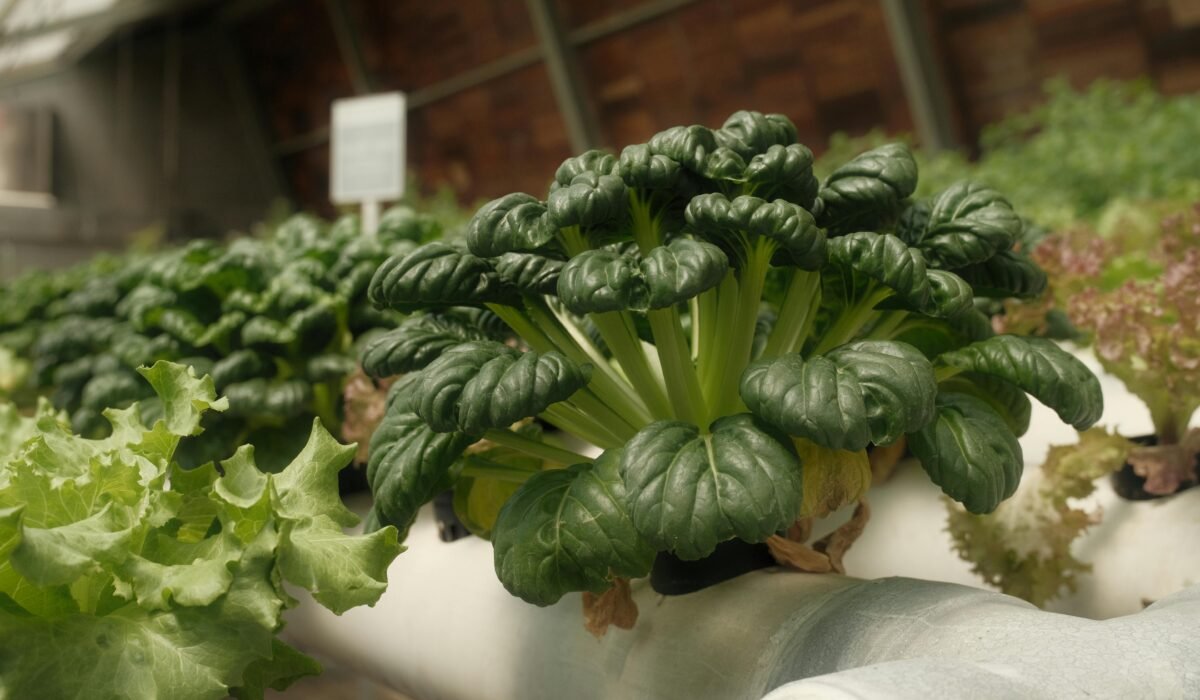
Are you struggling to push your hydroponic harvests to their absolute peak, wondering how to unlock truly exceptional yields? Mastering Advanced Hydroponic Nutrient Delivery is the key to transforming your garden from good to extraordinary. This guide will take you deep into the science and practical strategies behind optimizing your nutrient supply, ensuring your plants receive exactly what they need, precisely when they need it, for unprecedented growth and productivity.
Why Advanced Hydroponic Nutrient Delivery is Crucial for High Yields
Traditional gardening relies on soil to buffer nutrient availability, but hydroponics places the grower in direct control, offering both immense potential and unique challenges. When you master hydroponic nutrient management, you eliminate the guesswork and provide your plants with an ideal environment for explosive growth.
The truth is, even a slight imbalance in your nutrient solution can hinder plant development, reduce yields, or even lead to crop loss. As Complant Consulting aptly warns, “Balancing Nutrients in Hydroponics is crucial, as often times a greater supply of mineral nutrients in hydroponics yields diminishing returns and in severe cases can lead to a point of no return – total crop loss.” This underscores the need for precision.
By adopting advanced strategies, you’re not just feeding your plants; you’re creating a finely tuned ecosystem. Research from PMC highlights that “customizing nutrient delivery and optimizing the root zone environment can improve plant health and productivity.” This proactive approach leads to healthier plants, faster maturation, and significantly higher yields – up to 10 times more lettuce per square foot compared to soil, for instance.
Understanding Essential Hydroponic Nutrients and Their Role
At the heart of any successful hydroponic system lies a comprehensive understanding of plant nutrition. Plants require 17 essential elements for optimal growth, typically categorized as macronutrients and micronutrients. These aren’t just arbitrary chemicals; each plays a specific, vital role in plant physiology.
Macronutrients: The Building Blocks
Macronutrients are those required in larger quantities. These include Nitrogen (N), Phosphorus (P), and Potassium (K) – the famous NPK ratio you see on most fertilizers. Nitrogen drives vegetative growth, phosphorus is crucial for root development and flowering, and potassium aids in water regulation, disease resistance, and overall plant vigor.
Calcium (Ca), Magnesium (Mg), and Sulfur (S) are also essential macronutrients. Calcium strengthens cell walls and improves fruit quality, magnesium is central to chlorophyll production, and sulfur plays a role in protein synthesis and enzyme activity. Getting these ratios right is fundamental for maximizing hydroponic yield.
Micronutrients: The Catalysts
Though needed in smaller amounts, micronutrients are no less critical. Iron (Fe), Manganese (Mn), Boron (B), Zinc (Zn), Copper (Cu), Molybdenum (Mo), Chlorine (Cl), and Nickel (Ni) act as co-factors for enzymes, facilitate photosynthesis, and support a myriad of metabolic processes. A deficiency in even one micronutrient can severely impact growth and yield, making advanced nutrient solutions indispensable.
How to Manage Nutrient Levels for Maximum Growth and Yield
Effective hydroponic nutrient management goes beyond simply mixing a solution; it’s about dynamic adjustment based on plant needs and environmental conditions. This constant monitoring and fine-tuning are what separate average growers from those achieving truly impressive results.
Monitoring EC and pH: Your Hydroponic Dashboard
Two critical parameters you must constantly monitor are Electrical Conductivity (EC) and pH. EC measures the total concentration of dissolved salts (nutrients) in your solution. A higher EC means more nutrients are available, while a lower EC indicates fewer. Different plant species and growth stages require specific EC ranges; for example, leafy greens often prefer lower EC than fruiting plants.
pH, or potential hydrogen, indicates the acidity or alkalinity of your nutrient solution. Most hydroponic plants thrive in a slightly acidic range, typically between 5.5 and 6.5. This range ensures optimal plant nutrient uptake, as nutrients become “locked out” and unavailable to roots if the pH drifts too far outside this window. Regular monitoring of EC pH hydroponics with reliable meters is non-negotiable for success.
Adjusting Nutrient Concentrations
As plants grow, they consume nutrients, which changes the solution’s EC. You’ll need to replenish nutrients or dilute the solution as needed. Always use a high-quality, balanced nutrient formula designed specifically for hydroponics, such as the General Hydroponics Flora Series or specialized formulas from Advanced Nutrients.
What most people miss is that nutrient solutions aren’t static; they evolve. You might start with a vegetative formula and transition to a bloom formula as your plants enter their flowering stage. This strategic shift in nutrient ratios is a cornerstone of optimizing nutrient supply for different growth phases.
Exploring Advanced Hydroponic Nutrient Delivery Systems
While basic hydroponic systems get the job done, advanced setups offer precision and efficiency that can significantly boost your yields. These systems often integrate sophisticated components to ensure consistent nutrient delivery and optimal root zone conditions.
Drip Irrigation Systems
Drip irrigation, often used in substrate-based hydroponics like coco coir or rockwool, delivers nutrient solution directly to the base of each plant. This method is highly efficient, minimizing waste and ensuring uniform distribution. Advanced versions use pressure-compensated drippers to maintain even flow rates across large systems, regardless of elevation changes.
Nutrient Film Technique (NFT)
NFT systems involve a thin film of nutrient solution flowing over the roots of plants, which are typically suspended in channels. The roots absorb nutrients and oxygen from this shallow stream. The key to NFT’s success lies in maintaining the correct flow rate and oxygenation levels in the film. It’s an excellent method for leafy greens and herbs, and vertical hydroponic systems often utilize NFT principles.
Deep Water Culture (DWC) and Aeroponics
DWC involves suspending plant roots directly into an oxygenated nutrient solution. While relatively simple, advanced DWC setups incorporate chillers to maintain optimal water temperature and larger air pumps for maximum dissolved oxygen. Aeroponics takes this a step further, misting nutrient solution directly onto suspended roots in an air-rich environment, leading to incredibly rapid growth and some of the highest potential yields due to superior oxygenation.
The short answer is, the “best” system depends on your crop and scale. However, when considering hydroponic system optimization, always prioritize systems that allow for precise control over nutrient delivery and root zone environment.
Leveraging Smart Technology and Automation in Hydroponics
For home and small-scale growers, the integration of smart technology is no longer a futuristic dream but an accessible reality. These tools transform nutrient management from a daily chore into a hands-off, highly optimized process, leading to significant hydroponic yield increase.
Automated Nutrient Dosing Systems
Automated nutrient dosing systems are game-changers for maintaining stable EC and pH levels. Devices like Growee or DIY setups with peristaltic pumps can automatically add pH adjusters and nutrient concentrates based on real-time sensor readings. Growee notes, “To achieve optimal growth and yield, regularly monitor nutrient levels and adjust according to your plants’ needs. By incorporating hydroponic automation, such as Growee, nutrient management can be simplified.”
These systems drastically reduce labor and prevent nutrient fluctuations, ensuring your plants consistently receive their ideal diet. A 2022 MIT research project demonstrated a 30% increase in yield due to precise nutrient adjustments and a 25% labor cost savings using AI-driven monitoring systems.
IoT Sensors and Remote Monitoring
Basic IoT sensors for pH, EC, temperature, and even dissolved oxygen are becoming increasingly affordable and user-friendly. These sensors connect to Wi-Fi, allowing you to monitor your system’s vital statistics from your smartphone, anywhere, anytime. This remote oversight provides peace of mind and allows for proactive adjustments before problems escalate.
Imagine receiving an alert if your pH drifts out of range while you’re at work, allowing you to remotely activate a dosing pump or return home to address it. This level of control epitomizes smart hydroponic systems and is a cornerstone of precision hydroponics home growing.
Environmental Control Integration
Beyond nutrients, smart systems can integrate with environmental controls like lighting, temperature, and humidity. By linking these factors, you create a truly optimized growing environment. For instance, a system might automatically increase nutrient strength slightly when lights are at peak intensity, knowing plants will be metabolizing more rapidly.
Troubleshooting Complex Nutrient Issues in Hydroponic Systems
Even with advanced systems, nutrient issues can arise, especially as you push for higher yields. Understanding common problems like hydroponic nutrient lockout and how to address them is crucial for maintaining plant health and productivity. The key is to be observant and systematic in your approach.
Identifying Nutrient Deficiencies and Toxicities
Visual symptoms are your first line of defense. Yellowing leaves (chlorosis), stunted growth, necrotic spots, or oddly shaped foliage all signal a problem. For a comprehensive guide, refer to resources like Identify & Fix Plant Nutrient Deficiencies: Complete Guide. However, in advanced systems, issues can be more subtle.
Toxicity, where there’s too much of a particular nutrient, can be harder to spot as symptoms often mimic deficiencies. For example, excess nitrogen can cause dark green, stunted growth, while excess potassium can interfere with calcium and magnesium uptake.
Addressing Nutrient Lockout
Nutrient lockout occurs when nutrients are present in the solution but are unavailable to the plant roots. This is most commonly caused by incorrect pH levels, as extreme acidity or alkalinity prevents specific elements from being absorbed. High EC can also lead to lockout, as the root cells struggle to absorb water and nutrients from a highly concentrated solution.
- Check pH and EC: Always start by verifying your pH and EC meters are calibrated and taking accurate readings.
- Flush the System: If lockout is suspected, especially in recirculating systems, perform a system flush. Drain the existing nutrient solution and replace it with fresh, pH-balanced water (or a very weak, balanced nutrient solution) for 24-48 hours.
- Replenish with Fresh Solution: After flushing, refill with a freshly mixed nutrient solution at the appropriate EC and pH for your plants’ growth stage.
Preventing Nutrient Antagonisms
Nutrient antagonisms happen when an excess of one nutrient inhibits the uptake of another. For instance, high levels of potassium can antagonize calcium and magnesium uptake. This is why using a balanced, reputable nutrient line is so important, as these are formulated to minimize such interactions. Never blindly add extra single nutrients unless you’re absolutely certain of a specific deficiency and its cause.
Is Advanced Nutrient Delivery Worth It? Cost-Benefit Analysis
Investing in advanced nutrient solutions and delivery systems naturally comes with an upfront cost. However, the long-term benefits, particularly for growers focused on maximizing output and efficiency, often far outweigh the initial expenditure. It’s about looking at the bigger picture of ROI.
Increased Yields and Faster Growth
The most compelling benefit is the significant boost in productivity. Hydroponic crops can mature up to 25% faster and produce higher yields than traditional agriculture, primarily due to improved nutrient uptake efficiency. A 25% increase in yield from precision fertigation, as found by the Journal of Agricultural Engineering (2021), is a substantial gain for any grower.
For commercial operations, this translates directly to higher revenue per square foot. For home growers, it means more fresh produce for your family, or a surplus to share, making your gardening efforts more rewarding.
Resource Savings and Efficiency
Advanced systems, especially those with automated nutrient dosing and recirculation, are incredibly efficient. Hydroponics utilizes up to 90% less water than traditional farming methods, a critical advantage in regions with water scarcity. Automated systems also reduce fertilizer waste by up to 30%, which saves money and is better for the environment.
Labor savings are another major factor. ICL US points out, “With appropriate nutrient management and systems, hydroponic growers can improve nutrient control and delivery, reduce water usage and waste, lessen pest and disease pressures, increase yields on smaller footprints, and potentially reduce labor needs.” This frees up your time for other gardening tasks or simply enjoying your harvest.
Long-Term Investment
While the global hydroponics nutrients market is projected to grow from USD 2.25 Billion in 2024 to USD 4.42 Billion by 2035, this growth reflects the value growers are finding. For hobbyists, the initial investment in smart sensors and an automated doser might be a few hundred dollars, but the saved time, reduced nutrient waste, and consistently higher-quality harvests quickly justify the cost. For larger setups, the ROI can be even more dramatic.
Future of Hydroponics: Nanotechnology and Precision Fertigation
The horizon of hydroponics is constantly expanding, with cutting-edge innovations promising even greater efficiency and yield potential. These emerging technologies will further redefine what’s possible in controlled environment agriculture.
Nanotechnology for Enhanced Nutrient Delivery
Nanotechnology, while still in its early stages for widespread agricultural application, holds immense promise for precision fertigation. Nanoparticles can be engineered to deliver nutrients directly to plant cells more efficiently, bypassing traditional uptake limitations. Imagine nutrient solutions where minerals are encapsulated in nanocarriers, allowing for slow, targeted release or improved absorption rates.
This could mean even lower nutrient consumption, reduced waste, and enhanced plant resilience to stress. Research is exploring how nano-fertilizers could optimize nutrient availability and minimize nutrient lockout at a molecular level, truly revolutionizing optimizing nutrient supply.
AI-Driven Hydroponic Systems
Beyond current automation, the future lies in truly intelligent systems. AI algorithms will analyze vast amounts of data – not just EC, pH, and temperature, but also plant growth rates, light intensity, CO2 levels, and even genetic markers – to predict and adjust nutrient delivery in real-time. This level of dynamic optimization will move beyond pre-programmed schedules to truly responsive plant care.
These smart hydroponic systems will learn from past growth cycles, identify optimal nutrient recipes for specific cultivars under varying conditions, and even detect early signs of nutrient stress before visual symptoms appear. The potential for unparalleled yields and resource efficiency is astounding.
Personalized Plant Nutrition
The ultimate goal is personalized plant nutrition, where each plant, or even each growth zone, receives a bespoke nutrient profile. This isn’t just about general growth stages but about tailoring solutions to the exact metabolic needs of individual plants, perhaps even based on genetic sequencing. This hyper-precision will minimize waste and maximize the genetic potential of every crop, setting new benchmarks for maximizing hydroponic yield.
Frequently Asked Questions
How can nutrient levels be managed to maximize plant growth and yield in hydroponic systems?
To maximize growth and yield, nutrient levels must be actively managed by consistently monitoring the Electrical Conductivity (EC) and pH of your solution. Adjust EC to match plant growth stages and species requirements, and maintain pH between 5.5-6.5 to ensure optimal nutrient uptake. Automated dosing systems can significantly simplify this process and improve consistency.
What is the key to success in hydroponics?
The key to success in hydroponics lies in precise control over the root zone environment, particularly nutrient delivery. This includes maintaining stable EC and pH, providing adequate oxygenation, and ensuring the correct balance of essential macro and micronutrients. Proactive monitoring and timely adjustments are crucial for preventing issues and promoting vigorous growth.
What are Hydroponics Yields?
Hydroponics yields refer to the amount of edible plant material produced by a hydroponic system, typically measured in weight or volume per unit area or time. Compared to traditional soil cultivation, hydroponic systems generally achieve significantly higher yields due to optimized nutrient delivery, faster growth cycles, and environmental control, with some crops seeing a tenfold increase.
How do advanced nutrients for hydroponics work?
Advanced nutrients for hydroponics are precisely formulated solutions designed to provide all 17 essential plant elements in optimal ratios, often tailored for specific growth stages (e.g., vegetative vs. flowering). They prevent nutrient antagonisms and support robust plant metabolism, leading to faster growth, increased resilience, and ultimately, higher quality and quantity of harvest. Brands like Advanced Nutrients and General Hydroponics offer multi-part systems for fine-tuned control.
Embracing Advanced Hydroponic Nutrient Delivery is more than just a technique; it’s a commitment to precision gardening that pays dividends in lush, abundant harvests. By understanding your plants’ nutritional needs, leveraging smart technology, and proactively managing your system, you can unlock incredible yields and cultivate a truly thriving hydroponic garden. Start by integrating consistent EC and pH monitoring, and explore automated solutions to take your growing to the next level today.