Are you struggling to grow fresh produce because your living space feels too cramped? You’re not alone, and the good news is that **vertical hydroponic systems for small spaces** offer an incredibly efficient solution. This article will guide you through maximizing your gardening potential, transforming even the tiniest balcony or corner into a thriving green oasis.
What Are Vertical Hydroponic Systems for Small Spaces?
At its core, a vertical hydroponic system is a method of **hydroponic gardening** where plants are grown in vertically stacked layers, rather than spread out horizontally. Unlike traditional gardening, hydroponics eliminates soil, instead using a nutrient-rich water solution to deliver essential minerals directly to plant roots. When combined with a vertical setup, this creates an incredibly **space-saving gardening** solution perfect for urban dwellers or anyone with limited square footage.
These systems leverage gravity and clever design to grow more in less area, often resembling a tower or a wall-mounted unit. The water and nutrients are typically recirculated, making them highly efficient. What most people miss is how simple the underlying concept is: plants get exactly what they need, directly to their roots, without the mess or bulk of soil.
How Do They Work?
Vertical hydroponic systems operate on a few key principles to sustain plant life without soil. A pump circulates a carefully balanced **nutrient solution** from a reservoir to the top of the vertical structure. This solution then drips or flows down through the plant growing sites, nourishing the roots before returning to the reservoir to be reused. This closed-loop system conserves water and nutrients remarkably well.
Plants are typically housed in inert growing media like rockwool, coco coir, or clay pebbles, which provide structural support. For **indoor growing**, artificial light sources, commonly **grow lights for hydroponics**, are essential to ensure plants receive adequate illumination for photosynthesis, especially in apartments with limited natural sunlight. This clever combination of vertical design and soilless cultivation is a hallmark of modern **urban farming**.
Why Choose Vertical Hydroponics for Limited Space?
Choosing **vertical hydroponic systems for small spaces** offers a multitude of benefits that extend far beyond simply saving room. These systems are a game-changer for anyone aspiring to cultivate fresh produce in compact environments, from city apartments to small balconies. The efficiency and productivity gains are truly remarkable, making fresh, homegrown food accessible to more people.
Maximize Space Efficiency
The most obvious advantage is the ability to grow a significant number of plants in a minimal footprint. Utah State University Extension highlights that “Vertical gardening is a measure to use space efficiently,” and hydroponics takes this to the next level. You can transform a small wall or a corner into a productive garden, essentially growing upwards instead of outwards. This is particularly appealing for **apartment gardening** where every square inch counts.
Faster Growth and Higher Yields
Plants grown hydroponically can produce crops **twice as fast** as traditional soil gardening methods, according to Spin the Globe Project. This accelerated growth is due to the direct and constant delivery of nutrients to the roots, eliminating the need for plants to search for food. As a result, production in hydroponic systems can also **increase 3 to 10 times** in the same amount of space, leading to more frequent and abundant harvests.
Water Conservation
Hydroponic systems are incredibly water-efficient, using **up to 90% less water** than traditional soil-based gardening methods. This is because the water is recirculated and reused within a closed-loop system, minimizing waste from evaporation and runoff. For environmentally conscious growers, this makes **hydroponic gardening** a highly sustainable choice.
Reduced Pests and Weeds
Without soil, the common problems of soil-borne pests and weeds are significantly reduced. This means less time spent weeding and a lower likelihood of pest infestations, which is a major plus for busy urban gardeners. Less pest pressure often translates to healthier plants and less need for chemical interventions.
Best Vertical Hydroponic Systems for Small Spaces
When considering **vertical hydroponic systems for small spaces**, you’ll find a variety of options, each with its own advantages for different needs and budgets. The “best” system often depends on your specific space, desired level of automation, and gardening experience. Many of these solutions are also excellent **indoor vertical garden kits**.
Commercial Indoor Vertical Garden Kits
For those seeking convenience and advanced features, pre-built systems offer a streamlined approach. Brands like **Lettuce Grow** with their Farmstand, or **Gardyn Hydroponics Growing System Kit 4.0**, are popular choices. The Lettuce Grow Farmstand, for example, is made from ocean-bound plastic and can grow up to 36 plants in just 4 square feet, using 95% less water. Gardyn’s system uses a hybroponic method and includes an AI Assistant for personalized care, cultivating up to 30 large plants in just two square feet. Another notable option is the **Tower Garden**, a self-contained aeroponic system known for its minimal effort once set up. These systems are often marketed towards **small apartment hydroponics** setups, integrating smart technology like automated watering and LED grow lights.
DIY Vertical Hydroponics Small Space Options
If you’re handy and on a budget, building your own system can be a rewarding project. Many sources highlight **DIY hydroponic systems** like PVC pipe setups or vertical bottle gardens as budget-friendly and effective for beginners. You can customize these to fit oddly shaped spaces or to recycle materials you already have. For a detailed guide, check out our article on DIY Hydroponic Systems: Build Your Own Vertical Garden. Oklahoma State University Extension even offers guides on “Building a vertical hydroponic tower,” demonstrating the accessibility of these projects.
Modular and Expandable Systems
Some systems offer modular designs, allowing you to start small and expand as your needs or space allows. These can be particularly useful for renters or those who want flexibility. They often consist of stackable units or panels that can be added or rearranged, making them adaptable to evolving living situations. This flexibility is a key advantage for long-term **urban farming** enthusiasts.
Designing Your Small Space Vertical Hydroponic Garden
Designing your vertical hydroponic garden in a small space requires thoughtful planning to ensure both functionality and aesthetic appeal. It’s not just about cramming plants into a corner; it’s about creating a harmonious and productive environment that complements your home. This is where the concept of **aesthetic integration** truly comes into play for **apartment gardening**.
Choosing the Right Location
The first step is identifying the best spot. Consider areas with good natural light, such as near a window or on a balcony. If natural light is limited, which is common in many small apartments, you’ll need to incorporate **grow lights for hydroponics**. Think about proximity to a power outlet for pumps and lights, and easy access for maintenance and harvesting. A often overlooked consideration is the weight of a fully watered system, so ensure your chosen location can support it.
Lighting Considerations
For **indoor growing**, adequate lighting is non-negotiable. LED grow lights are energy-efficient and emit the specific spectrums plants need. You’ll want to choose lights appropriate for the size of your system and the types of plants you plan to grow. Smart automated hydroponic walls, as noted by Houzz Ideas, can even integrate lighting schedules with minimal effort, making your thriving vertical garden easier to maintain.
Aesthetic Integration and Decor
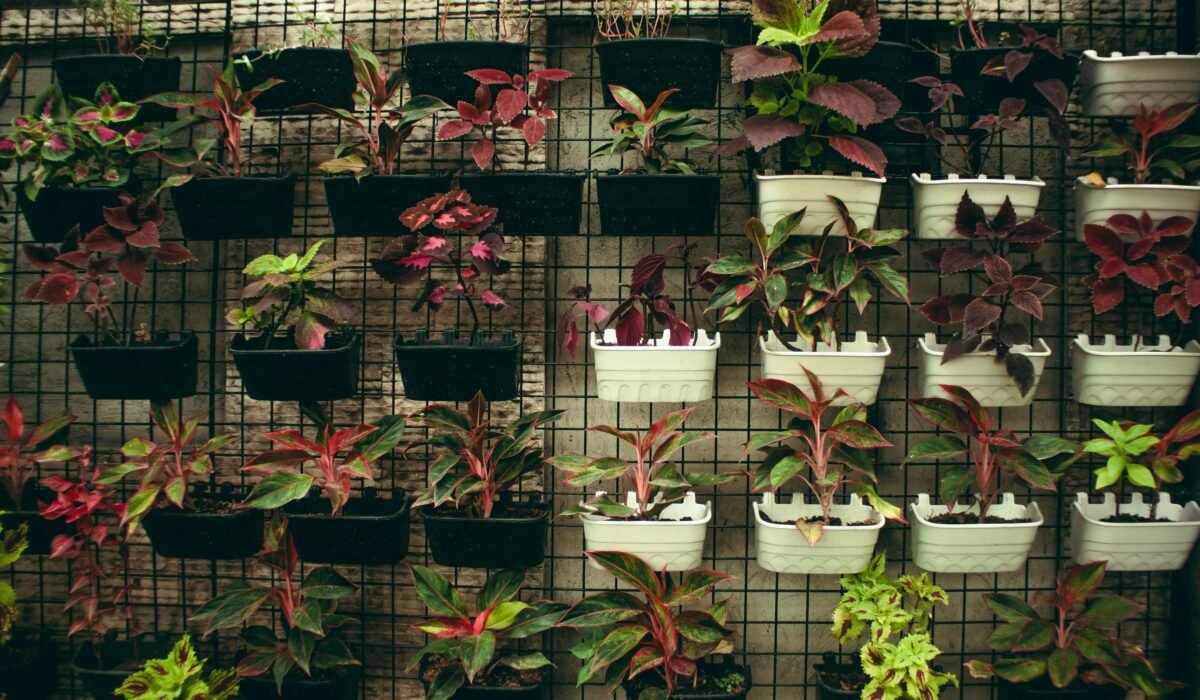
Your vertical hydroponic system can be more than just a functional garden; it can be a beautiful piece of living decor. Look for systems with sleek, minimalist designs that blend with modern interiors. Modular designs can be arranged to create visually interesting patterns, while some units are designed to look like art installations. Consider incorporating your system into your existing decor, perhaps as a green accent wall or a subtle room divider. The goal is to make it an attractive feature, not an eyesore.
What Are the Best Plants for Vertical Hydroponics in Small Spaces?
Choosing the right plants is crucial for the success of your **vertical hydroponic systems for small spaces**. Not all plants are equally suited to this growing method or the confined conditions of **apartment gardening**. The key is to select varieties that thrive in hydroponic environments and don’t require extensive horizontal space.
Leafy Greens and Herbs
These are arguably the easiest and most rewarding plants to grow in a **hydroponic tower** or wall system. They have shallow root systems and relatively compact growth habits.
- Lettuce (various types): Romaine, butterhead, loose-leaf varieties grow quickly and are very forgiving.
- Spinach & Kale: Excellent choices for continuous harvesting.
- Swiss Chard: Adds color and nutrition.
- Herbs: Basil, mint, chives, cilantro, parsley, oregano, and thyme are perfect. They grow prolifically and provide fresh flavor for cooking.
These are often considered the **best plants for vertical gardens** due to their rapid growth and high yield in vertical setups.
Small Fruiting Vegetables
While more challenging than greens, some fruiting plants can do well with careful management.
- Strawberries: Many vertical systems are designed specifically for strawberries, yielding sweet rewards.
- Cherry Tomatoes: Bush or determinate varieties are better than vining types, as they stay more compact. You might need some light support.
- Bell Peppers: Dwarf varieties can thrive, though they require more light and nutrients than leafy greens.
- Mini Cucumbers: Look for compact, bush varieties that don’t vine excessively.
Remember that fruiting plants will generally demand more light, specific **nutrient solution** formulations, and sometimes pollination (for indoor setups).
Cost & ROI: Is a Small Vertical Hydroponic System Worth It?
One of the burning questions for anyone considering **vertical hydroponic systems for small spaces** is whether the initial investment and ongoing costs are truly “worth it.” The short answer is often yes, especially when considering the long-term benefits of fresh, homegrown produce and the potential for savings. A thorough **hydroponic system cost analysis** reveals that value extends beyond just dollars.
Initial Setup Costs
The cost of getting started can vary significantly.
- DIY Hydroponic Systems: Building your own system from PVC pipes or repurposed materials can be very budget-friendly, potentially costing as little as $50-$200 for basic setups. This is a great entry point for those exploring **DIY vertical hydroponics small space** options.
- Pre-built Indoor Vertical Garden Kits: These range from a few hundred dollars to over a thousand, depending on size, features, and automation. Systems like the Lettuce Grow Farmstand or Gardyn are examples of higher-end, feature-rich options.
What most people miss is that while DIY is cheaper upfront, pre-built systems often come with integrated grow lights, pumps, and smart features that simplify the process and can save time and reduce errors in the long run.
Ongoing Operational Costs
Once set up, the main recurring costs include:
- Nutrient Solution: This is a continuous expense, but generally affordable. A good quality nutrient solution is vital for plant health.
- Electricity: Primarily for the pump and **grow lights for hydroponics**. LED lights are energy-efficient, but running them for 12-16 hours a day will add to your electricity bill.
- Grow Media: Replacements might be needed periodically, depending on the type used.
- Seeds/Seedlings: A relatively minor cost, especially if you start from seed.
JetFire Tools notes that the soil in vertical gardens can dry out 20–30% faster, which translates to a greater need for automated watering systems in soil-based vertical gardens, but in hydroponics, the automated circulation inherently addresses this.
Return on Investment (ROI)
The ROI for a small vertical hydroponic system isn’t purely monetary, but it is substantial.
* Grocery Savings: Growing your own herbs, leafy greens, and even some vegetables can significantly offset your grocery bill. Fresh, organic produce, especially specialty items, can be expensive. Lettuce Grow states their Farmstand can significantly offset grocery bills for families.
* Health & Wellness: Access to fresh, pesticide-free produce year-round contributes to a healthier diet.
* Convenience: Having a continuous supply of fresh ingredients just steps away is an invaluable convenience.
* Educational Value: It’s a fantastic learning experience, especially for families.
In practice, a well-managed small vertical hydroponic system can pay for itself within a year or two through grocery savings, especially if you regularly consume the types of plants you’re growing. The added benefits of freshness, taste, and control over what goes into your food are priceless.
Troubleshooting & Maintenance Tips for Small Hydroponic Gardens
Maintaining your **vertical hydroponic systems for small spaces** doesn’t have to be a daunting task, but consistent attention is key to success. While smart automated systems minimize effort, understanding common issues and basic maintenance will ensure your **hydroponic gardening** thrives. This section focuses on challenges unique to compact, indoor environments.
Nutrient Solution Management
The **nutrient solution** is the lifeblood of your hydroponic garden.
- Regular Testing: Test pH and EC (electrical conductivity) levels regularly, ideally every few days. The ideal pH for most plants is between 5.5 and 6.5. EC measures the nutrient concentration.
- Replenishment & Changes: As plants absorb nutrients and water evaporates, the solution’s balance changes. Top off the reservoir with fresh water between full changes, and completely replace the nutrient solution every 1-2 weeks to prevent nutrient imbalances and algae buildup.
- Temperature Control: Keep the reservoir water temperature between 65-75°F (18-24°C). Temperatures outside this range can stress roots and encourage pathogens.
For more in-depth care, consult resources like Identify & Fix Plant Nutrient Deficiencies: Complete Guide.
Managing Humidity in Confined Spaces
**Indoor growing** can lead to increased humidity, especially with multiple plants.
* Air Circulation: Use a small fan to ensure good air movement around your plants. This helps prevent fungal diseases like powdery mildew and strengthens plant stems.
* Ventilation: If possible, open windows periodically or use a dehumidifier, especially in very small **apartment gardening** spaces. High humidity can also be uncomfortable for residents.
Preventing Algae Growth
Algae thrive in light and water, competing with your plants for nutrients.
* Opaque Reservoirs & Tubing: Ensure all parts of your system that contain nutrient solution are opaque to block light. This is the single most effective deterrent.
* Cleanliness: Regularly clean your reservoir and system components during solution changes. A mild hydrogen peroxide solution can help sanitize.
Pest and Disease Monitoring
While less common than in soil, pests and diseases can still appear.
* Daily Inspections: Check your plants daily for any signs of pests (e.g., tiny dots, sticky residue) or disease (e.g., discolored leaves, wilting).
* Early Intervention: Address issues immediately. For small infestations, a gentle wipe with a damp cloth or a spray of insecticidal soap might suffice. For more serious issues, our guide on Hydroponic Pest & Disease Control: The Proactive Guide offers comprehensive strategies.
Getting Started with Your Vertical Hydroponics System
Embarking on your journey with **vertical hydroponic systems for small spaces** is an exciting step towards fresh, homegrown produce, regardless of your limited space. The key is to begin with a clear plan and embrace the learning process. You’ll soon discover the joy of **urban farming** right in your own home.
Choose Your System
Decide whether a pre-built **indoor vertical garden kit** or a **DIY hydroponic systems** approach best suits your budget, skills, and time commitment. Research different types like nutrient film technique (NFT) towers, drip systems, or wick systems, considering the plants you want to grow. Remember, a simple system is often the best choice for beginners.
Gather Your Supplies
You’ll need more than just the system itself. This includes:
* Appropriate **grow lights for hydroponics** if growing indoors.
* A high-quality **nutrient solution** specifically formulated for hydroponics.
* Growing media (rockwool, coco coir, clay pebbles).
* Seeds or seedlings of your chosen plants.
* pH testing kit and adjustment solutions.
* An EC meter to monitor nutrient strength.
* A timer for your lights and pump.
Set Up and Plant
Follow the manufacturer’s instructions for pre-built kits, or your DIY plans for homemade systems. Once assembled, fill the reservoir with water and mix in the nutrient solution according to directions. Then, transplant your seedlings or sow seeds directly into the growing media. Monitor your plants daily, adjusting pH and EC as needed, and enjoy watching your **space-saving gardening** efforts come to life. The experience of seeing plants thrive in such a compact setup is incredibly rewarding.
Frequently Asked Questions
What is the most space-efficient hydroponic setup?
The most space-efficient hydroponic setups are typically vertical towers or wall-mounted systems, which maximize plant count per square foot of floor space. These designs allow plants to grow upwards, leveraging vertical space that would otherwise go unused, making them ideal for **small apartment hydroponics**. Systems like the **hydroponic tower** or stacked NFT channels are excellent examples of this efficiency.
Can I do hydroponics in a small apartment?
Absolutely, hydroponics is perfectly suited for small apartments. **Vertical hydroponic systems for small spaces** are specifically designed to fit into compact areas, utilizing vertical growth to minimize their footprint. With the right selection of system type and plants, you can easily cultivate fresh produce even in the tiniest urban dwellings.
What are the best plants for a vertical garden in a small space?
The best plants for a vertical garden in a small space are typically leafy greens and herbs, such as lettuce, spinach, kale, basil, mint, and chives. These plants have shallow root systems and compact growth habits, thriving in the direct nutrient delivery of hydroponic systems. Small fruiting plants like strawberries and cherry tomatoes (bush varieties) can also be successful.
Do vertical gardens need a lot of maintenance?
Vertical hydroponic gardens require consistent, but often not extensive, maintenance. Key tasks include regular monitoring and adjustment of the nutrient solution’s pH and EC levels, replenishing the reservoir, and occasional cleaning. While automated systems can reduce daily chores, a little hands-on attention ensures optimal plant health and prevents common issues like algae growth.
Embracing **vertical hydroponic systems for small spaces** is a powerful way to bring fresh, homegrown produce into your life, regardless of how much room you have. With careful planning and consistent care, you can transform any compact area into a lush, productive garden. Start exploring the possibilities today and enjoy the bounty of your very own **urban farming** endeavor.