
Do you look at your garden’s shadowy corners and wonder if anything beautiful could ever grow there? You’re not alone in seeking the best shade-loving flowers to transform those challenging spots into vibrant havens. Many gardeners struggle with low-light conditions, but with the right knowledge, you can cultivate stunning blooms that thrive where the sun rarely shines.
Understanding Your Shade: The Key to Choosing the Right Flowers
Before selecting any plants, the most crucial step is accurately assessing the type of shade your garden receives. This isn’t a one-size-fits-all situation; different shade conditions demand different plant tolerances. Horticulturalist Jane Smith emphasizes, “The key is understanding your specific shade—is it dappled, partial, or full? And then matching plants to those precise conditions for success.”
Here’s a breakdown of common shade types:
- Full Shade: Areas receiving less than 3 hours of direct sunlight per day, often no direct sun at all. This is common on the north side of buildings or under dense tree canopies.
- Partial Shade (or Partial Sun): These spots get 3-6 hours of direct sun daily, typically in the morning or late afternoon. Dappled shade, where sunlight filters through leaves, also falls into this category. Many plants thrive here, benefiting from protection during the hottest part of the day.
- Deep Shade: This is the most challenging, receiving virtually no direct light. While few flowers truly bloom in deep shade, many foliage plants and some hardy ground covers can survive.
- Dry Shade: Often found under mature trees or eaves, this shade type combines low light with significant competition for moisture and nutrients from established tree roots. This is a common “problematic shade” area for many gardeners.
What most people miss is that light isn’t the only factor; soil conditions, moisture levels, and even air circulation vary dramatically between these shade types. Accurately identifying your shade empowers you to make informed plant choices, ensuring your flowers thrive rather than just survive.
Best Shade-Loving Flowers for Full & Deep Shade
Cultivating a vibrant garden in areas with minimal sunlight requires selecting plants specifically adapted to these conditions. While deep shade can be tricky, numerous best shade-loving flowers and foliage plants offer remarkable beauty. These full shade perennials are champions of low-light environments, bringing color and texture where it’s needed most.
Top Perennials for Full & Deep Shade
For consistently moist, full shade, consider these reliable bloomers and foliage stars:
- Astilbe (Astilbe spp.): Known for its feathery plumes of red, pink, purple, or white flowers, Astilbe ‘Fanal’ offers striking deep red accents. They prefer rich, consistently moist soil and will brighten any dim corner with their elegant spires.
- Hosta (Hosta spp.): While primarily grown for their incredible foliage, some hostas do produce lovely lavender or white flowers. Hosta ‘Empress Wu’ boasts gigantic blue-green leaves, creating dramatic visual impact. They are excellent for shade garden design and ground cover.
- Japanese Painted Fern (Athyrium niponicum ‘Pictum’): While not a flowering plant, its stunning silver, green, and burgundy fronds provide continuous colorful shade foliage. This fern adds delicate texture and year-round interest, making it a favorite for shaded landscapes.
- Bleeding Heart (Dicentra spectabilis): A classic spring bloomer, its heart-shaped flowers in pink, white (‘Alba’), or red dangle gracefully. They thrive in cool, moist, full shade, providing an early burst of charm before going dormant in summer heat.
- Impatiens (Impatiens walleriana): For annual color, traditional Impatiens are unrivaled in full shade, offering continuous blooms in a kaleidoscope of colors. New Guinea Impatiens are also excellent, providing larger flowers and often greater disease resistance, making them fantastic container shade plants.
In practice, even full shade areas can benefit from a few hours of very early morning sun, which can encourage more robust flowering. The key is never harsh afternoon sun, which can scorch their delicate leaves.
Brighten Partial Shade: Top Blooms for Dappled Light
Partial shade, or dappled light, offers the best of both worlds, providing enough sunlight for vibrant blooms while protecting plants from intense afternoon heat. This is where you’ll find a wide array of flowers that bloom all summer in shade, bringing sustained color to your garden. Many flowers that do well in morning sun and afternoon shade truly flourish here.
Excellent Choices for Partial & Dappled Shade
These plants will thrive with a few hours of gentle sun:
- Coral Bells (Heuchera spp.): Prized for their incredible foliage, varieties like Heuchera ‘Palace Purple’ offer year-round color. Delicate flower spikes appear in summer, but it’s the diverse leaf shapes and hues—from lime green to deep burgundy—that make them essential for shade garden design ideas.
- Foxglove (Digitalis purpurea): These biennials or short-lived perennials provide stunning vertical accents with their tall spires of bell-shaped flowers. They are ideal for adding height and drama to a partially shaded border, attracting pollinators.
- Torenia (Wishbone Flower, Torenia fournieri): A fantastic partial shade annual, Torenia offers continuous trumpet-shaped blooms in shades of blue, purple, and white. They are perfect for hanging baskets or container shade plants, spilling over the edges with cheerful color.
- Fuchsia (Fuchsia spp.): With their elegant, pendulous flowers, fuchsias are excellent for shaded patios and hanging baskets. They prefer cool temperatures and consistent moisture, blooming profusely from spring through fall in dappled light.
- Begonia (Begonia spp.): Both tuberous and wax begonias are star performers in partial shade. Tuberous begonias offer large, showy blooms, while wax begonias provide mounds of colorful flowers and foliage, making them versatile for beds and containers.
What most people miss is that even “partial shade” can vary; a spot with intense morning sun followed by deep shade is different from dappled light all day. Observe your specific conditions to ensure optimal plant placement.
Conquering Dry Shade: Flowers for Under Trees
Dry shade, often found under mature trees or dense shrubs, presents one of the toughest gardening challenges. The combination of low light and fierce root competition makes it difficult for many plants to establish. However, with the right approach and specific dry shade plants, you can create a beautiful understory. Dr. Emily White, a botanist, advises, “For dry shade, often found under mature trees, amending the soil with organic matter is paramount.”
Strategies and Plants for Challenging Dry Shade
To succeed here, focus on soil preparation and tough, dry shade tolerant plants:
- Soil Amendment is Key: Before planting, significantly improve the existing soil. Incorporate ample organic matter like composted leaf mold and mushroom compost to a depth of 6-8 inches. This enhances moisture retention and nutrient availability, giving new plants a fighting chance against tree roots. A 2023 case study from “The Shady Garden Project” successfully established diverse understories by focusing on this deep organic matter incorporation.
- Epimedium (Barrenwort, Epimedium x rubrum): These resilient perennials feature delicate, orchid-like flowers in spring and attractive, heart-shaped foliage. Epimedium x rubrum is particularly tough, forming an excellent flowering ground cover shade, even in dry conditions once established.
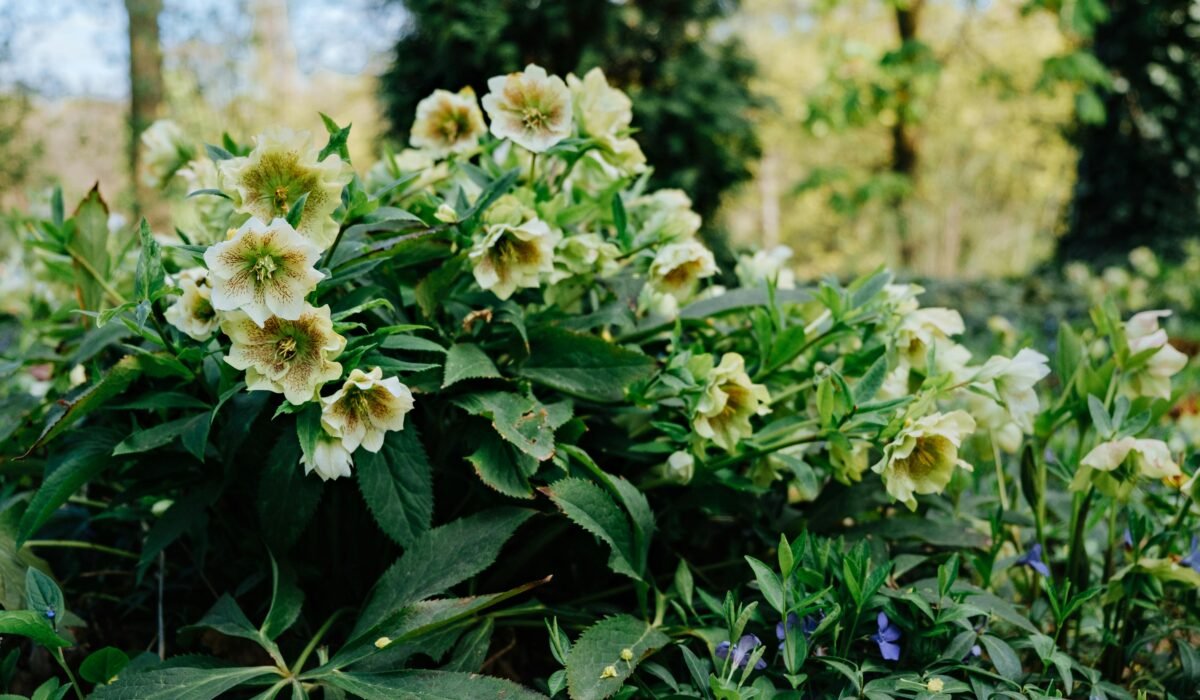
- Helleborus (Lenten Rose, Helleborus orientalis): Hellebores are early bloomers, often flowering in late winter or early spring, bringing much-needed color to barren landscapes. They are remarkably tough, deer-resistant, and excel in dry shade once their roots are established.
- Geranium macrorrhizum (Bigroot Geranium): This vigorous perennial forms a dense mat of attractive, aromatic foliage and produces cheerful pink or magenta flowers. It’s one of the best shade-loving ground cover plants for dry areas, suppressing weeds effectively.
- Native Sedges (Carex spp.): While not flowering in the traditional sense, many native sedges offer fine texture and subtle beauty. They are incredibly adaptable and represent excellent low maintenance shade options for difficult spots, supporting local ecosystems.
- Hosta: As mentioned, hostas are incredibly forgiving. Beyond their aesthetic appeal, they are long-lived and require little more than occasional division. They are the quintessential low-maintenance shade plant.
- Ferns (Various species): From the elegant Japanese Painted Fern to the hardy Ostrich Fern, ferns offer diverse textures and thrive with minimal intervention. They rarely need fertilizing and are generally pest-free, providing continuous colorful shade foliage.
- Lenten Rose (Helleborus orientalis): Once established, hellebores are virtually maintenance-free. They are evergreen in many climates, deer-resistant, and their early blooms provide cheer when little else is flowering.
- Foamflower (Tiarella cordifolia): This native perennial forms lovely mounds of deeply lobed leaves and sends up airy spikes of white, foamy flowers in spring. It’s a fantastic flowering ground cover shade that spreads gently and requires very little care.
- Lungwort (Pulmonaria spp.): Known for its attractive, often spotted foliage and clusters of blue, pink, or white flowers in early spring, Lungwort is a tough and reliable perennial. It forms a nice clump and handles moist shade with ease, making it a great choice for low maintenance shade.
- Embrace Foliage: With fewer vibrant flowers, colorful shade foliage becomes paramount. Combine hostas with varied leaf sizes and colors (blue, gold, variegated) with the delicate fronds of ferns, the bold leaves of ligularia, and the vibrant hues of heucheras. This creates a rich tapestry of greens, silvers, purples, and bronzes.
- Play with Texture: Contrast fine textures (ferns, astilbe plumes) with bold textures (hosta leaves, ligularia). Add a smooth, dark stone or a weathered wooden bench to introduce hardscaping elements that complement the soft plant forms.
- Incorporate Form & Structure: Use tall, upright plants like foxglove or Cimicifuga (Actaea) for vertical accents. Create layers with low-growing ground covers, mounding perennials, and even shade tolerant shrubs like Hydrangea quercifolia (Oakleaf Hydrangea) or Rhododendrons for structure.
- Light & Reflection: In low-light areas, use plants with silver or variegated foliage to reflect available light, making the space feel brighter. Consider adding a small mirror, a light-colored path, or reflective garden ornaments to enhance luminosity.
- Color Palettes: Focus on cool colors like blues, purples, and whites, which appear luminous in shade. Introduce pops of hot colors (reds, oranges) with impatiens or fuchsia in containers, but use them sparingly to avoid overwhelming the serene atmosphere.
- Watering Wisely: Shade plants generally require less frequent watering than sun-lovers, but consistency is key. Check soil moisture regularly by sticking your finger about an inch or two deep. Water deeply when the topsoil feels dry, allowing water to reach the roots. For container shade plants, daily checks might still be necessary, especially during warm periods.
- Soil Amendments Shade: Beyond initial planting, continue to enrich your shade garden soil annually with organic matter. A layer of composted leaves or aged manure helps maintain soil structure, fertility, and moisture retention. This is particularly vital for dry shade plants under trees, where nutrients are constantly being drawn away.
- Fertilization: Shade plants often have lower nutrient requirements. A balanced, slow-release granular fertilizer applied in spring, or a diluted liquid feed every few weeks for container plants, is usually sufficient. Over-fertilizing can lead to lush foliage but fewer blooms.
- Pest and Disease Management: Humid, shaded conditions can sometimes encourage slugs, snails, and fungal diseases like powdery mildew. Good air circulation, proper spacing, and promptly removing diseased foliage are preventative measures. Organic slug baits can be effective.
- Pruning and Deadheading: Remove spent flowers (deadhead) to encourage more blooms and maintain a tidy appearance. Prune back any leggy growth or damaged leaves to keep plants healthy and promote fuller growth. This also improves air circulation, which is vital in shaded, often humid, environments.
When planting under trees, dig wider rather than deeper holes to minimize root disturbance and give your new plants space to expand without immediate competition. Regular watering during the first year is critical for establishment.
Low-Maintenance Shade Flowers: Easy Care for Busy Gardeners
For gardeners seeking beauty without constant fuss, selecting low maintenance shade plants is a game-changer. These resilient varieties not only tolerate low light but also require minimal attention once established, making them ideal for busy schedules. The Royal Horticultural Society (RHS) highlights the increasing importance of plant resilience and adaptability for low-maintenance gardening, especially in urban areas.
Effortless Blooms for Shaded Spaces
Consider these easy-care options for your shade garden:
Many of these plants also make excellent container shade plants, especially if you use self-watering planters like Lechuza or EarthBox brands, which minimize watering frequency. This strategy helps maintain consistent moisture crucial for thriving, beautiful blooms without constant vigilance.
Designing a Modern Shade Garden: Color, Texture & Form
Transforming a shady spot into a captivating garden goes beyond just choosing the right plants; it involves thoughtful design. Landscape designer Mark Johnson advises, “Don’t underestimate the power of foliage in a shade garden. While flowers provide seasonal bursts, the varied leaf shapes, colors, and textures offer year-round interest.” This approach is central to creating dynamic shade garden design ideas.
Creating Visual Interest in Low Light
Consider these elements for a compelling modern shade garden:
A well-designed shade garden offers a sense of tranquility and discovery, a stark contrast to the often sun-drenched, high-energy areas of a garden. It’s an opportunity to explore subtle beauty and intricate details.
Essential Care Tips for Thriving Shade-Loving Flowers
Even the most resilient best shade-loving flowers benefit from attentive care, especially during their establishment phase. While low-light conditions can reduce water evaporation, other factors become more critical for success. Understanding these nuances will ensure your shade garden flourishes for years to come.
Key Practices for a Healthy Shade Garden
Follow these guidelines to support your shade-dwelling blooms:
In practice, remember that 77% of U.S. households participate in gardening, and many contend with shade. Don’t be discouraged if a plant doesn’t thrive in one spot; sometimes, simply moving it a few feet can make all the difference.
Frequently Asked Questions
What flowers grow well in full shade?
Flowers such as Astilbe, Bleeding Heart, and Impatiens are excellent choices for full shade, providing vibrant blooms in low-light conditions. While traditional Impatiens are popular annuals, perennials like Hosta and Japanese Painted Fern offer continuous foliage interest and subtle flowers.
What flowers bloom all summer in the shade?
For continuous summer blooms in partial to full shade, consider Impatiens, Begonias (especially tuberous and wax varieties), and Torenia (Wishbone Flower). Fuchsias also offer long-lasting, elegant flowers throughout the warmer months, making them perfect for hanging baskets.
What is the easiest flower to grow in shade?
Hosta is arguably one of the easiest shade-loving plants to grow, thriving with minimal care and offering incredible foliage variety. Other easy options include Astilbe, which provides beautiful plumes, and Impatiens, known for their abundant, season-long blooms with relatively little effort.
What are the best plants for deep shade?
For deep shade, where very little direct sunlight penetrates, focus on plants that excel in extremely low light. Hosta, Japanese Painted Fern, and some varieties of Astilbe are among the best choices. While flowering will be minimal, their foliage provides essential texture and color to these challenging areas.
Embracing the unique opportunities that shade provides can transform your garden into a serene and lush retreat. By understanding your specific shade conditions, selecting the right plants, and implementing smart design and care strategies, you can cultivate a thriving low-light oasis. Start exploring the world of shade-loving flowers today and bring vibrant life to every corner of your garden.







