Is your vibrant vegetable garden under attack, leaving you wondering how to protect your precious plants without harsh chemicals? You’re not alone in seeking effective **DIY organic pest control garden** solutions to maintain a healthy, thriving harvest. This comprehensive guide will equip you with proven organic strategies, step-by-step recipes, and a proactive plan to keep pests at bay naturally.
Why Choose DIY Organic Pest Control for Your Garden?
Choosing **DIY organic pest control garden** methods offers numerous benefits beyond just a healthy harvest. It protects your family, pets, and the environment from harmful chemical residues. When you opt for organic solutions, you’re nurturing a balanced ecosystem in your backyard, promoting biodiversity that naturally keeps pests in check.
The truth is, while conventional pesticides offer a quick fix, they often kill beneficial insects alongside the pests, disrupting your garden’s natural defenses. According to the Organic Trade Association, the U.S. organic market, particularly fruits and vegetables, continues to see robust growth, reaching $67.6 billion in 2022. This trend underscores a widespread commitment to chemical-free living and a desire for truly healthy food. By embracing organic pest management, you contribute to this healthier future while enjoying fresh, safe produce from your own backyard.
How Do You Get Rid of Garden Pests Organically?
Getting rid of garden pests organically requires a holistic approach, starting with prevention and moving to targeted treatments. The short answer is that you build a resilient garden system, rather than just reacting to problems. As Garden Organic wisely states, “Prevention, as always, is healthy soil that creates strong growth and resistant plants.” This foundational principle means focusing on creating an environment where plants can thrive and naturally defend themselves.
Build a Strong Foundation: Healthy Soil and Plant Care
Strong, healthy plants are far less susceptible to pest damage. This begins with enriching your soil with compost and organic matter, providing essential nutrients and beneficial microbes. Proper watering, adequate sunlight, and appropriate spacing for your plants also reduce stress, making them more resilient. Remember, stressed plants send out signals that attract pests, so a little preventative care goes a long way.
The Power of Observation: Early Pest Identification
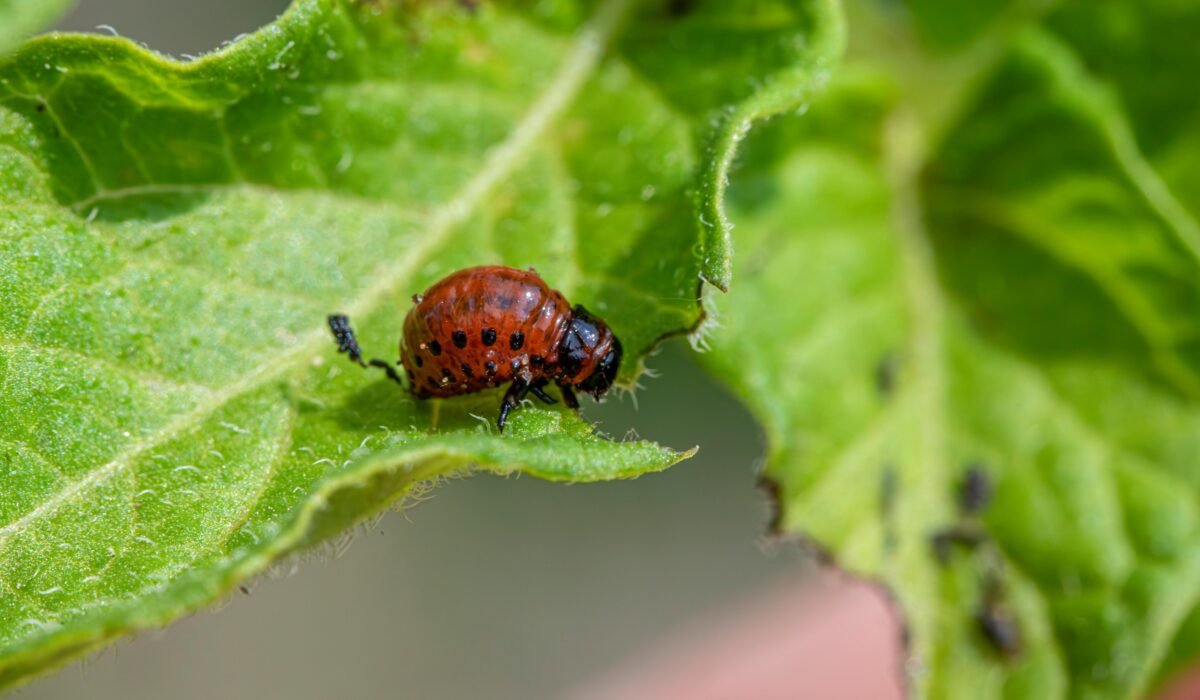
Regularly inspecting your plants is crucial for early intervention. Look under leaves, along stems, and at new growth for any signs of trouble. Early **pest identification** allows you to address issues before they escalate into major infestations, often with simple organic solutions. What most people miss is that catching a few aphids early is far easier than battling thousands later on. For more detailed help, check out our Garden Pest Identification & Organic Control Guide.
Attracting Allies: Beneficial Insects
Your garden isn’t just for vegetables; it’s a habitat. Inviting **beneficial insects** like ladybugs, lacewings, and parasitic wasps is one of the most effective organic strategies. These natural predators feast on common garden pests, providing biological control without any effort from you. You can attract them by planting a diverse range of flowers like dill, cilantro, marigolds, and sweet alyssum. To learn more about welcoming these helpful allies, read our guide on Attracting Beneficial Insects: Organic Garden Pest Prevention.
Strategic Planting: Companion Planting and Crop Rotation
**Companion planting** involves placing specific plant pairs together to deter pests or attract beneficial ones. For instance, marigolds are known to repel nematodes, while nasturtiums can act as a trap crop for aphids. Similarly, **crop rotation** prevents pest populations from building up in the soil over successive seasons. Changing where you plant certain vegetable families each year breaks the pest life cycle, significantly reducing future infestations.
Best Homemade Organic Pest Control Recipes
When preventative measures aren’t quite enough, homemade organic pest control for vegetables can offer targeted relief. These DIY solutions leverage natural ingredients to combat pests without resorting to harsh chemicals. Always test any spray on a small section of a plant first to ensure there’s no adverse reaction (phytotoxicity) before widespread application.
1. DIY Insecticidal Soap Spray
This classic **organic pesticide** is highly effective against soft-bodied insects like aphids, spider mites, and whiteflies. It works by dissolving the waxy outer layer of the insect, leading to dehydration.
* Ingredients:
* 1-2 teaspoons of mild liquid soap (Castile soap or non-detergent dish soap)
* 1 gallon of water
* Instructions:
1. Mix the soap thoroughly with water in a spray bottle.
2. Apply directly to affected plants, ensuring complete coverage of pests, especially on the undersides of leaves.
3. Reapply every 5-7 days or after rain until the infestation is controlled.
* Tip: Avoid using strong detergents, which can harm plants. For more on specific pests, see our guide on How to Get Rid of Spider Mites in Your Garden.
2. Neem Oil Spray
**Neem oil** is a powerful broad-spectrum organic insecticide, miticide, and fungicide derived from the neem tree. It disrupts insect feeding and reproduction, making it a reliable choice for many common garden pests.
* Ingredients:
* 1-2 tablespoons of 100% cold-pressed neem oil
* 1 teaspoon of mild liquid soap (as an emulsifier)
* 1 gallon of water
* Instructions:
1. Mix neem oil and soap in a small container first to emulsify.
2. Add the mixture to the gallon of water and stir well.
3. Spray all plant surfaces, including undersides of leaves, until dripping.
4. Apply in the early morning or late evening to avoid burning foliage and to protect beneficial insects.
* Tip: Consistency is key with neem oil; apply every 7-14 days as a preventative or every 5-7 days for active infestations.
3. Garlic and Pepper Infusion
This pungent spray acts as a repellent and can deter various chewing and sucking insects. It’s a fantastic natural way to keep bugs off vegetable plants.
* Ingredients:
* 1 whole garlic bulb (peeled and crushed)
* 1-2 hot peppers (e.g., habanero, jalapeño), finely chopped
* 1 quart of water
* 1 teaspoon of mild liquid soap (optional, as a spreader)
* Instructions:
1. Combine garlic, peppers, and water in a blender and process until smooth.
2. Let the mixture steep for at least 24 hours, or simmer gently on the stove for 20 minutes.
3. Strain the liquid thoroughly through cheesecloth or a fine mesh sieve.
4. Add soap if desired.
5. Dilute with an equal part of water before spraying on plants.
* Tip: This spray can be quite potent, so use caution and wear gloves during preparation.
An Organic Integrated Pest Management (IPM) Calendar for Your Garden
An effective **DIY organic pest control garden** strategy isn’t just about reacting to problems; it’s about proactive planning. Integrated Pest Management (IPM) for organic gardens focuses on prevention and monitoring. As Cog Hill Farm points out, “Organic pest controls are typically great at preventing an issue or an outbreak, but if you wait till you have a major issue or an outbreak, then typically organic pesticides are not going to help or eliminate your issues.” Here’s a seasonal calendar to guide your organic efforts:
Spring: Foundation & Prevention
* Early Spring (Pre-planting):
* Soil health: Amend soil with compost and organic fertilizers. This builds a strong base for plant immunity.
* Crop rotation: Plan your garden layout to avoid planting the same crop family in the same spot as last year.
* Physical barriers: Install row covers or netting over susceptible young plants (e.g., cabbage, broccoli) to prevent early pest access like cabbage worms.
* Late Spring (Planting & Early Growth):
* Companion planting: Incorporate pest-repelling plants (marigolds, nasturtiums) and beneficial insect attractors (dill, cilantro) alongside vegetables.
* Monitoring: Regularly inspect new seedlings for aphids, flea beetles, and slugs.
* Organic slug control: Set beer traps or apply **diatomaceous earth** around vulnerable plants, especially in moist conditions. For more on slugs, check out our guide on How to Identify & Treat Garden Slug Damage.
Summer: Vigilance & Targeted Action
* Early Summer (Peak Growth):
* Continued monitoring: Check for squash bugs, cucumber beetles, tomato hornworms, and spider mites.
* Hand-picking: Remove larger pests by hand.
* Beneficial insects: Ensure your garden is attractive to predators.
* Spot treatment: Use **insecticidal soap** or **neem oil** for localized infestations of aphids or spider mites.
* Mid-to-Late Summer (Harvest Season):
* Pruning & cleanup: Remove dead or diseased foliage to reduce hiding spots for pests and improve air circulation.
* Bacillus thuringiensis (Bt): Apply for caterpillars like cabbage worms and tomato hornworms as needed.
* Water management: Ensure proper irrigation; drought-stressed plants are more vulnerable.
Fall: Cleanup & Preparation
* Post-Harvest:
* Garden cleanup: Remove all plant debris, which can harbor overwintering pests and diseases.
* Soil amendment: Add more compost to replenish soil nutrients.
* Cover crops: Plant cover crops to improve soil structure and suppress weeds, which can host pests.
Common Garden Pests & Their Organic Solutions
Facing a specific pest? Here’s a quick reference for common vegetable garden pests and their most effective organic countermeasures. Understanding your enemy is the first step to winning the battle.
- Aphids: Tiny, soft-bodied insects that cluster on new growth, sucking plant sap.
- Solution 1: Blast with a strong stream of water.
- Solution 2: Apply **insecticidal soap** spray (see recipe above).
- Solution 3: Introduce ladybugs, a natural predator.
- Cabbage Worms (and other caterpillars): Green larvae that chew holes in leaves, especially brassicas.
- Solution 1: Hand-pick and destroy.
- Solution 2: Apply Bacillus thuringiensis (Bt) spray, which specifically targets caterpillars.
- Solution 3: Use **physical barriers** like row covers over susceptible plants. This is an excellent **DIY pest spray for cabbage worms** alternative.
- Slugs & Snails: Leave slimy trails and ragged holes in leaves.
- Solution 1: Set shallow beer traps (they are attracted to yeast).
- Solution 2: Apply **diatomaceous earth** around plant bases (effective when dry).
- Solution 3: Hand-pick at night with a flashlight. This is key for **organic slug control**.
- Squash Bugs: Grayish-brown bugs that feed on squash and pumpkin leaves, causing wilting.
- Solution 1: Hand-pick adults and crush egg clusters on undersides of leaves.
- Solution 2: Use trap crops like blue hubbard squash, then destroy infested trap plants.
- Solution 3: Apply **neem oil** to nymphs.
- Tomato Hornworms: Large green caterpillars with a horn-like projection, capable of defoliating tomato plants quickly.
- Solution 1: Hand-pick (they glow under blacklight at night).
- Solution 2: Apply Bacillus thuringiensis (Bt) spray.
- Solution 3: Encourage parasitic wasps, which lay eggs on hornworms.
- Flea Beetles: Small, shiny black beetles that jump and chew tiny “shot holes” in leaves.
- Solution 1: Use **physical barriers** like row covers for young, vulnerable plants.
- Solution 2: Apply **diatomaceous earth** around plant bases.
- Solution 3: Plant trap crops like radishes or nasturtiums.
Natural Ways to Keep Bugs Off Vegetable Plants
Beyond sprays and direct treatments, many other methods contribute to **preventing garden pests naturally**. These strategies are often the unsung heroes of a thriving organic garden, creating an environment that discourages pests from settling in. Think of it as making your garden less appealing to the bad guys.
Embrace Physical Barriers
Sometimes the simplest solutions are the most effective. **Physical barriers** like floating row covers, netting, or even individual plant collars can prevent pests from reaching your plants. These lightweight fabrics allow light and water through but block insects like cabbage moths, squash vine borers, and flea beetles. Just remember to remove them for pollination if your plants need it.
Practice Good Garden Hygiene
A clean garden is a healthy garden. Regularly remove weeds, which can harbor pests and diseases, and clear away plant debris promptly. Pests like slugs and earwigs love hiding in damp, decaying matter. What most people miss is that fallen fruit or vegetables are an open invitation for fruit flies and other undesirable guests. Pruning away damaged or diseased leaves also reduces stress on the plant and removes potential breeding grounds.
Encourage Natural Predators
This goes beyond just attracting **beneficial insects**. Providing shelter, water, and diverse plant life encourages a wider range of wildlife, including birds, frogs, and toads, all of whom are excellent pest controllers. A bird bath or a small pond can turn your garden into a haven for these helpful creatures.
Consider Repellent Plants
Certain plants naturally deter pests with their strong aromas. Planting garlic, onions, chives, or marigolds around your vegetable beds can create a natural barrier. For instance, garlic is known to repel aphids and spider mites, while marigolds can deter nematodes and other common garden pests. This is a fantastic **natural way to keep bugs off vegetable plants** without constant intervention.
Troubleshooting Your DIY Organic Pest Control Methods
Even with the best intentions, organic pest control can sometimes present challenges. It’s a learning process, and understanding why something isn’t working is key to success. As Gardenary notes, “A pest-free garden is pretty much an impossibility. Pests are essentially just waiting at the ready for some food to appear.” The goal is management, not eradication.
“My Spray Isn’t Working!”
* Check Coverage: Are you thoroughly coating the pests? Many organic sprays, like insecticidal soap, work by contact. Ensure you’re spraying the undersides of leaves where many pests hide.
* Application Timing: Are you spraying at the right time? Neem oil and soap sprays are best applied in the early morning or late evening to prevent leaf burn and maximize contact with nocturnal pests.
* Frequency: Are you reapplying often enough? Organic pesticides often require more frequent applications than synthetic ones, typically every 5-7 days for active infestations.
* Dilution: Is your solution too weak or too strong? Too weak won’t work, too strong can damage plants. Stick to recommended ratios.
“My Plants are Looking Worse After Spraying!”
* Phytotoxicity: This is plant burn caused by a spray. It’s more common in hot, sunny conditions. Always test a small area first.
* Soap Type: Ensure you’re using a mild, non-detergent soap. Harsh dish soaps can strip plant waxes.
* Neem Oil Quality: Use 100% cold-pressed neem oil. Refined or clarified neem oil may lack the active compounds.
* Water Quality: Hard water can sometimes reduce the effectiveness of soap sprays.
“Pests Keep Coming Back!”
* Holistic Approach: Are you relying solely on sprays? Remember the IPM calendar. Sprays are a treatment, not a prevention for many issues.
* Source of Infestation: Are pests coming from nearby weeds, old plant debris, or even new plants you’ve introduced? Address the source.
* Pest Identification: Are you sure you’ve correctly identified the pest? A solution for aphids won’t work on slugs.
* Beneficial Insects: Are you actively encouraging natural predators? Without them, you’re fighting an uphill battle alone.
Embracing **DIY organic pest control garden** methods is a journey toward a healthier, more sustainable garden. By applying these organic solutions, understanding your garden’s ecosystem, and staying vigilant, you can protect your plants and enjoy a bountiful, chemical-free harvest. Start with prevention, observe your plants closely, and don’t be afraid to experiment with different natural remedies to find what works best for your unique garden.
Frequently Asked Questions
What is the best homemade organic pest control for vegetable garden?
The best homemade organic pest control for a vegetable garden often involves a multi-pronged approach rather than a single solution. Highly effective options include **DIY insecticidal soap spray** for soft-bodied pests like aphids, and **neem oil** spray for broader control against many insects and some fungal issues. Combining these with preventative measures like **companion planting** and attracting **beneficial insects** provides comprehensive protection.
How do you get rid of garden pests organically?
You get rid of garden pests organically by fostering a resilient ecosystem and employing targeted natural solutions. This involves maintaining **healthy soil**, practicing **crop rotation**, using **physical barriers** like row covers, and encouraging **beneficial insects** to prey on pests. For active infestations, homemade remedies like **insecticidal soap**, **neem oil**, or **diatomaceous earth** offer effective, chemical-free treatment options.
What is a natural way to keep bugs off vegetable plants?
A natural way to keep bugs off vegetable plants involves proactive strategies that deter pests before they become a problem. This includes **companion planting** specific herbs and flowers that repel pests, using **physical barriers** like netting, and ensuring good garden hygiene by removing weeds and debris. Attracting natural predators like ladybugs and lacewings also provides continuous, chemical-free pest management.
How do I keep pests off my vegetable garden naturally?
To keep pests off your vegetable garden naturally, focus on building a strong, diverse garden environment. Start with nutrient-rich, **healthy soil** to grow robust plants that are more resistant to pests. Implement **crop rotation** and **companion planting** to confuse and deter common pests, and actively attract **beneficial insects** to your garden. Regularly inspecting plants and removing small infestations by hand or with targeted organic sprays like **neem oil** will also maintain a pest-free environment.