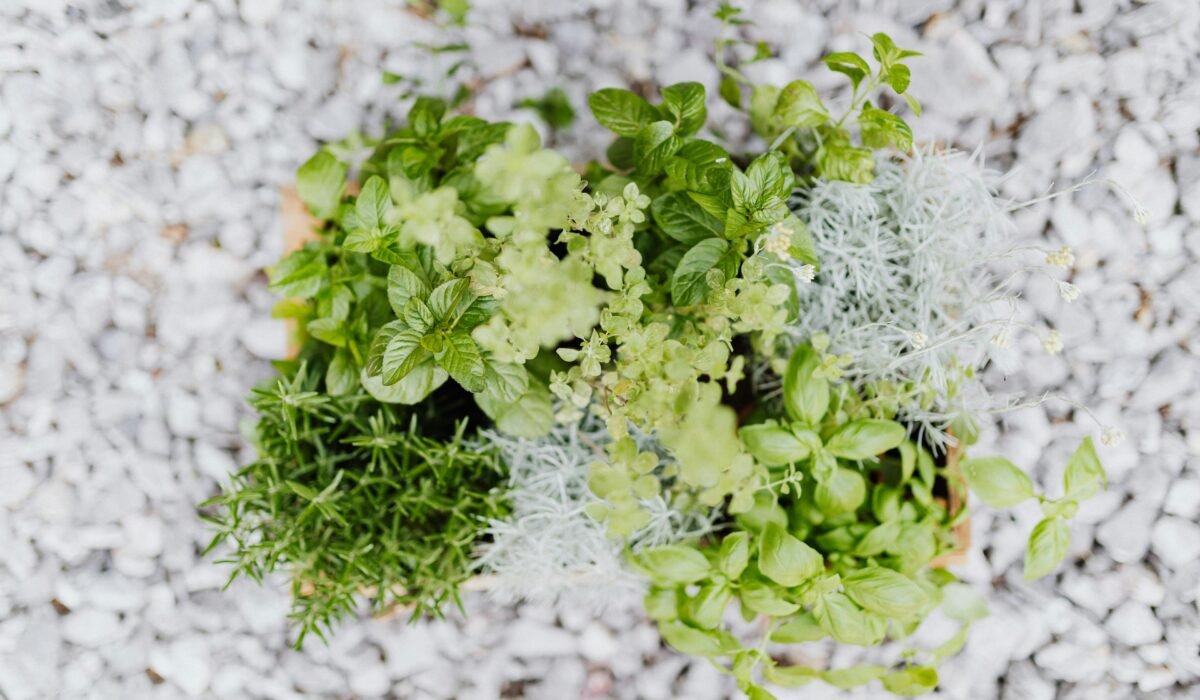
Dreaming of a vibrant space teeming with fragrant herbs, free from synthetic chemicals? Cultivating an organic chemical-free herb garden is not just a trend; it’s a commitment to healthier living, a thriving ecosystem, and a deeper connection to nature’s bounty. This comprehensive guide will empower you to establish and maintain a flourishing herb garden that nourishes your body, delights your senses, and respects the planet.
What is an Organic Chemical-Free Herb Garden?
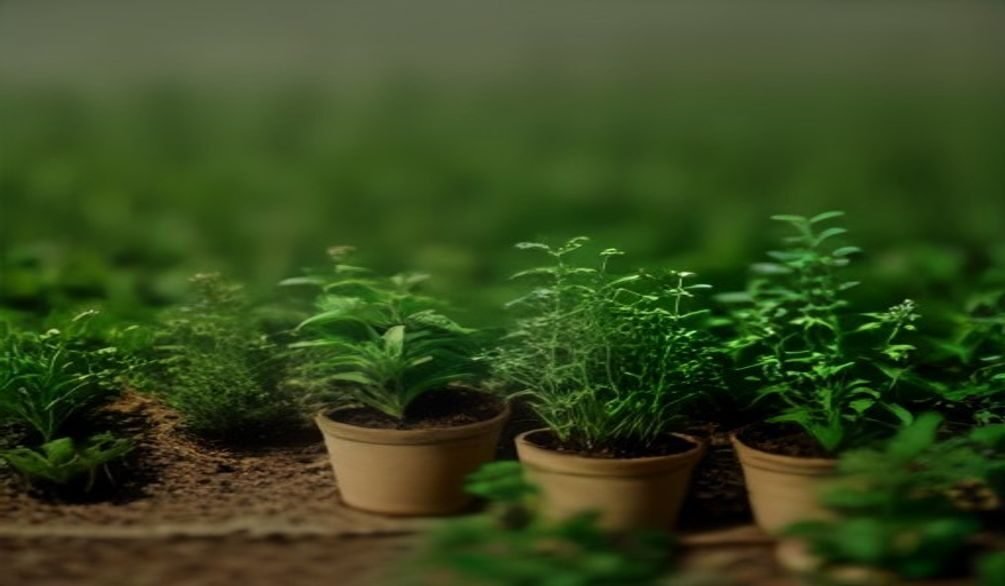
An organic chemical-free herb garden is a dedicated space where aromatic plants are grown without the use of synthetic pesticides, herbicides, or fertilizers. Instead, it relies on natural processes and inputs to foster plant health and soil vitality. This approach prioritizes ecological balance, beneficial insects, and sustainable practices, ensuring that your herbs are as pure and potent as nature intended.
The core principle is to work with nature, not against it, creating a self-sustaining environment. This means focusing on organic soil health, encouraging biodiversity, and employing preventative measures rather than reactive chemical treatments. It’s about cultivating a thriving micro-ecosystem right in your backyard or on your balcony.
Why Choose a Chemical-Free Aromatic Herb Garden?
The decision to cultivate a chemical-free aromatic herb garden offers a wealth of benefits that extend beyond simply growing plants. From personal well-being to environmental stewardship, the advantages are compelling. What most people miss is the profound impact on the quality and safety of the herbs themselves.
Healthier Herbs for You and Your Family
When you grow herbs organically, you eliminate the risk of chemical residues on your culinary and medicinal plants. This ensures that every leaf, stem, and flower you harvest is pure, safe, and rich in its natural compounds. For instance, growing medicinal herbs organically ensures their therapeutic properties are untainted.
Beyond the plate, gardening itself offers significant health benefits. A 2025 study found that gardening can reduce cortisol (stress hormone) levels by 25% on average, with 80% of gardeners reporting improved mood. The natural antidepressant effects of soil bacteria, Mycobacterium vaccae, further enhance this connection.
Environmental Stewardship and Biodiversity
Choosing an organic chemical-free herb garden directly supports local ecosystems and reduces your environmental footprint. Organic methods enhance soil properties, reduce water consumption, and lead to higher soil carbon sequestration, according to a 2026 study. This means healthier soil, cleaner water, and a reduction in CO2 emissions.
As David L. Culp, author of The Layered Garden, wisely notes, “Beyond the harm to local wildlife, any chemicals we used in our garden might end up polluting our well, or run off the property.” Your chemical-free garden becomes a safe haven for pollinators and beneficial insects, contributing to broader ecological health.
Enhanced Flavor and Aromatic Potency
Organic cultivation often results in herbs with more intense flavors and stronger aromas. When plants aren’t stressed by synthetic inputs, they can focus their energy on producing the essential oils and compounds responsible for their distinctive characteristics. This is particularly true for aromatic plant uses, where fragrance is paramount.
The difference is truly palpable in a fresh sprig of organic basil or a cup of chamomile tea brewed from your own garden. These herbs aren’t just food; they’re an experience, shifting people to a parasympathetic state, which is “key to helping people heal physically and emotionally,” as experts in aromatic plants suggest.
How Do You Start Your Organic Herb Garden for Beginners?
Starting an organic herb garden, especially for beginners, can feel overwhelming, but it’s simpler than you might think. The key is to focus on a few foundational steps that set your garden up for long-term success without chemicals. Remember, every expert gardener started as a beginner.
Choosing the Right Location and Sunlight
Most herbs thrive in full sun, meaning at least 6-8 hours of direct sunlight per day. Observe your potential garden space throughout the day to identify the sunniest spots. If you have limited space, consider containers or a vertical garden. The Garden Tower Project offers a “50-plant vertical garden planter” that even turns organic kitchen waste into fertilizer, making 100% organic growth possible in small footprints.
For those living in apartments or with minimal outdoor space, a sunny windowsill or balcony can be perfect for growing organic aromatic plants for beginners. Make sure your chosen location is convenient for watering and harvesting.
Building Healthy Organic Soil
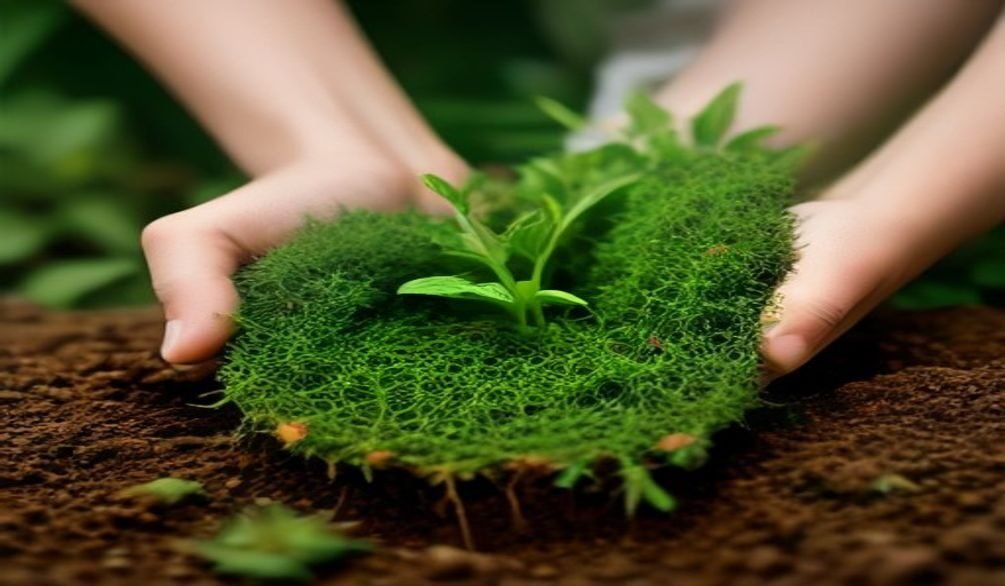
The foundation of any successful organic garden is healthy, living soil. Forget sterile potting mixes; your goal is to create a rich, loamy environment teeming with beneficial microorganisms. Aim for a mix that drains well but retains moisture and nutrients.
Here’s how to build superior organic soil:
- Compost is Key: Incorporate plenty of well-rotted compost into your garden beds or containers. This provides essential nutrients and improves soil structure.
- No-Dig Approach: The RHS states that “no-dig gardening improves soil health, often means less work, and can be started in late winter… with a thick 10-15cm layer of organic matter on existing beds.” This method minimizes disturbance and preserves soil structure.
- Organic Fertilizers: Supplement with natural amendments like worm castings, aged manure, or balanced organic fertilizer for herbs. The organic fertilizers market is projected to reach USD 10.1 billion by 2026, reflecting a growing demand for sustainable solutions.
- Mulch: Apply a layer of organic mulch (straw, shredded leaves, wood chips) around your herbs to retain moisture, suppress weeds, and regulate soil temperature.
For existing beds, a soil test can provide valuable insights into nutrient deficiencies or pH imbalances, guiding your organic amendments. You can also explore our guide on Gardening Zones for Beginners to understand your local climate’s impact on soil and plant choices.
Starting Your Herbs: Seeds, Seedlings, or Cuttings
You can begin your culinary herb garden organic journey from seeds, small plants (seedlings), or cuttings. Seeds offer the widest variety and are often the most economical, but require more patience. Seedlings provide an instant garden and are great for beginners. Cuttings are a cost-effective way to expand your collection from existing plants or a friend’s garden.
Always choose certified organic seeds or seedlings to ensure your garden starts chemical-free. When repotting, be gentle with the roots and ensure adequate drainage. Our guide on How to Repot Herbs: When & Why for Healthy Growth offers detailed advice.
Best Aromatic Herbs for Your Organic Garden
Choosing the right aromatic herbs sets the stage for a thriving and fragrant organic garden. Many popular herbs are naturally robust and resilient, making them excellent choices for chemical-free growing. Focus on varieties known for their culinary, medicinal, and aromatic qualities.
Top Picks for Culinary & Medicinal Aromatic Herbs
- Basil (Ocimum basilicum): A cornerstone of many cuisines, basil loves warmth and sunshine. Its sweet, pungent aroma is a natural deterrent to some pests.
- Rosemary (Rosmarinus officinalis): Hardy and drought-tolerant once established, rosemary’s piney scent is fantastic for cooking and can help repel cabbage moths and carrot rust flies.
- Mint (Mentha spp.): Vigorous and incredibly fragrant, mint varieties offer a wide range of aromas. Plant in containers to prevent aggressive spreading.
- Thyme (Thymus vulgaris): A low-growing, creeping herb with delicate leaves and a robust, earthy aroma. It’s excellent for ground cover and attracts beneficial insects.
- Lavender (Lavandula angustifolia): Beyond its stunning beauty, lavender’s calming fragrance makes it perfect for aromatherapy and repelling mosquitoes and fleas.
- Chamomile (Matricaria chamomilla): With its apple-like scent, chamomile is ideal for soothing teas and acts as a beneficial companion plant, improving the growth of nearby herbs.
These herbs are generally forgiving and adapt well to organic growing conditions, making them ideal for an organic chemical-free herb garden. You can also explore our Best Herbs for Beginner Gardeners: Easy Picks for Success for more ideas.
Herbs with Natural Pest Repelling Qualities
Many aromatic herbs possess compounds that naturally deter common garden pests. This is a crucial element of natural pest control herbs and a proactive step in chemical-free gardening. For example, the strong scent of basil can deter flies and mosquitoes, while rosemary helps keep away slugs and certain beetles.
Planting these strategically throughout your garden creates a protective barrier. Marigolds, though not herbs, are also excellent companion plants known for repelling nematodes and other pests. This concept of companion planting aromatic herbs is a cornerstone of a healthy organic ecosystem.
Advanced Organic Pest & Disease Management for Herbs
Even in a thriving organic garden, pests and diseases can sometimes emerge. The key to advanced management is a holistic, preventative approach that leverages ecological principles rather than resorting to harsh chemicals. This is where your expertise in chemical-free gardening tips truly shines.
Integrated Pest Management (IPM) for Herbs
IPM is an ecological approach that combines various control methods to manage pests while minimizing risks to people and the environment. The EPA updated its definition of IPM in 2025, emphasizing its use of “pest life cycles, monitoring, and a mix of control methods.” For herbs, this means vigilance and a layered defense.
Effective IPM strategies include:
- Regular Scouting: Inspect your plants frequently for early signs of pests or disease. Catching issues early is critical.
- Hand-Picking: For larger pests like slugs or caterpillars, simply pick them off and dispose of them. Our guide on How to Identify & Treat Garden Slug Damage can help.
- Water Sprays: A strong jet of water can dislodge aphids and spider mites. Learn more about How to Get Rid of Spider Mites in Your Garden.
- Beneficial Insects: Encourage natural predators like ladybugs, lacewings, and parasitic wasps. These insects feast on common pests.
Your garden should be a welcoming habitat for these helpful creatures. Check out our detailed guide on Attracting Beneficial Insects: Organic Garden Pest Prevention.
Natural Pest Control & Disease Prevention
Beyond IPM, several organic techniques serve as potent defenses. Natural pest control for herb gardens relies on understanding plant interactions and environmental factors. For example, rotating crops can disrupt pest life cycles, while ensuring good air circulation prevents fungal diseases.
Consider these advanced strategies:
- Companion Planting: Strategically plant herbs that repel pests near susceptible ones. Marigolds deter nematodes, while nasturtiums can act as a trap crop for aphids.
- Homemade Organic Sprays: Create your own pest deterrents using ingredients like neem oil, garlic, or hot pepper. A simple soap spray can smother soft-bodied insects. You can find more recipes in our DIY Organic Pest Control: Your Guide to a Healthy Garden.
- Healthy Soil, Healthy Plants: Robust plants grown in nutrient-rich soil are naturally more resistant to pests and diseases. Focus on building and maintaining vibrant soil life.
- Disease-Resistant Varieties: When selecting seeds or seedlings, opt for varieties known for their resistance to common herb diseases in your region.
Remember, prevention is always easier than cure in an organic chemical-free herb garden. A proactive approach minimizes the need for intervention.
Maximizing Aromatic Potency in Your Chemical-Free Herbs
Growing herbs organically is one thing; ensuring they burst with maximum flavor and fragrance is another. To truly harness the power of your chemical-free aromatic herbs, you need to understand the nuances of their cultivation and care. This is about nurturing the essential oils that give herbs their magic.
Optimal Growing Conditions for Essential Oil Production
The concentration of essential oils, which are responsible for an herb’s aroma and flavor, is heavily influenced by environmental factors. Sunny conditions generally promote higher essential oil content. Ensure your herbs receive ample sunlight, as discussed earlier.
Additionally, avoid overwatering, as this can dilute essential oils. Herbs like rosemary, thyme, and lavender prefer slightly drier conditions. A well-draining soil mix is paramount here. While adequate nutrients are vital, excessive nitrogen can lead to lush leafy growth at the expense of aromatic compounds.
Harvesting Techniques for Peak Aroma
When you harvest your herbs significantly impacts their aromatic potency. The general rule of thumb is to harvest in the morning after the dew has dried but before the heat of the day causes essential oils to evaporate. This is when the plant’s volatile oils are most concentrated.
For most leafy herbs, harvest before the plant flowers, as flowering often signals a shift in the plant’s energy, sometimes reducing leaf flavor. For herbs grown for their flowers, like lavender or chamomile, harvest just as the blooms open fully. Use sharp, clean secateurs like Niwaki Okatsune Secateurs, as recommended by renowned herb grower Jekka, to make clean cuts that promote new growth.
Drying and Storage to Preserve Fragrance
Proper drying and storage are crucial for retaining the aromatic qualities of your harvested herbs. Air drying is a simple and effective method for many herbs. Gather small bundles and hang them upside down in a warm, dry, well-ventilated area away from direct sunlight.
Once completely dry and brittle, strip the leaves from the stems and store them in airtight containers in a cool, dark place. This protects the essential oils from degradation by light and air, ensuring your sustainable herb growing efforts yield fragrant results for months to come. For herbs like mint and basil, freezing can often preserve their fresh flavor and aroma better than drying.
Designing Your Herb Garden as a Holistic Ecosystem
An organic chemical-free herb garden isn’t just a collection of plants; it’s a living, breathing ecosystem designed for resilience and productivity. Adopting a “Holistic Aromatic Ecosystem Approach” means thinking about how each element interacts. This is about creating a harmonious whole, where plants support each other and the environment.
Strategic Placement for Companion Planting
Companion planting aromatic herbs is a cornerstone of this holistic design. Certain plants, when grown together, can deter pests, attract beneficial insects, improve soil health, or even enhance flavor. For example, planting basil near tomatoes is a classic pairing, believed to improve tomato flavor and deter flies.
Consider these pairings for your DIY organic herb garden:
- Rosemary & Sage: Both Mediterranean herbs that deter cabbage moths and carrot rust flies.
- Chamomile & Mint: Chamomile can improve the growth and flavor of nearby herbs, while mint deters slugs (though keep mint contained!).
- Lavender & Echinacea: Attract pollinators and beneficial insects, contributing to garden health.
This thoughtful placement reduces the need for interventions, making your garden more self-sustaining.
Attracting Beneficial Insects and Pollinators
A truly holistic herb garden embraces biodiversity. Attracting beneficial insects like ladybugs, lacewings, and hoverflies is vital for natural pest control. These insects are natural predators of aphids, mites, and other common herb garden pests. Pollinators like bees and butterflies are also crucial for the health of your garden and the broader ecosystem.
To invite these garden allies:
- Plant a variety of flowering herbs and native plants that provide nectar and pollen throughout the growing season.
- Provide a water source, such as a shallow bird bath with pebbles for landing.
- Avoid using any synthetic pesticides, which harm beneficial insects indiscriminately.
Your aromatic herbs, with their fragrant blooms, are often excellent attractors themselves. A garden rich in biodiversity is a resilient garden.
Water Conservation and Sustainable Practices
Sustainable practices herb gardening involves mindful resource use, especially water. Implement drip irrigation or soaker hoses to deliver water directly to the root zone, minimizing evaporation. Mulching, as mentioned earlier, is also highly effective for water retention.
Collect rainwater in barrels for irrigation, reducing reliance on municipal water supplies. These small steps collectively make a big difference in creating an environmentally responsible and thriving organic chemical-free herb garden. A 2025 study found that organically managed systems can reduce nitrogen loads by 50 percent, highlighting the broader environmental benefits of these practices.
Harvesting, Drying, and Enjoying Your Organic Aromatic Herbs
The culmination of your efforts in cultivating an organic chemical-free herb garden is the harvest. This is the moment you reap the rewards of your dedication, transforming fresh leaves into culinary delights, soothing teas, or fragrant gifts. Understanding the best practices ensures you get the most from your chemical-free bounty.
Best Practices for Harvesting Fresh Herbs
Always harvest with clean hands or sharp, sterilized scissors to prevent disease transmission and ensure clean cuts. For most herbs, you can harvest about one-third of the plant at a time, allowing it to regenerate. Regular harvesting actually encourages bushier growth and higher yields, so don’t be shy!
Harvesting in the morning for peak flavor and aroma is ideal, especially for herbs like basil, mint, and cilantro. For continuous production, pinch back flowering stalks on leafy herbs to keep the plant in its vegetative growth phase. This redirects energy back into producing more aromatic foliage.
Methods for Drying & Preserving Your Herbal Bounty
Beyond air drying, several methods can preserve your organic aromatic herbs:
- Dehydrator: A food dehydrator offers a controlled environment for faster drying, preserving color and flavor effectively.
- Oven Drying: A low oven (around 100°F or 40°C) with the door slightly ajar can work in a pinch, but monitor closely to prevent cooking.
- Freezing: For soft-leaved herbs like basil, cilantro, or parsley, freezing can retain their fresh flavor better than drying. Chop herbs and freeze them in ice cube trays with a little water or olive oil.
- Oil Infusions: Infuse fresh herbs into olive oil for flavorful cooking oils. Ensure herbs are completely dry to prevent botulism risk.
Emily Ericson Mills of Moonrise Meadows Farm successfully utilizes medicinal herbs to create value-added products like hydrosols and teas, demonstrating the potential for preserving and utilizing your harvest in various ways.
Creative Ways to Enjoy Your Chemical-Free Herbs
With a thriving organic chemical-free herb garden, the possibilities are endless.
- Culinary Delights: Elevate your cooking with fresh, vibrant flavors. From pestos to marinades, salad dressings to infused oils, your organic herbs will transform everyday meals.
- Herbal Teas: Brew soothing teas from chamomile, mint, lemon balm, or lavender. These provide both flavor and the inherent pharmacological properties of “natural medicines,” as highlighted by experts.
- Aromatherapy & Crafts: Use dried lavender in sachets for drawers or potpourri. Create herbal bath bombs or infused vinegars for household cleaning.
- Medicinal Applications: Explore the healing properties of herbs like calendula, echinacea, or thyme for poultices, tinctures, or salves. Always research and consult professionals for serious medicinal uses.
Your garden provides not just food, but a source of wellness, beauty, and creative inspiration.
Frequently Asked Questions
What are the benefits of an organic herb garden?
An organic herb garden provides chemical-free herbs for safer consumption, enhances flavor and aromatic potency, and supports environmental health by promoting biodiversity and healthy soil. It also offers significant mental health benefits, reducing stress and improving mood according to studies.
How do you start an organic herb garden for beginners?
Beginners should start by choosing a sunny location, building rich organic soil with compost and natural fertilizers, and selecting easy-to-grow aromatic herbs like basil, rosemary, and mint. Prioritize certified organic seeds or seedlings and learn about your local gardening zone for best results.
What herbs are best for a chemical-free garden?
Herbs that are naturally robust and resilient are ideal for a chemical-free garden, including basil, rosemary, thyme, lavender, mint, and chamomile. Many of these also possess natural pest-repelling qualities, contributing to the garden’s overall health without synthetic interventions.
How do you keep pests out of an organic herb garden naturally?
Natural pest control involves integrated pest management (IPM) techniques such as regular plant inspection, hand-picking pests, and using water sprays. Additionally, companion planting, attracting beneficial insects, and maintaining healthy soil are crucial for preventing pest outbreaks in a chemical-free herb garden.
Embarking on the journey of an organic chemical-free herb garden is a rewarding endeavor that connects you deeply with nature and provides an abundance of pure, aromatic plants. By focusing on healthy soil, strategic planting, and natural pest management, you can cultivate a vibrant, sustainable ecosystem right at home. Start small, observe your plants, and enjoy the incredible flavors and fragrances your chemical-free garden brings. Transform your space into a thriving, aromatic sanctuary today!