Do you dream of a lush garden but find your small balcony or terrace a frustratingly tiny space? A vertical garden for small balcony areas is the ultimate solution, transforming cramped outdoor spots into thriving green oases. This article will guide you through maximizing every inch of your urban outdoor living area with clever vertical growing solutions, ensuring your gardening dreams flourish.
What is a Vertical Garden for Small Balconies?
A vertical garden is essentially a method of growing plants upwards rather than outwards, utilizing vertical space on walls, fences, or specially designed structures. For anyone with a limited outdoor footprint, like a small balcony or patio, these innovative vertical growing solutions are a game-changer.
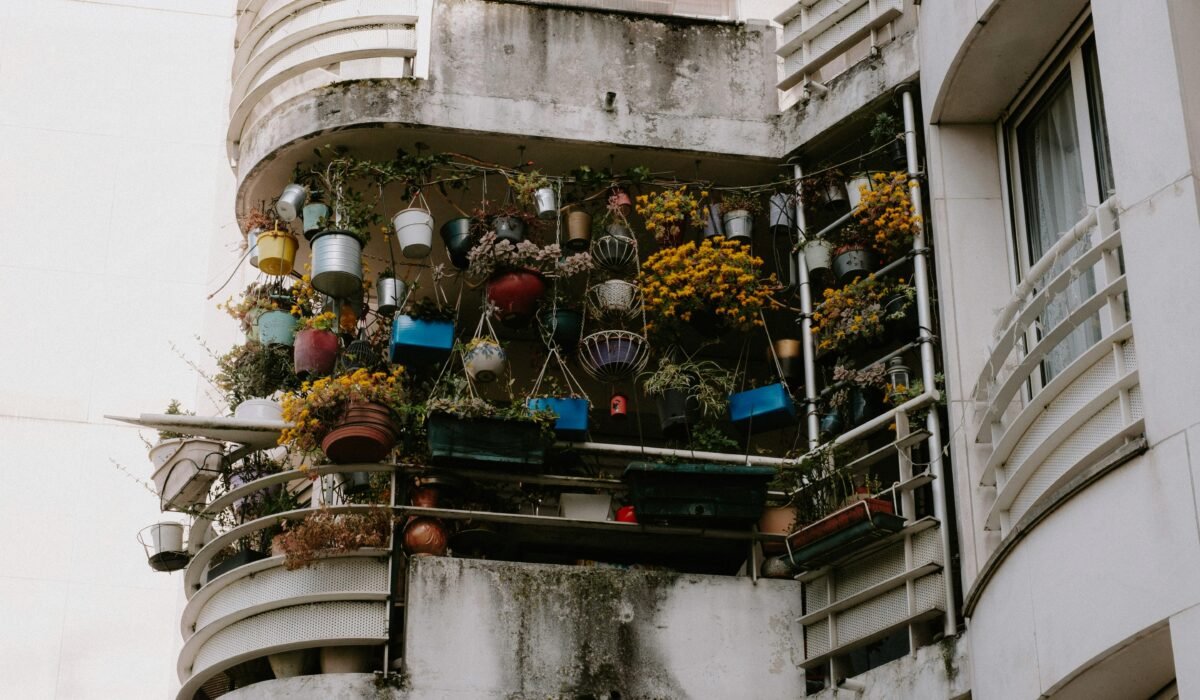
It involves attaching planters or growing pockets to a frame, wall, or tiered system, allowing you to cultivate a significant number of plants in a compact area. This approach is particularly effective for urban gardening tips, turning an otherwise unused wall into a vibrant display of foliage, flowers, or edible produce. In practice, this means your petite balcony can support a garden that feels much larger.
The concept of vertical farming and gardening is experiencing significant growth, reflecting its increasing importance in urban environments. The global vertical garden construction market, for instance, was valued at USD 1.30 billion in 2024 and is projected to reach USD 3.04 billion by 2034, according to recent market reports. This surge is driven by rapid urban construction and a growing demand for green building initiatives, especially in regions like Asia Pacific.
Why Choose Vertical Gardening for Limited Space?
The primary appeal of vertical gardening for limited space is its undeniable efficiency. When horizontal space is scarce, going vertical allows you to expand your growing potential exponentially, making it ideal for space saving gardening urban dwellers. This method directly addresses the common lament of not having enough room to garden, as noted by Mark Ridsdill Smith, founder of Vertical Veg, who emphasizes that a lack of space is a top reason people don’t garden.
Beyond simply creating more room, vertical gardens offer numerous benefits. They can improve air quality, reduce urban heat island effects, and even provide a degree of sound insulation, contributing to significant green wall benefits. Furthermore, by elevating plants, you reduce the risk of ground-dwelling pests and often make gardening tasks like watering and harvesting more accessible.
What most people miss is the psychological benefit; a lush vertical display can transform a drab balcony into a tranquil retreat, enhancing your well-being. This innovative approach to balcony gardening ideas truly maximizes small garden yield, allowing you to harvest more from less area.
Types of Vertical Garden Systems Perfect for Balconies
Choosing the right system for your vertical garden for small balcony depends on your budget, available light, and the types of plants you want to grow. There’s a wide array of best vertical garden systems available, from simple DIY setups to sophisticated automated units.
Stackable Planters: Efficient and Mobile
Stackable planters are a fantastic solution for maximizing space without permanent installation. Systems like the GreenStalk Planter, which comes in 3 to 7 layers, are designed for deep-rooting plants and can grow a variety of produce like lettuce, herbs, and even tomatoes. Many also feature rollers for easy mobility, allowing you to chase the sun or bring plants indoors during harsh weather.
Wall-Mounted Systems: Aesthetic and Space-Saving
These systems attach directly to a wall or railing, turning a blank surface into a living tapestry. Options include fabric pocket planters, modular panels with individual pots, or even repurposed rain gutters. They are perfect for creating a visually stunning green wall and are excellent space-saving planters that don’t take up any floor space.
Trellises & Cages: Classic Vertical Support
Don’t underestimate the power of traditional trellises, obelisks, or cages for climbing plants. These simple structures can support vines, cucumbers, peas, and even small squash varieties. The University of Minnesota Extension recommends planting vines at the base of a trellis and weaving them through the mesh when young to train them to grow upward, ensuring optimal light and airflow.
Hydroponic & Aeroponic Systems: High-Tech Urban Gardening
For those interested in high-efficiency growing, hydroponic vertical gardens offer a soilless solution that uses significantly less water than traditional methods. The Lettuce Grow Farmstand, for example, is a self-watering and self-fertilizing hydroponic system made from ocean-bound plastic, accommodating 18 to 36 plants. These systems are often ideal for hydroponic vertical garden beginners because they come with everything you need, including nutrient solutions and sometimes even grow lights for indoor or shaded areas. For more advanced tips, consider exploring Optimizing Hydroponic Root Health.
DIY Vertical Garden for Small Balcony: Budget-Friendly Projects
Creating your own vertical garden doesn’t have to break the bank. Many DIY vertical garden projects utilize repurposed materials, offering sustainable and affordable container gardening solutions. Here are a few popular and budget-friendly ideas:
- Pallet Garden: Repurpose a wooden pallet by attaching landscape fabric or small planters to its slats. Sand it down, paint it if desired, and secure it upright against a wall. The cost is often just for the fabric and plants, as pallets can sometimes be sourced for free from local businesses.
- Gutter Garden: Old rain gutters can be mounted horizontally in tiers on a wall or fence, creating linear planters. You’ll need gutters, end caps, brackets, and a drill. This is a great way to grow herbs and leafy greens.
- Fabric Pocket Planters: Sew or purchase fabric pockets made from durable felt or canvas. Attach them to a sturdy backing or directly to a wall. These are lightweight, flexible, and perfect for growing a variety of shallow-rooted plants.
- Plastic Bottle Garden: Cut plastic bottles in half, create drainage holes, and hang them vertically from a rod or wire. This is an incredibly eco-friendly option, turning waste into a vibrant garden. You can learn more about creative repurposing ideas from resources like Earth911.
When embarking on a DIY project, remember to consider the weight of soil and plants, and ensure your chosen structure is robust enough. Always prioritize proper drainage to prevent waterlogging, which can be detrimental to plant health.
Best Plants for a Thriving Balcony Vertical Garden
Selecting the right plants is crucial for a successful vertical garden for small balcony spaces. The key is to choose varieties that don’t require extensive root space, tolerate container conditions, and suit your balcony’s sunlight exposure. Here’s a rundown of excellent small space plant selection:
- Leafy Greens: Lettuce, spinach, kale, and Swiss chard are perfect for vertical gardens. They grow quickly, don’t need deep roots, and can be harvested repeatedly. Leafy greens dominate the vertical farming crop segment, accounting for roughly 46–52% of market revenue, highlighting their suitability.
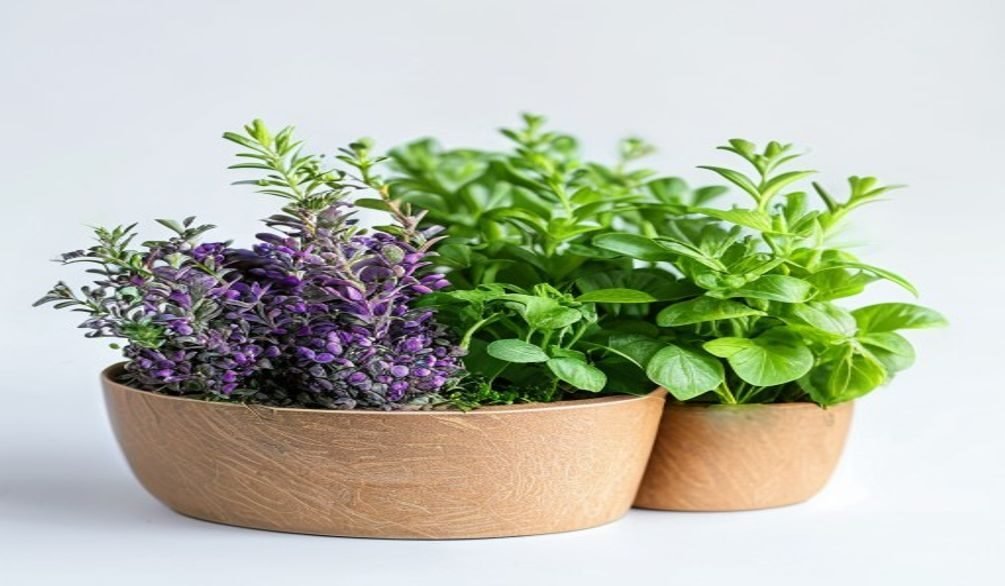
- Herbs: Basil, mint, oregano, thyme, chives, and cilantro thrive in vertical setups. Their fragrant leaves add a delightful sensory experience to your balcony. For advice on watering herbs, check out How to Water Herbs: A Thriving Plant Guide.
- Strawberries: These berry plants are natural candidates for vertical growing, especially in cascading systems, as their fruit dangles beautifully.
- Cherry Tomatoes & Bush Beans: Opt for determinate or bush varieties that have a more compact growth habit. They can be trained to grow upwards with adequate support.
- Edible Flowers: Pansies, nasturtiums, and violas add color and can be used to garnish salads or desserts.
Remember that container plants, especially in vertical gardens, tend to dry out faster and require more frequent feeding. Penn State Extension experts recommend daily watering and fertilization every two to four weeks due to quicker nutrient leaching from pots. Adequate plant spacing is also essential for light and airflow, even in small spaces, a point emphasized by Mark Ridsdill Smith, who notes that leafy vegetables can be grown close together and harvested quickly.
Smart Solutions & Maintenance Tips for Vertical Gardens
Keeping your vertical garden thriving involves more than just planting; it requires smart solutions and consistent care. For busy urban dwellers, automation can be a game-changer. Consider setting up an automatic balcony watering system, such as drip irrigation, which delivers water directly to the plant roots, minimizing waste and ensuring consistent moisture.
Integrating with smart home technology, even beyond basic drip irrigation, offers further convenience. Automated timers for watering or even smart sensors that monitor soil moisture and nutrient levels can take the guesswork out of maintenance, especially for maximize small garden yield efforts. This also helps with precise nutrient delivery, crucial for container plants that can quickly deplete soil resources.
Here are essential maintenance tips for your vertical garden:
- Watering: Check soil moisture daily, especially during hot or windy weather. Vertical gardens, exposed to more air circulation, tend to dry out quickly.
- Fertilizing: As Penn State Extension advises, container plants need regular feeding. Use a balanced liquid fertilizer every 2-4 weeks, or incorporate slow-release granules into your potting mix.
- Pest & Disease Control: Inspect your plants regularly for signs of pests or diseases. Early detection is key. For common issues, you might find guidance in articles like Identifying and Treating Leaf Spot Diseases.
- Pruning & Harvesting: Regularly prune plants to encourage bushier growth and prevent overcrowding. Harvest leafy greens and herbs frequently to stimulate new production.
- Rotation: If possible, rotate your plants or vertical units to ensure even sunlight exposure, especially if your balcony has varying light conditions throughout the day.
The short answer is, consistent attention to watering and feeding will make the biggest difference in your garden’s health and productivity. Don’t let your plants go thirsty!
Addressing Climate & Urban Challenges in Your Vertical Garden
Urban environments and varying climates present unique challenges for vertical gardening, but with thoughtful planning, these can be overcome. When planning your vertical garden for small balcony, consider factors like wind, sun exposure, and even air quality.
Wind: Balconies, especially on higher floors, can be very windy. Choose sturdy vertical garden systems and consider placing windbreaks, like taller, more resilient plants or a decorative screen, on the windward side. This protects delicate plants from damage and excessive moisture loss. The GreenStalk Planter, for example, is quite robust, but even it benefits from strategic placement.
Sunlight Exposure: Not all balconies receive full sun. Map out the sun patterns on your balcony throughout the day and year. For shadier spots, select shade-tolerant plants like lettuce, spinach, or mint. For very sunny areas, opt for sun-loving herbs or small fruiting plants. If natural light is extremely limited, supplementary grow lights can be integrated, especially with hydroponic vertical garden beginners systems.
Urban Air Quality: In highly urbanized areas, air pollution can be a concern. While plants can help filter air, it’s wise to wash edible produce thoroughly before consumption. Choosing plants known for their air-purifying qualities, like ferns or spider plants, can also contribute to a healthier microclimate on your balcony.
In practice, adapting your plant choices and system setup to your specific microclimate is key. For example, some articles mention “Southern California’s climate” needing specific considerations, but the principle applies universally: understand your local conditions. By addressing these factors proactively, your vertical garden will not only survive but thrive, contributing to space saving gardening urban success.
Frequently Asked Questions
What is vertical gardening for small spaces?
Vertical gardening for small spaces is a method of growing plants upwards using structures like walls, trellises, or stacked planters, rather than spreading them horizontally. This technique maximizes limited outdoor areas such as balconies, patios, and small terraces, allowing urban dwellers to cultivate a diverse range of plants in a compact footprint.
What are the benefits of vertical gardening?
Vertical gardening offers numerous benefits, including maximizing limited space, improving air quality, enhancing aesthetic appeal, and potentially reducing pest issues by elevating plants. It also makes gardening more accessible, as it can reduce bending and kneeling, and contributes to urban greening initiatives.
What plants are best for a vertical garden?
The best plants for a vertical garden are typically those with shallow root systems or compact growth habits. Excellent choices include leafy greens (lettuce, spinach), herbs (basil, mint, oregano), strawberries, bush beans, and small determinate tomato varieties. Vining plants like cucumbers and peas also thrive with vertical support.
How do you start a vertical garden on a small balcony?
To start a vertical garden on a small balcony, first assess your available space and sunlight. Choose a suitable vertical system, such as stackable planters, wall-mounted pockets, or a trellis. Select plants that match your light conditions, use a good quality potting mix, and ensure adequate drainage and a consistent watering schedule.
Embracing a vertical garden for your small balcony is more than just a gardening trend; it’s a smart, sustainable way to transform limited space into a vibrant, productive oasis. By choosing the right systems, selecting appropriate plants, and maintaining them with care, you can enjoy a flourishing garden that brings beauty and fresh produce right to your urban doorstep. Start planning your vertical garden today and discover the immense potential of growing upwards!