Are you ready to transform your garden into a truly unique and purposeful space with captivating themed herb garden design ideas? Many gardeners start with herbs for culinary convenience, but what if your garden could offer so much more – a sanctuary for wellness, a haven for wildlife, or a feast for all your senses? This article will guide you beyond basic kitchen herbs, providing practical steps and inspiring concepts to create a holistic herb garden that delights and enriches your life.
What are Themed Herb Garden Design Ideas?
A themed herb garden goes beyond simply planting a mix of useful herbs; it involves curating a collection of plants around a specific purpose, aesthetic, or function. Instead of a random assortment, you intentionally select herbs that align with a central concept, creating a cohesive and enriching experience. This approach allows for a truly holistic garden design that serves multiple benefits.
The beauty of these designs lies in their ability to transform a simple plot into something meaningful. For instance, you might imagine a “Pizza Garden” featuring basil, oregano, chives, thyme, and sage, or a tranquil “Tea Garden” brimming with lemon balm, chamomile, and peppermint. The possibilities are endless, allowing your garden to tell a story or fulfill a specific need.
As gardening expert Emily Springer of Meeting House Farm advises, designing an herb garden with intention is key, starting by defining its purpose, whether it’s a calming tea garden or a healing apothecary. This thoughtful approach ensures every plant contributes to the overall theme and your enjoyment.
How Do You Plan a Themed Herb Garden for Success?
Successful themed herb garden design ideas begin with thoughtful planning, laying the groundwork for a thriving and beautiful space. You can’t just throw plants in the ground and expect magic; a little foresight makes all the difference. This process involves assessing your site, choosing the right theme, and then selecting herbs that flourish together.
Choosing Your Theme & Herbs
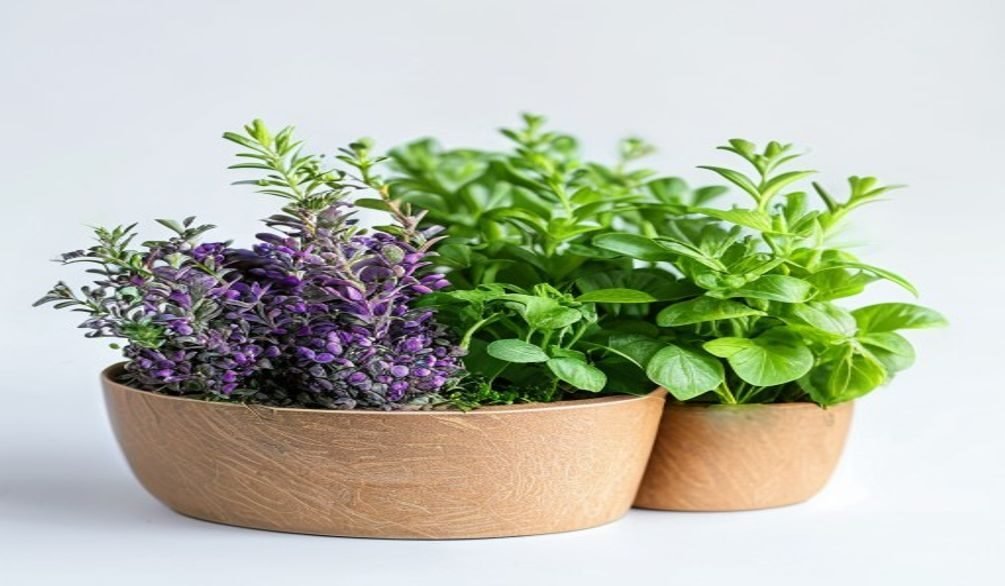
The first step is to identify your primary goal for the garden. Do you want to relax, attract wildlife, or explore specific herbal remedies? Popular herb garden themes often revolve around culinary uses, but as we’ll explore, the real fun begins when you venture into medicinal, aromatic, or ecological themes. Once you have a theme, research herbs that naturally fit, considering their growth habits, light, and water requirements. For example, Mediterranean herbs like rosemary, oregano, and thyme thrive in similar dry, sunny conditions, making them excellent “bed partners” in a themed planting.
Laying Out Your Design
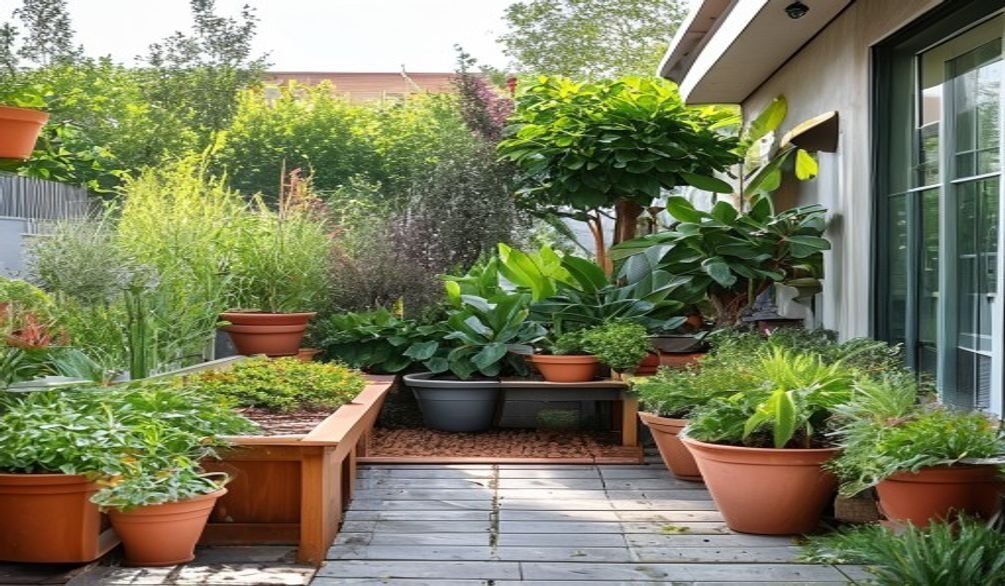
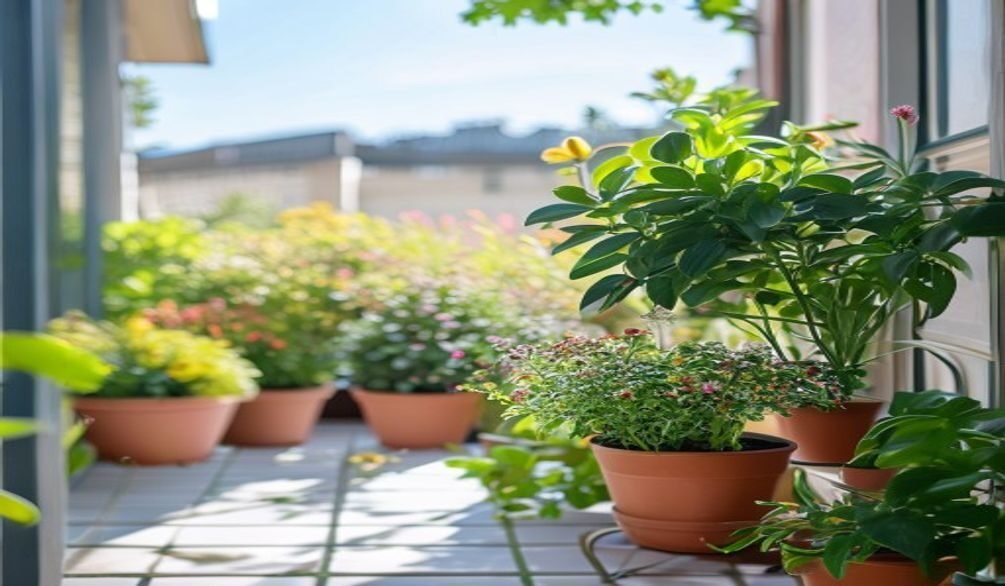
Consider your available space and how you want to interact with your garden. Jekka McVicar, a renowned herbalist, suggests dividing herbs into beds arranged symmetrically, reminiscent of traditional monastery gardens, as an excellent starting point for garden layout ideas. For smaller spaces, a container herb garden theme allows for flexibility and portability, ideal for urban balconies. You might also explore an herb spiral design, which efficiently creates microclimates for diverse plant needs, housing drought-tolerant Mediterranean herbs at the top and moisture-loving varieties like basil and mint at the bottom.
Site Selection & Soil Preparation
Herbs generally love sunlight, with most requiring at least six hours of direct sun daily to flourish. The University of Illinois Extension emphasizes the importance of full sun and well-drained soil, amended with organic matter, for ideal growing conditions. If you have poor drainage, consider raised beds, which also offer accessibility benefits. According to the West Virginia University Extension, understanding soil pH, fertilization, and watering needs specific to your chosen herbs is crucial for their long-term health.
Beyond Culinary: Unique Themed Herb Garden Ideas to Inspire You
Moving past the traditional kitchen garden opens up a world of creative possibilities for themed herb garden design ideas. While a “Cocktail Garden” with mojito mint and amethyst basil certainly adds flair to your drinks, the true innovation lies in themes that nurture well-being, support local ecosystems, and engage all your senses. These unique themes transform your garden into a dynamic, multi-functional space. What most people miss is how deeply these non-culinary themes can connect us to nature and ourselves.
Cultivating Wellness: Therapeutic & Aromatic Herb Garden Themes
Designing for wellness taps into the profound health benefits that gardening and specific herbs offer. Research from the National Center for Biotechnology Information (NCBI) highlights how home and community gardens improve health and foster healing. A 2018 study even found that time spent gardening reduces stress, anger, fear, and sadness, making a medicinal herb garden design or aromatic herb garden a powerful tool for personal well-being.
Designing a Medicinal Herb Garden
A medicinal herb garden focuses on plants known for their health-supporting properties. Imagine a dedicated space featuring echinacea for immune support, peppermint for digestion, chamomile for calming, and lavender for relaxation. When planning, consider the specific ailments or wellness goals you want to address. For instance, a “Sleep & Stress Relief Garden” could feature lemon balm, passionflower, and valerian. Always research the proper use and potential interactions of medicinal herbs, and consult healthcare professionals as needed.
Creating an Aromatic Herb Garden
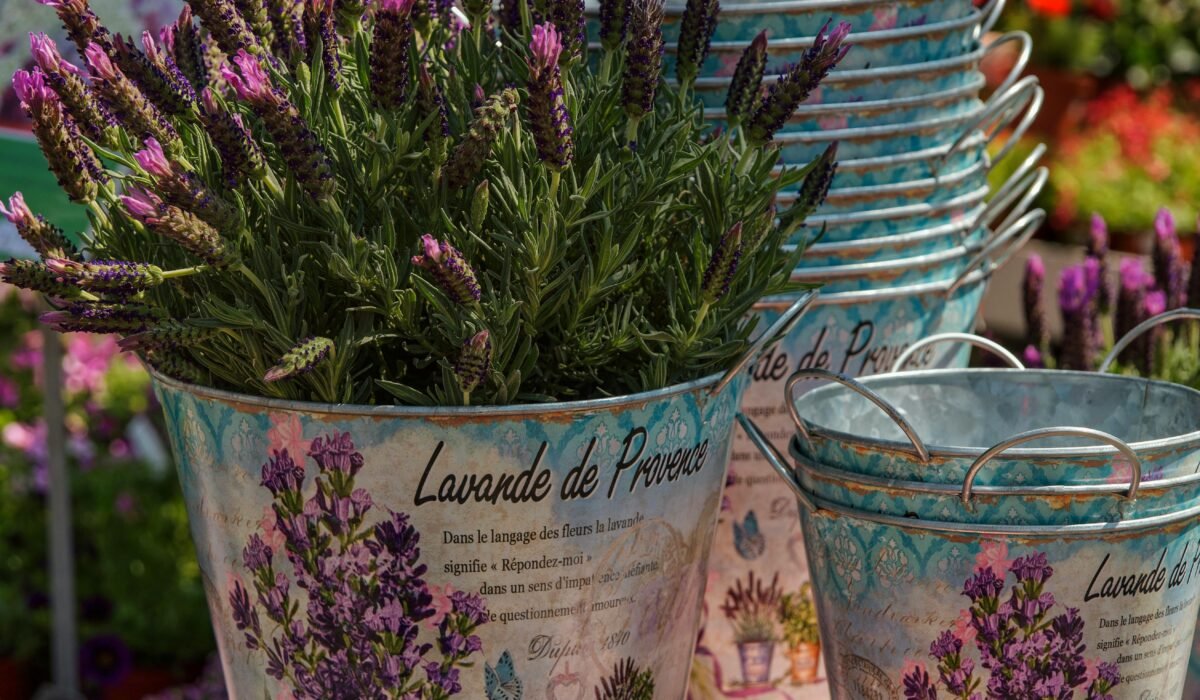
An aromatic herb garden is a symphony of scents, designed to uplift, calm, or invigorate through fragrance. As gardening expert Katherine Rowe notes, freshly cut herb stems “offer a boost of aromatherapy fresh from the garden.” Think about planting fragrant varieties like various mints, scented geraniums, rosemary, and lavender where you can easily brush past them. Place aromatic herbs near pathways or seating areas to maximize their sensory impact. The goal here is to create an immersive experience, allowing the natural perfumes of the plants to envelop you.
Eco-Friendly Design: Creating Pollinator & Biodiversity Herb Gardens
An eco-friendly herb garden extends its benefits beyond your personal space, contributing to the health of the local ecosystem. By focusing on a pollinator herb garden, you provide vital food and habitat for bees, butterflies, and other beneficial insects. This is not just about aesthetics; it’s about supporting biodiversity, which is crucial for our environment.
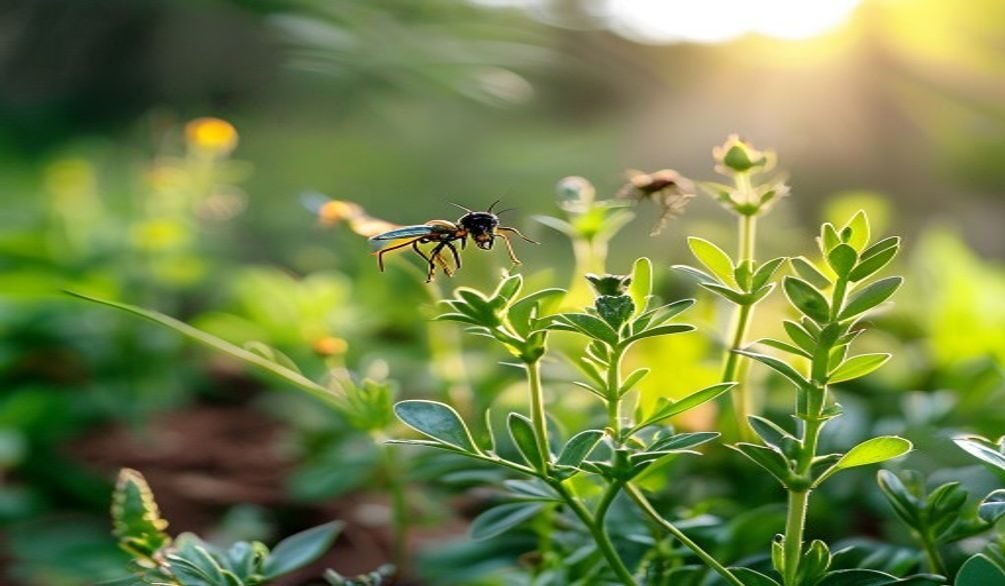
When selecting pollinator garden plants, prioritize native herbs or those known to attract specific pollinators. Allium, rosemary, lavender, yarrow, catmint, and bee balm are excellent choices. Consider incorporating milkweed for monarch butterflies. Additionally, integrating companion planting herbs can enhance plant health naturally, deterring pests and attracting beneficial insects. For example, planting dill and parsley can attract predatory wasps that keep aphids in check. This strategic pairing creates a mini-ecosystem where plants support each other, reducing the need for chemical interventions. If you’re gardening in a small space, exploring balcony companion planting can yield similar benefits.
Engaging Your Senses: Designing Sensory Herb Gardens
A sensory garden design invites interaction beyond just sight and smell, appealing to touch, sound, and even taste (with edible herbs). This approach creates a truly immersive and therapeutic environment, particularly beneficial for children or individuals seeking a calming experience. A well-designed sensory herb garden is a playground for your senses, offering rich textures, diverse colors, and gentle sounds.
For touch, include herbs with fuzzy leaves like lamb’s ear or velvety sage. Visually, incorporate herbs with unique leaf shapes, variegated foliage, or vibrant flowers, moving beyond just green. Consider herbs that rustle gently in the breeze, or plant them near ornamental grasses for a subtle auditory element. Of course, many herbs offer delightful tastes, from sweet stevia to tangy sorrel, providing safe and intriguing culinary exploration. Crafting a sensory herb garden plan means intentionally placing these elements to encourage exploration and engagement.
Year-Round Themed Herb Garden Care & Maintenance
Maintaining your themed herb garden doesn’t stop when the growing season ends; rather, it’s a continuous cycle that ensures beauty and productivity throughout the year. Planning for year-round herb garden themes involves understanding the needs of your plants in different seasons. This is where your expertise as a gardener really shines, as you anticipate and respond to nature’s rhythms.
For perennial herbs, consider overwintering tender varieties indoors if you live in a colder climate. Many herbs, like rosemary and bay laurel, can thrive in pots and be brought inside before the first frost. For annuals, focus on seed saving from your favorite themed herbs to ensure a fresh start next year. Designing for winter interest might involve choosing herbs with interesting seed heads or evergreen foliage, providing structure and beauty even when dormant. Regular harvesting, pruning, and consistent watering (especially for container herb garden themes) are essential for sustained health and vigor. For more detailed guidance on specific herb requirements, the West Virginia University Extension offers excellent resources.
Expert Tips for Your Themed Herb Garden Project
Bringing your themed herb garden to life requires not just vision, but also practical know-how and the right tools. Here are some expert insights to ensure your project flourishes:
- Invest in Quality Tools: As Joe Lamp’l of joegardener® emphasizes, having durable, high-quality tools for tasks like pruning, digging, and weeding makes gardening more efficient and enjoyable. A good set of essential garden tools is a foundation for success.
- Consider Accessibility & Ergonomics: Elevated raised beds, like the “Standing Gardens” from Gardener’s Supply, are excellent for themed herb gardens, especially if you have back issues or limited mobility. These rot-resistant cedar beds with self-watering trays are perfect for a dedicated herbal tea garden.
- Maximize Small Spaces: Don’t let limited space deter you. DIY vertical herb gardens using picture frames or shadow boxes can create stunning and functional displays for your kitchen. For vertical setups, ensure you have a solid fertilization guide.
- Smart Watering Solutions: A self-watering terracotta olla can be a game-changer, providing consistent moisture to your herbs, particularly useful for drought-tolerant Mediterranean themes. For larger gardens, consider a DIY drip irrigation system.
- Harvest Thoughtfully: Regular harvesting encourages bushier growth and extends the life of your herbs. A customizable Gardener’s Harvest Basket is a practical tool for collecting your bounty. Remember, consistent harvesting is key to a productive garden.
- Embrace Organic Practices: Prioritize soil health through organic amendments and composting. Learning organic composting secrets can transform your garden waste into nutrient-rich “garden gold,” supporting robust herb growth.
Frequently Asked Questions
What are the most popular herb garden themes?
While culinary themes like “Pizza” or “Cocktail” gardens remain popular, there’s growing interest in wellness-focused themes. These include medicinal herb gardens, aromatic herb gardens for stress relief, and pollinator gardens designed to attract beneficial insects and support biodiversity. The best theme truly depends on your personal interests and desired garden function.
How do you plan a themed garden?
Planning a themed garden starts with defining its purpose, whether it’s for relaxation, culinary use, or supporting wildlife. Next, assess your site’s sunlight and soil conditions, then select herbs that align with your chosen theme and thrive in your environment. Finally, consider your layout, incorporating elements like raised beds or herb spirals for optimal growth and aesthetic appeal.
What herbs go well together in a themed garden?
Herbs that share similar light, water, and soil requirements are ideal companions in a themed garden. For example, Mediterranean herbs like rosemary, thyme, oregano, and lavender thrive together in sunny, well-drained conditions, making them perfect for a Mediterranean-themed garden. Conversely, moisture-loving herbs like mint, basil, and parsley prefer more water and should be grouped accordingly.
What is a good theme for a garden?
A good theme for a garden is one that genuinely excites you and aligns with your lifestyle and environmental conditions. Beyond culinary, consider a “Therapeutic Herb Garden” for relaxation, a “Pollinator Paradise” to support local wildlife, or a “Sensory Garden” to engage all your senses. The most successful themes are those that you are passionate about, as this enthusiasm will translate into a thriving and rewarding space.
Designing a themed herb garden is an incredible opportunity to infuse purpose and personality into your outdoor space, moving far beyond simple culinary basics. By embracing a holistic approach that cultivates wellness, ecology, and sensory experiences, you create a garden that is not only beautiful but also deeply enriching. Start envisioning your unique theme today, and take the first step towards a more intentional and vibrant garden.