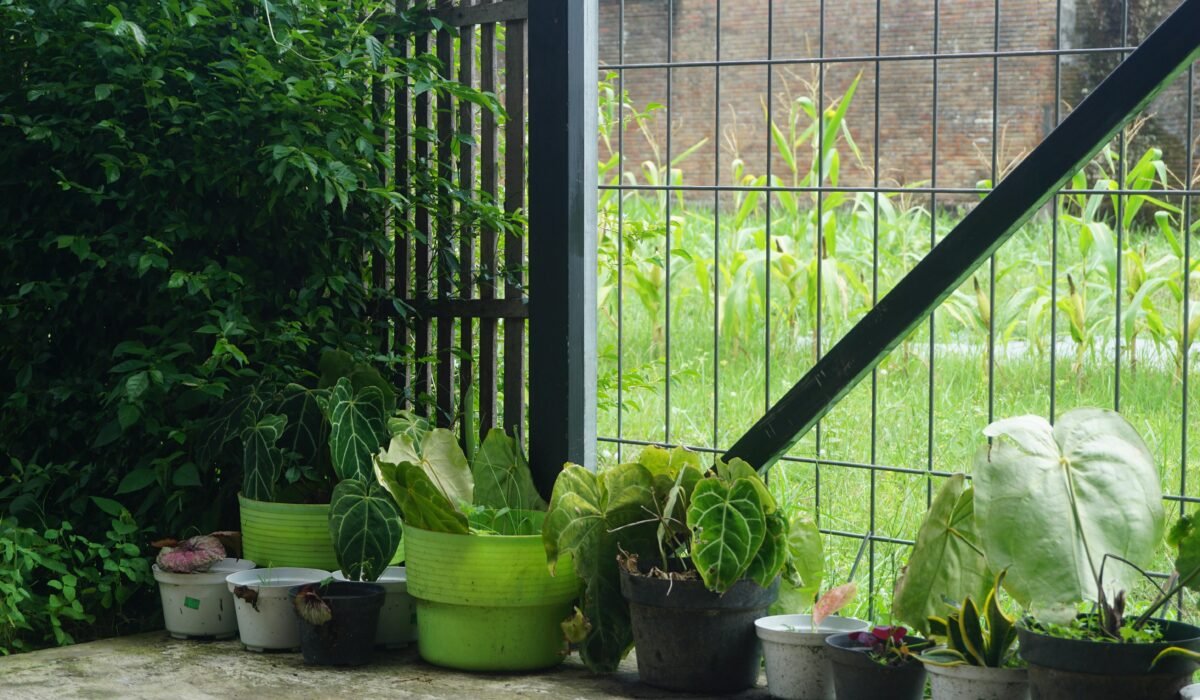
Struggling to cultivate vibrant, flavorful herbs because your garden or balcony lacks consistent direct sunlight? You’re not alone. Many gardeners face the challenge of limited sun exposure, but the good news is that growing herbs in shade is not only possible but can lead to exceptionally tender and aromatic yields. This comprehensive guide will equip you with expert knowledge and practical strategies to transform your low-light spaces into thriving herb havens, ensuring you can enjoy fresh, homegrown flavors regardless of your sun conditions.
Do Herbs Really Grow Well in Shade?
The short answer is a resounding yes, many herbs can thrive in less-than-sunny conditions, though their growth habits and flavor profiles might differ from their sun-loving counterparts. Most culinary herbs traditionally require at least 3–6 hours of direct sunlight daily for optimal growth. However, leafy herbs, unlike their woody Mediterranean relatives, are often quite adaptable to lower light levels.
What most people miss is that for certain varieties, shade isn’t just tolerated; it’s preferred. Growing herbs in shade, particularly partial shade herbs, can actually prevent premature bolting, keeping leafy herbs like parsley and cilantro tender and harvestable for weeks longer than sun-grown plants. This means more delicious leaves for your kitchen, rather than flowers going to seed too quickly.
Understanding Your Shade: Types of Low Light Explained
Before you select your herbs, it’s crucial to accurately assess the specific shade conditions in your garden or balcony. Not all shade is created equal, and understanding the nuances of low light will help you match the right plants to the right spots. This nuanced shade differentiation is key to successful dappled light gardening.
Defining Shade Levels
Here’s a breakdown of common shade types and what they mean for your herbs:
- Partial Shade: This area receives 3-6 hours of direct sunlight per day, often in the morning or late afternoon. It’s ideal for many shade tolerant herbs, as it offers a balance of light and protection from intense midday sun.
- Dappled Light: Imagine sunlight filtering through the leaves of a tree canopy. This provides consistent, indirect light throughout the day, mimicking a woodland understory. Many herbs that prefer partial shade will also flourish here.
- Light Shade: These spots receive less than 3 hours of direct sun, but still get plenty of ambient or indirect light. Think of areas shaded by a building for part of the day, or a slightly less exposed north facing garden.
- Deep/Full Shade: This is the most challenging condition, receiving virtually no direct sunlight and very little reflected light. While some plants can survive, it’s generally not ideal for most culinary herbs.
In practice, observing your space throughout the day is the best way to determine its true light profile. What looks shady at noon might get a couple of hours of crucial morning sun.
Best Herbs for Shade: Varieties That Thrive in Low Light
When it comes to growing herbs in shade, selecting the right varieties is paramount. These shade tolerant culinary herbs have adapted to thrive with less sunlight, often rewarding you with more tender leaves and a prolonged harvest.
- Mint (Mentha spp.): This is perhaps the quintessential herb for low light. Nicole Burke of Gardenary states, “Mint actually prefers partial shade to full sun.” My own observation confirms that mint plants I’ve grown in full sun often struggle, while those in shade produce larger, more tender, and aromatic leaves. Peppermint and spearmint varieties are particularly well-suited, thriving in as little as 2 hours of indirect light daily. It also makes excellent ground cover around trees.
- Chives (Allium schoenoprasum): These oniony delights can handle surprisingly deep shade, flourishing with just 2-4 hours of indirect or dappled light. Shade-grown chives tend to have a milder flavor and more tender leaves, perfect for delicate dishes.
- Parsley (Petroselinum crispum): Both flat-leaf and curly parsley varieties benefit significantly from partial shade, especially in hotter climates. The shade helps to extend their growing season by preventing premature bolting, ensuring a steady supply of fresh, verdant leaves.
- Lemon Balm (Melissa officinalis): A vigorous member of the mint family, lemon balm is a hardy perennial that tolerates partial shade beautifully. It produces fragrant, lemon-scented foliage that’s wonderful for teas and adding a citrusy note to dishes. This is a fantastic fragrant shade herb.
- Cilantro (Coriandrum sativum): Known for bolting quickly in heat and full sun, cilantro truly benefits from shade, particularly in warmer regions. Planting it where it receives morning sun and afternoon shade will keep its delicate leaves tender and delay flowering, extending your harvest.
- Golden Oregano (Origanum vulgare ‘Aureum’): While most oregano varieties prefer full sun, this specific cultivar is an exception. Golden oregano appreciates dappled shade, as direct, intense sun can actually scorch its distinctive yellow leaves. It’s a beautiful and tasty addition to any shade herb garden.
Herbs for North Facing Garden & Container Growing
For those with a north facing garden or limited space, many of these herbs are excellent candidates for container herb garden setups. Think about how to grow herbs in containers shade, opting for varieties like mint, chives, and parsley which adapt well to pots. This also provides flexibility to move them if light conditions shift. For low light indoor herbs, consider mint and chives near a north-facing window.
Beyond the List: Cultivating Your Shade Herb Garden
Once you’ve chosen your shade tolerant herbs, the next step is to create an environment where they can truly flourish. Even with the right varieties, success in low-light conditions requires thoughtful planning and consistent care.
Strategic Placement and Container Choices
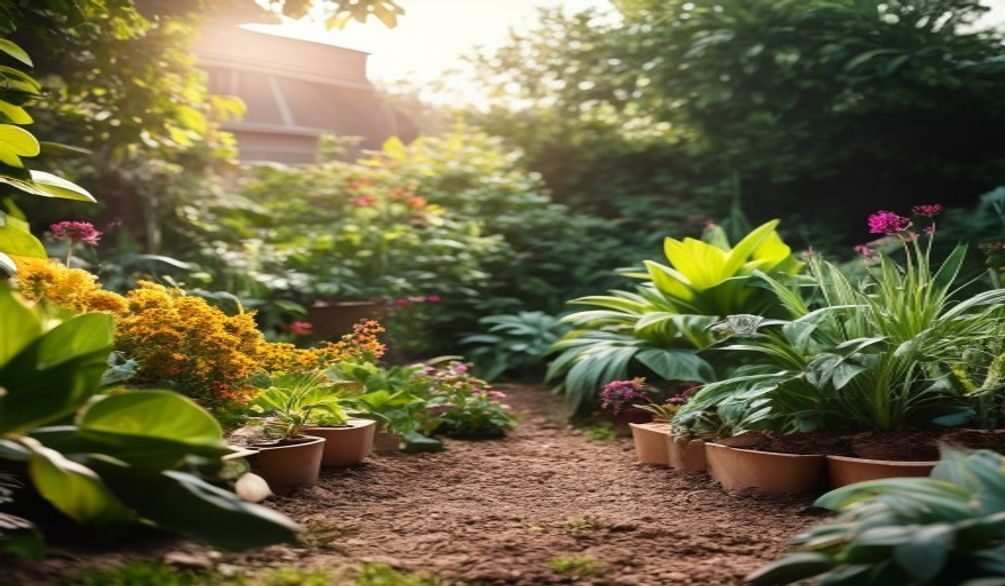
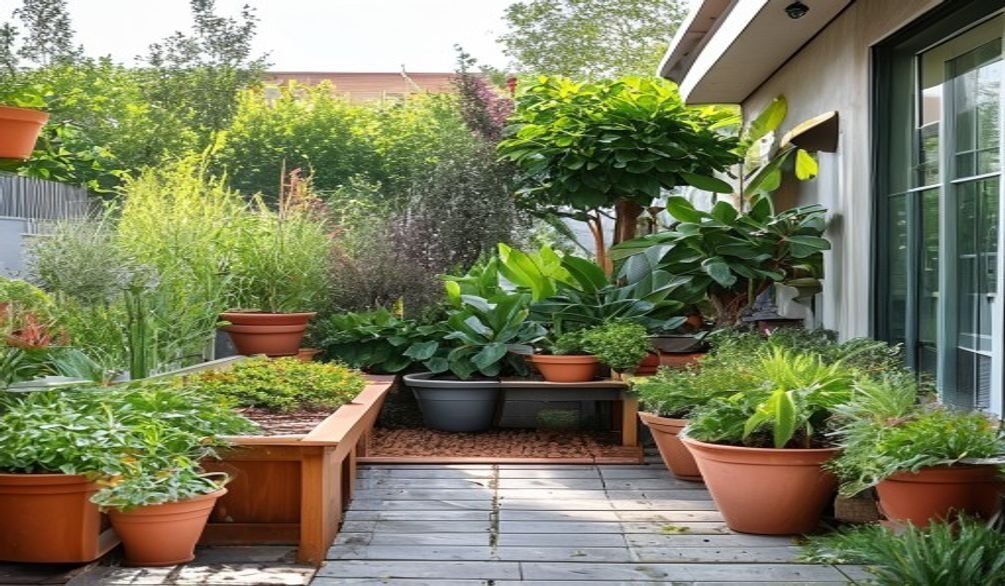
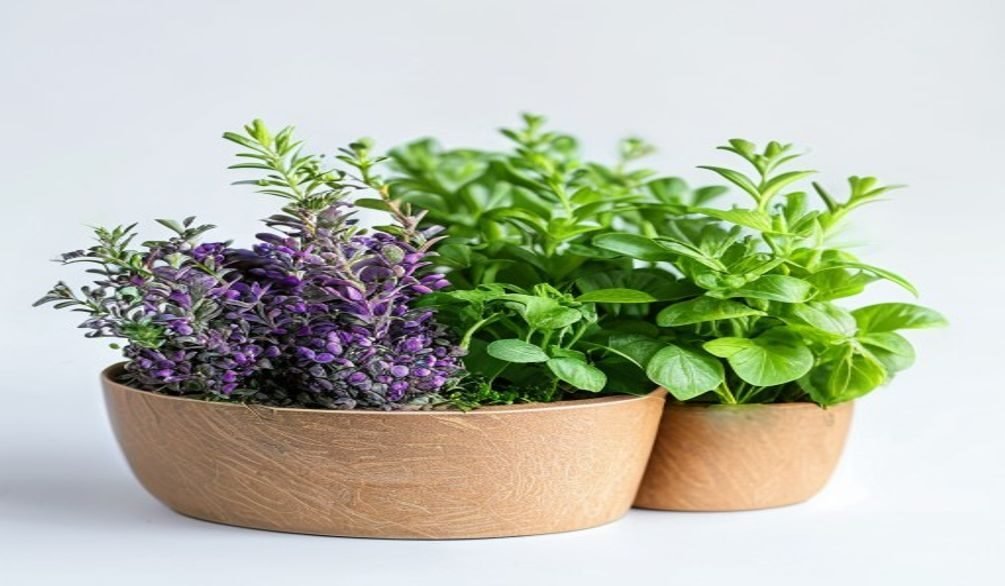
For `herb garden ideas shade`, consider areas near fences, under deciduous trees, or on north-facing patios. If you’re using containers, which are an excellent solution for how to grow herbs in containers shade, choose the right type. Ceramic pots, wooden planter boxes, and raised planters are all great choices, offering good insulation and drainage. Most herbs require 6 to 12 inches of root space, so select pots accordingly. For an urban oasis, a shady herb garden container can include a mix of spearmint, parsley, and chives, creating both visual interest and easy access to fresh flavors near your kitchen door or on a small balcony zen garden. When selecting indoor plant pot material, consider breathable options like terracotta for better moisture regulation.
Optimizing Soil & Nutrition for Shade Herbs
The foundation of any successful herb garden, especially one in the shade, is healthy soil. Shade-grown herbs have slightly different requirements than their sun-loving counterparts, making soil composition and tailored nutrition critical.
The Ideal Soil for Shade Herbs
Most shade-loving plants, herbs included, are often woodland denizens, meaning they prefer a consistently moist (but not soggy), humus-rich soil. This is a general growing tip from the Brooklyn Botanic Garden, and it’s especially true for herbs for low light. Good drainage is non-negotiable to prevent root rot, which is more common in cool, damp, shaded environments.
To achieve this, focus on incorporating plenty of organic matter. Peat moss, leaf mold, or aged compost will improve soil structure, enhance water retention without waterlogging, and provide a slow release of nutrients. For a deeper dive, explore our guide on Organic Soil Amendments. If you’re starting a new bed or container, a good quality potting mix amended with extra compost is ideal. You can learn more about creating rich soil by consulting our Composting for Beginners guide.
Tailored Nutrition for Low-Light Conditions
Herbs growing in less sunlight generally require less fertilizer than those in full sun. Why? Because slower growth rates mean they don’t metabolize nutrients as quickly. Over-fertilizing can lead to leggy, weak growth rather than robust, flavorful foliage.
Aim for a balanced, organic liquid fertilizer applied at half strength every 4-6 weeks during the growing season, or use a slow-release granular organic fertilizer sparingly. The goal is to provide gentle nourishment without forcing excessive growth. For specific recommendations, check out our guide on the Best Fertilizer for Herbs.
Pest & Disease Management for Low-Light Herbs
While shade can offer benefits like preventing bolting, the cooler, damper conditions in low-light areas can sometimes create a more hospitable environment for certain pests and diseases. Vigilance and proactive measures are key to keeping your shade-grown herbs healthy.
Common Challenges in Shady Spots
Herbs growing in shade may be more susceptible to fungal diseases like powdery mildew or downy mildew due to higher humidity and reduced air circulation. Snails and slugs also tend to thrive in moist, shady environments, where they can feast on tender leaves. Aphids and spider mites, while ubiquitous, can also become problematic on plants that are stressed from suboptimal conditions.
Organic Prevention and Treatment
Prevention is always better than cure. Ensure good air circulation by spacing your plants appropriately and pruning away any dense foliage. Consider using raised beds or containers to improve drainage and reduce slug access. For organic solutions, regularly inspect your plants for early signs of pests. A strong spray of water can dislodge aphids, while hand-picking slugs and snails in the evening is effective. For fungal issues, apply organic fungicides like neem oil or a baking soda solution. Our comprehensive guide on Organic Solutions for Plant Diseases offers more detailed strategies. If you encounter specific pests like scale, we also have resources on How to Treat Plant Scale.
Harvesting & Using Shade-Grown Herbs: Flavor & Culinary Tips
Harvesting shade-grown herbs is a rewarding experience, often yielding leaves that are notably different from their sun-drenched counterparts. Understanding these differences can enhance your culinary creations.
Flavor Profile & Texture
One of the most appealing aspects of shade-grown herbs is their generally milder flavor and more tender leaves. For instance, shade-grown mint might have a less intense menthol kick but a broader, sweeter aroma, making it exquisite for delicate desserts or refreshing beverages. Parsley and cilantro grown in shade will maintain a lush, tender texture, perfect for garnishes or finely chopped additions to salads and sauces without becoming tough or bitter. This milder flavor profile is a distinct advantage for many chefs and home cooks.
Culinary Applications
Embrace the unique characteristics of your shade-grown bounty. Their tender texture makes them ideal for fresh applications where cooking might diminish their delicate qualities.
- Salads & Garnishes: Milder parsley, cilantro, and chives are perfect for adding fresh zest to green salads, potato salads, or as a vibrant garnish for soups and main courses.
- Infused Waters & Teas: The fragrant shade herbs like lemon balm and mint excel in infused waters, iced teas, or hot herbal infusions. Their subtle notes truly shine.
- Pestos & Sauces: Use shade-grown basil or parsley in pestos for a less peppery, more nuanced flavor. Their tender leaves blend smoothly into sauces and dressings.
- Finishing Touches: Because their flavors are gentler, shade-grown herbs are fantastic as a finishing touch, sprinkled over dishes just before serving to preserve their freshness and aroma.
This adaptability allows you to explore new culinary dimensions with your homegrown herbs, making the most of your low-light yields. If you’re looking for inspiration on how to combine these herbs, consider designing a Sensory Herb Garden, even in a shaded spot.
Can Herbs Grow in Full Shade? What to Expect
The question of whether herbs can grow in full shade is common, especially for those with truly challenging garden spots. While many herbs tolerate partial shade or dappled light, true full shade presents significant limitations. Full shade implies areas receiving less than two hours of direct sunlight, or only indirect, reflected light throughout the day.
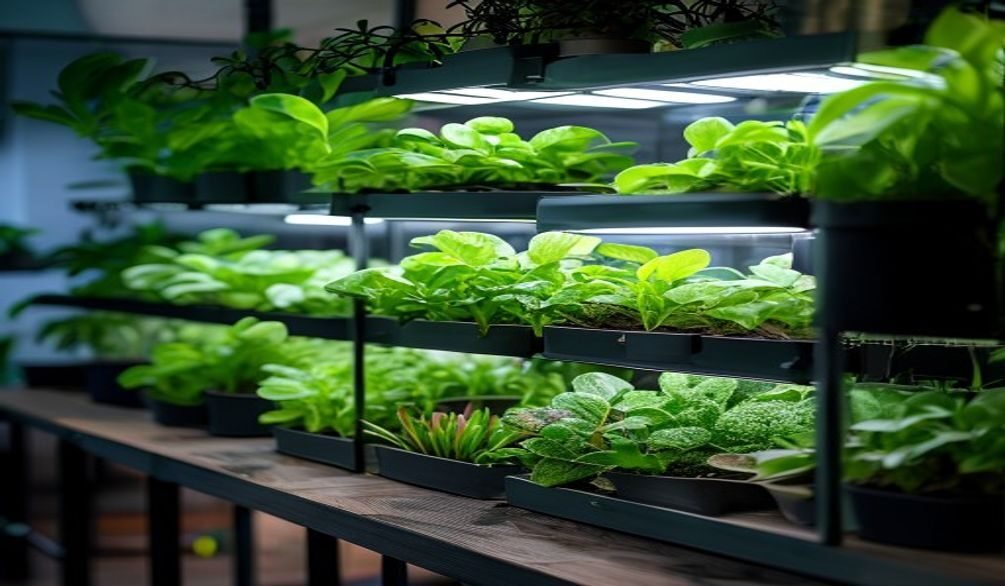
In such conditions, most culinary herbs will struggle. They may survive, but their growth will be significantly stunted, leaves will be sparse, and the essential oils responsible for their flavor and aroma will be greatly diminished. You might get some weak growth, but not the robust, flavorful harvests you desire. For areas receiving virtually no direct sun, it’s more realistic to consider plants specifically adapted to deep shade, rather than most culinary herbs. If you’re looking for options for truly `low light indoor herbs`, you might have slightly more success with careful light supplementation or by choosing the absolute most tolerant varieties like mint, but expectations should be managed.
Frequently Asked Questions
What herbs grow best in shade?
The best herbs for growing in shade are typically leafy varieties that prefer cooler temperatures and moist soil. Excellent choices include mint, chives, parsley, lemon balm, and cilantro, as they often produce more tender leaves and are less prone to bolting in lower light conditions. Golden oregano is another good option, as its leaves can scorch in full sun.
Do herbs grow well in shade?
Yes, many herbs can grow quite well in shade, particularly partial shade or dappled light. While most culinary herbs generally prefer 3-6 hours of direct sun, leafy herbs like mint and parsley are notably shade-tolerant. In fact, growing certain herbs in shade can prevent them from bolting prematurely, extending their harvest and yielding milder, more tender leaves.
Can herbs grow in full shade?
Herbs generally do not thrive in full shade, which means less than two hours of direct sunlight per day. While some may survive in very deep shade, their growth will be significantly stunted, and their flavor and aroma will be greatly reduced. For truly full shade conditions, it’s best to adjust expectations or consider plants specifically adapted to such low light.
What herbs and vegetables like shade?
Beyond the herbs mentioned, several vegetables also appreciate shade, especially in hot climates. These include leafy greens like lettuce, spinach, kale, and Swiss chard, which benefit from the cooler temperatures to prevent bolting. Root vegetables such as radishes and carrots can also tolerate partial shade, though they might grow slower and smaller.
Embracing the potential of your shaded garden areas opens up a world of possibilities for fresh, homegrown herbs. By selecting the right varieties, optimizing your soil, and understanding the nuances of low-light cultivation, you can overcome common gardening challenges and enjoy a continuous supply of tender, flavorful herbs. Don’t let a lack of sun deter you; instead, see it as an opportunity to cultivate a unique and productive shade herb garden. Start planning your shade-tolerant herb oasis today and savor the rewards of gardening smarter, not harder!