Are you wondering which plants will truly thrive on your vertical garden wall, transforming a blank space into a lush, living masterpiece? Choosing the best plants for your vertical garden wall is the crucial first step to creating a vibrant, low-maintenance display that endures. This guide will help you select species perfectly suited to your specific conditions and vertical garden system, ensuring your green wall flourishes for years to come.
What Makes a Plant Ideal for a Vertical Garden Wall?
Selecting the right living wall plants involves more than just aesthetics; it’s about understanding their specific needs in a unique vertical environment. The fundamental plant selection criteria revolve around growth habit, root systems, and water requirements.
TNAU Agritech Portal advises that “The best plants for vertical gardens are dense, compact and low growing.” This is because limited space and often shallower growing mediums in vertical garden systems necessitate plants that won’t quickly outgrow their containers or become top-heavy. Plants with less aggressive or shallow root systems are preferred to prevent overcrowding and ensure stability within the structure.
What most people miss is considering the plant’s natural resilience. Drought tolerant vertical garden plants, for instance, can significantly reduce your green wall care efforts, especially in outdoor settings. Look for varieties known for their hardiness and adaptability to varying moisture levels.
Best Plants for Vertical Garden Walls: Sun, Shade & Indoors
Your vertical garden’s orientation and location dictate the available light, which is the most critical factor in plant survival. Matching plants to these light requirements vertical garden settings is non-negotiable for success.
Plants for Full Sun Vertical Gardens
For walls receiving six or more hours of direct sunlight, choose plants that thrive in bright conditions. These often include many herbs, succulents, and flowering plants.
- Edible Vertical Garden Plants: Cherry tomatoes (‘Sungold’, ‘Black Cherry’), compact watermelons, pole beans (‘Romano Italian’), and cucumbers (‘Burpee Hybrid II’) are excellent choices for edible vertical gardens, especially when provided with sturdy support. Many herbs like rosemary, thyme, and oregano also love full sun.
- Ornamental Vertical Plants: ‘Major Wheeler’ coral honeysuckle offers vigorous growth with scarlet/orange trumpets. Certain Clematis varieties can also flourish, providing stunning blooms. Succulents like sedum and sempervivum are also fantastic for sunny spots due to their drought tolerance.
Plants for Shade & Partial Shade Vertical Gardens
Areas receiving less than six hours of direct sun, or dappled light, are perfect for a different range of species. These plants often have softer foliage and prefer more consistent moisture.
- Foliage Favorites: Holly Fern (Polystichum acrostichoides) adds lush texture. Heuchera (Coral Bells) provides vibrant leaf colors and interesting shapes. For vertical garden plants for balcony settings with shade, consider hostas in smaller varieties.
- Flowering Shade Plants: Impatiens and Begonias can bring color to shadier spots, though they require consistent watering.
Best Indoor Living Wall Plants
Creating a thriving indoor living wall requires careful plant selection due to unique lighting and irrigation. Biophilic Experts emphasize, “The vertical orientation, lighting conditions, and irrigation methods of living walls create a unique environment where some plants flourish while others struggle.”
- Popular Choices: Pothos (especially Golden Pothos), Philodendrons, Spider Plants, and Boston Ferns are classic indoor vertical garden plants for beginners. They tolerate lower light and can handle the consistent moisture of many indoor vertical garden systems.
- Humidity Lovers: If you’re looking to increase indoor plant humidity, consider grouping these plants together, as their transpiration can create a beneficial microclimate.
Easiest Low-Maintenance Plants for Your Vertical Garden
The winning angle for a vertical garden is often its longevity and ease of care. Choosing low maintenance vertical garden plants from the outset is key to enjoying your green wall without constant effort. Katherine Rowe, a gardening expert, highlights that “Growing vertically brings loads of advantages… from maximizing growing space and offering high vertical interest.” Maximizing that interest with minimal fuss is the goal.
Consider plants known for their hardiness, disease resistance, and moderate growth rate. Succulents and many herbs fit this bill perfectly. For example, a variety of Sedum or Sempervivum require minimal water and thrive on neglect, making them ideal easiest plants vertical garden options for sunny walls. Herbs like mint, chives, and even strawberries (in well-drained pockets) are also surprisingly resilient.
Another excellent choice for a vibrant, low-maintenance display is the Holly Fern, which tolerates a wide range of conditions and provides lush greenery. Look for plants that are native or well-adapted to your local climate, as these will naturally require less intervention.
Matching Plants to Your Vertical Garden System Type
The type of vertical garden system you employ significantly influences which plants will thrive. Different vertical garden systems offer varying depths, moisture retention, and support structures, making plant-system matching critical.
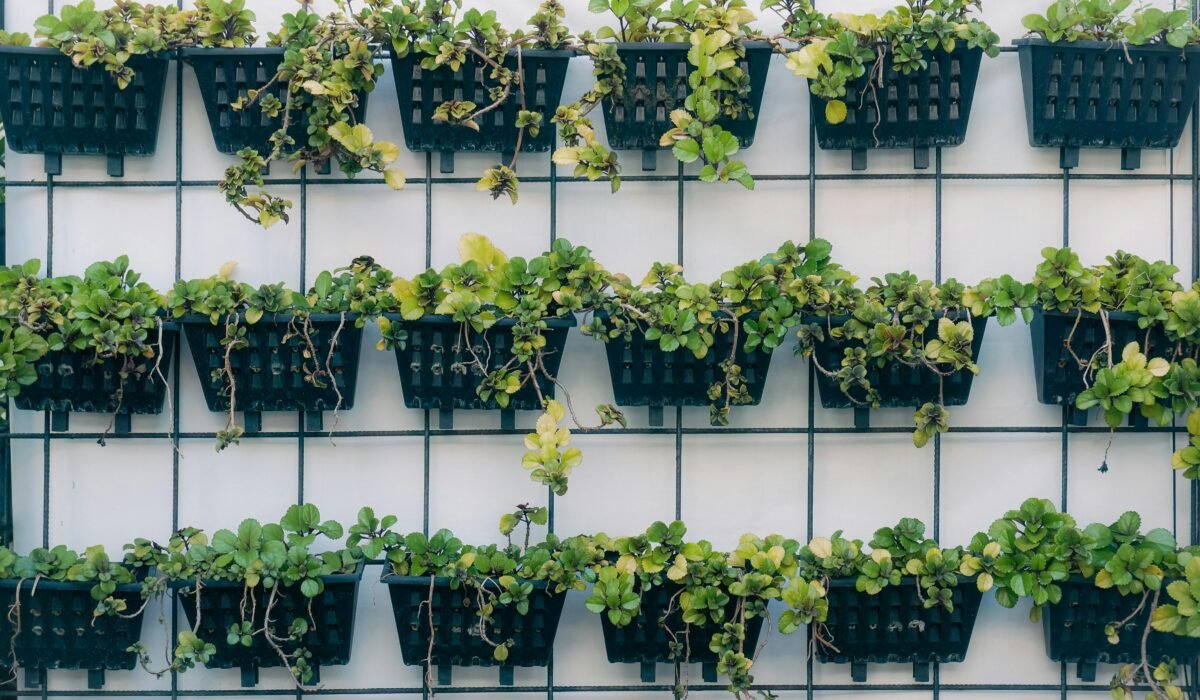
Modular Panel Systems & Pocket Planters
These systems often have individual pockets or cells with limited soil volume. They are ideal for plants with shallow root systems that don’t need extensive spreading space.
- Shallow-rooted herbs: Mint, chives, thyme, and small varieties of basil are perfect for vertical herb garden plants.
- Succulents: Sedum, Echeveria, and Hens and Chicks thrive in the well-drained, compact environment of pocket systems.
- Trailing plants: For visual appeal, Pothos, Ivy, and trailing varieties of Coleus (‘Burgundy Wedding Train’) can spill beautifully from these systems.
Wallgarden products, for instance, are designed with 4.7-5.3 liters/plant potting mix capacity, supporting robust root growth and water retention, making them suitable for a wider variety of plants than smaller pocket systems. Always ensure your chosen potting mix, like Bioganic Earth, is specifically designed for green walls to provide proper aeration and moisture.
Trellises & Support Structures
For vining plants, a trellis or other support structure is essential. These systems allow plants to climb upwards, maximizing vertical space for growth.
- Vining Vegetables: Pole beans, cucumbers, and even compact cherry tomatoes can be trained to grow vertically.
- Ornamental Vines: Star Jasmine (Trachelospermum jasminoides) and Clematis are excellent choices for fragrant, flowering displays.
Hydroponic Vertical Towers
These advanced systems deliver nutrients directly to plant roots in a water solution, often without soil. They are excellent for maximizing yield in a small footprint.
- Leafy Greens: Lettuce, spinach, and kale are prime candidates for hydroponic vertical gardens.
- Strawberries: Many berry varieties flourish in nutrient-rich water systems.
Systems like stacking vertical towers, which can hold 50-60 plants, often include features like worm composters, enhancing nutrient cycling. For these setups, understanding optimizing hydroponic root health is crucial for long-term success.
Plants to Avoid in Vertical Garden Walls
Just as important as knowing what to plant is understanding what to avoid. Certain plant characteristics make them unsuitable for the confined and often unique conditions of vertical garden systems. Avoiding these can save you significant maintenance headaches and prevent system damage.
You should generally steer clear of plants with aggressive, deep, or wide-spreading root systems. These can quickly outgrow their containers, compromise the structural integrity of your vertical garden, and compete excessively for nutrients. Trees and large shrubs, for example, are almost universally unsuitable due to their mature size and root requirements.
Similarly, plants requiring extensive pruning or those highly susceptible to common pests and diseases should be avoided, especially in closely planted vertical gardens where issues can spread rapidly. Plants with very high water demands might also be problematic unless you have a robust automatic irrigation system, as constant watering can lead to nutrient leaching and system strain.
Advanced Tips: Microclimates, Pests & Long-Term Health
Beyond basic sun and shade, understanding the nuanced microclimate of your wall is key to designing for longevity. Your vertical garden isn’t just a single environment; it’s a dynamic system.
Understanding Vertical Garden Microclimates
A wall can create its own “microclimate vertical garden” due to factors like heat island effect, wind tunnels, or rain shadow. For instance, the top sections of a vertical garden often dry out faster due to exposure, while the bottom might retain more moisture. Consider USDA hardiness zones for outdoor vertical gardens, but also remember that a south-facing brick wall can significantly amplify heat, requiring more drought-tolerant species at the top and more moisture-loving plants towards the base. This strategic placement ensures each plant receives its ideal conditions.
Pest & Disease Management in Vertical Environments
While vertical gardens can sometimes experience fewer soil-borne diseases, their density can make them susceptible to rapid pest spread. Water runoff, if not managed, can also spread pathogens. To mitigate this, choose disease-resistant plant varieties and practice good green wall care, including regular inspection and prompt removal of affected foliage. Integrated Pest Management (IPM) strategies, like introducing beneficial insects, can be highly effective in these contained environments.
Designing for Long-Term Health
Ignacio Solano, a developer of vertical ecosystems, has pioneered systems that utilize “automated control of nutrients and plant parameters…, adding strains of bacteria, mycorrhizal fungi and interspecific symbiosis in plant selection, creating an artificial ecosystem from inert substrates.” While you might not have a patented system, you can emulate this by focusing on soil health and plant compatibility. Group plants with similar water and nutrient needs together to simplify irrigation and feeding. Regular soil testing and amending with organic matter (or specialized green wall potting mix) will support sustained growth. The global vertical farming market is projected to grow from USD 6.92 billion in 2024 to USD 50.10 billion by 2032, reflecting the increasing sophistication and long-term viability of these systems. Wikipedia provides further insights into the development of such vertical ecosystems.
How to Keep Your Vertical Garden Plants Thriving
Once you’ve carefully selected the best plants for your vertical garden wall, proper care is paramount to their long-term health. Consistent watering, appropriate feeding, and timely maintenance will ensure your green wall remains a vibrant feature.
Irrigation is foundational. Vertical gardens, especially those exposed to sun and wind, tend to dry out faster than traditional garden beds. An automatic balcony watering system or a drip irrigation setup is often the most efficient way to ensure consistent moisture, delivering water directly to the root zone and minimizing waste. Vertical gardens use up to 90% less water than traditional farming, a testament to efficient design and irrigation. For more general guidance, explore basic garden irrigation methods.
Feeding your plants is equally important. Since nutrients can leach quickly from smaller soil volumes, regular, diluted feeding with a balanced liquid fertilizer is often necessary. Consider slow-release granular fertilizers mixed into the potting medium for sustained nutrition. Additionally, regular pruning helps maintain plant shape, encourages bushier growth, and removes any dead or diseased foliage, contributing to overall plant vigor and preventing pest issues.
Frequently Asked Questions
What are the easiest plants to grow in a vertical garden?
The easiest plants for a vertical garden are typically resilient, compact, and have moderate water needs. Succulents like Sedum and Echeveria, herbs such as mint and thyme, and foliage plants like Pothos and Spider Plants are excellent choices due to their adaptability and low maintenance requirements.
What plants are not good for vertical gardens?
Plants with aggressive or deep root systems, such as large trees or shrubs, are generally not suitable for vertical gardens because they quickly outgrow confined spaces and can damage the system. Avoid plants that require extensive pruning or are highly prone to pests and diseases, as issues can spread rapidly in dense vertical setups.
What is the best growing medium for a vertical garden?
The best growing medium for a vertical garden is typically a lightweight, well-draining, and moisture-retentive mix. Specialized green wall potting mixes, like Bioganic Earth, are often formulated with coco coir, perlite, and compost to provide aeration, retain water, and offer essential nutrients without becoming too heavy when wet.
How do you keep plants alive in a vertical garden?
To keep plants alive in a vertical garden, ensure consistent watering, ideally with a drip irrigation system, and provide regular, diluted feeding to replenish nutrients. Select plants appropriate for your specific light conditions and vertical garden system type, and perform routine maintenance like pruning and pest checks to maintain plant health and prevent overcrowding.
By carefully considering light, growth habits, and your vertical garden system, you can cultivate a thriving green wall that brings beauty and benefits to your space. Take these expert insights and plant selection criteria to design a vertical garden that’s not just beautiful, but also sustainable and easy to maintain.