Are your beloved leafy companions showing signs of distress, despite your best efforts? You might need to increase indoor plant humidity to help your tropical houseplants thrive. This comprehensive guide will reveal why humidity is crucial for these green beauties, how to spot the warning signs of dry air, and the most effective houseplant humidity solutions to keep your plants vibrant and healthy.
Why do tropical plants need high humidity?
Tropical plants originate from environments like rainforests, where humidity levels typically hover between a lush 60-90%. This high moisture content in the air is critical for their natural physiological processes, particularly transpiration.
Transpiration is how plants release water vapor through their leaves, which helps draw water up from the roots. In low humidity, plants struggle to transpire efficiently, leading to stress and dehydration. Purdue University Extension emphasizes that “maintaining proper humidity can reduce pest problems and improve overall plant health significantly,” highlighting its role beyond just water uptake.
What most people miss is that your average home often sits at a much drier 30-50% relative humidity, especially during cooler months when heating systems are active. This stark difference explains why many tropical houseplants struggle indoors without intervention to increase indoor plant humidity.
What are the signs of low humidity in plants?
Your plants are excellent communicators; you just need to know their language. Recognizing the signs of low humidity plant symptoms early can prevent irreversible damage and help you implement houseplant humidity solutions promptly.
- Brown leaf tips and crispy edges: This is arguably the most common and tell-tale sign of dry air plants. The tips and margins of leaves dry out and turn brown, often feeling crispy to the touch.
- Wilting or drooping leaves: Even if the soil is moist, your plant might wilt because it’s losing moisture too quickly through its leaves. This is a clear indicator of insufficient humidity levels for plants.
- Slow or stunted growth: Plants in dry conditions often put their energy into survival rather than growth, resulting in smaller leaves and overall sluggish development.
- Bud blast or flower drop: If your flowering tropicals, like orchids or peace lilies, drop buds before they open or their flowers quickly fade, low humidity is a likely culprit.
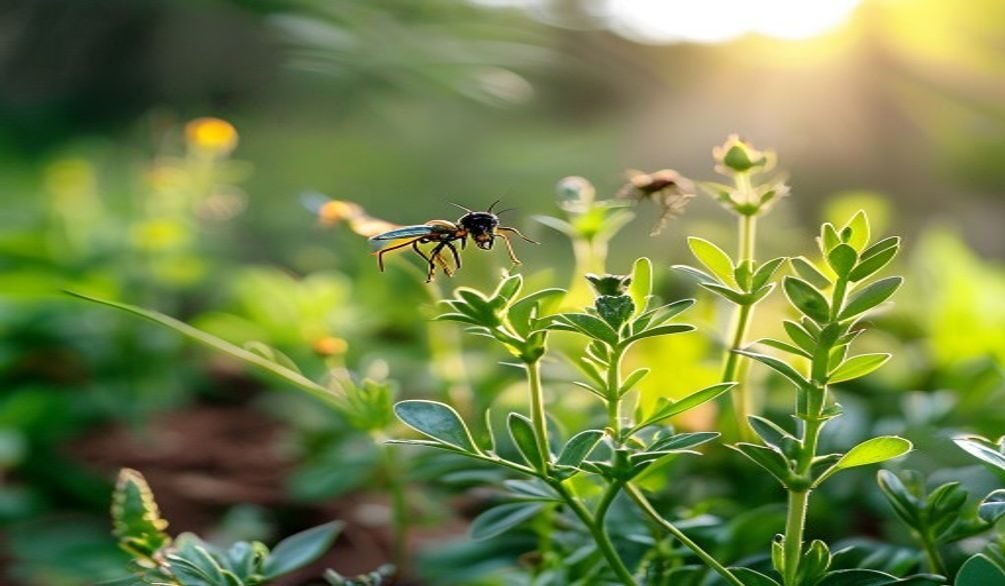
- Increased pest susceptibility: Spider mites, in particular, thrive in dry, dusty conditions. Plants weakened by low humidity are more vulnerable to infestations, impacting overall plant health humidity.
In practice, observing these symptoms means your plant is already under stress. The sooner you identify these low humidity plant symptoms, the faster you can act to restore optimal plant humidity.
Is misting plants effective for humidity? (The Truth Revealed)
Many plant enthusiasts swear by misting their plants, but here’s the truth: misting plants is largely ineffective for significantly increasing indoor plant humidity over time. While it provides a momentary burst of moisture, the effect is fleeting, often lasting only minutes as the water evaporates.
What most people miss is that misting can sometimes do more harm than good. Constantly wet foliage, especially if there isn’t good air circulation, can create an ideal breeding ground for fungal diseases and bacterial spots. For many tropical varieties, like Calatheas or Monsteras, a quick mist isn’t enough to meet their deep-seated tropical plant humidity needs.
Instead of relying on this temporary fix, focus on sustainable houseplant humidity solutions that provide consistent moisture to the air around your plants. We’ll explore these far more effective methods next.
What is the best way to increase humidity for indoor plants?
When you need to increase indoor plant humidity effectively, consistent and reliable methods are key. Forget the misting can and embrace these proven strategies:
Group Your Plants Together
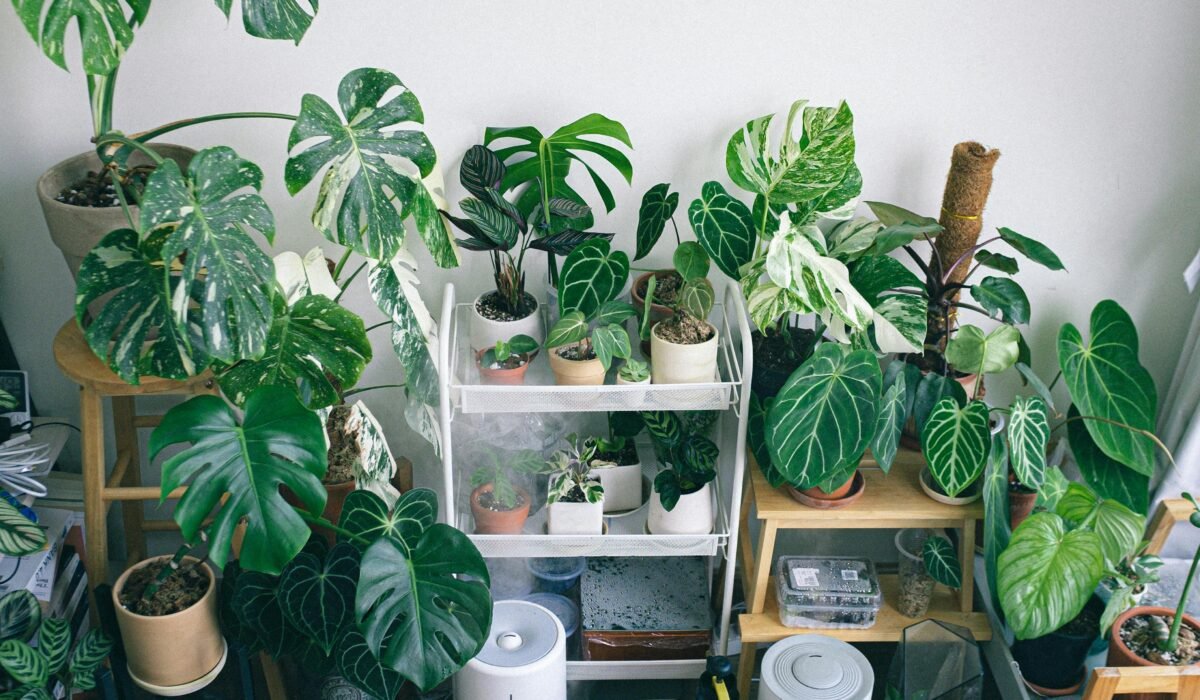
Plants naturally release moisture into the air through transpiration. By grouping several tropical houseplants closely, you create a mini-microclimate where the collective humidity around them is higher. This simple strategy leverages the plants’ own biology to benefit each other.
When creating these green clusters, consider light requirements and air circulation. You want them close enough to share humidity, but not so cramped that air can’t flow, which could lead to pest or disease issues. For creative ways to arrange your plant collection, explore ideas for styling indoor plants.
Use Pebble Trays for Plants
Pebble trays are a classic and effective method for boosting local humidity. Fill a shallow tray with pebbles and add water until it reaches just below the top of the pebbles. Place your potted plants on top of the pebbles, ensuring the pot’s base does not sit directly in the water.
As the water slowly evaporates from the tray, it creates a localized pocket of humidity around your plants. This is a passive yet continuous way to provide the moisture that dry air plants desperately need.
Introduce a Plant Humidifier
For a significant and consistent increase in humidity levels for plants, a plant humidifier is your best friend. Ultrasonic cool-mist humidifiers are generally ideal for plants as they disperse a fine, cool vapor without raising room temperature or encouraging fungal growth from warm mist.
Consider placing your humidifier near your plant collection, or even several humidifiers for larger spaces. This is one of the most reliable houseplant humidity solutions, especially during dry winter months, ensuring optimal plant humidity.
Consider a Terrarium or Cloche
For humidity-loving plants that are particularly sensitive, like miniature orchids or carnivorous plants, a terrarium or cloche can create a self-contained, high-humidity environment. These enclosed spaces trap moisture, mimicking a rainforest floor.
Ensure proper drainage and air circulation within these miniature ecosystems to prevent stagnation and mold growth. This method is excellent for maintaining very high humidity levels for specific plants without affecting the entire room.
What is the ideal humidity for tropical plants?
Understanding the optimal humidity for tropical plants is crucial for their long-term health. For most indoor plants, the ideal humidity level ranges from 40% to 60%. However, tropical plants, with their rainforest origins, often prefer the higher end of this spectrum, typically between 50% and 70%.
Some highly sensitive tropical varieties, such as certain types of miniature orchids or bromeliads, may even need consistent humidity levels of 60% or higher. The American Society of Heating, Refrigerating, and Air-Conditioning Engineers (ASHRAE) recommends that indoor relative humidity (RH) be maintained between 30% and 60% for human comfort, a range that many indoor plants also benefit from, though tropicals often prefer higher.
To accurately monitor the humidity levels for plants in your home, investing in a simple hygrometer for plants is essential. This small device takes the guesswork out of plant care, allowing you to make informed adjustments to maintain optimal plant humidity.
How to keep tropical plants humid indoors with advanced solutions?
Beyond the basic methods, experienced plant enthusiasts often turn to advanced solutions to consistently increase indoor plant humidity, especially for rare or challenging tropical houseplants.
Smart Humidifiers and Humidity Controllers
Elevate your humidity game with smart humidifiers that connect to your Wi-Fi and can be controlled via an app. Even better, integrate a separate humidity controller (hygrostat) with a standard humidifier. These devices allow you to set a target humidity level, and the humidifier will automatically turn on and off to maintain it.
This automated approach ensures consistent humidity levels for plants, freeing you from constant monitoring and providing peace of mind. It’s an excellent investment for dedicated plant parents seeking precise plant care humidity.
Active Plant Walls and Enclosures
For the ultimate tropical plant humidity environment, consider an active plant wall or a dedicated plant enclosure. A study published in the Journal of Building Engineering in 2024 found that active plant walls significantly increased mean relative humidity in indoor environments, with one room showing an increase of 20.76% in winter due to plant transpiration.
Custom-built enclosures, like modified display cabinets or mini-greenhouses, allow you to create a completely controlled microclimate with very high humidity. You can integrate grow lights, fans for air circulation, and humidifiers within these spaces, providing an ideal habitat for your most sensitive tropical houseplants.
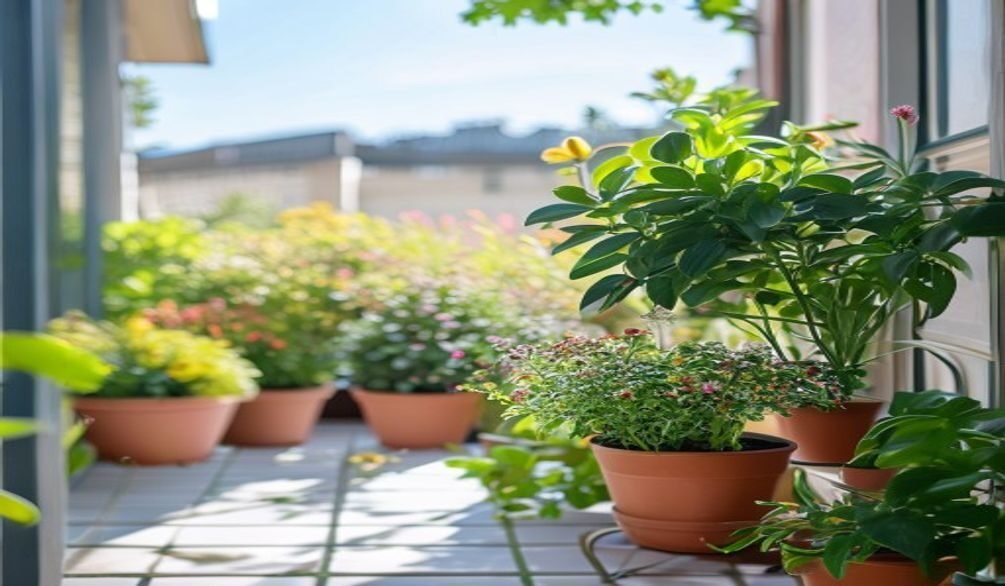
For more specific solutions tailored to enclosed spaces, you might find ideas in articles discussing balcony plant humidity solutions, which often deal with creating localized humid environments.
Seasonal humidity strategies for your indoor plants
The need to increase indoor plant humidity isn’t static; it fluctuates significantly with the seasons and even your local climate. Adapting your approach ensures your tropical plants thrive year-round.
Winter: The Dry Season Challenge
Winter is arguably the toughest season for tropical plants indoors. Heating systems strip moisture from the air, often dropping indoor humidity levels to a parched 20-30%. This is when you’ll most likely see brown leaf tips and other signs of dry air plants.
- Maximize Humidifier Use: Run your plant humidifiers consistently, perhaps even 24/7, especially near your most sensitive tropical houseplants.
- Increase Grouping: Bring plants closer together to enhance their collective transpiration effect.
- Relocate Plants: Move plants away from direct heat sources like vents, radiators, or fireplaces, which are major culprits for dry air.
- Consider a Plant Room: If possible, dedicate a small room or area to your tropicals, using a larger humidifier to maintain winter plant care humidity.
This period demands the most diligent attention to plant care humidity. It’s about proactive prevention rather than reactive treatment.
Spring and Summer: Natural Humidity Boost
During warmer months, indoor humidity often naturally rises, especially in regions with humid summers. You might find you need to reduce the output of your humidifiers or even turn them off. Keep an eye on your hygrometer for plants; if humidity levels consistently stay above 60%, you may need to ensure good air circulation to prevent fungal issues.
David Domoney, Chartered Horticulturalist and plant expert, notes that “Houseplants are a wonderful way to naturally clear our homes of excess moisture and toxins, whilst also providing a relaxing and beautiful sight to enjoy.” While he speaks of plants reducing moisture, his expertise underscores the dynamic relationship between plants and indoor air quality.
In highly humid climates, even in summer, ensure adequate ventilation to prevent mold or mildew on foliage. This balance is key for overall plant health humidity.
Adapting to Regional Climates
Your geographic location plays a significant role. If you live in a desert climate, you’ll need to be far more aggressive with houseplant humidity solutions year-round than someone living in a naturally humid coastal region. Always monitor your indoor environment with a hygrometer and adjust your strategies accordingly.
Frequently Asked Questions
What is the best way to increase humidity for indoor plants?
The most effective ways to increase indoor plant humidity involve using a plant humidifier, grouping plants together to create microclimates, and employing pebble trays for passive evaporation. These methods provide consistent moisture to the air around your tropical houseplants, addressing their specific needs far better than temporary solutions like misting.
How do you keep tropical plants humid indoors?
To keep tropical plants humid indoors, focus on creating a stable environment with elevated moisture levels. This can be achieved by utilizing a hygrometer to monitor conditions, strategically placing ultrasonic cool-mist humidifiers, or creating enclosed environments like terrariums for particularly sensitive varieties. Consistent effort with these houseplant humidity solutions will ensure thriving plants.
What is the ideal humidity for tropical plants?
The ideal humidity for tropical plants typically ranges from 50% to 70%, with some highly sensitive varieties preferring 60% or higher. This range closely mimics their natural rainforest habitats, supporting optimal transpiration and preventing issues like brown leaf tips. Monitoring with a hygrometer helps maintain these crucial humidity levels for plants.
Do tropical plants need high humidity?
Yes, tropical plants absolutely need high humidity because they originate from lush, moisture-rich rainforest environments. Their physiology is adapted to absorb moisture from the air and transpire efficiently under these conditions. Without adequate humidity, these plants will show signs of stress, such as crispy leaves and stunted growth, impacting their overall plant health humidity.
Boosting the humidity for your tropical houseplants is not just a luxury; it’s a necessity for their survival and vibrancy. By understanding their needs, recognizing the signs of dry air, and implementing effective houseplant humidity solutions from humidifiers to grouping, you can transform your home into a thriving oasis for your green companions. Start by measuring your current humidity and choose a method that fits your lifestyle to see your tropical plants flourish like never before.