
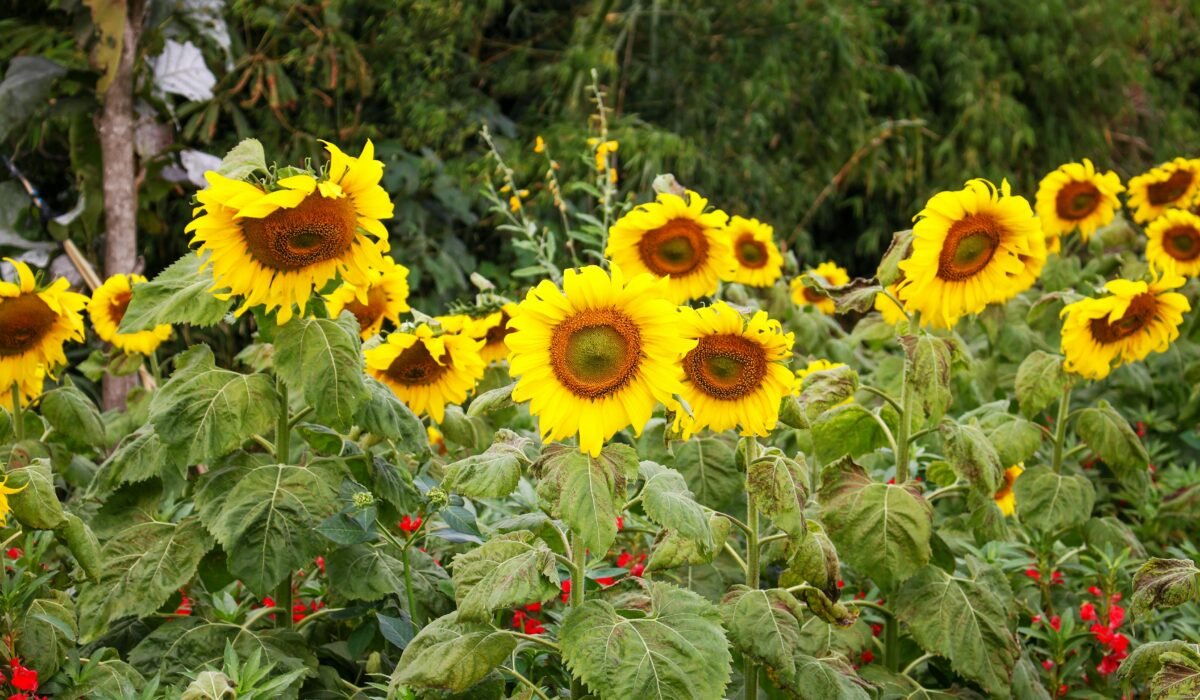
There’s nothing quite like the sight of a sunflower turning its face to the sun, a beacon of pure joy in any garden. These magnificent, easy-to-grow annuals bring a burst of bright, cheerful color and an undeniable sense of summer to your outdoor space.
Whether you’re a seasoned gardener or just starting out, growing sunflowers is a rewarding experience that offers stunning blooms, a feast for pollinators, and even a snack for yourself. This comprehensive guide will walk you through every step, ensuring your garden is soon filled with these iconic, sunny blossoms.
When & How to Plant Sunflowers for Success
Timing is everything when it comes to welcoming these sun-worshippers into your garden. Sunflowers thrive in warmth, so resist the urge to plant too early.
Optimal Planting Time
The best time to plant sunflowers is after the last spring frost has passed, typically from late spring to early summer. The soil temperature should consistently be at least 50°F (10°C) for optimal germination. Planting too early in cold, wet soil can lead to rot or poor growth.
Direct Sowing for Best Results
Sunflowers develop a strong taproot, which prefers to grow undisturbed, making direct sowing the preferred method over starting seeds indoors. Plant seeds 1 to 2 inches deep, covering them gently with soil.
For a continuous display of blooms throughout the summer and into early fall, consider succession planting. Sow new batches of seeds every 2-3 weeks, or plant varieties with different maturity dates simultaneously. This staggered approach ensures a parade of fresh, vibrant flowers.
Spacing Your Seeds
Proper spacing is crucial for healthy sunflower growth and depends on the variety you choose:
- For single-stem or cut-flower varieties: Plant seeds 4-9 inches apart. Tighter spacing can result in smaller, more manageable blooms perfect for bouquets.
- For smaller or branching varieties: Give them 6-12 inches between plants.
- For giant or seed-producing types: Allow a generous 2-3 feet between plants to accommodate their impressive size and spread.
Once your seedlings emerge and are a few inches tall, thin them to the recommended spacing for your chosen variety. For more detailed guidance on seed packets, check out our Seed Packet Guide: Beginner’s Steps to Successful Planting.
Ideal Conditions: Sun, Soil, & Water for Thriving Sunflowers
Sunflowers are relatively low-maintenance, but providing them with their preferred growing conditions will ensure a spectacular display of blooms.
Sunlight: The Ultimate Requirement
As their name suggests, sunflowers demand plenty of sunshine. They require full sun, meaning at least 6 to 8 hours of direct sunlight per day. Young sunflowers exhibit heliotropism, famously tracking the sun’s movement across the sky, a fascinating display of nature’s design. Mature blooms, however, typically settle on an eastward-facing direction.
Choosing a sunny spot is non-negotiable for robust growth and abundant flowering. For a deeper dive into optimizing light for your garden, explore our Gardening Sunlight: Essential Guide for Beginner Gardeners.
Soil: The Foundation for Growth
Sunflowers are adaptable, but they truly thrive in well-draining soil with a pH between 6.0 and 7.5 (slightly acidic to somewhat alkaline). They are “heavy feeders,” meaning they benefit from nutrient-rich soil.
Before planting, amend your soil with plenty of organic matter or compost to improve fertility and drainage. Avoid heavy clay soils, which can hinder the development of their deep taproots. If you’re gardening in containers, selecting the right mix is key; our guide on Balcony Garden Soil: Top Mixes for Healthy Container Plants offers great advice.
Watering: Deep & Consistent
While sunflowers are remarkably drought-tolerant once established, thanks to their deep taproots, consistent watering is vital during their early growth stages. This helps them develop a strong, extensive root system.
The most critical watering period is during the three weeks before and after blooming. During this time, ensure your plants receive deep, regular watering. Aim to water at the base of the plant to avoid wetting the foliage, which can help prevent fungal diseases. Once established, you can reduce watering frequency, allowing the topsoil to dry out between waterings.
Top Sunflower Varieties for Every Garden Style
Beyond the classic yellow, the world of sunflowers offers an incredible array of colors, sizes, and forms. Choosing the right variety can transform your garden and meet specific gardening goals, whether you’re aiming for a dramatic statement or delicate cut flowers.
Giant & Impressive Varieties
If you dream of towering stalks and dinner-plate-sized blooms, these varieties are for you:
- ‘Mammoth Russian’: A classic choice, growing up to 12-16 feet tall with massive seed heads.
- ‘Sunzilla’: Lives up to its name, reaching 15 feet or more, a true garden spectacle.
- ‘American Giant’: Known for its robust growth, easily reaching over 13 feet (4 meters).
These giants require sturdy support and plenty of space to truly shine, making them excellent backdrops for garden beds or natural fences.
Dwarf & Container-Friendly Options
For smaller gardens, balconies, or container growing, dwarf sunflowers offer all the charm without the towering height. These are perfect for adding a touch of sunshine to limited spaces, and are a fantastic way to enjoy balcony garden design.
- ‘Teddy Bear’: A fluffy, multi-petaled dwarf variety growing 2-3 feet tall, resembling a fuzzy pom-pom.
- ‘Sunny Smile’: Compact at 15-20 inches, ideal for pots and cheerful borders.
- ‘Big Smile’: Another excellent container choice, reaching 1-2 feet with bright yellow flowers.
- ‘Sunspot’: Grows 2-3 feet with large, classic yellow blooms, perfect for a sunny patio.
These smaller varieties still require adequate sunlight and well-draining soil, but their compact nature makes them incredibly versatile. They are perfect for growing sunflowers in pots, bringing bright cheer to any corner.
Colorful & Cut Flower Favorites
For those who love to bring their garden indoors, many sunflower varieties are bred for their stunning colors and suitability as cut flowers. These often feature pollen-free blooms, which means no messy pollen stains on your tablecloths!
- ‘Velvet Queen’: Deep, rich red petals with a dark center, creating a dramatic contrast.
- ‘Lemon Queen’: Features pale yellow petals that fade to white towards the tips, offering a softer look.
- ‘Chianti’: A stunning wine-red, pollen-free variety that’s excellent for bouquets.
- ‘Strawberry Blonde’: Unique rose-pink petals with lighter tips and a dark center.
- ‘Moulin Rouge’: Velvety, deep-red blooms that add a touch of elegance.
- ‘ProCut Gold’: Part of a series specifically bred for the cut flower market, known for its uniform, golden-yellow blooms and strong stems.
- ‘Ruby Eclipse’: A bicolor beauty with deep red petals tipped in yellow.
When growing sunflowers for cutting, consider planting them a bit closer together (4-6 inches apart) to encourage smaller, more manageable flower heads. For more ideas on creating beautiful floral arrangements, see our guide on Create a Stunning Cut Flower Garden for Your Home.
Caring for Your Sunflowers: Watering, Fertilizing & Support
Once your sunflowers have sprouted, a little ongoing care will help them flourish into magnificent blooms. Consistent sunflower care tips are essential for healthy plants.
Watering Established Plants
While mature sunflowers are drought-tolerant, they still benefit from consistent moisture, especially during dry spells. Deep watering once a week, rather than frequent shallow watering, encourages roots to grow deeper, making plants more resilient. Always water at the base of the plant to keep foliage dry and prevent fungal issues.
Fertilizing Your Heavy Feeders
Sunflowers are known as “heavy feeders,” meaning they consume a lot of nutrients from the soil to support their rapid growth and large blooms. If your soil is naturally rich and amended with compost, additional fertilizer might not be necessary.
However, if your soil is poor, you can incorporate a slow-release granular fertilizer or additional compost into the soil around your plants. Be mindful of nitrogen levels; too much nitrogen can encourage leafy growth at the expense of flowers, or even cause stems to become weak and break. A balanced fertilizer, or one slightly higher in phosphorus and potassium, is generally best. For more on feeding your plants, explore Balcony Garden Fertilizers: Best Nutrients for Potted Plants.
Providing Support for Tall Varieties
Many sunflower varieties, especially the giants, can grow incredibly tall and heavy, making them susceptible to strong winds or heavy rain. Providing support can prevent them from toppling over.
Consider staking taller plants once they reach about 2-3 feet in height. Use sturdy stakes made of bamboo, metal, or wood, inserting them deep into the ground a few inches from the stem. Gently tie the stem to the stake with soft garden ties or old cloth, allowing enough slack for the stem to grow thicker.
Alternatively, planting tall varieties along a fence or wall can provide natural shelter and support. This helps ensure your impressive plants stand tall and proud throughout their blooming season.
Protecting Your Sunflowers from Pests & Diseases
While generally robust, sunflowers can occasionally fall prey to pests and diseases. Early detection and proactive measures are key to keeping your bright blooms healthy.
Common Sunflower Pests
Various critters find sunflowers as appealing as we do:
- Insects: Aphids can cluster on new growth, while caterpillars (like cutworms at the seedling stage) and weevils (red and gray seed weevils, stem weevils) can cause damage to leaves, stems, and developing seeds.
- Animals: Squirrels and birds are particularly fond of sunflower seeds, often becoming a nuisance as the seed heads mature. Deer can also browse on young plants.
Prevention and Control Strategies
Implementing a combination of strategies can help protect your sunflowers:
- Monitoring: Regularly inspect your plants for signs of pests or disease.
- Physical Barriers: For seedlings, plastic bottles with the bottom cut off can protect against cutworms. Netting or mesh bags secured over maturing seed heads will deter birds and squirrels. Fencing can prevent larger animals like deer.
- Organic Treatments: For aphids, a strong spray of water or an application of neem oil can be effective. Introduce beneficial insects like ladybugs, which prey on aphids.
- Homemade Deterrents: Sprinkling cayenne pepper around the base of plants can deter squirrels.
- Good Garden Hygiene: Remove plant debris where pests might overwinter.
For more organic pest control solutions, especially for container plants, you might find our guide on Organic Balcony Pest Control: Solutions for Container Plants helpful.
Common Sunflower Diseases
Sunflowers can be susceptible to several fungal diseases:
- Phoma Black Stem: One of the most common diseases in the U.S., causing dark lesions on stems.
- Rust & Powdery Mildew: Fungal diseases that appear as spots or powdery growth on leaves, often exacerbated by high humidity and poor air circulation.
- Downy Mildew: Causes stunted growth and yellowing leaves.
- Botrytis Blight & Verticillium Wilt: Can cause wilting and rot.
- White Mold (Sclerotinia diseases): A serious fungal disease that can affect stems and heads.
Disease Prevention
Prevention is the best approach for managing diseases:
- Proper Spacing: Ensure adequate air circulation between plants by following recommended spacing guidelines.
- Watering Practices: Water at the base of the plant in the morning to allow foliage to dry completely during the day. Avoid overhead watering.
- Well-Draining Soil: Good drainage prevents root issues.
- Disease-Resistant Varieties: Choose varieties known for their resistance to common diseases.
- Crop Rotation: Avoid planting sunflowers in the same spot year after year to break disease cycles.
For a deeper dive into managing plant health, resources like the West Virginia University Extension offer valuable insights on sunflower diseases and pests.
Harvesting & Enjoying Your Bright Blooms
The culmination of your efforts in growing sunflowers is the joyous moment of harvest, whether for stunning bouquets or delicious seeds.
Harvesting for Cut Flowers
If you’re growing sunflowers specifically for cutting, timing is crucial for maximizing their vase life:
- When to Cut: Harvest early in the morning, just as the petals are beginning to unfurl and before they are fully open. The head should still be slightly firm.
- How to Cut: Use sharp pruning shears or a knife to cut the stem at your desired length, typically with at least 12-18 inches of stem. Immediately plunge the cut stems into a bucket of water.
- Vase Life: With proper care, many cut-flower varieties like the ‘ProCut’ series can last up to 10 days in a vase. Remember that pollen-free varieties are ideal for indoor arrangements to avoid mess.
Harvesting for Seeds
Collecting sunflower seeds is a rewarding experience, offering both a tasty snack and seeds for next year’s crop:
- Signs of Readiness: The back of the flower head will turn from green to yellow and then to a brownish hue. The seeds will appear plump, and the small florets in the center will dry and fall away. This usually occurs 70-95 days after planting, depending on the variety.
- Protecting from Wildlife: Once the seeds begin to ripen, birds and squirrels will become very interested. Cover the maturing heads with mesh netting, paper bags, or cheesecloth to protect them from hungry critters.
- Cutting the Heads: Cut the heads with about 6-12 inches of stem attached.
- Drying: Hang the heads upside down in a warm, dry, well-ventilated area away from direct sunlight for several weeks. Ensure good air circulation to prevent mold.
- Seed Removal: Once thoroughly dry, rub two heads together or use your hand to easily dislodge the seeds.
- Storage: Store cleaned, completely dry seeds in an airtight container in a cool, dark place.
Leaving some seed heads on the plants for birds and other wildlife to enjoy is also a wonderful way to support your local ecosystem. For more detailed instructions on harvesting and storing seeds, the University of Minnesota Extension offers valuable resources.
Growing sunflowers is an incredibly gratifying journey, from planting a tiny seed to marveling at a towering, sun-kissed bloom. These easy-to-care-for plants offer so much more than just beauty; they provide food for pollinators, a treat for wildlife, and a constant source of cheer for your garden and home.
With these simple steps, you’re well on your way to cultivating your own patch of sunshine. So, pick your favorite variety, find a sunny spot, and prepare to be amazed by the bright, cheerful blooms that will soon grace your garden. Share your sunflower growing journey with us in the comments below!







