Ever wondered how some homes effortlessly blend lush greenery into their aesthetic, making every corner feel vibrant and alive? The secret lies in intentional styling indoor plants design ideas that go beyond simply placing a pot in a corner. Many struggle with knowing how to choose, arrange, and integrate houseplants so they enhance, rather than clutter, their living spaces. This guide will transform your approach to indoor plant decor, offering creative solutions and expert insights to help you curate stunning botanical displays that reflect your unique style and elevate your home’s atmosphere.
Why Intentional Indoor Plant Styling Matters for Your Home
Incorporating plants into your home isn’t just a fleeting houseplant trend; it’s a powerful way to enhance your well-being and elevate your interior design. Strategic indoor plant decor creates a sense of calm and connection to nature, a concept known as biophilic design. What most people miss is that plants are not just static objects; they are living decor elements that demand thoughtful placement.
The impact of plants extends far beyond aesthetics. Studies have consistently shown that interacting with indoor plants significantly reduces physiological stress markers like cortisol levels and blood pressure. A comprehensive 2020 systematic review of 42 studies found compelling evidence that exposure to indoor plants directly lessens stress, anxiety, and negative emotions, proving their value as more than just decoration. Furthermore, the British Interior Design Association states that incorporating natural elements like plants can lead to a 15% increase in creativity, making your home a more inspiring place.
This growing recognition of plants’ benefits is reflected in market trends. The global indoor plant market was valued at an impressive $20–21 billion in 2025 and is projected to grow at a Compound Annual Growth Rate (CAGR) of 4-5% through 2030. This growth is partly fueled by a younger generation’s passion: 41% of Gen Z identify as plant collectors rather than casual owners, according to the GMG 2026 Garden Trends Report. Intentional plant styling tips allow you to tap into this movement, transforming your home into a personalized sanctuary.
How to Decorate an Indoor Plant: Essential Styling Principles
To truly master indoor plant styling, you need to think like an interior designer. It’s about more than just finding a pretty pot; it’s about understanding how plants interact with their surroundings. Here’s the thing: successful plant arrangements consider foundational design principles.
Consider Scale and Proportion
The size of your plant and its container should complement the space it occupies. A towering Fiddle Leaf Fig might anchor a large living room, while a delicate string of pearls might be perfect for a narrow shelf. Don’t overwhelm a small space with a massive plant, nor let a tiny plant get lost in a grand room.
Play with Texture and Form
Plants offer an incredible variety of textures, from the glossy leaves of a Monstera to the fuzzy foliage of a African Violet. Mix and match these to create visual interest. Similarly, consider their forms: upright, trailing, bushy, or architectural. Grouping plants with contrasting textures and forms adds dynamic energy to your indoor plant decor.
Embrace Color and Contrast
While green dominates, plant foliage comes in shades from deep forest to vibrant lime, often with variegated patterns or hints of red, purple, or silver. Use these colors to complement or contrast with your existing decor. A vibrant pot can also introduce a pop of color, making the plant stand out as a focal point.
Think in Layers and Groupings
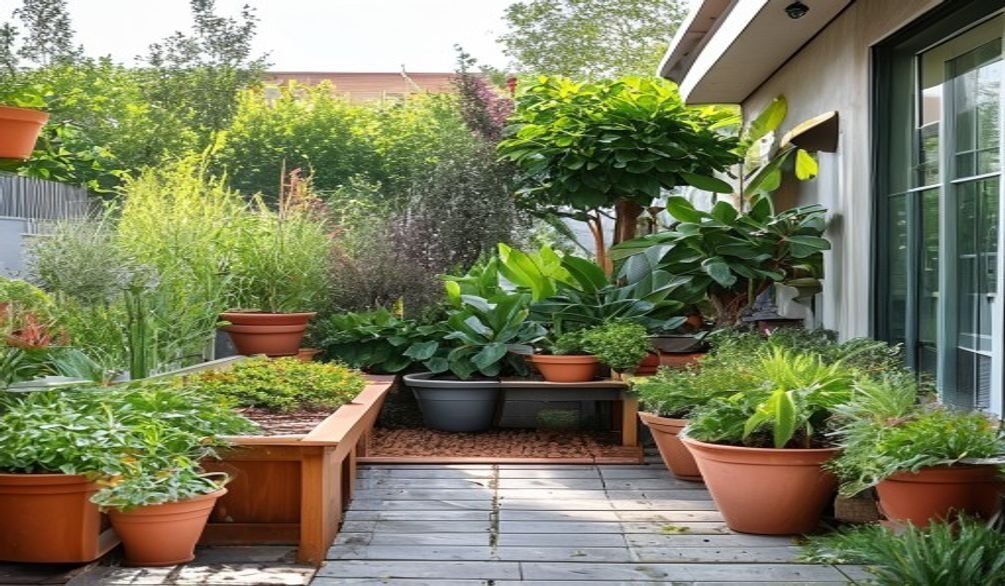
Instead of scattering single plants, create curated vignettes. Group plants of varying heights, sizes, and textures together to form a cohesive display. This creates depth and visual richness, making the collection more impactful than individual pieces. This is a fundamental aspect of effective plant styling tips.
- Vary Heights: Use plant stands, hanging planters, and floor plants to create different levels.
- Mix Textures: Combine smooth leaves with textured ones for visual interest.
- Odd Numbers: Grouping plants in odd numbers (3, 5, 7) often creates a more aesthetically pleasing arrangement.
- Consider Flow: Arrange plants so your eye moves easily from one to the next, guiding the gaze through the space.
Room-by-Room Styling Indoor Plants Design Ideas
Different rooms in your home have distinct lighting, humidity, and functional needs, requiring specific styling indoor plants design ideas. Tailoring your plant choices and arrangements to each space is key to creating a harmonious and thriving botanical aesthetic. This room specific plant styling approach ensures your plants not only survive but truly enhance the environment.
Living Room: Grand Statements & Cozy Corners
The living room often serves as the heart of the home, making it ideal for impactful plant displays. A large, statuesque plant like a Fiddle Leaf Fig (Ficus lyrata) or an imposing Bird of Paradise (Strelitzia nicolai) can become a stunning focal point. For smaller statements, consider grouping a few medium-sized plants on a coffee table or bookshelf, mixing trailing plants like Pothos (Epipremnum aureum) with upright options like a Snake Plant (Sansevieria trifasciata). Vertical gardens or tiered plant stands are excellent indoor plant decor ideas for maximizing green impact without sacrificing floor space.
Bedroom: Serenity & Sleep-Friendly Greens
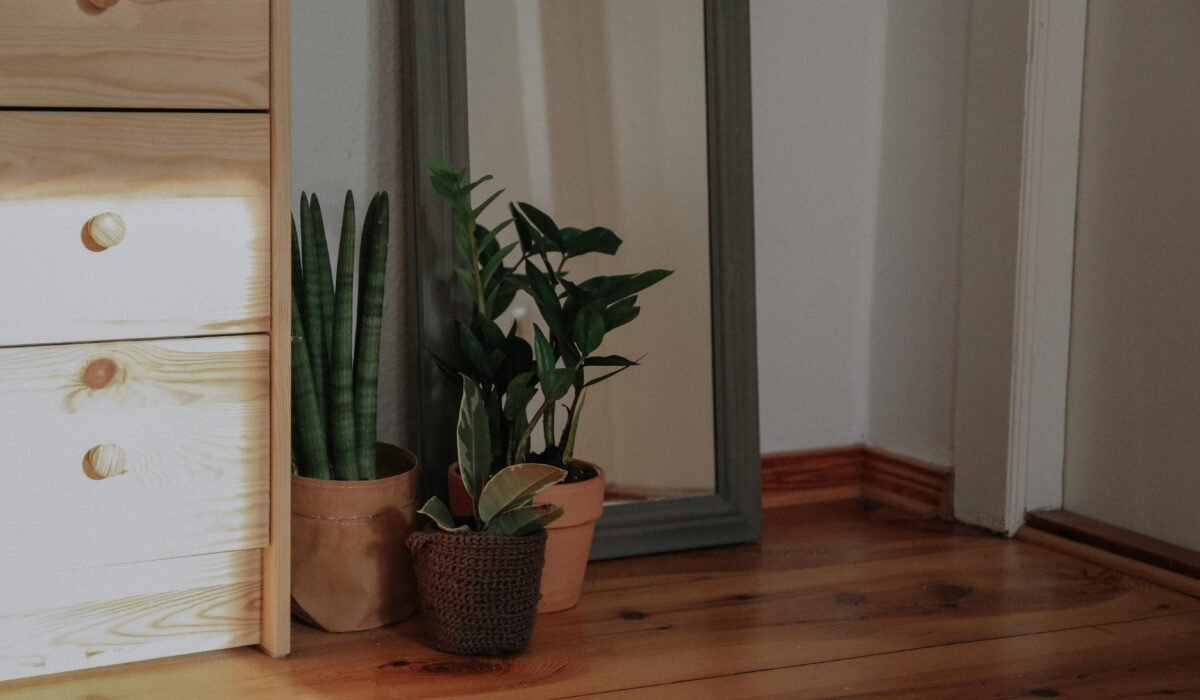
In the bedroom, the goal is tranquility. Opt for plants known for air purification and calming vibes. A Snake Plant or a ZZ Plant (Zamioculcas zamiifolia) are excellent choices for low-maintenance, air-filtering greenery. Place smaller plants on bedside tables, dressers, or floating shelves. Delicate trailing plants can cascade from a high shelf, adding a touch of romance. Avoid overly fragrant plants that might disrupt sleep.
Kitchen: Herbs, Hangings & High-Impact Greens
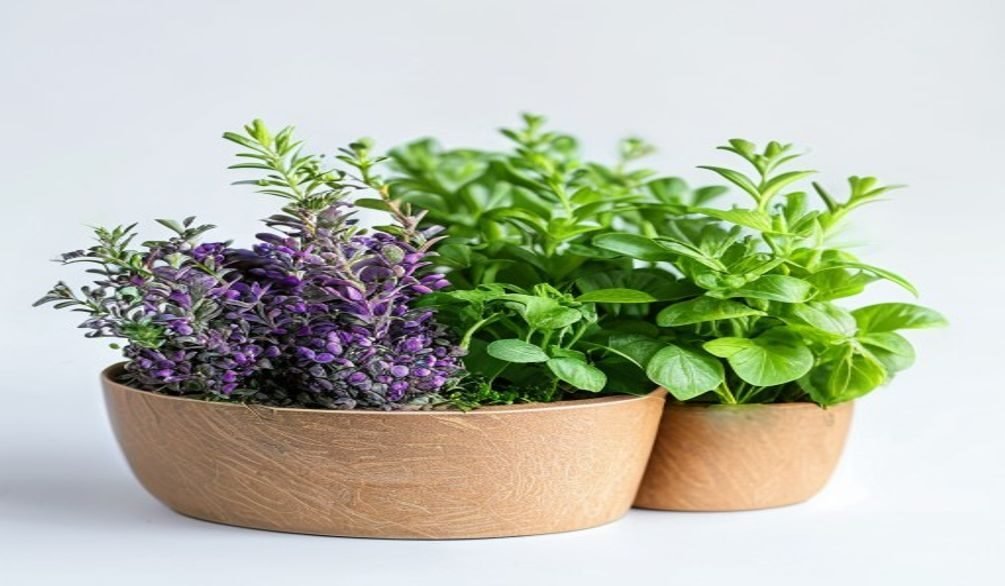
The kitchen is a fantastic place for both decorative and functional plants. A windowsill herb garden with basil, rosemary, and mint not only looks charming but also provides fresh ingredients. Consider hanging planters with plants like Pothos or Spider Plants (Chlorophytum comosum) to free up counter space while adding a splash of green. For a touch of drama, a large, leafy plant like an Alocasia can thrive near a bright window, adding a lush, tropical feel to your culinary space.
Entryway & Hallway: Welcoming Statements
Your entryway is the first impression of your home, so make it count. A tall, elegant plant like a Dracaena or a vibrant Croton (Codiaeum variegatum) can create a welcoming statement. For hallways, which often lack natural light, consider low-light tolerant plants such as a Cast Iron Plant (Aspidistra elatior) or a Peace Lily (Spathiphyllum). Use narrow consoles or wall-mounted shelves to avoid obstructing pathways. This is where clever houseplant styling tips can truly transform a transitional space.
Bathroom: Humidity Lovers & Spa-Like Vibes
Bathrooms, with their high humidity, are perfect for tropical plants that thrive in moist environments. Ferns (Maidenhair, Boston), Orchids, or a dramatic Monstera Deliciosa love the steamy atmosphere. Place plants on shelves, windowsills, or even in hanging baskets. A small succulent arrangement can add a touch of minimalist elegance to a vanity. For more insights on managing humidity for your plants, you might find our guide on Balcony Plant Humidity Solutions: Beyond Misting helpful.
Styling Indoor Plants for Every Aesthetic & Challenge
Integrating plants seamlessly into your home requires understanding both your personal aesthetic and the practical limitations of your space. Whether you’re aiming for a specific look or tackling common challenges, there are creative ways to display plants that fit every scenario.
Matching Plants to Interior Design Aesthetics
Your plants should complement your overall design scheme, not clash with it. This is where houseplant trends meet timeless design.
- Minimalist: Opt for clean lines and simple forms. Think tall, slender Snake Plants in unglazed ceramic pots, or a single, architectural Monstera in a sleek, white planter. The focus is on quality over quantity and understated elegance.
- Bohemian: Embrace an eclectic mix of textures and trailing plants. Macramé hangers, woven baskets, and terracotta pots are perfect. Layer plants with varying foliage, like a String of Hearts (Ceropegia woodii) next to a large, leafy Fiddle Leaf Fig.
- Scandinavian: Prioritize natural materials, light colors, and functional design. Choose plants with soft, organic shapes like a Ficus Elastica or a ZZ Plant in simple, light-colored ceramic or wooden planters. Keep arrangements uncluttered and airy.
- Industrial: Contrast raw materials with lush greenery. Think metal planters, concrete pots, and plants with bold, structural forms like a Sansevieria or a Cactus. A large, robust plant can soften the hard edges of industrial decor.
Overcoming Common Styling Challenges
No home is perfect, but clever styling can turn challenges into opportunities.
- Small Spaces: Maximize vertical space with vertical gardens, hanging planters, or tiered plant stands. Choose compact plant varieties like mini succulents, air plants, or small ferns. Use mirrors to amplify the visual impact of your plants.
- Low Light Areas: Don’t despair! Many plants thrive in dimmer conditions. Cast Iron Plants, ZZ Plants, Peace Lilies, and Pothos are excellent choices. Group them near the brightest available window or supplement with artificial grow lights if needed.
- High Ceilings: Utilize the height! Install high shelves for trailing plants to cascade dramatically, or use tall, slender plants on the floor to draw the eye upwards. Large, statement plants can fill the vertical void beautifully.
Budget-Friendly & DIY Indoor Plant Styling Solutions
You don’t need a huge budget to achieve stunning indoor plant decor ideas. With a little creativity, you can craft unique and stylish displays that are both economical and personal. Many of the most impactful plant styling tips come from resourcefulness.
- Repurpose Household Items: Look around your home for objects that can be transformed into planters or stands. Old teacups, vintage tins, glass jars, or even woven baskets can become charming homes for smaller plants. Just remember to add drainage holes to metal or plastic containers, or use them as cachepots (decorative outer pots).
- DIY Plant Stands & Shelves: Simple wooden crates stacked strategically can create multi-level plant displays. Floating shelves are easy to install and elevate your plants, making a statement on a blank wall. You can even create minimalist plant stands using scrap wood or PVC pipes for a modern, industrial look.
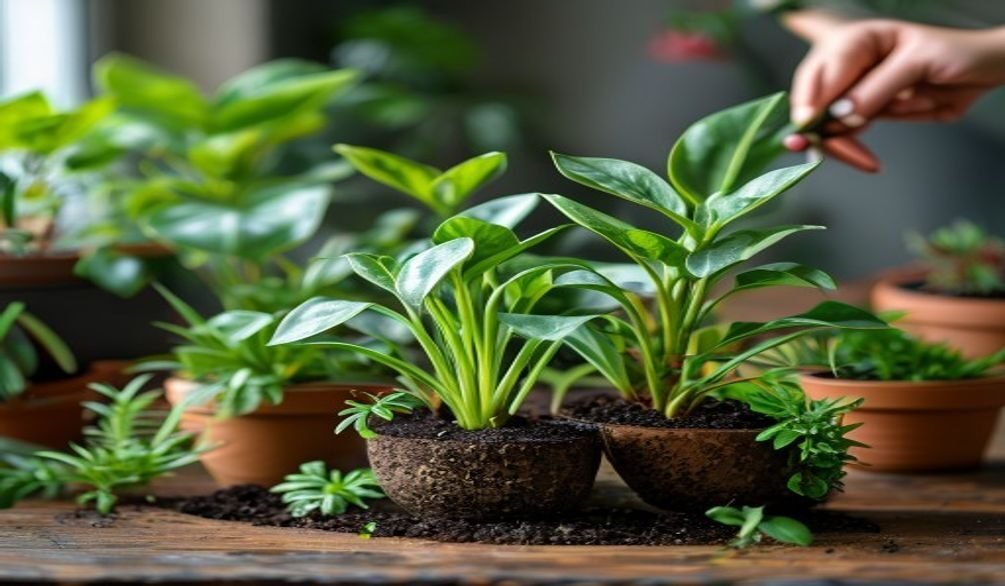
- Propagation Displays as Decor: Don’t discard those plant cuttings! Displaying plant propagations in clear glass bottles or jars filled with water creates a beautiful, ever-evolving botanical aesthetic. Arrange a collection of different cuttings on a tray or windowsill for a living art piece. This is a fantastic way to expand your plant collection for free.
- Thrift Store Finds: Hunt for unique pots, vases, or even furniture pieces that can be upcycled into plant displays. A vintage stool can become a charming plant stand, or an old ceramic bowl can be repurposed into a succulent planter. The key is to see potential beyond their original purpose, allowing for truly budget friendly plant decor.
Beyond the Pot: Essential Plant Accessories & Macramé Hangers
While the plant itself is the star, the right plant accessories can significantly enhance your styling indoor plants design ideas. These elements contribute to the overall aesthetic and functionality of your botanical displays, taking your houseplant styling tips to the next level.
Plant Stands & Risers
Elevating your plants literally lifts them into view and creates visual layers. Plant stands come in various materials—wood, metal, ceramic—and styles, from mid-century modern to minimalist. Risers, small platforms that lift a pot a few inches, are perfect for grouping plants on a shelf or floor, adding dimension without requiring a full stand.
Macramé Hangers & Hanging Planters
What is a macramé hanger? It’s a decorative plant holder crafted using macramé, a knotting technique to create textile art. These hangers, often made from natural fibers like cotton or jute, are a popular choice for bohemian and natural aesthetics. They allow you to utilize vertical space, keeping plants out of reach of pets or children, and add a beautiful, handcrafted texture to your space. Alongside macramé, ceramic, metal, or glass hanging planters offer sleek alternatives for a more contemporary look. Hanging plants are excellent for creating a lush, jungle-like feel and are fantastic creative ways to display plants.
Trellises & Moss Poles
For vining or climbing plants like Monsteras, Pothos, or Philodendrons, a trellis or moss pole provides essential support. These accessories encourage upward growth, helping plants mature and develop larger, more impressive foliage. A stylish trellis can also become a design element in itself, adding structure and height to your plant arrangement.
Decorative Pebbles & Top Dressings
Don’t overlook the surface of your soil! Adding a layer of decorative pebbles, river rocks, or even bark chips can instantly elevate the look of your potted plants. This not only adds a polished finish but can also help retain soil moisture and deter pests. Choose materials that complement your pot and plant for a cohesive botanical aesthetic.
Choosing the Right Indoor Plants for Your Style and Space
Selecting the perfect plants is fundamental to successful indoor plant decor. It’s not just about what looks good, but what will thrive in your specific environment. What qualities should you look for in a good indoor plant? The short answer is suitability for your conditions and aesthetic alignment.
- Light Requirements: This is paramount. Assess the natural light in your home. South-facing windows offer bright, direct light, perfect for succulents and cacti. East or west-facing windows provide moderate, indirect light for most common houseplants like Pothos or ZZ Plants. North-facing windows offer low light, ideal for Peace Lilies or Cast Iron Plants.
- Humidity Levels: Consider the humidity in your home. Tropical plants, like ferns and calatheas, thrive in higher humidity, making them ideal for bathrooms or kitchens. If your home is dry, choose plants like Snake Plants or ZZ Plants that tolerate lower humidity, or consider using humidifiers.
- Maintenance Level: Be honest about your commitment. If you’re a beginner or have a busy schedule, opt for low-maintenance plants like Snake Plants, Pothos, or Philodendrons. If you enjoy daily plant interaction, you might tackle more demanding species like Calatheas or Fiddle Leaf Figs.
- Size & Growth Habit: Think about the mature size of the plant and how it will grow. Will it trail, climb, or grow upright? Ensure it fits your designated space without becoming overgrown or cumbersome.
- Toxicity: If you have pets or small children, research plant toxicity. Many common houseplants are toxic if ingested. Opt for pet-safe options like Prayer Plants, Boston Ferns, or African Violets for peace of mind.
Google search interest in houseplants surged in 2020–2021 and recorded a single-month spike in January 2026, indicating sustained enthusiasm. Additionally, “plant aesthetic” and “gamer room plant setup” have seen 3x keyword growth on Google since 2022. This highlights a growing desire for personalized, curated green spaces, making mindful plant selection more important than ever.
Brief Guide to Indoor Plant Care for Long-Term Beauty
Beautiful plant styling indoor plants design ideas are only sustainable if your plants are healthy. Proper plant care and styling go hand-in-hand; a dying plant, no matter how perfectly placed, diminishes any aesthetic. How do you care for indoor plants effectively? It boils down to a few core principles.
First, understand watering needs. Most indoor plants prefer thorough watering when the top inch or two of soil feels dry, but then need to dry out slightly before the next watering to prevent root rot. Overwatering is a common killer. Always check the soil moisture with your finger before watering. For specific guidance on watering, especially for certain plant types, resources like How to Water Herbs: A Thriving Plant Guide can be incredibly helpful.
Second, ensure adequate light. Even low-light plants need some ambient light to survive. Rotate your plants periodically to ensure even growth towards the light source. Third, consider humidity; many tropical houseplants benefit from increased humidity, especially in dry indoor environments. Grouping plants together or using pebble trays can help. Finally, fertilize sparingly during the growing season (spring and summer), and keep an eye out for pests. Addressing issues early keeps your botanical aesthetic thriving and vibrant for years to come.
Frequently Asked Questions
How do you decorate an indoor plant?
Decorating an indoor plant involves more than just placing it; consider its pot, placement, and surrounding accessories. Choose a pot that complements your home’s aesthetic, group plants of varying heights and textures for visual interest, and use elements like plant stands, macramé hangers, or decorative pebbles to elevate the display. The goal is to integrate the plant seamlessly into your decor as living art.
What is a macramé hanger?
A macramé hanger is a decorative plant holder crafted using macramé, a textile art technique that involves knotting cords in specific patterns. These hangers are typically made from natural fibers like cotton or jute and allow you to suspend plants from ceilings or walls, adding a bohemian or natural touch to your interior design while saving floor space.
Can houseplants make you happier?
Yes, numerous studies suggest that houseplants can significantly contribute to happiness and well-being. Interacting with indoor plants has been shown to reduce physiological stress markers like cortisol levels and blood pressure, decrease anxiety, and improve mood. Their presence also fosters a connection to nature, known as biophilic design, which enhances mental clarity and creativity.
What qualities should you look for in a good indoor plant?
When choosing a good indoor plant, prioritize suitability for your home’s conditions, your lifestyle, and your aesthetic. Look for plants with light and humidity requirements that match your space, a maintenance level that fits your commitment, and a size and growth habit appropriate for its intended location. Also, consider toxicity if you have pets or children, and choose varieties that complement your existing decor.
Transforming your home with thoughtfully arranged indoor plants is an accessible and rewarding endeavor. By applying these styling indoor plants design ideas, you can create spaces that are not only visually stunning but also contribute to your well-being. Start small, experiment with different arrangements, and let your unique style flourish. Your home, and your plants, will thank you for it.