Are you wondering if the lush greenery you bring into your home can actually make a difference to your indoor air quality? Many people seek the best indoor plants for air purification, hoping to naturally cleanse their living spaces of common pollutants. This guide cuts through the hype to give you a realistic understanding of how plants contribute to cleaner air and a healthier home environment.
Do Indoor Plants Really Purify Air Effectively?
Here’s the thing: the idea of plants as powerful air purifiers largely stems from the groundbreaking NASA Clean Air Study conducted in 1989. This research found that certain houseplants could remove significant amounts of Volatile Organic Compounds (VOCs) like formaldehyde, benzene, and trichloroethylene from sealed environments within 24 hours.
What most people miss is the crucial context: these were sealed lab chambers, not typical homes. In practice, the air-cleaning effect of a small number of passive potted plants is limited at the room scale in ventilated spaces, as explained by Professor Prashant Kumar of the University of Surrey in March 2026. Meaningful pollutant reduction requires either engineered systems or an impractical density of plants.
A 2019 meta-analysis by researchers including Dr. Michael S. Waring (Drexel University) echoed this sentiment, concluding that “potted plants do not improve indoor air quality” at a practical scale in typical buildings. The American Lung Association further clarified in February 2024 that while plants do remove VOCs, natural ventilation vs plants does most of the work in real homes. So, while plants are beneficial, they are not a substitute for proper ventilation or mechanical air purifier comparison.
The Best Indoor Plants for Air Purification (and Their Benefits)
Even with realistic expectations, certain plants stand out for their ability to process common indoor toxins and offer other environmental perks. These are the plants that were highlighted in the NASA study and subsequent research for their capacity to target various Volatile Organic Compounds (VOCs).
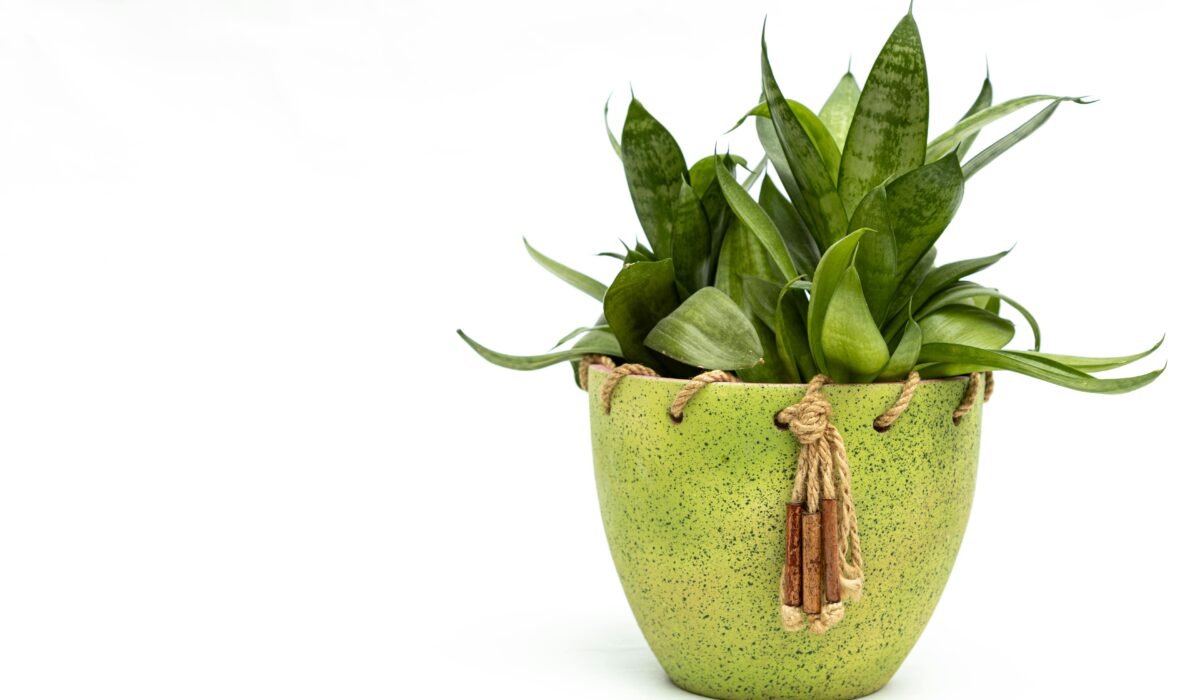
Snake Plant (Sansevieria trifasciata)
Often called “Mother-in-Law’s Tongue,” the Snake Plant is a powerhouse when it comes to removing toxins. It effectively targets formaldehyde removal, benzene, xylene, toluene, and nitrogen oxides. Crucially, it’s one of the few plants that releases oxygen at night, making it a popular choice for bedrooms.
Peace Lily (Spathiphyllum)
With its elegant white blooms, the Peace Lily is more than just beautiful. It excels at filtering formaldehyde, benzene, trichloroethylene, xylene, and ammonia. This plant is also noted for its ability to absorb mold spores, contributing to a healthier indoor environment.
Spider Plant (Chlorophytum comosum)
The Spider Plant is a fantastic choice for beginners and is one of the most widely recognized NASA clean air study plants. It’s highly effective at removing formaldehyde, xylene, and carbon monoxide. Its easy care and prolific “spiderettes” make it a charming addition to any room.
Aloe Vera
Known for its medicinal properties, Aloe Vera also contributes to cleaner air by removing formaldehyde and benzene. Like the Snake Plant, it releases oxygen at night, making it another excellent option for improving best plants for bedroom air quality.
English Ivy (Hedera helix)
This climbing plant is specifically cited for its ability to reduce airborne mold spores and benzene. English Ivy thrives in hanging baskets or trailing from shelves, adding a touch of classic greenery while working to purify your air.
Rubber Plant (Ficus elastica)
The Rubber Plant is not only aesthetically pleasing with its glossy leaves but also effective at removing formaldehyde and other chemical toxins. Its robust nature makes it a relatively low-maintenance option for air purification.
Bamboo Palm (Chamaedorea seifrizii)
This graceful palm is a strong contender for filtering benzene, formaldehyde, and trichloroethylene. Beyond toxin removal, the Bamboo Palm also acts as a natural humidifier, helping to regulate indoor humidity levels.
Air-Purifying Plants Safe for Kids and Pets
When selecting plants, especially if you have curious children or playful animals, their toxicity is a key consideration. You want the benefits of clean air without any risks. Here are some excellent pet-safe houseplants that also offer air-purifying qualities.
For parents and pet owners, choosing pet-friendly air purifying plants is paramount. Many common houseplants can be toxic if ingested, so it’s vital to know which ones are safe.
- Spider Plant (Chlorophytum comosum): Completely non-toxic and a champion air purifier.
- Areca Palm (Dypsis lutescens): Safe for both kids and pets, and a great natural humidifier.
- Boston Fern (Nephrolepis exaltata ‘Bostoniensis’): A classic air purifier that is non-toxic.
- Prayer Plant (Maranta leuconeura): Known for its beautiful foliage and safe for your furry friends.
- African Violet (Saintpaulia): A lovely flowering plant that is safe and adds a splash of color.
While Peace Lilies and English Ivy are excellent air purifiers, they are considered toxic to pets and humans if ingested, so place them out of reach or opt for safer alternatives if needed.
Beyond VOCs: Plants for Humidity & Well-being
The benefits of indoor plants extend far beyond just removing VOCs. They play a significant role in creating a more comfortable and pleasant indoor environment through humidity regulation and profound psychological benefits of plants.
Plants naturally release moisture into the air through a process called transpiration, which can help increase indoor humidity, especially in dry climates or during winter months. This can alleviate issues like dry skin, irritated throats, and static electricity. The Bamboo Palm, for instance, is an excellent choice for indoor plants for humidity.
Furthermore, simply being around plants has a documented positive impact on our mental state. Studies show that greenery can reduce stress, improve mood, and even boost productivity and concentration. This connection to nature, often referred to as biophilia, contributes significantly to our overall well-being, creating a calmer and more inviting living space.
How Many Indoor Plants Do You Need for Cleaner Air?
This is where the rubber meets the road for practical application. While the original NASA Clean Air Study suggested one plant per 100 square feet, more recent research paints a different picture regarding measurable impact on indoor air quality.
A 2019 meta-analysis by Dr. Michael S. Waring indicated that to achieve the same air-cleaning benefits observed in sealed chamber studies, you would need an astonishing 10-1,000 plants per square meter of floor space in a home. The American Lung Association further elaborated in February 2024, stating that approximately 680 plants would be required in a 1,500 square foot home or office to match the effect of natural ventilation.
The short answer is: for significant, measurable pollutant removal from your home’s air, you’d need an impractical number of plants. However, this doesn’t diminish their other benefits. Think of plants as a wonderful supplement to your overall strategy, not a standalone solution for scrubbing the air clean of all pollutants.
Essential Care Tips for Your Air-Purifying Plants
To ensure your air-purifying plants thrive and contribute to your home’s ambiance, proper plant care tips are crucial. Healthy plants are better at their natural processes, including transpiration and minor air filtration.
Here are some fundamental tips to keep your green companions flourishing:
- Light: Understand your plant’s light requirements. Most air-purifying plants prefer bright, indirect light, but some, like the Snake Plant, tolerate low light. Too much or too little light can stress your plant.
- Watering: Avoid overwatering, which is a common killer of houseplants. Check the soil moisture before watering; many plants prefer the top inch or two of soil to dry out completely. Plants in “KYARI Sansevieria Green Snake Air Purifier Plant with White Self Watering Pot” systems, for example, have built-in reservoirs that simplify this.
- Humidity: Many tropical air purifiers appreciate higher humidity. Grouping plants, using pebble trays, or occasional misting can help, especially if you have dry indoor air.
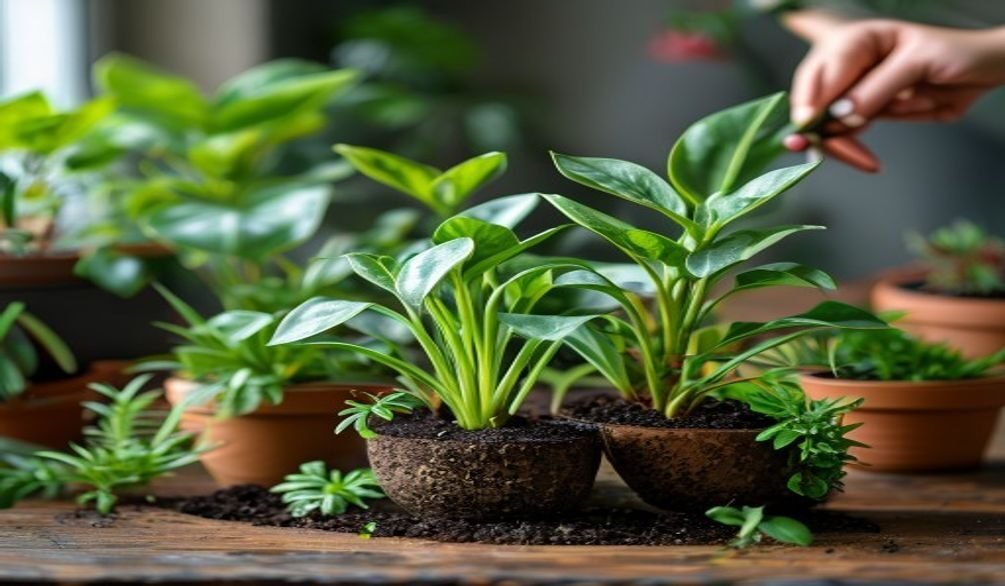
- Soil & Nutrition: Use a well-draining potting mix. Products like “Ugaoo Good Luck Money Plant Variegated With Self Watering Pot” often come with cocopeat soil, which helps with moisture retention and provides some nutrients. Ensure your soil type is suitable for the plant. You can learn more about garden soil types for beginners to understand the basics.
- Pest Control: Regularly inspect your plants for pests. Early detection makes control easier. If you spot any, consider natural and organic solutions. Our guide on organic pest control for indoor plants offers safe and effective methods.
- Dusting: Wipe down leaves periodically to remove dust, which can hinder photosynthesis and block pores, reducing the plant’s effectiveness.
Making the Most of Your Indoor Air Quality Strategy
Integrating plants into a broader approach is the smartest way to improve your indoor air quality. Plants are a valuable component, but they work best in concert with other practices. Think of them as part of a holistic system.
A comprehensive strategy combines source reduction, ventilation, and targeted filtration. This ensures you’re addressing pollutants at multiple levels, rather than relying on a single method.
Here’s a practical approach:
- Reduce Pollutant Sources: The most effective way to improve air quality is to minimize what causes pollution in the first place. This means choosing low-VOC paints and furniture, avoiding synthetic air fresheners, and using natural cleaning products.
- Enhance Natural Ventilation: Regularly open windows and doors to allow fresh air to circulate, especially after cooking or cleaning. This is often far more effective than plants alone at exchanging stale, polluted indoor air with cleaner outdoor air.
- Consider Mechanical Filtration: For significant removal of airborne particles and VOCs, a high-quality air purifier with a HEPA filter and activated carbon is highly effective. Think of plants as a complementary layer, not a replacement for these devices.
- Strategically Place Your Plants: While a single plant won’t scrub your whole house, placing a few in areas where you spend a lot of time – like your bedroom or home office – can offer localized benefits and enhance your well-being.
- Prioritize Humidity & Well-being: Embrace plants for their proven benefits in regulating humidity and boosting mood. Even if their air-purifying effect is modest, their aesthetic and psychological contributions are undeniable.
Frequently Asked Questions
Which indoor plant purifies the air the most?
While the NASA Clean Air Study identified plants like the Peace Lily, Snake Plant, and Spider Plant as highly effective in sealed environments, it’s important to understand that no single plant can significantly purify a typical room on its own. Their combined effect is best seen as a complementary part of a larger indoor air quality strategy, offering modest benefits in real-world settings.
Do plants improve air quality in home?
Yes, plants do improve air quality, but their impact in a typical home is often modest compared to natural ventilation or mechanical air purifiers. While plants absorb some Volatile Organic Compounds (VOCs) and release oxygen, recent research suggests you would need an impractical number of plants to achieve significant measurable air purification in a well-ventilated space.
Which air-purifying plants are safe for kids and pets?
Several effective air-purifying plants are also considered safe for households with children and pets. Excellent choices include the Spider Plant, Areca Palm, Boston Fern, Prayer Plant, and African Violet. Always double-check a plant’s toxicity before bringing it into your home, especially if you have curious little ones or animals.
What are the best plants for bedroom air quality?
For bedrooms, plants that release oxygen at night are particularly beneficial, such as the Snake Plant and Aloe Vera. These plants contribute to a fresher atmosphere while you sleep. Additionally, plants known for their humidity regulation, like the Bamboo Palm, can create a more comfortable sleeping environment.
Embracing the best indoor plants for air purification means adopting a realistic perspective. While they won’t replace advanced filtration systems, these green companions offer undeniable benefits for your home’s atmosphere, humidity levels, and your overall sense of well-being. Start with a few plants that appeal to you, enjoy their beauty, and incorporate them into a balanced approach to indoor air quality.