Are you dreaming of a garden that not only beautifies your space but also provides natural remedies for everyday wellness? Then you’re ready to start growing medicinal herbs home apothecary style. This comprehensive guide will empower you to cultivate, harvest, and utilize healing plants, transforming your backyard or balcony into a personal source of natural wellness and self-sufficiency.
What is a Home Apothecary Garden?
A home apothecary garden is more than just a collection of plants; it’s a living pharmacy where you cultivate medicinal plants specifically chosen for their healing properties. This dedicated space allows you to grow ingredients for your own herbal remedies, fostering a deeper connection to natural wellness and plant-based medicine.
The concept echoes ancient traditions, where apothecaries were central figures in health, providing remedies sourced directly from nature. By establishing your own, you embrace a holistic health approach, knowing exactly where your healing ingredients come from and how they’ve been grown.
What most people miss is that an apothecary garden isn’t just about growing; it’s about the entire cycle from seed to remedy, offering a tangible path to greater self-reliance in health management.
Starting Your Medicinal Herb Garden: A Step-by-Step Guide
Embarking on your journey of growing medicinal herbs for a home apothecary requires careful planning, but it’s incredibly rewarding. The short answer is to start small, observe your space, and choose plants that thrive in your local conditions.
Site Selection & Soil Preparation
Begin by observing your potential garden spots throughout the day to understand their light exposure. Most medicinal herbs prefer at least 6-8 hours of direct sunlight daily for optimal growth and potency. Consider factors like drainage and wind protection as well.
Once you’ve chosen your site, focus on creating nutrient-rich, well-draining soil. Amending your soil with compost is crucial, as it provides essential nutrients and improves soil structure, supporting robust plant growth. This is the foundation for healthy, potent medicinal plants.
Choosing Your Plants & Planting Techniques
When selecting plants, consider those that are easy to grow in your climate and align with your family’s common health needs. Starting with seeds or small starter plants is often best for beginners.
For seeds, follow package instructions for depth and spacing. If planting seedlings, gently loosen the roots before placing them in the prepared soil, then water thoroughly. Remember to harden off herb seedlings before transplanting them outdoors to ensure they adapt well to new conditions, as discussed in our Hardening Off Herb Seedlings guide.
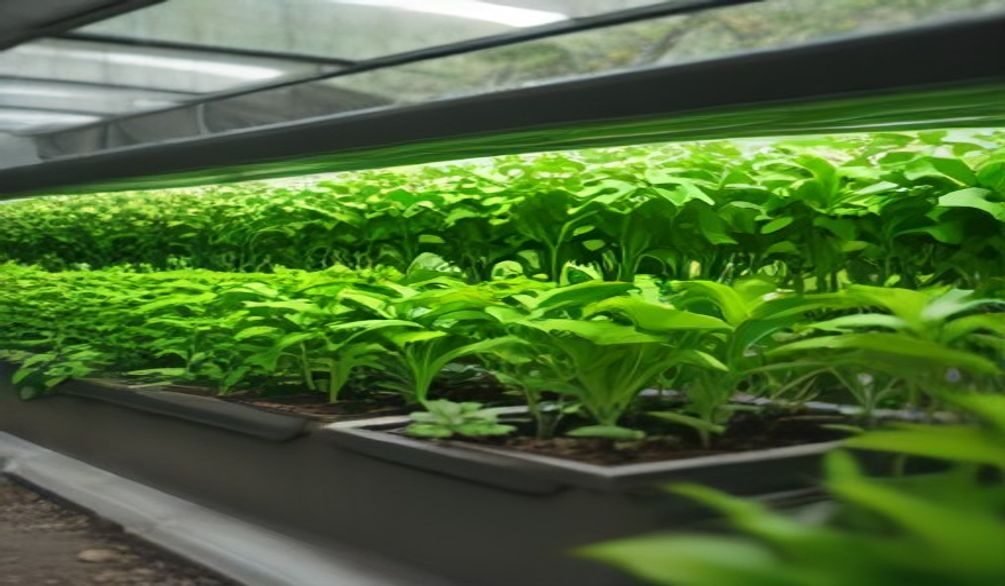
For those with limited space, consider a vertical garden or containers, which allow for a diverse range of organic medicinal herbs even in compact areas.
Top Medicinal Herbs for Your Home Apothecary
Selecting the best medicinal plants for home cultivation means choosing resilient species with versatile uses. These herbs are consistently recommended for their ease of growth and significant therapeutic benefits.
Here are some essential medicinal herbs perfect for any beginner’s home apothecary:
- Calendula (Calendula officinalis): Known for its vibrant orange flowers, calendula is a powerful anti-inflammatory and skin healer, excellent for salves and infused oils.
- Lemon Balm (Melissa officinalis): This delightful herb, noted by John Parkinson centuries ago for its mood-lifting properties, is perfect for calming teas, digestive aid, and stress reduction. Its historical use for “reviving the fainting heart” remains relevant for modern anxieties.
- Echinacea (Echinacea purpurea): A staple for immune support, Echinacea helps ward off colds and flu. Both the roots and aerial parts are used in herbal remedies.
- Lavender (Lavandula angustifolia): Beyond its beautiful scent, lavender is renowned for stress reduction, promoting sleep, and soothing skin irritations.
- Holy Basil (Tulsi, Ocimum sanctum): An adaptogenic herb, Holy Basil helps the body manage stress and supports respiratory health, making it invaluable for overall natural wellness.
- Peppermint (Mentha piperita): Excellent for digestive issues, headaches, and refreshing teas, peppermint is a vigorous grower that needs space.
- Yarrow (Achillea millefolium): A versatile first-aid herb, yarrow is used for wound healing, fever reduction, and cold/flu symptoms.
These selections provide a strong foundation for your DIY herbal remedies, covering a wide spectrum of common ailments and promoting holistic health.
Cultivating & Caring for Your Homegrown Medicinal Herbs
Consistent care ensures your medicinal plants remain vibrant and potent. Understanding their specific needs for water, light, and nutrients is key to a thriving medicinal herb garden.
Watering & Feeding
Most herbs prefer consistent moisture but detest soggy feet, so good drainage is paramount. Water deeply when the top inch of soil feels dry, typically every few days depending on weather and plant type. Overwatering is a common mistake that can lead to root rot.
While medicinal herbs don’t usually require heavy feeding, a balanced organic fertilizer or a top-dressing of compost once or twice a season can boost growth and potency. Avoid excessive nitrogen, which can lead to lush foliage but diminished medicinal compounds.
Pest & Disease Management
Healthy plants are naturally more resistant to pests and diseases. Regular observation helps you catch issues early. Hand-picking pests, using insecticidal soap, or introducing beneficial insects are effective organic strategies. For common issues like powdery mildew, our guide on Powdery Mildew Control offers practical solutions.
Maintaining good air circulation and practicing proper sanitation also significantly reduce disease risk. In practice, a strong, vibrant plant is your best defense.
Harvesting, Processing & Storing Your Herbal Bounty
The true magic of growing medicinal herbs lies in knowing when and how to harvest, process, and store them to maintain their therapeutic potency. This ensures your herbal remedies are as effective as possible.
Optimal Harvesting Times
Timing is everything:
- Leaves: Harvest in the morning after the dew has dried but before the sun is too strong, when essential oils are concentrated.
- Flowers: Pick when they are fully open but still fresh, again, in the morning.
- Roots: Harvest in the fall after the plant’s energy has retreated underground, or in early spring before new growth begins.
- Seeds: Collect when they are fully mature and dry on the plant.
Always harvest sustainably, taking no more than one-third of the plant at any given time to allow for regrowth. This practice aligns with sustainable gardening principles, ensuring a continuous supply.
Drying & Preservation Techniques
Proper preservation is crucial for extending the shelf life of your herbal bounty. Drying herbs is the most common method:
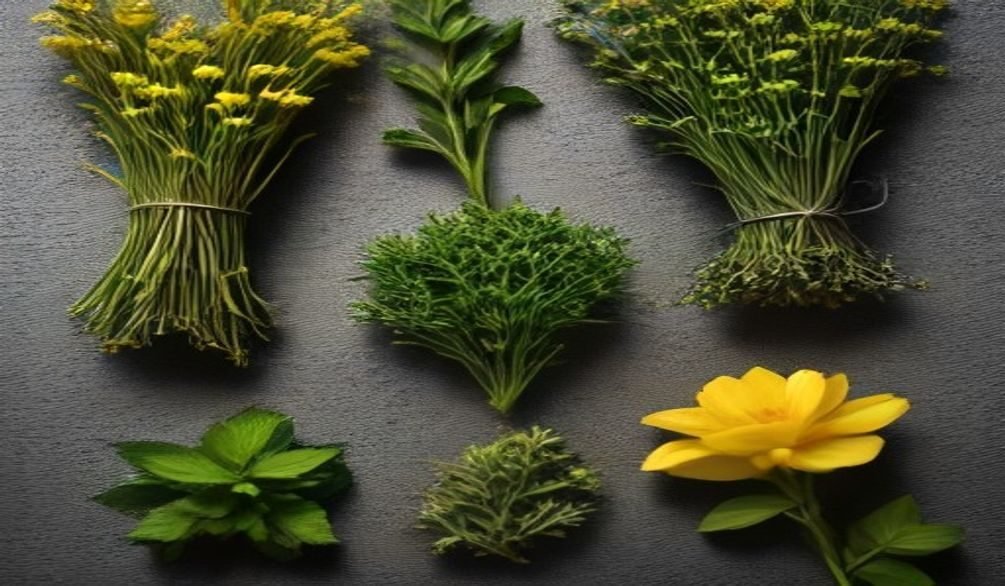
- Air Drying: Bundle herbs and hang them in a warm, dark, well-ventilated area. This slow drying preserves volatile compounds.
- Dehydrator: For quicker drying, a dehydrator set at a low temperature (below 100°F/38°C) works well, especially for roots or berries.
- Freezing: Some herbs, particularly those with high water content, retain potency better when frozen, either whole or chopped in ice cube trays with water or oil.
Ensure herbs are completely dry and brittle before storage to prevent mold. John from GrowingYourGreens.com once highlighted a farmer who healed from stage 4 cancer by growing and consuming medicinal crops, underscoring the power of home-grown, nutrient-dense plants when properly preserved and utilized.
Storage Best Practices
Store your dried herbs in airtight, dark glass jars (like Ball canning jars) in a cool, dark place away from direct sunlight and humidity. Label everything clearly with the herb name and date of harvest. This careful storage helps maintain potency for up to a year or even longer, making your home apothecary setup truly effective.
Crafting Advanced Herbal Preparations & Remedies
Moving beyond simple teas, exploring more complex herbal preparation techniques allows you to harness the full spectrum of your homegrown remedies. These preparations offer concentrated forms of plant medicine for specific needs.
Tinctures, Glycerites & Oxymels
- Herbal Tinctures: These are concentrated liquid extracts made by steeping herbs in alcohol (usually 80-100 proof vodka) for several weeks. Tinctures are potent, have a long shelf life, and are easily absorbed by the body. They are a cornerstone of many serious herbalists.
- Glycerites: An excellent alcohol-free alternative, glycerites use vegetable glycerin to extract plant compounds. They are often sweeter, making them ideal for children or those avoiding alcohol.
- Oxymels: Combining herbs with vinegar and honey, oxymels are a tasty and effective way to deliver herbal benefits, particularly for respiratory support. They offer a unique blend of sweet, sour, and medicinal properties.
Devon Young, author of the upcoming “The Homegrown Herbal Apothecary,” emphasizes the versatility of these preparations in establishing a robust medicinal landscape.
Salves, Poultices & Infused Oils
For topical applications, your home apothecary can produce a range of healing balms:
- Infused Oils: Herbs steeped in carrier oils (like olive or almond oil) extract fat-soluble compounds, forming the base for salves and balms. Calendula and Comfrey are excellent choices for skin-healing oils.
- Salves and Balms: By gently melting beeswax into your infused oils using a double boiler, you create semi-solid preparations perfect for cuts, scrapes, muscle aches, or dry skin. Essential apothecary tools like a double boiler are indispensable here.
- Poultices: A simple yet powerful remedy, a poultice involves crushing fresh or rehydrated dried herbs and applying them directly to the skin to draw out toxins, reduce inflammation, or aid wound healing.
These advanced preparations expand your capacity for DIY herbal remedies, turning your garden’s bounty into effective, natural solutions.
Designing Your Efficient Home Apothecary Space
An organized apothecary space is crucial for making the most of your herbal harvest. A thoughtful home garden design extends indoors, creating an environment where you can efficiently process, store, and access your herbal bounty.
Essential Tools & Equipment
Stocking your apothecary with the right apothecary tools streamlines your work. You’ll need:
- Glass Jars: Various sizes of amber and clear glass jars (Ball canning jars are excellent) for storage and infusions.
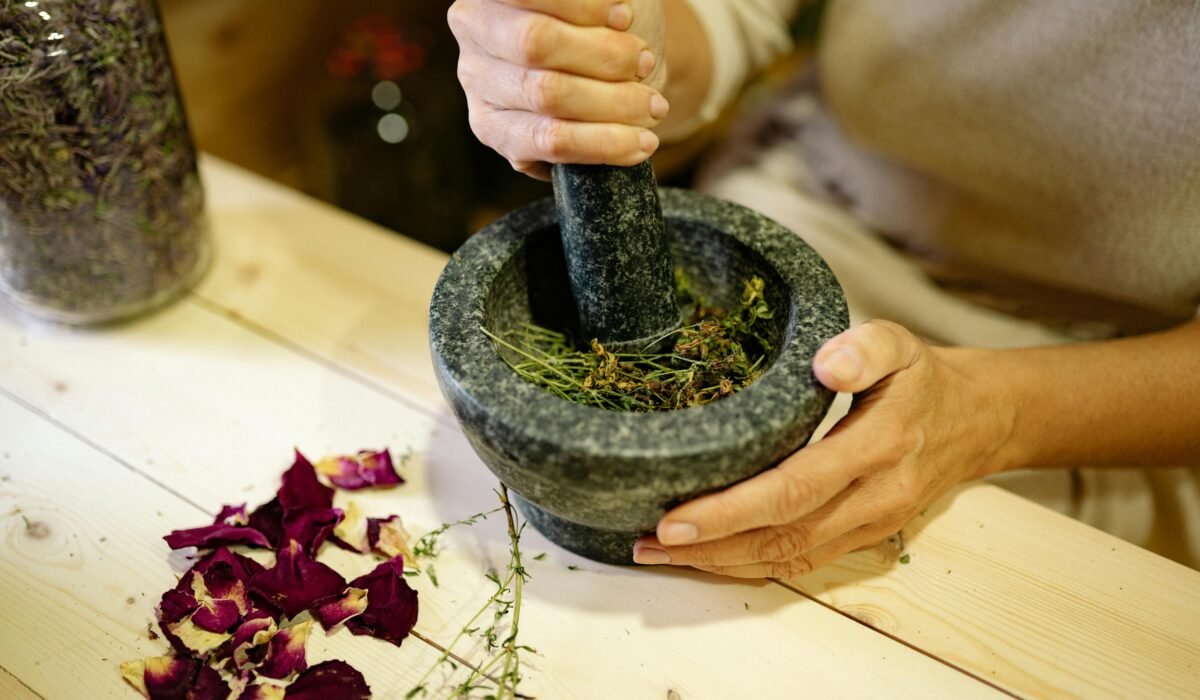
- Mortar and Pestle: Indispensable for grinding dried herbs and seeds, releasing their aromatic compounds.
- Funnels & Strainers: For pouring liquids and separating plant material from infusions.
- Measuring Tools: Cups, spoons, and a kitchen scale ensure accurate recipes.
- Amber Tincture Bottles: Crucial for storing light-sensitive liquid remedies.
- Cheesecloth: For straining infusions and tinctures.
- Double Boiler: Essential for making salves, balms, and other preparations requiring gentle heat.
Companies like Harvick Farms even offer DIY kits complete with farm-grown herbs and essential tools, showcasing the demand for a well-equipped herbal workspace.
Organization & Storage Solutions
Design your space with workflow in mind. Consider shelving units for jars, drawers for tools, and a dedicated workspace for preparation. Labeling is non-negotiable; always include the herb’s name, harvest date, and any preparation details. This meticulous approach prevents confusion and ensures you always use potent, fresh ingredients.
Ensure your storage area is cool, dark, and dry to preserve the integrity of your dried herbs and remedies. A well-organized home apothecary setup not only looks impressive but also simplifies your herbal practice, integrating natural wellness seamlessly into your daily life.
Safe & Sustainable Herbalism: Key Considerations
As you delve into growing medicinal herbs and crafting herbal remedies, responsible practice is paramount. Safety and sustainability are the cornerstones of effective and ethical herbalism, ensuring both your well-being and the health of the planet.
Understanding Dosage & Contraindications
Even natural remedies require respect and knowledge. It is crucial to research appropriate dosages for any herb you plan to use, as potency can vary. Start with lower doses and observe your body’s response.
Crucially, be aware of potential contraindications and drug interactions. Some herbs can interact with prescription medications or are not safe for pregnant or nursing individuals, or those with specific health conditions. For example, St. John’s Wort can interact with antidepressants and birth control. Always consult with a healthcare professional or qualified herbalist before incorporating new herbal remedies, especially if you have underlying health issues or are on medication. As Paracelsus wisely stated, “All that man needs for health and healing has been provided by God in nature, the Challenge of science is to find it.” This challenge includes understanding safe application.
Sustainable & Ethical Harvesting Practices
Your commitment to sustainable gardening extends to harvesting. When gathering from your garden or wildcrafting (gathering from the wild), always ensure you leave plenty for the plant to regenerate and for wildlife. Never harvest more than 10-20% of a wild population to prevent depletion.
For at-risk species like White Sage, consider growing your own from seed or purchasing from reputable, cultivated sources rather than wildcrafting. This ethical consideration protects vulnerable plant populations and upholds the integrity of your practice. Supporting biodiversity and respecting the plant world is a fundamental aspect of holistic health.
Frequently Asked Questions
What herbs are good for a home apothecary?
For a beginner’s home apothecary, excellent choices include Calendula, Lemon Balm, Echinacea, Lavender, Holy Basil, Peppermint, and Yarrow. These herbs are generally easy to grow, have versatile medicinal uses, and provide a strong foundation for common herbal remedies.
How do you start an apothecary garden?
Starting an apothecary garden involves selecting a sunny site, preparing nutrient-rich soil, choosing resilient medicinal herbs suited to your climate, and planting them with care. Begin with a few easy-to-grow varieties and gradually expand as you gain experience, focusing on proper watering and organic pest management.
What is an apothecary garden?
An apothecary garden is a dedicated space, typically a home garden, where medicinal plants are cultivated specifically for their therapeutic properties. It serves as a personal source for creating herbal remedies and practicing natural wellness, connecting the gardener directly to the origins of their plant-based medicine.
How do I grow medicinal herbs for beginners?
Beginners should focus on simple, resilient medicinal herbs that thrive in their local conditions, ensuring they receive adequate sunlight and well-draining soil. Start with seeds or small plants, follow basic care guidelines for watering and feeding, and learn gentle harvesting techniques to encourage continuous growth.
Embracing the journey of growing medicinal herbs home apothecary style is a profound step towards self-sufficiency and natural wellness. From selecting your first seeds to crafting advanced herbal preparations, each stage offers immense satisfaction and a deeper connection to the healing power of plants. Begin today by choosing one herb that resonates with you and planting it with intention; your home apothecary awaits.