Feeling overwhelmed by the idea of cultivating your own fresh produce? You’re not alone, but **starting your first vegetable garden** is a rewarding journey that’s more accessible than you might think. This comprehensive guide will walk you through every essential step, transforming that initial uncertainty into bountiful harvests right in your backyard.
How Do I Start a Vegetable Garden for the First Time?
The journey to your first thriving vegetable garden begins with a few foundational steps, prioritizing thoughtful planning over immediate action. Many experts, like garden expert Mattus, emphasize the importance of starting small, noting that “People start too big” and often get overwhelmed. This pragmatic approach ensures you build confidence with each success.
Assess Your Space and Sunlight
Before digging in, take a critical look at your available area. Most summer vegetables demand at least **six or more hours of unfiltered sunlight per day**, a crucial factor highlighted by garden designer Nan Sterman. Observe your yard throughout the day to identify the sunniest spots. This simple observation will be the most significant determinant of your garden’s success.
Define Your Garden Type
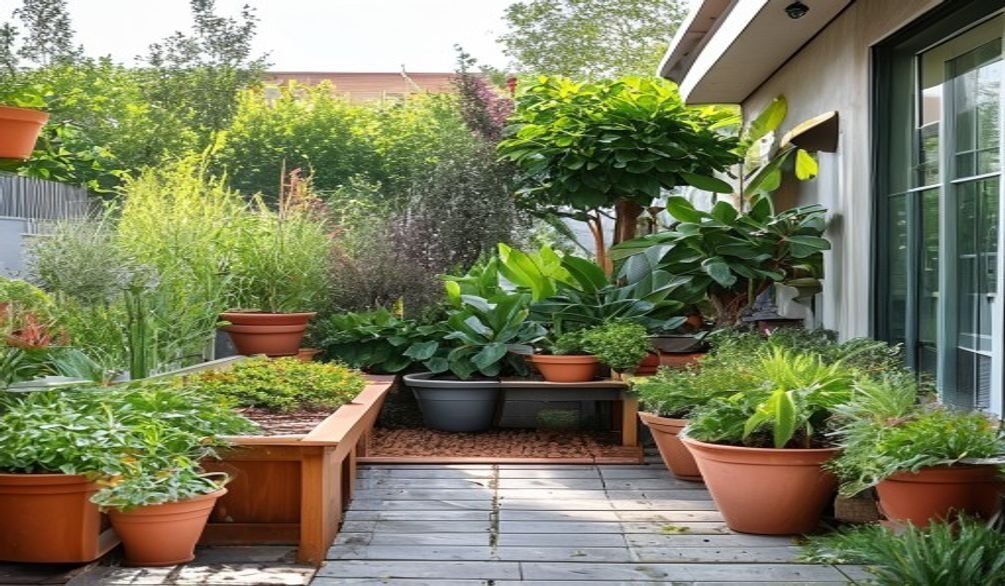
Decide whether an in-ground bed, raised bed, or container garden best suits your space and lifestyle. Raised beds are a popular choice for beginners due to their controlled environment and ease of access. Each type has its own benefits, influencing your initial setup and the types of plants you can grow.
Gather Your Basic Gardening Tools Essential
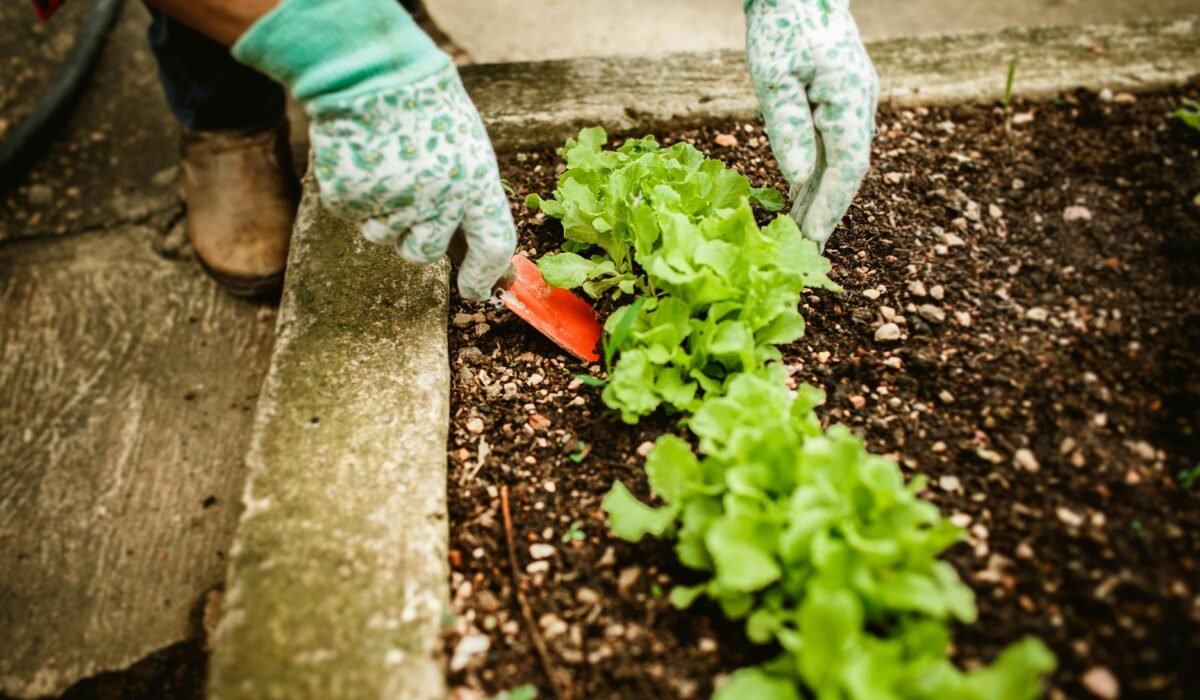
You don’t need a shed full of expensive equipment to begin. Start with the essentials: a good quality shovel for digging, a hand trowel for planting and weeding, and a sturdy pair of gardening gloves. As you gain experience, you might add items like a watering can, pruners, or stakes for vining plants.
Prepare Your Soil
This step is arguably the most critical for success. Good soil is the foundation of a productive garden. We’ll delve deeper into soil preparation shortly, but for now, understand that healthy soil is what feeds your plants.
What Should a Beginner Plant in a Vegetable Garden?
When you’re just starting your first vegetable garden, choosing the right crops can make all the difference between frustration and a feeling of accomplishment. The key is to select **easy vegetables to grow for beginners** that are known for their resilience and generous yields. This approach helps build confidence and provides tangible rewards early on.
Focus on Tried-and-True Performers
Consistently recommended vegetables for beginners include a diverse range of options that require minimal fuss. These plants tend to be forgiving of minor mistakes and produce reliably. You want quick wins to keep your motivation high.
Top Easy Vegetables to Grow for Beginners:
- Lettuce and other leafy greens: Quick growing, often tolerate some shade, and can be harvested repeatedly.
- Green Beans: Relatively pest-resistant and prolific producers. Bush varieties don’t even need trellising.
- Radishes: A “wonderful crop for not a lot of work,” according to experts, maturing in as little as three weeks.
- Tomatoes: While they need full sun and support, cherry tomatoes are particularly forgiving and prolific.
- Zucchini and Summer Squash: Be warned, they can be *very* productive! Plant one or two plants for a small garden.
- Peppers: Bell peppers and mild chili peppers are good choices, thriving in warm weather.
- Spinach and Kale: Nutrient-dense and relatively easy, especially in cooler weather.
- Peas: Both shelling and snap peas are delightful and grow well with a simple trellis.
- Beets: You can eat both the roots and the greens, offering a double harvest.
The short answer is to start with what you love to eat and what’s known for being robust. Avoid fussy plants or those with very specific needs until you have a few seasons under your belt.
How Do You Start a Small Vegetable Garden?
Even if you have limited space, **starting a small vegetable garden** is entirely achievable and often the best way for beginners to avoid feeling overwhelmed. The principles remain the same, but the execution adapts to tighter quarters. A well-planned small garden layout can be incredibly productive.
Embrace Raised Bed Gardening
Raised garden beds are a fantastic option for small spaces and are highly recommended for new gardeners. They offer better control over soil conditions, improved drainage, and heat up faster in spring, extending your growing season. For new gardeners, a 4×4-foot or 4×8-foot raised bed is considered a great beginner size. Experts like Nan Sterman recommend beds no wider than four feet so you can easily reach the center without stepping on the soil, compacting it.
Container Gardening for Beginners
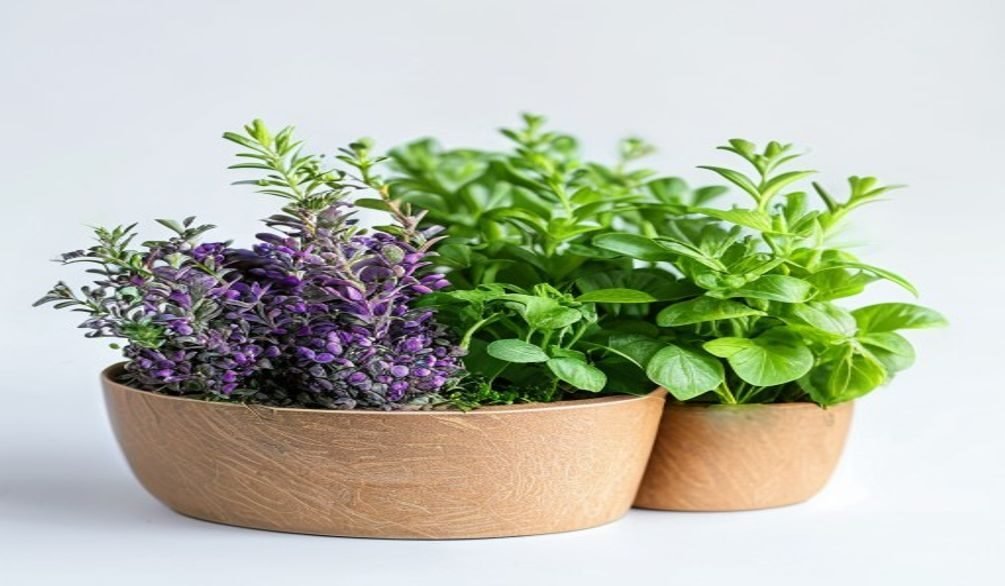
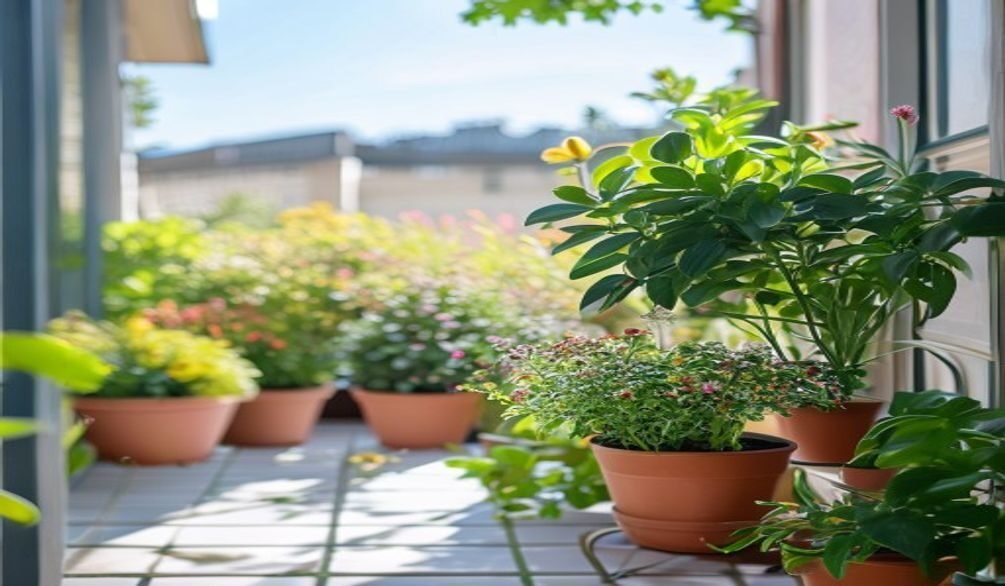
If ground space is truly at a premium, **how to start a vegetable garden in pots** becomes your go-to strategy. Many vegetables thrive in containers, provided they have adequate drainage and enough room for their root systems. Consider growing determinate tomato varieties, bush beans, peppers, lettuce, spinach, and herbs in pots.
Choosing the best containers for beginner gardeners involves considering material, size, and drainage holes. Larger pots are generally better as they hold more soil, which retains moisture longer and provides more stable temperatures for roots.
Vertical Gardening Solutions
To maximize your harvest in a small footprint, look upwards. Trellising vegetables like cucumbers, pole beans, and peas allows them to grow vertically, saving valuable ground space. You can also explore vertical planters for leafy greens and herbs. Trellising vegetables can dramatically increase your yield in a compact area.
Planning Your First Vegetable Garden: Location & Soil
The success of **starting your first vegetable garden** hinges significantly on two critical factors: choosing the right location and preparing the optimal soil. Getting these right from the outset prevents countless headaches down the line. What most people miss is that convenience and quality are equally important here.
Picking the Perfect Spot
The mantra for vegetable gardens is “sun, sun, sun.” As garden designer Nan Sterman advises, most summer vegetables need **at least six or more hours of unfiltered sunlight per day**. Observe your yard throughout the day to find the brightest spot. Beyond light, consider accessibility. Sterman also highlights the importance of placing your garden close to the kitchen for easy access and regular tending. This encourages frequent visits, making you more likely to notice and address plant needs promptly.
The Foundation: Soil Preparation
“The health of your soil is the key to your dream garden. Feed the soil and it will feed you,” states an article on beginner gardening. This isn’t just a catchy phrase; it’s a fundamental truth. Good soil is the source of nutrients for your plants and dictates their vitality.
Understanding and Amending Your Soil
If you’re planting directly in the ground, a soil test is highly recommended to understand its composition and nutrient deficiencies. Many local extension offices offer this service. For both in-ground beds and especially for raised beds, enriching your soil is non-negotiable.
The **best soil for raised vegetable garden** beds or containers is a high-quality blended compost mix containing ample organic matter. This provides essential nutrients, improves drainage in heavy soils, and boosts water retention in sandy soils. You can purchase specific raised bed mixes or create your own by blending compost, topsoil, and perlite or vermiculite for aeration. For more detailed insights into feeding your garden’s foundation, Grow Organic offers excellent resources on soil health. Grow Organic emphasizes that healthy soil is paramount for garden success.
Budgeting for Your Beginner Vegetable Garden
One common misconception is that **starting your first vegetable garden** requires a significant financial investment. While you *can* spend a lot, it’s entirely possible to start on a shoestring budget. Focusing on **cheap ways to start a vegetable garden** can keep costs down without sacrificing success. The key is to prioritize and be resourceful.
Prioritize Your Purchases
Your most essential investments will be quality soil amendments and seeds or small plant starts. Everything else can often be acquired affordably or even free.
Estimated Costs for a Small Beginner Garden:
- Soil: This is where you shouldn’t skimp. A bag of good quality potting mix for containers or several bags of compost for a raised bed can range from $15-$50, depending on volume.
- Seeds/Starts: Seeds are incredibly cost-effective, often just a few dollars per packet. Plant starts (small plants) are more expensive but give you a head start, typically $3-$5 per plant.
- Containers/Raised Bed Materials:
- For containers, repurpose old buckets (with drainage holes), tires, or buy inexpensive fabric grow bags (around $5-$10 each).
- For a basic 4×4 raised bed, untreated lumber can cost $50-$100, or you can look for reclaimed wood.
- Basic Tools: A hand trowel and gloves are often under $20 combined. A shovel might be another $20-$30.
- Watering: A watering can is inexpensive, or you can use an existing garden hose.
Resourceful Savings
Look for free compost from local recycling centers or make your own. Ask friends or neighbors for extra seeds or divided plant starts. Many communities have seed libraries where you can “borrow” seeds for free. You’d be surprised how much you can repurpose from around your home to use in the garden.
Sustainable & Eco-Friendly Practices for Your New Garden
As you embark on **starting your first vegetable garden**, integrating sustainable garden practices from the beginning sets you up for long-term success and a healthier environment. **Organic vegetable gardening for beginners** doesn’t have to be complicated; it’s about working with nature, not against it. What most people overlook is how simple, small changes can have a big impact.
Nourish Your Soil Naturally
The foundation of any sustainable garden is healthy soil. Instead of chemical fertilizers, focus on building soil fertility with organic matter. Incorporate compost regularly, and consider planting cover crops in off-seasons. This approach feeds the soil microbes, which in turn feed your plants.
Smart Water Management
Water is a precious resource. Implement simple water conservation techniques such as:
- Mulching: Apply a 2-4 inch layer of organic mulch (straw, shredded leaves, wood chips) around your plants. This significantly reduces water evaporation, suppresses weeds, and regulates soil temperature.
- Deep Watering: Water deeply and less frequently, encouraging roots to grow deeper, making plants more drought-tolerant.
- Rain Barrels: Collect rainwater for irrigation. It’s free, and plants often prefer it to chlorinated tap water.
For more advanced methods as you progress, explore sustainable irrigation methods for organic gardens.
Embrace Biodiversity and Natural Pest Control
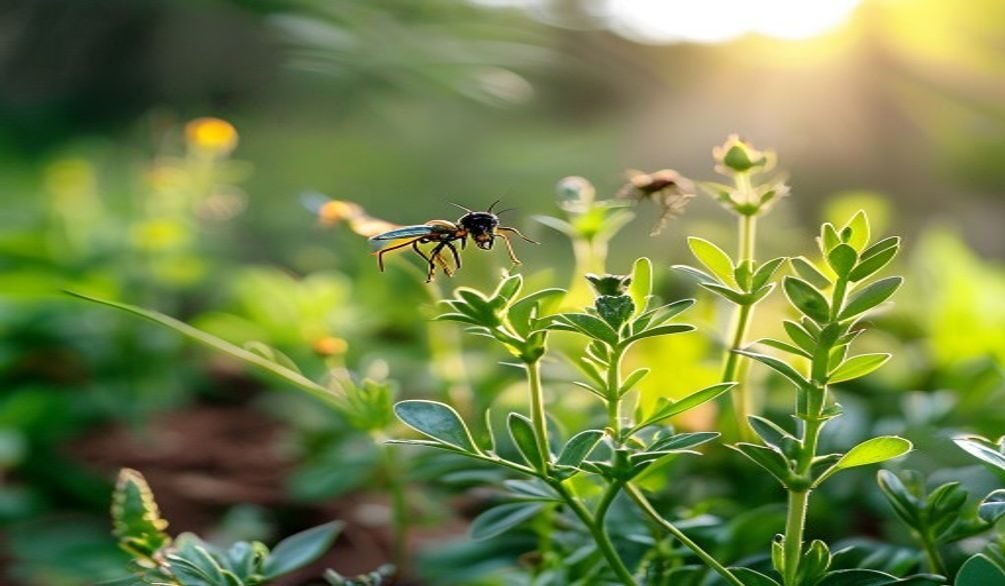
Encourage beneficial insects by planting flowering herbs and native plants alongside your vegetables. These “good bugs” prey on common garden pests, reducing the need for chemical interventions. Companion planting—placing specific plants together that benefit each other—is another excellent organic gardening tip for pest deterrence and promoting growth. For example, marigolds can deter nematodes, and basil can improve tomato flavor while deterring flies.
Troubleshooting Common Beginner Gardening Mistakes
Every gardener, no matter how experienced, makes mistakes. When you’re **starting your first vegetable garden**, encountering issues is part of the learning process. The trick is to learn from them and not get discouraged. Understanding **common gardening mistakes** and how to address them can save you a lot of frustration.
Overwatering or Underwatering
This is probably the most frequent rookie error. Plants need consistent moisture, but soggy roots lead to rot, while too little water causes wilting.
* Solution: Stick your finger 1-2 inches into the soil. If it feels dry, it’s time to water. If it’s still moist, wait. Ensure good drainage in pots and beds.
Planting Too Early or Too Late
Timing is everything. Planting tender seedlings before the last frost can kill them, while planting heat-loving crops too late in the season can reduce your harvest.
* Solution: Consult a local vegetable planting calendar or your agricultural extension office for ideal planting dates based on your climate zone. This will guide you on when to start vegetable garden from seed indoors or transplant outdoors.
Ignoring Soil Health
As discussed, healthy soil is paramount. Neglecting it leads to nutrient deficiencies and poor plant growth.
* Solution: Regularly amend your soil with compost and organic matter. Consider a soil test if your plants are consistently struggling.
Overcrowding Plants
It’s tempting to plant everything close together, especially in a small garden layout. However, overcrowding leads to poor air circulation, increased disease risk, and competition for nutrients and sunlight.
* Solution: Always follow spacing recommendations on seed packets or plant tags. Give your plants room to grow.
Pest and Disease Panic
Seeing a pest or a spot on a leaf can be alarming. The common gardening mistake is to reach for harsh chemicals immediately.
* Solution: First, identify the pest or disease. Often, simple organic solutions like hand-picking pests, insecticidal soap, or neem oil are effective. Ensure good air circulation and consider companion planting for prevention. For specific seedling issues, knowing how to prevent damping-off in seedlings is crucial.
Hyper-Local Gardening: Tailoring Your Garden to Your Area
While general advice is helpful for **starting your first vegetable garden**, true mastery comes from understanding your specific environment. Most guides mention USDA hardiness zones, but a winning angle for any new gardener is to delve into **hyper-local research**. This means going beyond broad climate classifications to understand the unique conditions of your immediate neighborhood.
Beyond Hardiness Zones: Microclimates and Local Soil
Your backyard likely has its own microclimates. A south-facing wall might create a heat trap, while a shady corner remains cooler. These subtle differences influence what thrives. Similarly, your specific soil composition—whether it’s heavy clay, sandy loam, or something else—will affect drainage and nutrient availability far more than a general “best soil” recommendation. For example, a gardener in a coastal town might contend with salty air, while one inland might deal with extreme summer heat. The Old Farmer’s Almanac provides an excellent starting point for general gardening advice, but local nuances are key. The Old Farmer’s Almanac is a trusted resource, but local knowledge refines its wisdom.
Connect with Local Expertise
The best resources for hyper-local gardening are often right in your community:
- Local Gardening Clubs: These groups are invaluable. Members have years of experience with local soil, weather patterns, and common pests. They can offer tailored advice on what truly thrives in your immediate area.
- Extension Offices: Your local university extension office is a treasure trove of scientific, localized information. They often provide soil testing services, pest identification, and recommendations specific to your county or region.
- Neighborhood Gardeners: Don’t underestimate the wisdom of a seasoned neighbor. They can tell you which varieties of tomatoes consistently do well, what pests to watch out for, and even share seeds or plant starts.
By tapping into these hyper-local networks, you gain insights that no general guide can provide, optimizing your plant choices for maximum success and truly making your garden an extension of your unique environment.
Frequently Asked Questions
What should a beginner plant in a vegetable garden?
Beginners should focus on **easy vegetables to grow** that are known for their resilience and high yields, such as lettuce, green beans, radishes, cherry tomatoes, zucchini, peppers, spinach, and kale. These plants are forgiving, mature relatively quickly, and provide consistent harvests, building confidence for new gardeners.
How do I start a vegetable garden for the first time?
To start your first vegetable garden, begin by assessing your space for sunlight (at least 6 hours daily) and deciding on a garden type (in-ground, raised bed, or container). Next, prepare your soil with quality compost, gather essential tools like a trowel and shovel, and then select easy-to-grow vegetables suitable for your climate. Starting small is key to managing expectations and learning.
How do you start a small vegetable garden?
You can easily start a small vegetable garden by utilizing raised beds, containers, or vertical gardening techniques. Raised beds (like a 4×4 or 4×8 foot size) offer controlled soil conditions, while container gardening for beginners allows you to grow many vegetables in pots on patios or balconies. Vertical gardening maximizes space by growing plants upwards, ideal for vining crops.
What is the easiest way to start a vegetable garden?
The easiest way to start a vegetable garden involves beginning with a small, manageable plot, choosing **easy vegetables to grow for beginners**, and focusing on foundational elements like good soil and adequate sunlight. Opting for plant starts over seeds can simplify the initial stages, and utilizing raised beds or containers can provide a more controlled and accessible growing environment for novices.
Embarking on **starting your first vegetable garden** is a journey filled with learning, patience, and immense satisfaction. By following these expert-backed steps—from careful planning and soil preparation to smart plant choices and hyper-local adaptation—you’re well-equipped to cultivate a thriving garden. Don’t be afraid to experiment, observe, and connect with your local gardening community; your green thumb will thank you. Now, pick up that trowel and get ready to enjoy the freshest produce you’ve ever tasted!