Are your once-promising herb plants wilting, turning yellow, or simply refusing to thrive? You’re not alone; many gardeners encounter these frustrating challenges, and often, it boils down to a few **common herb garden mistakes** that are easily corrected. This guide will walk you through the most frequent pitfalls, offering practical solutions and expert insights to help you cultivate a flourishing, aromatic herb garden that brings joy and flavor to your home.
Why Are Your Herb Garden Plants Dying?
Watching your beloved herbs decline can be disheartening, prompting the urgent question: “Why are my herbs dying?” Often, the root cause isn’t a mystery disease but rather a combination of environmental factors and care routines that aren’t quite right for your specific plants. Understanding these underlying issues is the first step in effective herb garden troubleshooting.
Many gardeners, especially beginners, struggle with identifying the precise problem, leading to frustration. However, with a keen eye and a bit of knowledge, you can often pinpoint whether it’s a watering issue, insufficient light, or something else entirely. The good news is that most dying herb plants can be saved with timely intervention and a few adjustments to their care.
The Most Common Herb Garden Mistakes to Avoid
From improper watering to neglecting basic needs, numerous pitfalls can sabotage your herb gardening efforts. Successfully growing herbs comes down to understanding their specific requirements, rather than treating all varieties the same. Avoiding these prevalent common herb garden mistakes will set you on a path to a more productive and enjoyable gardening experience.
What most people miss is that each herb, while generally resilient, has unique preferences. Ignoring these can lead to issues ranging from stunted growth to complete plant failure. Let’s delve into the specific errors that frequently plague herb gardeners.
Are You Overwatering or Underwatering Your Herbs?
One of the trickiest aspects of herb care is getting the watering just right; it’s a fine line between too much and too little. Both **overwatering vs. underwatering herbs** can lead to similar symptoms, like wilting, making diagnosis challenging for `beginner herb gardening tips` seekers.
Recognizing Overwatering Symptoms
Overwatering is a frequent culprit behind many `herb garden problems`. If you notice your plant’s leaves turning yellow, especially `why are my basil leaves turning yellow`, and the soil feels perpetually soggy, you’re likely overwatering. This suffocates the roots, preventing them from absorbing oxygen and leading to root rot. Maria Noel Groves, an herbal educator, reminds us that “Plants grown in containers run out of water and nutrition more quickly… so you need to be more attentive to their needs,” but this doesn’t mean constant drenching.
To check, simply stick your finger about an inch or two into the soil. If it feels wet, hold off on watering. Ensure your pots have adequate drainage holes, as standing water is a death sentence for most herbs.
Identifying Underwatering Signs
Conversely, underwatering causes leaves to wilt, become crispy, and sometimes drop off. The soil will be dry and crumbly. While many Mediterranean herbs (like rosemary and thyme) prefer drier conditions, they still need consistent moisture, especially when establishing. Kate Turner, a gardening expert, wisely states, “Herbs are often labeled as ‘drought-tolerant,’ but nothing is drought tolerant until the roots have actually grown into that soil. Give it one season to keep up with your watering – people often forget that.”
A good rule of thumb is to water thoroughly until water drains from the bottom of the pot, then allow the top inch or two of soil to dry out before watering again. This encourages roots to grow deeper, seeking moisture.
Choosing the Right Soil and Light for Thriving Herbs
The foundation of a healthy herb garden lies in providing the appropriate soil and sufficient light. These two factors are critical for preventing many `herb garden problems` and ensuring robust growth.
The Importance of Quality Soil
Not all soil is created equal, and using the wrong type is a significant oversight. Herbs generally prefer well-draining, nutrient-rich soil. Heavy clay soils retain too much moisture, while sandy soils drain too quickly and lack nutrients. For potted herbs, a high-quality potting mix is non-negotiable.
When selecting the `best soil for potted herbs`, look for mixes that include ingredients like perlite, vermiculite, or sand to improve drainage, and compost or worm castings for nutrients. Recommended brands like Rosy Soil Herb Mix, Espoma Organic Potting Mix, or FoxFarm Ocean Forest Potting Soil provide excellent environments for herb roots to flourish. You can learn more about soil pH and its importance in our guide to Understanding Soil pH: Simple Guide for Beginners.
Meeting Light Requirements
Most culinary herbs, such as basil, rosemary, and thyme, are sun-lovers, requiring at least six to eight hours of direct sunlight daily. Insufficient light leads to leggy herb plants, weak growth, and reduced flavor. If your herbs look stretched and pale, they are likely reaching for more light.
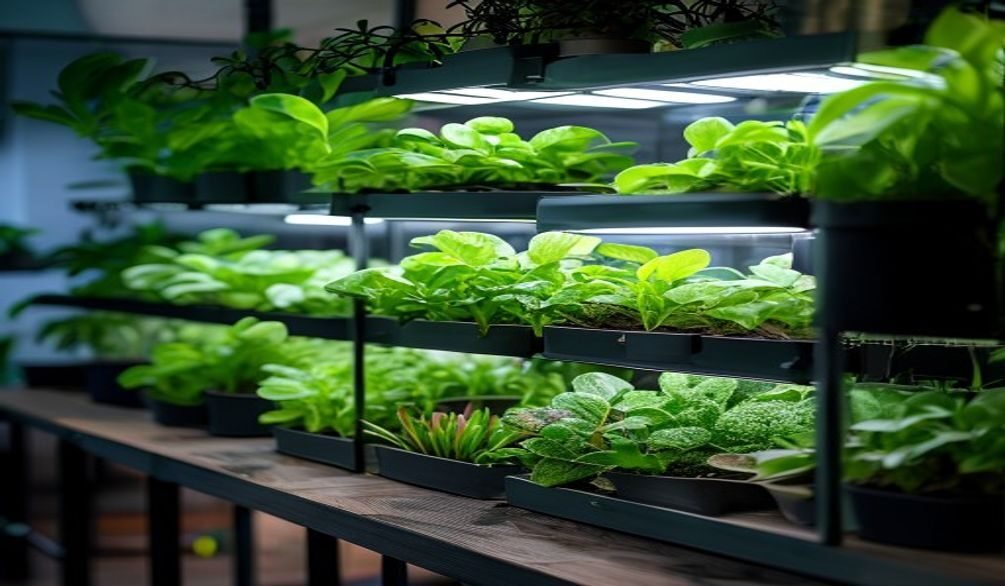
For `indoor herb garden mistakes`, inadequate light is a prime suspect. Position indoor herbs in your brightest south-facing window, or supplement with grow lights. Even a simple LED grow light can make a huge difference in preventing spindly growth and promoting bushier, healthier plants. For those with limited sun, exploring Growing Herbs in Shade: Best Varieties & Tips for Low Light can offer solutions.
Pruning, Harvesting, and Preventing Bolting in Herbs
Proper pruning and timely harvesting are essential for maintaining healthy, productive herb plants. Neglecting these practices can lead to weak growth and prematurely end your herb’s lifespan, especially when `preventing herb bolting` is key.
Mastering Pruning for Bushier Growth
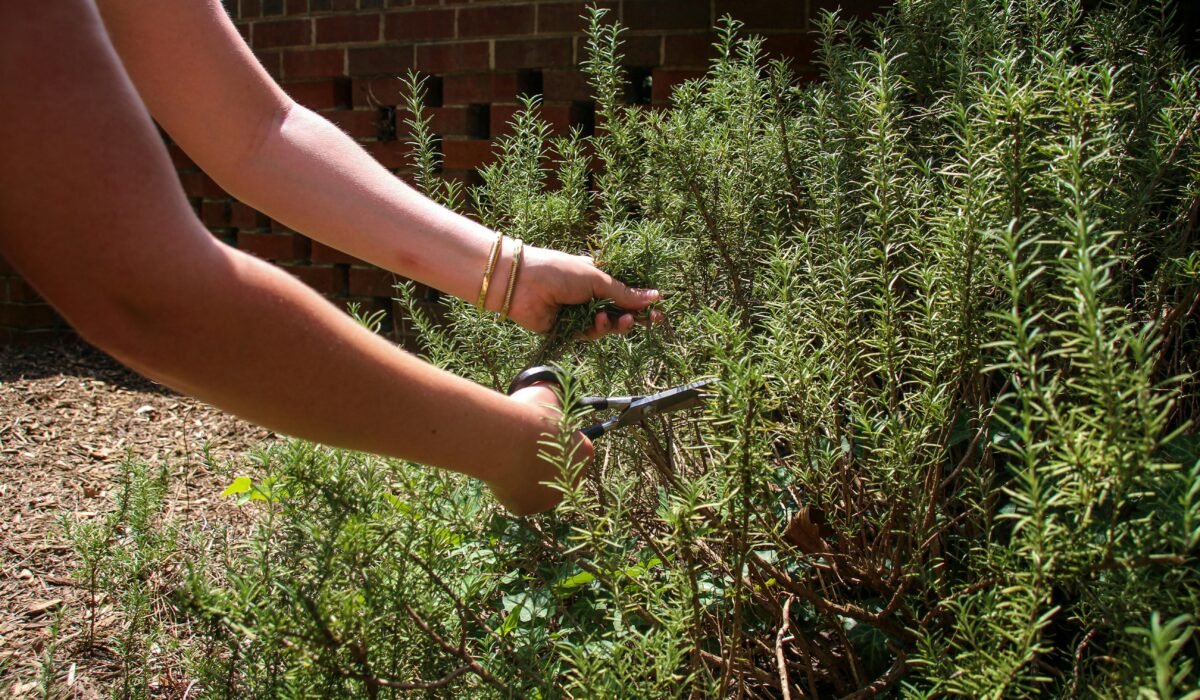
Many gardeners hesitate to prune, but it’s crucial for encouraging robust, compact plants. Regular **pruning herbs for bushier growth** redirects the plant’s energy from producing tall, leggy stems to developing more side shoots and leaves. For most herbs, pinch or snip off the top few inches of growth just above a leaf node or pair of leaves.
This simple act stimulates new growth from dormant buds, resulting in a denser, more productive plant. Basil, for example, responds incredibly well to consistent pruning, yielding a continuous supply of tender leaves.
Harvesting Techniques for Longevity
Harvesting is essentially a form of pruning, and doing it correctly ensures the plant continues to produce. Always harvest no more than one-third of the plant at a time to avoid stressing it. For leafy herbs, pick individual leaves or snip entire stems, again, just above a node.
Regular harvesting encourages the plant to produce more foliage, delaying its natural inclination to flower and set seed.
Preventing Bolting and Bitterness
Bolting occurs when an herb plant, usually an annual like basil or cilantro, shifts its energy from leaf production to flower and seed production. This is often triggered by heat stress or maturity. Once an herb bolts, its leaves often become bitter, and growth slows dramatically.
To prevent bolting, **regularly pinch off any flower buds** as soon as they appear. This signals to the plant to continue focusing on leafy growth. For annuals, successive planting every few weeks can ensure a continuous harvest of fresh, flavorful leaves throughout the season.
Tackling Pests & Diseases in Your Herb Garden Organically
Even the most meticulously cared-for herb gardens can fall victim to unwanted visitors or ailments. Learning how to manage `herb garden pest identification and control` organically is vital for maintaining healthy, chemical-free culinary herbs.
Common Herb Pests and Organic Solutions
Pests like aphids, spider mites, and whiteflies are common `herb garden problems`. The key to successful `organic pest control herbs` is early detection and consistent action. Here are some effective strategies:
- Manual Removal: For small infestations, simply pick off larger pests or blast soft-bodied insects like aphids off with a strong stream of water.
- Insecticidal Soaps: These target soft-bodied insects by disrupting their cell membranes. Apply thoroughly, ensuring good coverage on both sides of leaves.
- Neem Oil: A natural insecticide and fungicide, Neem oil disrupts pest feeding and reproduction cycles. It’s effective against aphids, spider mites, and whiteflies. Always apply in the evening to avoid burning leaves in direct sunlight.
- Diatomaceous Earth (DE): This finely ground fossilized algae works by dehydrating crawling insects. Sprinkle it around the base of plants, ensuring it’s food-grade.
- Companion Planting: Strategically planting certain herbs and flowers can naturally deter pests. For instance, chives repel deer and aphids, while oregano wards off mosquitoes and cabbage worms.
Identifying and Managing Common Herb Diseases
While herbs are generally robust, they can suffer from `common diseases in herb gardens` like powdery mildew, rust, or root rot. Most disease issues stem from poor air circulation, high humidity, or incorrect watering.
- Powdery Mildew: Appears as white, powdery spots on leaves. Improve air circulation, reduce overhead watering, and consider applying a homemade baking soda spray (1 teaspoon baking soda per quart of water with a few drops of dish soap).
- Root Rot: Caused by overwatering and poor drainage. Symptoms include wilting, yellowing leaves, and a foul smell from the soil. The best remedy is prevention: ensure good drainage and avoid overwatering. For severe cases, repotting into fresh, well-draining soil may save the plant.
For more comprehensive organic solutions, consider exploring Organic Solutions for Plant Diseases: Natural Guide.
Overcrowding and Aggressive Herbs: What You Need to Know
Overlooking plant spacing and the invasive nature of certain herbs are significant oversights that can quickly turn a thriving patch into a tangled mess. Understanding these dynamics is crucial for long-term success, especially when avoiding `common herb garden mistakes`.
The Dangers of Overcrowding
Planting herbs too close together, particularly in containers, creates intense competition for light, water, and nutrients. This inevitably leads to stunted growth, poor air circulation, and increased susceptibility to pests and diseases. Maria Noel Groves warns that “Plants grown in containers… you need to be sure not to crowd out plants.”
Always refer to seed packets or plant tags for recommended spacing. If your herbs look cramped, it’s time to thin them out or repot them into larger containers. Adequate spacing allows each plant to flourish, receiving the resources it needs.
Managing Aggressive Herb Varieties
Some herbs, while delicious, are notorious for their aggressive growth habits. Mint, oregano, and lemon balm are prime examples that can quickly take over an entire garden bed if left unchecked. Kate Turner’s warning, “The biggest mistake is planting mint in the ground because you’ll never get rid of it,” is a sentiment shared by many experienced gardeners.
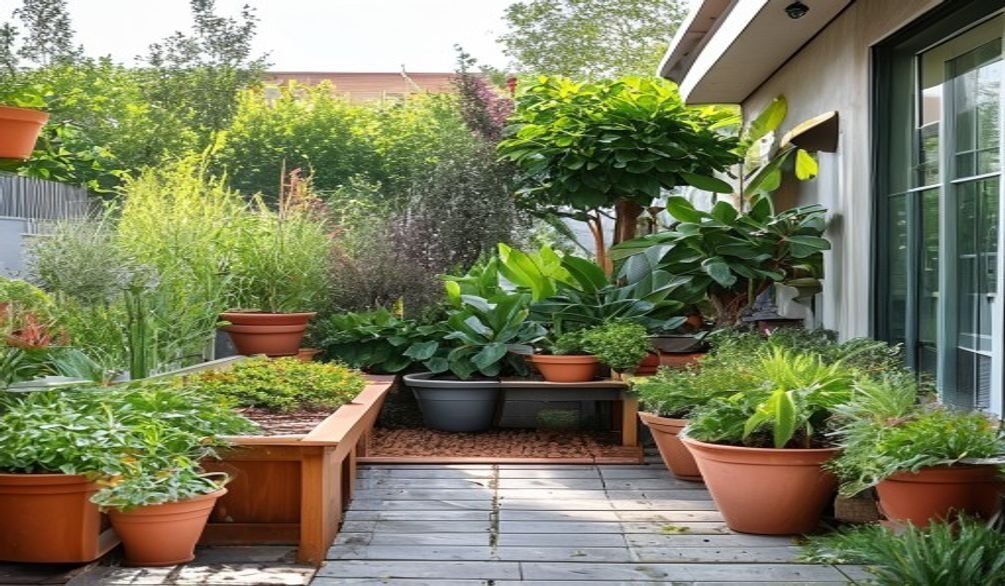
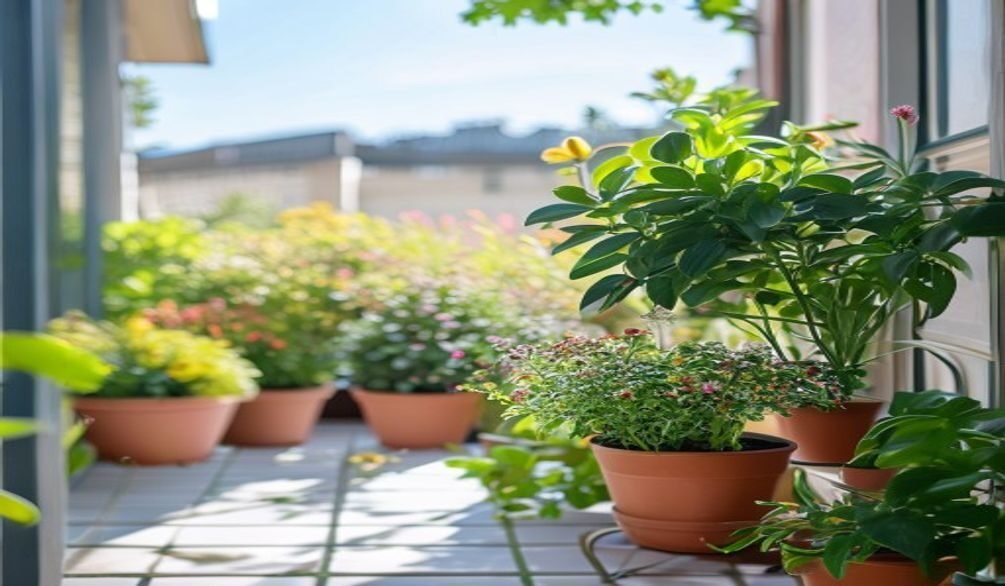
The solution for these vigorous growers is simple: plant them in containers. This confines their root systems, preventing them from spreading uncontrollably. You can even sink a potted aggressive herb into the ground to give it the appearance of being in the garden bed without the risk of invasion. Consider our guide on Best Containers for Beginner Gardeners for suitable options.
Tailored Care: Indoor, Outdoor, and Seasonal Herb Garden Tips
Herbs are adaptable, but their needs shift dramatically depending on their environment and the time of year. Providing tailored care for `indoor herb garden mistakes`, outdoor plants, and seasonal changes is key to their longevity and productivity.
Indoor Herb Garden Specifics
Growing herbs indoors presents unique challenges. Beyond light, consider humidity and air circulation. Indoor air can be dry, especially in winter, which can stress herbs and make them more vulnerable to pests like spider mites. Misting plants or placing them on a pebble tray with water can increase humidity. Proper airflow also helps prevent fungal issues.
For `hydroponic grow space optimization`, remember that nutrient solution imbalances are a common mistake. Regularly check pH and nutrient levels to ensure your herbs are getting what they need. According to the University of Minnesota Extension, understanding these factors is crucial for successful indoor cultivation.
Outdoor and Seasonal Considerations
Outdoor herbs benefit from natural light and air circulation but face weather extremes. In hot climates, some herbs may need afternoon shade or more frequent watering. For cooler regions, **overwintering strategies for perennials** like rosemary or thyme might involve bringing them indoors or providing protective mulch.
Protecting herbs from frost is essential; a sudden cold snap can wipe out sensitive varieties like basil. Covering them with a frost cloth or bringing potted plants inside on cold nights can prevent damage. Conversely, in extreme heat, some herbs might benefit from a temporary shade cloth to prevent scorching.
Gertrude Jekyll, a renowned British Horticulturist, famously stated, “A garden is a grand teacher. It teaches patience and careful watchfulness.” This timeless wisdom reminds us that learning to adapt our care to the seasons is part of the gardening journey.
Frequently Asked Questions
Why are my herbs dying?
Your herbs might be dying due to improper watering (either too much or too little), insufficient light, poor soil drainage, or nutrient deficiencies. Pests and diseases can also play a role, but often environmental factors are the primary cause. Addressing these core issues is the first step in how to save dying herb plants.
What are the most common mistakes when growing herbs?
The most common mistakes include overwatering, not providing enough sunlight, using poor-quality or poorly draining soil, neglecting regular pruning, allowing plants to bolt, and overcrowding. Failing to understand the specific needs of different herb varieties is also a frequent pitfall.
How often should I water my herb garden?
There’s no one-size-fits-all answer, as watering frequency depends on the herb type, pot size, soil, and climate. A good general rule is to check the soil moisture by sticking your finger an inch or two deep; water thoroughly when the soil feels dry to the touch, ensuring proper drainage.
Should I let my herbs flower?
For most culinary herbs grown for their leaves (like basil, mint, or cilantro), you should pinch off flower buds as they appear. Allowing herbs to flower often signals the plant to shift energy from leaf production to seed production, which can make the leaves bitter and reduce overall yield.
Mastering herb gardening is a journey of observation and adjustment, not a destination. By understanding and proactively avoiding these **common herb garden mistakes**, you’re not just preventing problems; you’re fostering a healthier, more resilient garden. Remember, nearly 74.1% of gardeners felt successful in their 2024 efforts, and with these tips, you can join their ranks. Take these insights and apply them to your green space, and watch your herbs flourish with vitality and flavor. Ready to elevate your herb game? Start by assessing your current practices and making one small change today!