
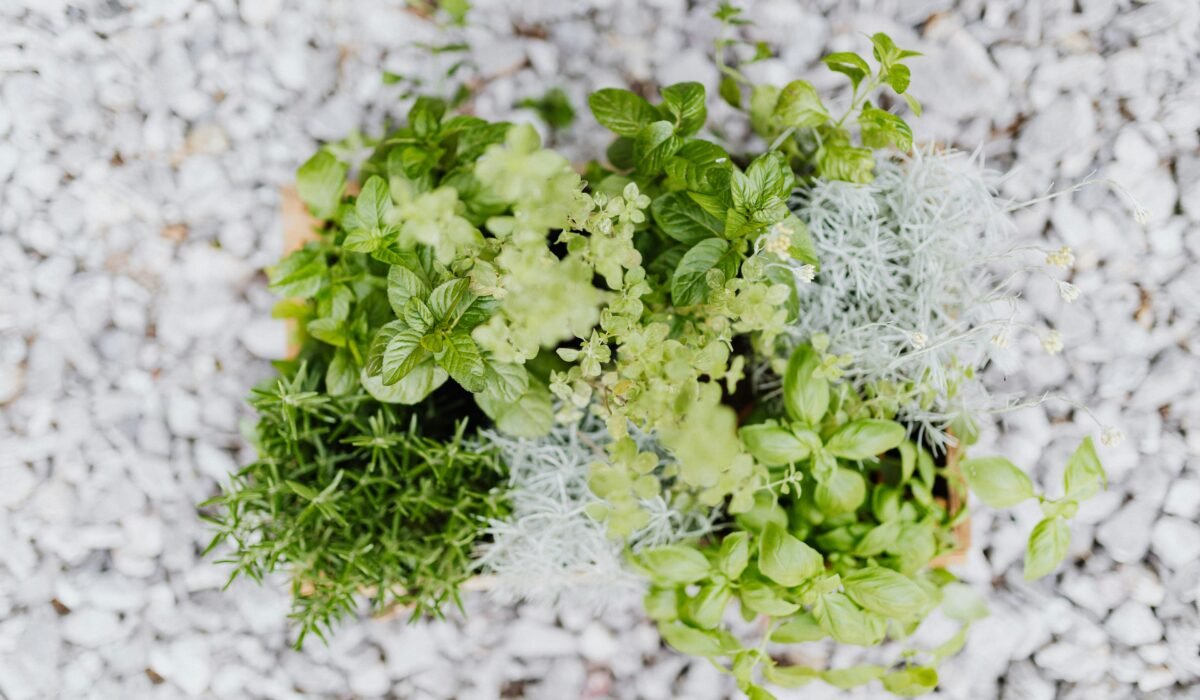
Are you dreaming of fresh basil for your pasta, fragrant mint for your tea, or spicy cilantro for your tacos, but feel limited by a tiny balcony or no yard at all? A vertical herb garden is your ultimate solution, transforming small spaces into bountiful culinary havens. This innovative approach to gardening not only maximizes your growing potential but also adds a beautiful, living element to your home.
Top Herbs for Vertical Gardens: Sun-Lovers & Shade-Tolerant
Choosing the right vertical herb garden plants is the first step toward a thriving harvest. The beauty of a vertical setup is that you can often create microclimates within it, placing sun-loving herbs at the top and more shade-tolerant varieties lower down. This thoughtful placement ensures each plant gets exactly what it needs.
For those sunny spots, where your garden receives at least 6-8 hours of direct light, these herbs will flourish:
- Basil: A warm-weather favorite, basil thrives in full sun and consistently moist soil. Varieties like Genovese or Purple Basil are excellent choices. I find the aroma of fresh basil truly invigorating!
- Rosemary: This hardy, fragrant perennial loves full sun and well-drained soil. It’s quite drought-tolerant once established, making it a low-maintenance option for your vertical garden.
- Thyme: Another sun-worshipper, thyme is robust and drought-tolerant. Its small leaves pack a big flavor punch, and it looks beautiful trailing from a vertical planter.
- Oregano: Similar to thyme, oregano is a robust herb that loves full sun and can handle drier conditions. It’s incredibly versatile in the kitchen.
- Lavender: While not typically a culinary herb for everyday cooking, its fragrant flowers and leaves are wonderful for teas and sachets. Lavender needs full sun and excellent drainage.
These sun-loving vertical herb garden plants are perfect for the top tiers or sunniest side of your system.
Now, let’s consider the spots that receive partial shade or moderate sun (3-6 hours daily), which are ideal for these adaptable herbs:
- Mint: This vigorous herb prefers partial shade and consistently moist soil. Be warned: mint can be quite invasive, so it’s often best to grow it in its own separate container or a dedicated pocket within your vertical system to prevent it from taking over.
- Parsley: Both curly and flat-leaf parsley grow well with moderate sun or partial shade. They appreciate consistent moisture and rich soil.
- Cilantro/Coriander: This herb does best in cooler, shadier spots, as it tends to bolt (go to seed) quickly in hot, direct sun. Planting it lower down in your vertical garden can extend its harvest.
- Chives: Easy to grow and with an upright habit, chives are fantastic vertical garden plants. They tolerate a range of light conditions, from full sun to partial shade, and are very forgiving.
- Sorrel: With its distinct lemony flavor, sorrel is a wonderful addition. It can handle sun or part shade and provides a unique culinary twist.
By understanding these preferences, you can create a diverse and productive space-saving herb garden tailored to your specific light conditions.
Essential Light Requirements for Thriving Vertical Herbs
Light is arguably the most critical factor for the success of your vertical herb garden plants. Without enough light, your herbs will become leggy, pale, and less flavorful. Understanding how much light your plants need and how to provide it is key.
For outdoor vertical gardens, most herbs thrive with at least 6-8 hours of direct sunlight daily. Position your vertical system where it can capture the most sun, ideally facing south in the Northern Hemisphere. Remember that the sun’s path changes with the seasons, so you might need to adjust your system’s placement or plant rotation throughout the year.
If you’re cultivating an indoor vertical herb garden, natural light alone is often insufficient, even near a bright window. This is where artificial grow lights become indispensable. Full-spectrum LED grow lights are the gold standard for indoor vertical farming. They provide the specific wavelengths of light that plants need for photosynthesis, encouraging robust growth and strong flavors.
Typically, indoor herbs need 12-16 hours of light per day, followed by 8-10 hours of darkness for proper plant health. This mimics natural day-night cycles, which are crucial for plant development. Investing in a good quality LED system and a timer will make this process effortless. For more detailed guidance, check out our guide on Hydroponic Grow Lights: Choose the Best for Your System.
Mastering Watering Systems & Techniques for Vertical Herbs
Watering is where many vertical garden enthusiasts face a unique challenge. Vertical systems, especially those with individual pockets or tiers, can dry out faster than traditional garden beds, but they are also susceptible to overwatering if not managed carefully. The goal is consistently moist, but never soggy, soil.
The “finger test” is your best friend: stick your finger about an inch deep into the soil. If it feels dry, it’s time to water. If it’s still moist, wait a bit longer. Overwatering is a common cause of root rot, which can quickly kill your herbs.
Many modern vertical garden systems, like the GreenStalk Vertical Planter or Watex Urban Farming kits, come with integrated watering solutions. These often feature internal reservoirs or pre-installed drip irrigation lines that distribute water evenly to all tiers or pockets. These systems are fantastic for saving time and ensuring consistent moisture. For those interested in a DIY approach, setting up a DIY drip irrigation system can be incredibly efficient for your vertical garden watering system.
For hydroponic herb garden setups, watering is automated, as plants sit directly in nutrient-rich water. Systems like Gardyn use AI to monitor and automate watering, taking the guesswork out of it. What surprised me when I first started was how much less water these systems use – up to 90-97% less than traditional gardening, according to some reports from industry leaders like AgriFutures Australia.
Choosing the Best Vertical Garden System for Your Space
The market offers a fantastic array of vertical garden systems, each with its own advantages. Your choice will largely depend on your available space, budget, and gardening style. Whether you’re growing herbs for small spaces on a tiny balcony or building a larger installation, there’s a system for you.
Here are some popular types of vertical garden systems:
- Tiered Planters: These stackable containers, like the GreenStalk, are excellent for balconies and patios. They allow you to grow many plants in a small footprint, often just 3-4 square feet, and typically feature an internal watering system.
- Wall-Mounted Pockets or Panels: Ideal for transforming a blank wall into a living display. These can be made from felt, plastic, or metal and are perfect for growing herbs vertically. Systems like Watex Urban Farming kits offer modular panels that are highly customizable.
- Hydroponic/Aeroponic Towers: For the tech-savvy gardener, systems like the Tower Garden or Gardyn use soilless methods. Hydroponics involves growing plants in nutrient-enriched water, while aeroponics mists the roots with nutrient solution. These systems offer faster growth, require less water, and are perfect for an indoor vertical herb garden.
- Pallet Gardens or DIY Structures: If you’re handy, repurposing wooden pallets or building your own tiered shelves can be a cost-effective way to create a vertical garden. Check out our guide on DIY Vertical Garden Systems: Build Space-Saving Planters for inspiration.
Consider the weight of your chosen system, especially if it’s wall-mounted. Filled with soil and plants, these can become quite heavy. Also, think about accessibility for harvesting and maintenance. My personal experience is that systems with easily removable pockets make harvesting much simpler.
Optimal Soil & Nutrient Management for Vertical Herbs
Just like with any container gardening, the soil you choose for your vertical herb garden plants is incredibly important. Forget about using regular garden soil – it’s typically too heavy, compacts easily, and can harbor pests or diseases. For vertical gardens, a high-quality, lightweight potting mix is essential.
Your ideal vertical garden soil mix should offer:
- Excellent Drainage: Prevents waterlogging and root rot. Look for mixes containing perlite or vermiculite.
- Good Aeration: Allows air to reach the roots, which is vital for healthy growth.
- Nutrient Retention: While lightweight, it still needs to hold onto nutrients for your herbs.
- Lightweight Composition: Crucial for wall-mounted systems where weight is a concern.
Many commercial potting mixes are specifically formulated for containers and will work perfectly. You can also create your own blend using coco coir, perlite, and a good compost. For those growing in a hydroponic herb garden, soil isn’t used at all. Instead, plants are grown in inert media like rockwool or coco coir, and receive all their nutrients directly from a specially formulated water solution.
Even with a nutrient-rich potting mix, your herbs will eventually deplete the available nutrients, especially in smaller vertical pockets. You’ll need to fertilize regularly, typically every 2-4 weeks during the growing season. Use a balanced liquid fertilizer diluted to half strength, or an organic slow-release granular fertilizer. For hydroponic systems, precise nutrient solutions are critical. You can learn more about this in our Hydroponic Nutrient Solutions: Beginner’s Mixing Guide.
Integrated Pest Management for Vertical Herb Gardens
Even in a controlled vertical environment, pests and diseases can sometimes find their way in. Integrated Pest Management (IPM) is a holistic approach that focuses on prevention and eco-friendly solutions to keep your vertical herb garden plants healthy. This is especially important for indoor vertical herb gardens where pests can spread quickly without natural predators.
Here’s how to implement IPM in your vertical garden:
- Inspect Regularly: Make it a habit to check your plants daily for any signs of pests (like tiny bugs, sticky residue, or chewed leaves) or diseases (discoloration, spots). Early detection is key.
- Quarantine New Plants: Before introducing any new herbs to your vertical garden, keep them separate for a week or two to ensure they aren’t bringing in unwanted hitchhikers.
- Good Air Circulation: Ensure good airflow around your plants. This helps prevent fungal diseases, especially in humid indoor environments. Pruning overcrowded herbs can also improve circulation.
- Physical Removal: For small infestations, simply pick off pests by hand or blast them off with a strong stream of water (be gentle with the plants!).
- Natural Predators: Outdoors, beneficial insects like ladybugs can help control aphids. Indoors, you can sometimes introduce predatory mites, but this is usually for more advanced setups.
- Organic Treatments: If an infestation gets out of hand, turn to organic solutions. Neem oil, insecticidal soap, or horticultural oils are effective against common pests like aphids, spider mites, and whiteflies. Always follow product instructions. For more tips, refer to our guide on DIY Organic Pest Control: Natural Solutions for Healthy Gardens.
Remember, a healthy plant is more resistant to pests and diseases. By providing optimal light, water, and nutrients, you’re already doing a lot to protect your vertical herb garden.
Advanced Tips for Maximizing Vertical Herb Yields
Once you’ve mastered the basics, you can explore advanced techniques to get even more from your vertical herb garden plants. Maximizing yields means more fresh herbs for your kitchen and potentially fewer trips to the grocery store.
1. Pruning and Pinching: Regular pruning is crucial for encouraging bushier growth and preventing your herbs from becoming leggy. For many herbs like basil, pinching off the top sets of leaves just above a node will force the plant to branch out, leading to more leaves and a higher yield. Don’t be afraid to harvest frequently; it actually encourages more growth!
2. Succession Planting: For annual herbs like basil, cilantro, and dill, plant new seeds or seedlings every 2-3 weeks. This ensures a continuous supply throughout the growing season, as older plants might bolt or decline.
3. Companion Planting: While challenging in a vertical system due to varied root spaces, thoughtful companion planting can be beneficial. For example, planting marigolds or nasturtiums (if space allows) can deter pests. Consider grouping herbs that have similar needs and don’t compete aggressively.
4. Optimizing Hydroponic Parameters: If you’re running a hydroponic herb garden, closely monitor your pH and Electrical Conductivity (EC) levels. Maintaining the ideal pH (typically 5.5-6.5 for most herbs) ensures nutrient availability, while EC measures nutrient concentration. Automated systems like Gardyn use AI to help with this, but manual checks are also effective.
5. Consider a Rotating System: Some vertical gardens can rotate, ensuring all sides of the plants receive even light exposure, which promotes uniform growth and higher yields. If your system doesn’t rotate automatically, manually turning it periodically can achieve a similar effect.
By implementing these advanced strategies, you’ll be well on your way to a remarkably productive and rewarding vertical herb garden, harvesting fresh flavors all year round.
Frequently Asked Questions
What are the absolute best herbs for a beginner to grow in a vertical garden?
For beginners, I always recommend robust and forgiving herbs like mint (in its own container!), chives, and oregano. These are generally easy to care for, tolerate a range of conditions, and provide a satisfying harvest with minimal fuss. Basil is also great if you can provide ample sun and consistent watering.
How much space do I really need for a vertical herb garden?
That’s the beauty of vertical gardening! You can start with incredibly small spaces. A tiered planter might take up just 3-4 square feet of floor space, while a wall-mounted system can be as narrow as a few inches deep. Even a small balcony or a sunny kitchen corner is enough for a productive vertical herb garden.
Can I use a vertical garden year-round, even if I live in a cold climate?
Absolutely! For outdoor vertical gardens in cold climates, you’ll typically grow annual herbs during the warm season and bring in potted perennials, or simply replant next spring. However, an indoor vertical herb garden with proper grow lights and climate control allows you to grow fresh herbs 365 days a year, regardless of the weather outside.
Are vertical herb gardens truly more water-efficient than traditional gardens?
Yes, significantly! Especially hydroponic and aeroponic vertical systems. These methods recirculate water, reducing consumption by up to 90-97% compared to traditional in-ground gardening. Even soil-based vertical systems, when equipped with drip irrigation or internal watering reservoirs, are generally more efficient than broad-acre gardens.
Embracing a vertical herb garden is more than just a gardening trend; it’s a smart, sustainable way to bring fresh, flavorful herbs into your daily life, no matter how much space you have. From selecting the perfect vertical herb garden plants to mastering watering and pest control, you now have the knowledge to cultivate a thriving, fragrant oasis. So, why wait? Start planning your vertical herb garden today and savor the taste of homegrown goodness!







