Ever wished you could grow your own fresh, organic produce year-round, even if you live in a tiny apartment or have zero garden space? What if I told you that with a little DIY spirit, you absolutely can, thanks to the magic of DIY Hydroponic Systems?
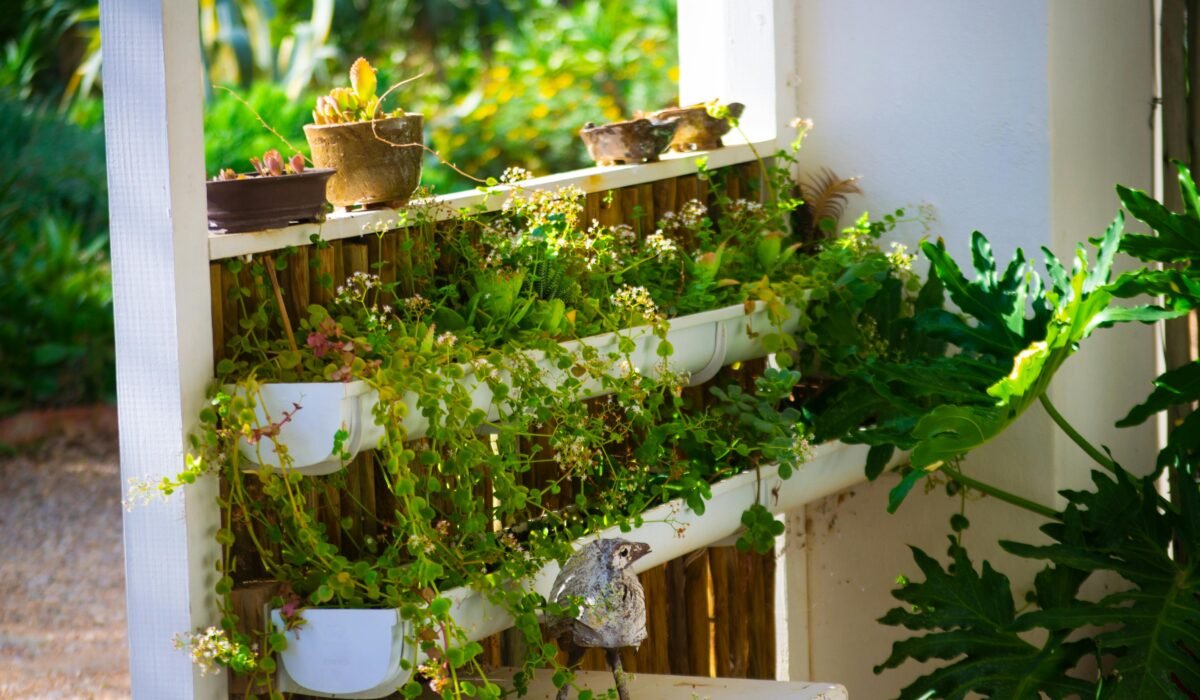
Imagine plucking crisp lettuce, fragrant basil, or juicy strawberries right from your wall, balcony, or even a corner of your kitchen. This isn’t just a dream; it’s the reality of vertical hydroponic gardening, an innovative way to cultivate food without soil, using significantly less water and space. Let’s dive into how you can build your very own!
Getting Started: What is a DIY Vertical Hydroponic System?
At its core, hydroponics is the method of growing plants without soil, using mineral nutrient solutions dissolved in water. A vertical hydroponic system takes this a step further by stacking plants one above the other, maximizing your growing area in a minimal footprint. This approach is fantastic for anyone interested in maximizing small garden yields.
The benefits of setting up `DIY Hydroponic Systems` are truly impressive. They typically use 80% to 95% less water than traditional soil gardening because water is recirculated in a closed-loop system. Plants also tend to grow 25-50% faster, yielding 3 to 10 times more produce in the same space.
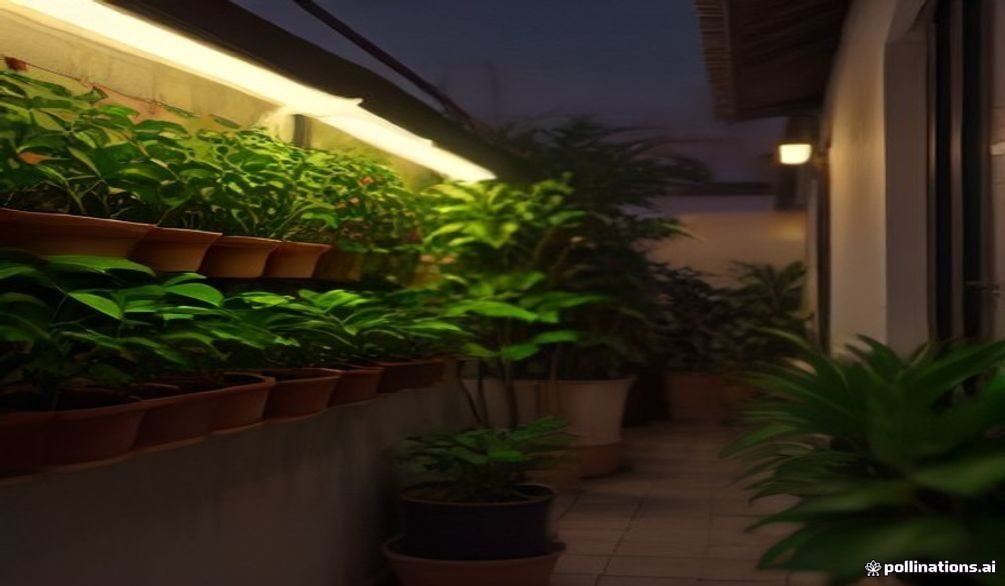
For those in urban areas or with limited backyard access, an `indoor vertical garden` or `hydroponic tower garden` offers a sustainable solution for fresh food. You can grow year-round, free from seasonal constraints and often without the need for chemical pesticides. It’s truly amazing how much you can grow in such a small footprint, making `small space hydroponics` incredibly popular.
Choosing Your DIY System: Kratky, DWC, or PVC Tower?
When you decide to `build hydroponics at home`, you’ll find a few popular `DIY Hydroponic Systems` that are perfect for beginners. Each has its own advantages, depending on your budget, space, and how hands-on you want to be.
Kratky Method: Simple & Passive
The Kratky method is the simplest form of hydroponics and an excellent starting point for beginners. It’s a passive deep water culture (DWC) system, meaning it requires no pumps, electricity, or moving parts. Plants sit in net cups with their roots dangling into a stagnant nutrient solution.
This method is ideal for smaller, fast-growing plants like lettuce and many herbs. You can build a basic Kratky setup using just a large jar or opaque container, a net cup, and your nutrient solution. The cost can be as low as $36 for a container, some pool noodles, and a basic grow light (excluding seeds and nutrients). This is where I often recommend absolute beginners start their `home hydroponics` journey.
Deep Water Culture (DWC): Aerated Roots
Deep Water Culture (DWC) is a step up from Kratky, adding an air pump and air stone to oxygenate the nutrient solution. This aeration encourages faster growth and helps prevent root rot, making it suitable for a wider range of plants, including larger leafy greens and some fruiting plants.
A basic DWC system can be built using buckets, an air pump, air stone, net cups, and growing media like rockwool. You can construct a functional system for around $80-$100, providing better results than Kratky for many crops. For growing culinary herbs, DWC can be a very effective method, offering consistent growth and robust plants. If you’re looking for the best herbs for vertical gardens, many of them thrive in DWC.
PVC Tower Garden: The Vertical Solution
For true `vertical farming DIY`, a PVC tower system is often the go-to choice. These systems use vertical PVC pipes with holes drilled for net pots, allowing nutrient water to be pumped from a reservoir at the base to the top, then trickling down over the plant roots. This design maximizes space efficiency, perfect for an `indoor vertical garden`.
A DIY vertical hydroponic system using PVC towers can hold a significant number of plants in a very small footprint. For instance, a single tower can often house 20-30 plants, ideal for crops like lettuce, spinach, kale, and strawberries. The sheer number of plants you can fit in a tiny area with a `hydroponic tower garden` is really impressive, making it an excellent option for building space-saving planters.
Step-by-Step: Building Your First Vertical Hydroponic Garden
Ready to get your hands dirty (or rather, wet)? Let’s outline the steps to `build hydroponics at home`, focusing on a simple PVC tower garden as a great example of `vertical farming DIY`.
Gather Your Materials
Before you start, make sure you have everything you need. Quality components will make your `DIY Hydroponic Systems` more reliable and successful.
- PVC Pipes: Schedule 40 PVC (4-6 inches in diameter) for the main tower, and smaller PVC (1/2 to 1 inch) for the internal water delivery.
- Reservoir: An opaque container (10-20 gallons) to hold your nutrient solution.
- Submersible Water Pump: Sized appropriately for your tower’s height.
- Net Pots: 2-3 inch net pots to hold your plants.
- Growing Media: Rockwool, coco coir, or hydroton clay pebbles.
- Hydroponic Nutrient Solution: A two-part liquid formula designed for hydroponics. While you can explore `homemade hydroponic nutrients`, commercial solutions are best for beginners.
- pH Testing Kit & Adjusters: Essential for maintaining optimal water conditions.
- LED Grow Lights: Full-spectrum LEDs are energy-efficient and provide the necessary light for indoor growing. Don’t skimp on quality for your pump or lights; they’re the heart of your system. You can learn more about choosing hydroponic grow lights here.
- Tools: Drill, hole saw (matching net pot size), PVC primer and cement, measuring tape.
Assembly Instructions
Here’s a simplified guide to constructing your `hydroponic tower garden`:
- Prepare the PVC Tower: Cut your main PVC pipe to your desired height (e.g., 5-6 feet). Using a hole saw, drill holes for your net pots, spacing them out in a staggered pattern around the pipe. Make sure the holes are slightly smaller than the net pot’s rim so the pot sits securely.
- Create the Water Delivery System: Take a smaller PVC pipe and seal one end. Drill small holes along its length. This pipe will go inside the main tower, connected to the pump at the bottom, to deliver water to the top.
- Set Up the Reservoir: Place your reservoir at the base of your tower. Cut a hole in the lid of the reservoir to securely fit the bottom of your main PVC tower.
- Install Pump and Plumbing: Place the submersible pump inside the reservoir. Connect the pump to the smaller water delivery pipe, which runs up the center of your main tower. Ensure all connections are secure and watertight using PVC cement.
- Add Growing Media and Seedlings: Place your chosen growing media (like rockwool cubes with sprouted seedlings) into the net pots. Insert the net pots into the drilled holes in your PVC tower.
- Fill with Nutrient Solution: Fill your reservoir with water and add your hydroponic nutrient solution according to the manufacturer’s instructions. Check and adjust the pH to the optimal range (typically 5.5-6.5).
- Install Lights: Position your LED grow lights to provide adequate lighting for all levels of your vertical garden.
Setting Up Your Environment
Once built, choose a stable location for your `DIY Hydroponic Systems`. Ensure it has access to power for your pump and lights. Maintain consistent room temperature, ideally between 65-75°F (18-24°C), and aim for 14-16 hours of light per day for most leafy greens and herbs. You’re well on your way to enjoying fresh produce!
Essential Plants for Your DIY Hydroponic Setup
One of the most exciting parts of `home hydroponics` is choosing what to grow. For your `DIY Hydroponic Systems`, especially a vertical garden, some plants perform exceptionally well. Starting with these will give you the best chance of success.
- Leafy Greens: Lettuce (butterhead, romaine, loose-leaf), spinach, kale, Swiss chard. These are fast-growing, have shallow roots, and thrive in vertical setups.
- Herbs: Basil, mint, cilantro, parsley, chives, oregano. Herbs are incredibly rewarding to grow hydroponically, offering continuous harvests. I’ve had incredible success with basil and lettuce; they just seem to explode in these systems!
- Strawberries: Many varieties are well-suited for vertical systems, producing sweet fruit.
- Small Fruiting Plants: Cherry tomatoes and small peppers can also do well, though they might require more light and careful pruning to manage their size.
When selecting plants, consider their growth habits. Bushy plants or those that grow very tall might not be ideal for every vertical design, but with careful pruning and management, many can be adapted.
Common Challenges & Troubleshooting for DIY Growers
Even the most experienced gardeners face challenges, and `DIY Hydroponic Systems` are no exception. Don’t worry, most common issues have straightforward solutions. Trust me, every DIY grower faces a hiccup or two; it’s all part of the learning process.
Nutrient Imbalances & pH Fluctuations
This is the most common issue in hydroponics. Plants absorb nutrients best within a specific pH range (usually 5.5-6.5). If the pH is too high or too low, nutrients become unavailable, leading to deficiencies.
Solution: Regularly test your nutrient solution’s pH with a reliable kit (daily or every few days). Use “pH Up” or “pH Down” solutions to adjust it slowly. Maintaining the correct pH is crucial for optimal plant health and nutrient uptake. For more in-depth information, you can refer to guides like this hydroponics pH explanation.
Algae Growth
Green algae thrive in light and nutrient-rich water. While generally harmless to plants, algae compete for nutrients, can clog pumps, and indicate light is reaching your reservoir or pipes.
Solution: Ensure your reservoir and all water-carrying components are opaque. Cover any openings or light leaks. Regular cleaning and nutrient solution changes also help prevent algae buildup.
Pump & Clogging Issues
In homemade setups, pumps can fail or become clogged by debris or root particles.
Solution: Choose a reliable, appropriately sized submersible pump. Place a small mesh bag or filter around the pump intake to prevent debris. Clean your pump regularly (every 1-2 weeks) during nutrient changes.
Leaks in PVC Systems
DIY PVC towers can sometimes develop leaks if connections aren’t sealed properly or if there’s stress on the joints.
Solution: Use proper PVC primer and cement for all connections during assembly. Allow adequate drying time. Periodically inspect your system for drips and use silicone sealant or PVC repair kits for minor leaks. Double-check all threaded connections.
Beyond Basics: Smart Tech & Automation for Your Home System
The world of `DIY Hydroponic Systems` is constantly evolving, with smart technology making it easier than ever to optimize your home garden. Even for hobbyists, integrating affordable tech can transform your `indoor vertical garden` from a manual chore to a highly efficient, automated system.
Modern `build hydroponics at home` setups are increasingly incorporating IoT (Internet of Things) devices. This means you can add affordable sensors for pH, EC (electrical conductivity, which measures nutrient strength), water level, and temperature. These sensors can be managed by microcontrollers like a Raspberry Pi 5 or Arduino/ESP32, allowing for automated monitoring and adjustments.
Imagine receiving alerts on your phone if your pH is off, or having your nutrient pump automatically dose solution when levels are low. Energy-efficient LED grow lights can also be put on smart timers, mimicking natural sunlight cycles with precision. These advancements can reduce electricity costs by 40-60% while providing optimal light spectrums for plant growth. It’s exciting to see how accessible smart `DIY Hydroponic Systems` are becoming for hobbyists, making `vertical farming DIY` even more appealing.
Maintaining Your Vertical Hydroponic Garden: Long-Term Success
Building your `DIY Hydroponic Systems` is just the first step; consistent maintenance is crucial for a thriving `indoor vertical garden`. Think of it as caring for any pet or plant – regular attention ensures long-term success. Consistency is key here; a little effort each week goes a long way.
Regular Water & Nutrient Checks
Daily visual checks are a good habit. Look at your plants for any signs of stress, discoloration, or pests. More importantly, regularly check your nutrient solution. This means:
- pH Testing: At least every 2-3 days, adjust as needed.
- EC/TDS Testing: Weekly, to ensure nutrient concentration is optimal for your plants’ growth stage.
- Water Level: Top off your reservoir with fresh, pH-balanced water regularly, as plants drink it up.
Reservoir Cleaning & Nutrient Changes
Over time, nutrient solutions can become unbalanced, or algae and pathogens can build up. A full nutrient change is vital.
Frequency: Plan to completely drain, clean, and refill your reservoir with fresh nutrient solution every 1-2 weeks. This prevents nutrient lockout and keeps your system healthy. Use a mild bleach solution (then rinse thoroughly) or hydrogen peroxide for cleaning to sterilize the reservoir and pipes.
Pruning & Plant Care
Just like soil gardening, hydroponic plants benefit from proper care.
- Pruning: Remove any yellowing or dead leaves. For bushy plants, prune to encourage air circulation and new growth.
- Pest Management: While less common indoors, keep an eye out for pests like aphids or spider mites. Use organic pest control methods if necessary, such as neem oil or insecticidal soap, to protect your `DIY Hydroponic Systems`. You can find tips for DIY organic pest control here.
- Harvesting: Harvest leafy greens and herbs regularly to encourage continuous production.
Frequently Asked Questions
How much does it cost to build a DIY vertical hydroponic system?
The cost for `DIY Hydroponic Systems` can vary greatly. A very basic Kratky setup might cost less than $50 for containers, media, and nutrients. For a more complete beginner setup, like a simple DWC or small PVC tower with a pump and basic LED grow light, you can expect to spend under $150. This is significantly more affordable than commercial systems, which can often start at $500 or more.
Is DIY hydroponics complicated for beginners, or do I need to be an expert?
Not at all! While the idea of growing without soil might sound technical, simple `DIY Hydroponic Systems` like the Kratky method or basic DWC are incredibly easy to start. They require minimal technical skills. As you gain confidence, you can gradually explore more complex systems or integrate smart tech. The learning curve is gentle, and there are tons of resources available to guide you.
What types of plants are best suited for a DIY vertical hydroponic garden?
Leafy greens like lettuce, spinach, and kale are excellent choices due to their fast growth and compact root systems. Most culinary herbs (basil, mint, cilantro) also thrive. Small fruiting plants such as strawberries, cherry tomatoes, and peppers can also be very successful in a `hydroponic tower garden`, especially with adequate light and support.
Are hydroponically grown vegetables as nutritious and tasty as those grown in soil?
Absolutely! In many cases, hydroponically grown vegetables can be even more nutritious. This is because growers have precise control over the nutrient solution, ensuring plants receive exactly what they need for optimal development. As for taste, since hydroponic produce is often harvested at peak ripeness and consumed shortly after, it tends to be incredibly fresh and flavorful, often surpassing store-bought options that have traveled long distances.
Embarking on your `DIY Hydroponic Systems` journey is a rewarding adventure. You’ll not only enjoy a continuous supply of fresh, healthy produce but also gain a deeper understanding of plant science and sustainable gardening. Whether you’re aiming for a small herb garden or a full-fledged `vertical farming DIY` setup, the accessibility and benefits of `home hydroponics` are undeniable.
So, what are you waiting for? Grab some supplies, pick your favorite plants, and start building your own vertical garden today. Your taste buds and your wallet will thank you!