Are you tired of battling garden pests with endless sprays and chemicals? Imagine a thriving garden where nature does the hard work for you. By actively attracting beneficial insects organic garden pest prevention becomes not just possible, but a cornerstone of a truly healthy ecosystem, and this guide will show you exactly how to cultivate your own unseen army.
What Are Beneficial Insects & Why Your Garden Needs Them?
Beneficial insects are the unsung heroes of any thriving garden, performing vital roles that contribute to overall garden ecosystem health. These tiny allies fall into several categories: predators, parasitoids, and pollinators.
Predators actively hunt and consume pest insects, while parasitoids lay their eggs inside or on pests, with their larvae eventually killing the host. Pollinators, of course, help your plants reproduce. You might be surprised to learn that only about 10% of insect species are destructive to gardens; the vast majority are either beneficial or harmless, as noted by numerous entomological studies.
The Power of Natural Pest Control
Relying on beneficial insects is a cornerstone of effective natural pest control. Instead of reaching for chemical sprays that harm the environment and can reduce yields, you can empower nature’s own defense system.
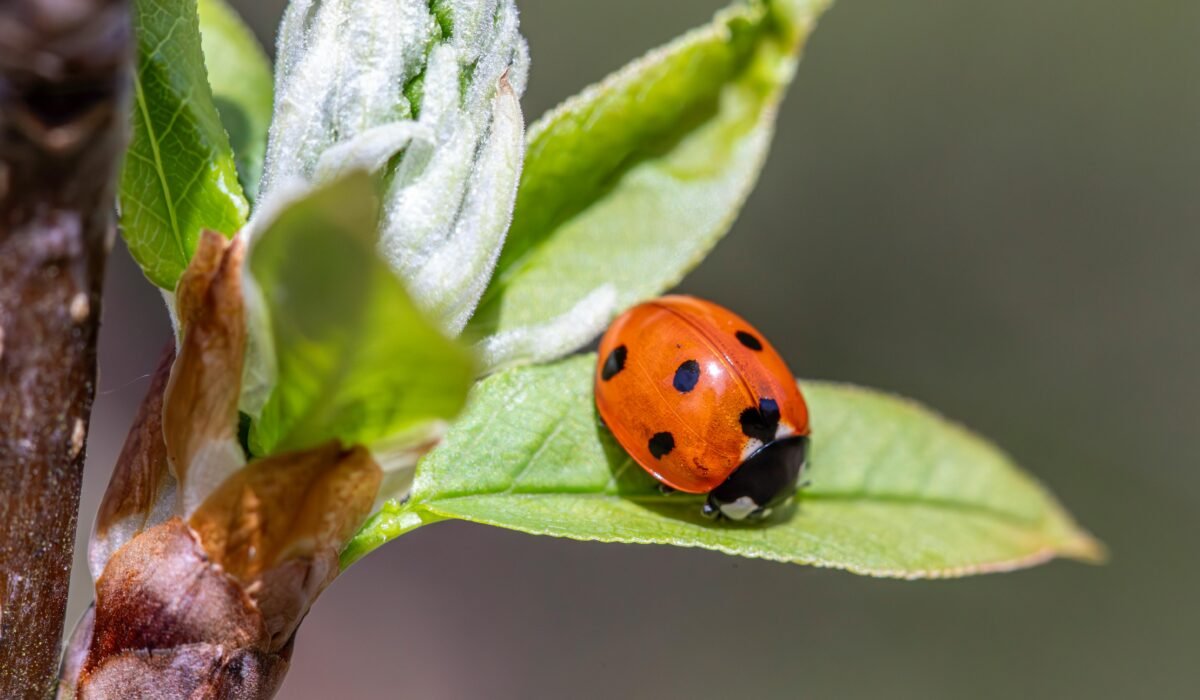
For instance, a single ladybug larva can devour up to 40 aphids in an hour, while a green lacewing larva can consume hundreds of aphids in a week. As Dr. Geoff Zehnder, Professor of Entomology at Clemson University, advises, “If you are going to farm or garden organically, you need to build in attractants for beneficials.” This commitment to biodiversity creates a resilient, self-regulating garden.
What Attracts Beneficial Insects to Your Organic Garden?
Successfully attracting beneficial insects to your organic garden boils down to providing three essential elements: food, water, and shelter. These elements support their entire life cycle, from egg to adult, ensuring a continuous population of pest-fighting allies.
What most people miss is that adult beneficials often feed on nectar and pollen, while their larvae are the primary predators. Therefore, a diverse array of flowering plants is crucial to keep both adult and juvenile stages well-fed and active.
Key Elements for Encouraging Predatory Insects
- Diverse Food Sources: Offer a continuous bloom of flowers with accessible nectar and pollen throughout the growing season. Small, open flowers are particularly good.
- Consistent Water Supply: A shallow dish with pebbles or a bird bath provides a safe drinking spot for many insects without the risk of drowning.
- Protective Shelter: Provide places for insects to hide from predators, overwinter, and lay eggs. This includes dense foliage, groundcovers, brush piles, and even insect hotels.
- Eliminate Pesticides: This is non-negotiable for organic pest management. Even “organic” pesticides can harm beneficial populations, disrupting your natural pest control efforts. The National Pesticide Information Center (NPIC) emphasizes that “With any ecosystem, diversity is key” and chemical use undermines this diversity.
Best Plants to Attract Beneficial Insects (Flowers, Herbs & More)
The right plant choices are paramount for attracting beneficial insects organic garden systems rely on. By selecting a variety of pollinator garden plants that offer different flower shapes and bloom times, you create a buffet that caters to a wide range of beneficial species.
Here’s the thing: many beneficial insects, especially adults, need tiny flowers with easily accessible nectar and pollen. Think of flat-topped clusters or single, open blossoms.
Top Plant Families for Beneficials
- Carrot Family (Apiaceae): Plants like dill, fennel, cilantro, parsley, and Queen Anne’s Lace are magnets for parasitic wasps and hoverflies. These plants have umbel-shaped flowers that are perfect landing pads.
- Aster Family (Asteraceae): Yarrow, aster, black-eyed Susan, coneflower, cosmos, and marigolds are excellent for attracting lady beetles, soldier beetles, hoverflies, and lacewings. They offer a diverse range of pollen and nectar.
- Legumes (Fabaceae): Clover and alfalfa, often used as cover crops, provide forage for many beneficials and improve soil health.
- Mustard Family (Brassicaceae): Allowing broccoli, cabbage, or mustard greens to flower will attract a surprising number of beneficial insects.
Specific Plants That Attract Ladybugs & Other Key Predators
If you’re wondering about plants that attract ladybugs and other specific predators, consider these:
- Ladybugs for pest control: Dill, fennel, cilantro, yarrow, cosmos, marigolds.
- Green lacewings: Angelica, coriander, dill, cosmos, sweet alyssum.
- Parasitic wasps: Dill, parsley, cilantro, Queen Anne’s Lace, sweet alyssum.
- Syrphid Flies (Hoverflies): Coreopsis, sweet alyssum, dill, parsley.
In practice, integrating these plants through companion planting can maximize their effectiveness, creating a synergistic effect where plants support each other and beneficial insects thrive.
Creating Habitats for Beneficial Insects: Beyond Just Plants
While flowering plants provide essential food, a truly successful organic garden pest prevention strategy involves creating diverse habitats for beneficial insects that support their entire life cycle. This means thinking beyond just what they eat and considering where they live, breed, and overwinter.
One genuine insight here is that many beneficials, like ground beetles or parasitic wasps, spend significant parts of their lives *not* on your prize tomatoes, but in undisturbed areas nearby. Providing these spaces is just as critical as planting flowers.
Designing a Welcoming Garden Ecosystem
To encourage these vital insects, consider incorporating the following elements into your garden design:
- Brush Piles and Log Piles: These provide shelter for ground beetles, spiders, and even small vertebrates that prey on pests. Leave some natural debris in an out-of-the-way corner.
- Undisturbed Areas: Allow small sections of your garden to grow wild with native grasses and wildflowers. These areas offer crucial overwintering sites and nesting spots. Julie Peterson, Associate Professor at the University of Nebraska–Lincoln, emphasizes that “Having perennial grasses, like wildflowers and other diversity of mixed plants, can help support the beneficial insects.”
- Insect Hotels: Commercially available or DIY insect hotels (bundles of hollow stems, drilled wood blocks) offer nesting sites for solitary bees and some parasitic wasps.
- Groundcovers and Mulch: A layer of organic mulch or dense groundcover provides cool, moist conditions and hiding places for ground-dwelling beneficials like ground beetles.
- Water Features: As mentioned, a shallow water source with landing spots is vital. Even a small saucer with stones can make a difference.
Remember, the goal is to create a complex ecosystem where beneficial insects feel safe, have access to all their needs, and can reproduce effectively. This comprehensive approach builds a robust habitat for beneficial insects.
Attracting Beneficial Insects for Every Garden Size
No matter the scale of your green space, the principles of attracting beneficial insects organic garden methods can be applied. From a bustling balcony to a sprawling backyard, tailoring your approach ensures success.
What most people miss is that even small spaces can be incredibly effective bio-havens if designed thoughtfully. It’s about density and diversity, not just sheer acreage.
Small Space & Balcony Gardens
For compact gardens, container planting is your best friend. Focus on high-impact, multi-functional plants.
- Container Clusters: Group pots of dill, cilantro, sweet alyssum, and marigolds. These provide continuous blooms and varied nectar sources.
- Vertical Gardening: Use vertical planters for herbs and small flowers, maximizing your limited footprint.
- Miniature Habitats: A small dish of water with pebbles and a tucked-away terracotta pot filled with straw can offer shelter.
Suburban Backyard Gardens
With more space, you can integrate larger beneficial insect zones.
- Dedicated Pollinator Borders: Plant strips of yarrow, coneflower, cosmos, and lavender along garden edges or fences.
- Herb Patches: Let some herbs, like parsley and dill, go to flower to provide late-season food.
- Hedgerows: Consider planting native shrubs and perennial grasses along property lines to create permanent habitat for beneficial insects. The Xerces Society advocates for planting flowering native plants and using several different families of plants to create diverse ecosystems.
Large Homesteads & Community Gardens
These larger spaces allow for extensive beneficial insect integration.
- Cover Cropping: Utilize “Good Bug Blend Cover Crop” mixes (like clover and alfalfa) in fallow beds or between rows to attract beneficials and improve soil.
- Native Plantings: Establish larger areas of native wildflowers and grasses, which are perfectly adapted to support local insect populations. Case studies like the hedgerows planted in California’s Sacramento Valley demonstrate the success of such initiatives.
- Undisturbed Zones: Designate specific areas as “wild zones” where natural debris can accumulate, providing crucial overwintering sites.
Troubleshooting & Advanced Organic Pest Prevention Strategies
Even with a robust population of beneficial insects, sometimes pest pressure can overwhelm your natural defenses. This doesn’t mean your efforts are failing; it simply calls for an integrated pest management (IPM) approach, which combines multiple strategies for organic pest management.
The short answer is: don’t give up! Your beneficial insect army is a powerful first line of defense, but occasionally, you might need to step in with targeted, complementary natural pest prevention tips.
When Beneficials Aren’t Enough
If you’re still seeing significant pest damage, consider these advanced strategies:
- Hand-Picking: For larger pests like tomato hornworms or slugs, manual removal is highly effective. Check plants regularly, especially undersides of leaves. You can learn more about specific pest damage in our guide on how to identify & treat garden slug damage.
- Trap Cropping: Plant a “sacrificial” crop that pests prefer more than your main crops. Nasturtiums, for example, can lure aphids away from vegetables.
- Horticultural Oils & Insecticidal Soaps: As a last resort, use these organic sprays sparingly and target specific infestations. Apply them in the evening to minimize harm to beneficial insects, which are often less active then. Always follow label directions precisely.
- Row Covers: Physically block pests from reaching vulnerable crops during critical periods, especially when plants are young. This is a great preventative measure.
- Soil Health: Healthy plants are more resilient to pest attacks. Focus on building rich, living soil with compost and organic matter.
Remember, the goal is to intervene minimally, supporting your garden’s natural balance. These methods complement your efforts in attracting beneficial insects organic garden systems thrive on, rather than replacing them.
The Economic Benefits of Attracting Beneficial Insects
Beyond the satisfaction of a thriving, chemical-free garden, there are tangible financial advantages to attracting beneficial insects. For home gardeners, this translates directly into savings on pesticides and increased yields, making your gardening efforts more cost-effective and rewarding.
What most people miss is that this isn’t just about saving a few dollars on a spray bottle; it’s about investing in a sustainable system that pays dividends year after year.
Saving Money and Boosting Yields
The global beneficial insects market itself is a testament to their value, projected to reach USD 2,745.0 million by 2033, growing at a CAGR of 11.7% due to increasing interest in sustainable agriculture and organic farming practices. This growth reflects a broader recognition of their economic impact.
For individual gardeners, the economic benefits are clear:
- Reduced Pesticide Costs: By letting predators like ladybugs for pest control handle aphids, you eliminate the need to purchase synthetic or even organic pesticides.
- Increased Crop Yields: Julie Peterson notes that beneficial insects “can actually help increase crop yields and reduce the need for pesticides.” Healthier plants free from pest pressure produce more.
- Long-Term Sustainability: Unlike chemical interventions that offer temporary fixes, establishing a beneficial insect population creates a self-sustaining pest control system that improves over time.
Real-World Success Stories
The effectiveness of biological pest control is well-documented in agriculture, with benefits directly applicable to home gardens:
- Filbert Aphid Control (Oregon): OSU researchers saved approximately $400,000 a year in chemical spray costs by introducing a parasite that effectively controlled the filbert aphid. M.T. AliNiazee, OSU Professor of Entomology, expressed surprise at “the degree of success of biocontrol, how widespread and quickly it worked, how cost-effective it was.”
- Spider Mite Control (Washington Apple Industry): Biological control and IPM programs nearly saved the Washington apple industry, cutting some chemical sprays by almost 96% and saving close to $3 million annually.
These examples underscore that biological pest control can yield an exceptional return on investment, with benefits increasing in perpetuity. By attracting beneficial insects organic garden practices become not just environmentally sound, but economically savvy.
Frequently Asked Questions
What attracts beneficial insects to a garden?
Beneficial insects are primarily attracted to gardens that provide a continuous supply of food, water, and shelter. This means planting a diverse array of flowering plants with accessible nectar and pollen, ensuring a shallow water source, and creating undisturbed areas or habitats for them to live and reproduce.
What are the best plants to attract beneficial insects?
The best plants for attracting beneficial insects often belong to the Carrot (Apiaceae) and Aster (Asteraceae) families. Examples include dill, fennel, cilantro, parsley, yarrow, coneflower, cosmos, and marigolds, which offer small, open flowers perfect for these tiny allies.
What is the best way to attract beneficial insects?
The best way to attract beneficial insects is by creating a diverse and chemical-free garden ecosystem. Focus on providing a variety of flowering plants that bloom throughout the season, ensuring a consistent water source, offering shelter through mulch or brush piles, and strictly avoiding pesticides that can harm these valuable creatures.
How can I encourage predatory insects in my garden?
To encourage predatory insects, prioritize continuous food sources like diverse flowering plants for adult stages, and provide safe havens for them to lay eggs and for larvae to develop. Avoid disturbing areas with dense foliage or groundcovers, and critically, eliminate all chemical pesticides, as these are indiscriminate killers that deplete predator populations.
Embracing the power of beneficial insects is a transformative step towards truly sustainable and productive gardening. By implementing these strategies for attracting beneficial insects organic garden pest prevention becomes a natural, effortless process, reducing your workload and increasing your yields. Start today by choosing a few key plants and creating a small habitat, and watch your garden ecosystem flourish.