Dreaming of vibrant blooms spilling from your porch or patio, but unsure which plants will truly thrive? Finding the best flowers for pots and planters can transform any space, turning a simple corner into a lush, colorful oasis. This expert guide will equip you with the knowledge to select, design, and care for high-impact container flower arrangements that flourish season after season.
What are the Best Flowers for Pots and Planters?
The quest for the best flowers for pots and planters often begins with understanding their role in a design. Whether you’re a beginner looking for easy container flowers for beginners or an experienced gardener aiming for sophisticated displays, the key is choosing plants that complement each other and their environment.
Container gardening has surged in popularity, with households engaging in it increasing by approximately 200% between 2022 and 2023, reflecting a growing desire for accessible beauty. The short answer to what flowers are best is this: those that fit your light conditions and design vision, often following the classic “thriller, filler, spiller” method. This technique creates a balanced, visually appealing arrangement that signals thoughtful container garden design.
- Annuals for Containers: These plants complete their life cycle in one growing season, offering continuous, vibrant blooms. Popular choices include Petunias (especially spreading varieties like Supertunia and Shock Wave), Marigolds, Impatiens, and Calibrachoa (Superbells).
- Perennials for Pots: While many perennials are typically grown in the ground, dwarf varieties of Hostas, Coneflowers, and Salvia can thrive in containers. They offer the benefit of returning year after year, though they may require overwintering in colder climates.
What most people miss is that successful container gardening tips extend beyond just plant choice; it’s about creating a miniature ecosystem where your selected blooms can truly flourish.
Best Container Flowers for Full Sun, Shade & Part Shade
Matching the right flower to the right light condition is paramount for thriving container gardens. A plant struggling in unsuitable light will never reach its full potential, no matter how much care you provide.
Sun-Loving Container Flowers
For spots basking in six or more hours of direct sunlight, you need resilient, heat-tolerant beauties. These plants are often the backbone of bright, bold container garden ideas for small spaces.
- Petunias (e.g., Supertunia, Wave Petunias): These prolific bloomers offer continuous color and excellent trailing habits.
- Zinnias: Known for their vibrant, long-lasting flowers, they come in various sizes suitable for containers.
- Marigolds: Cheerful and robust, marigolds are excellent fillers that deter some pests.
- Salvia: Many varieties provide spires of blue, purple, or red, attracting pollinators while tolerating heat.
- Calibrachoa (Superbells): Often mistaken for miniature petunias, they offer a cascade of bell-shaped flowers all summer.
In practice, grouping sun-lovers together ensures they all receive the intense light they crave.
Shade-Loving Container Flowers
For areas receiving less than four hours of direct sun, or dappled light throughout the day, shade loving container flowers provide lush foliage and delicate blooms. These plants bring life to dim corners.
- Impatiens: Classic shade annuals, offering a carpet of color in various hues (New Guinea Impatiens are more sun-tolerant).
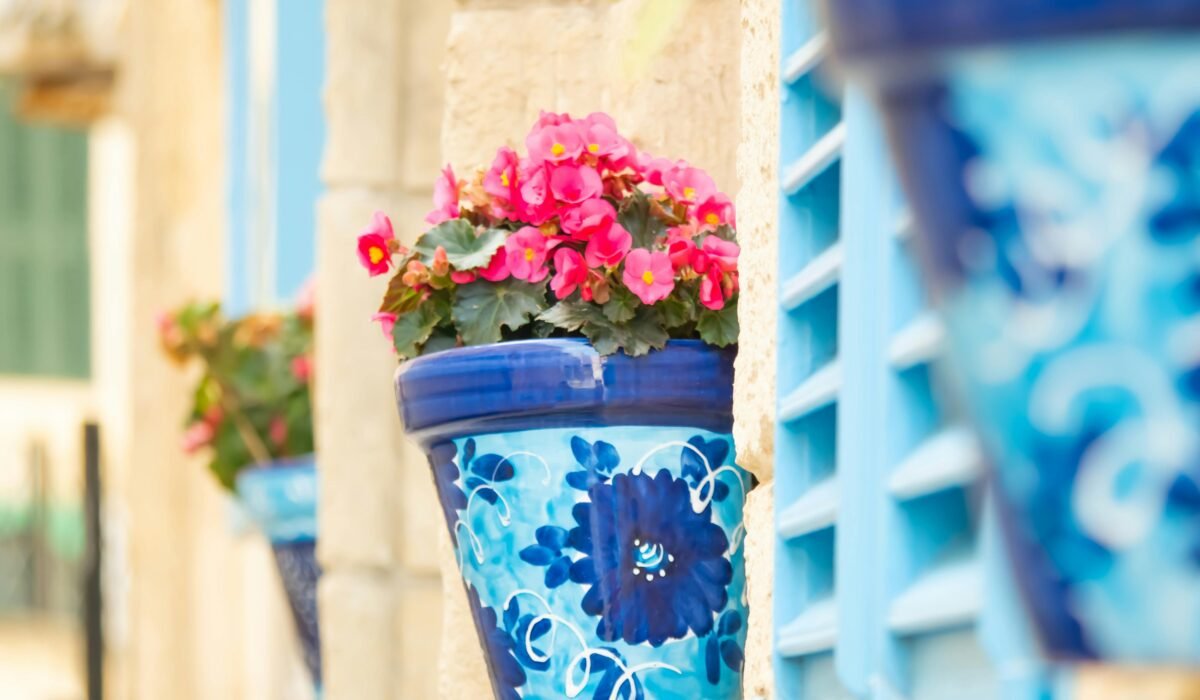
- Begonias (Tuberous Begonia): Known for their dramatic flowers and often interesting foliage, they thrive in indirect light.
- Hostas (Dwarf Varieties): While primarily grown for their striking foliage, dwarf hostas make excellent, low-maintenance container plants for shady spots.
- Fuchsia: Elegant, pendulous flowers make fuchsias a stunning spiller or focal point in hanging baskets and pots.
The secret to success with shade plants is consistent moisture and protection from harsh midday sun, which can scorch their leaves.
Part Shade Performers
Part shade areas, receiving 4-6 hours of sun or dappled light, offer versatility. These plants can handle a mix of conditions, making them flexible for various container garden designs.
- Lobelia: Creates a delicate, airy “spiller” effect with tiny blue, white, or purple flowers.
- Coleus: Valued for its incredible foliage colors and patterns, thriving with some morning sun and afternoon shade.
- Astilbe: Offers feathery plumes of flowers and attractive, fern-like foliage, perfect for adding texture.
- Verbena (Superbena): These spreading plants can tolerate both sun and part shade, blooming profusely.
These adaptable varieties are ideal for transitional spaces or when you’re unsure of the exact light exposure your container will receive throughout the day.
Flowers That Bloom All Summer in Pots
For gardeners seeking continuous color, selecting flowering plants for pots all summer is key. The goal is a display that remains vibrant from spring’s first warmth until the chill of autumn. Many people garden to create a beautiful space, a motivation cited by 55% of people, so consistent blooms are highly valued.
Here’s the thing: plants that bloom all summer in pots often require a little more attention to deadheading and feeding. But the reward is a non-stop show of color.
- Calibrachoa (Superbells): These miniature petunia-like flowers are incredibly prolific and self-cleaning, meaning spent blooms drop off naturally.
- Petunias (especially Wave and Supertunia series): Bred for continuous blooming and heat tolerance, they spill beautifully over container edges.
- Geraniums (Pelargoniums): Classic container plants, many varieties bloom non-stop with vibrant clusters of flowers, though deadheading encourages more blooms.
- Zinnias: Heat-loving and offering a wide range of colors and forms, cutting spent flowers actually prompts more prolific blooming.
- Verbena (Superbena): These spreading plants produce clusters of small flowers continuously and tolerate heat well.
- Lantana: Known for its multi-colored flower clusters and drought tolerance, it thrives in full sun and blooms profusely.
Regular feeding and proper watering container plants are crucial for sustaining these long-blooming beauties, ensuring they have the energy to keep producing flowers.
Designing High-Impact Container Flower Arrangements
Beyond simply choosing the best flowers for pots and planters, creating a truly high-impact display involves thoughtful container garden design. Karen Chapman, a container gardening expert, wisely recommends focusing on interesting foliage first, because “Blooms don’t last forever, and you don’t want to wait to enjoy the container until the blooms come either.” This advice elevates your arrangement, providing structure and interest even when flowers are sparse.
The “thriller, filler, spiller” concept remains a powerful framework, but true artistry comes from how you select and combine specific plants within these roles:
- Thriller: This is your vertical focal point, adding height and drama. Think Canna Lilies, ornamental grasses like Red Fountain Grass, Snapdragons, or tall Salvia. Helen Weis, owner of Unique by Design, emphasizes that the centerpiece plant should be at least as tall as the container itself to maintain proportion.
- Filler: These plants round out the arrangement, providing volume and continuous color around the thriller. Good choices include African Daisies, Million Bells, Zinnias, or Begonias. They create a lush, full appearance.
- Spiller: These plants trail over the edges of the pot, softening the container’s lines and adding a cascade of foliage or flowers. Wave Petunias, Sweet Potato Vine (Ipomoea), Alyssum, or Dichondra ‘Silver Falls’ are excellent options.
Consider color theory for maximum impact. Complementary colors (like purple and yellow) create vibrant contrast, while analogous colors (like shades of blue, purple, and pink) offer a harmonious, soothing effect. Also, pay attention to texture contrast: pair bold, broad leaves with fine, airy foliage or delicate flowers to add visual depth.
Choosing the Right Pot: Materials, Drainage & Size
The container itself is more than just a vessel; it’s a critical component of your container garden’s success and aesthetic. While some articles mention basic pot types, a deeper dive into materials reveals how they impact plant health and watering frequency.
Different container materials offer unique benefits and challenges:
- Terra Cotta: Porous and classic, terra cotta pots allow excellent air circulation but dry out quickly, especially in full sun. This means more frequent watering container plants.
- Plastic: Lightweight, inexpensive, and retains moisture well. Modern plastic pots can mimic the look of more expensive materials. They are a practical choice for large flowering plants for pots that need consistent moisture.
- Fiberglass: Durable, lightweight, and weather-resistant, fiberglass pots offer a sophisticated look without the weight of stone or ceramic. They retain moisture effectively.
- Metal: Can get very hot in direct sun, potentially cooking roots. Best used in cooler climates or with heat-tolerant plants, often requiring extra insulation.
- Wood: Offers a natural aesthetic and good insulation. Be sure to choose rot-resistant wood and consider lining with plastic to prolong its life.
Regardless of material, excellent drainage is non-negotiable. Every pot must have drainage holes to prevent waterlogging and root rot. “Your only limitation is truly your imagination,” says Helen Weis, “If you can grow it in the ground, chances are you can grow it in a pot. It’s all about proportion and size.”
Pot size also matters immensely. Larger pots hold more potting mix for flowers, which means more moisture and nutrients, leading to healthier, more robust plants. A general rule of thumb: choose a pot that is at least 10-12 inches in diameter for a single plant, and larger for combinations. For extended watering solutions, consider self-watering planters like the EarthBox or Keter Urban Bloomer, which feature built-in reservoirs and indicators.
Advanced Care for Thriving Container Flowers: Water, Feed, & Protect
Once you’ve chosen your plants and pots, consistent, informed care is the secret to sustaining high-impact container flower gardens. This goes beyond basic watering to a holistic approach of feeding, monitoring, and protecting your blooms.
Watering Container Plants Effectively
Container plants dry out much faster than garden beds because of their limited soil volume and exposure to air on all sides. This necessitates more frequent watering. The short answer is: check daily, water deeply.
- Finger Test: Stick your finger an inch or two into the soil. If it feels dry, it’s time to water.
- Weight Test: Lift the pot when dry, then again after watering. You’ll learn the difference in weight, indicating moisture levels.
- Moisture Meters: For precision, a moisture meter can tell you exactly when your plants are thirsty.
Water until it drains from the bottom, ensuring the entire root ball is saturated. On hot, windy days, some containers may need watering twice a day.
Nutrient-Rich Potting Mix and Fertilization
Unlike garden soil, potting mix for flowers has a finite supply of nutrients. High-quality, peat-free potting soils are a trend highlighted by Andrew Bunting, PHS Vice President of Horticulture, as an environmental consideration. These provide a good starting point, but regular feeding is essential for continuous bloomers.
- Slow-Release Fertilizers: Incorporate these into the potting mix at planting for a steady supply of nutrients over several months.
- Liquid Fertilizers: For a more controlled approach, apply a balanced liquid fertilizer every 2-4 weeks, especially for heavy feeders like petunias and calibrachoa. For organic options, explore our guide on Organic Fertilizers for Thriving Gardens.
Always follow package directions to avoid over-fertilizing, which can burn roots.
Integrated Pest & Disease Management
Container plants, while sometimes less susceptible to ground-borne issues, can still fall prey to pests and diseases. Vigilance is your best defense.
- Scout Regularly: Inspect your plants daily for signs of common pests like aphids, spider mites, or whiteflies. Catching them early makes management much easier.
- Organic Treatments: For minor infestations, a strong spray of water can dislodge pests. Insecticidal soap or neem oil are effective organic pest control container plants solutions. For more comprehensive strategies, refer to our guide on Organic Pest Control for Terrace Gardens.
- Disease Prevention: Ensure good air circulation, avoid overhead watering (especially in the evening), and promptly remove any diseased foliage. If you suspect root rot, check out our guide to Diagnose & Treat Root Rot.
A healthy plant is more resistant to pests and diseases, so focus on optimal watering and feeding.
Overwintering Perennial Flowers in Pots for Year-Round Beauty
While many container gardeners treat perennials as annuals, discarding them after a single season, you can extend their life and enjoy them year after year with proper overwintering. This strategy is particularly rewarding for special varieties or those that have become sentimental favorites.
The approach to overwintering perennial flowers in pots depends largely on your local hardiness zone and the plant’s specific needs:
- Bring Indoors: For tender perennials (those not hardy in your zone) like many Geraniums, Fuchsias, or tropical Salvias, bringing them indoors is essential. Find a cool, brightly lit spot where they can enter a semi-dormant state. Reduce watering significantly, only providing moisture when the soil is dry to the touch.
- Insulate Pots: For plants hardy to your zone but susceptible to root damage from extreme cold in containers, insulation is key. Group pots together against a warm wall, wrap them in burlap or bubble wrap, or bury the entire pot in the ground or a larger container filled with leaves or mulch. This protects the root ball from freezing and thawing cycles.
- Cold Storage: Some dormant perennials, like Tuberous Begonias or Dahlias, can have their tubers lifted, cleaned, and stored in a cool, dark, dry place (like a basement or garage) in peat moss or sawdust until spring.
- Treat as Annuals: For some perennials, especially those that are inexpensive or difficult to overwinter (e.g., some varieties of Coleus), it’s more practical to simply enjoy them for one season and replace them next spring.
Before overwintering, give your plants a good trim, removing any diseased or leggy growth. This prepares them for dormancy and reduces the risk of pests or diseases taking hold during their indoor stay.
Frequently Asked Questions
What flowers are best for pots?
The best flowers for pots are those that thrive in your specific light conditions and complement your design vision. Popular choices include prolific annuals like Petunias (Supertunia, Wave), Calibrachoa (Superbells), and Geraniums, as well as compact perennials like dwarf Hostas or Salvia. Consider the “thriller, filler, spiller” design method for balanced arrangements.
What flowers bloom all summer in pots?
Many fantastic options provide continuous color throughout the summer in pots, provided they receive adequate sunlight and consistent care. Top choices include Calibrachoa, Verbena, Wave Petunias, Zinnias, and Geraniums, all of which are known for their extended blooming periods and vibrant displays.
What flowers grow well in pots in full sun?
For pots in full sun, select heat-tolerant and drought-resistant varieties that can handle intense light for six or more hours a day. Excellent choices include Supertunia Petunias, Zinnias, Marigolds, Salvia, and Lantana, which all thrive in bright conditions and offer abundant blooms.
What flowers are good for container gardening in shade?
For shady spots that receive less than four hours of direct sun, opt for plants known for their lush foliage and delicate blooms. Impatiens, Begonias, Fuchsia, and dwarf Hostas are all excellent shade-loving container flowers that bring vibrant life and texture to dimmer areas.
Mastering container flower gardening truly allows your imagination to flourish, turning any space into a personal botanical statement. From selecting the perfect bloom to designing sophisticated arrangements and ensuring year-round beauty, your efforts will be rewarded with a continuous spectacle of color and life. Start your high-impact container garden today and watch your vision bloom!