
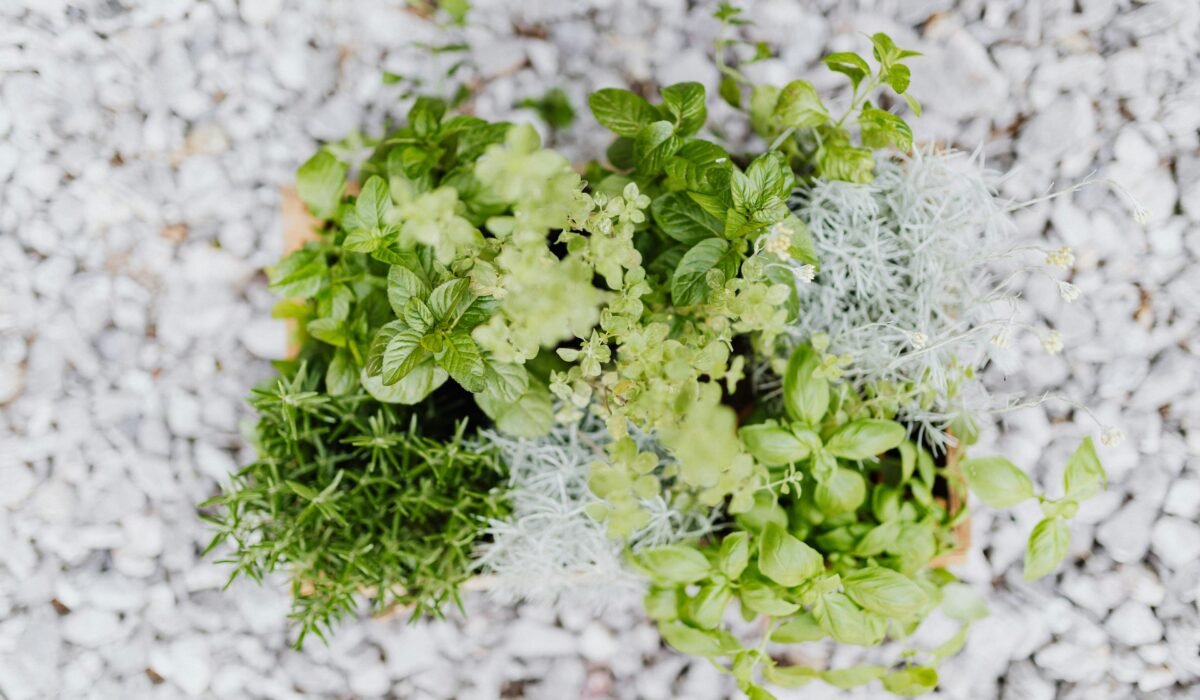
Dreaming of fresh, homegrown herbs but limited by space? A vertical herb garden for small spaces is your ingenious solution, transforming even the tiniest balcony, patio, or kitchen corner into a thriving culinary oasis. This comprehensive guide will walk you through everything you need to know to create a lush, productive vertical herb garden, ensuring you maximize every inch and enjoy a bountiful harvest year-round.
Why Choose a Vertical Herb Garden for Small Spaces?
Embracing a vertical herb garden offers a multitude of benefits, especially when traditional gardening space is a luxury. This approach allows you to cultivate a diverse range of herbs without needing a sprawling backyard, making it an ideal urban gardening solution. The global vertical garden market itself is booming, projected to reach USD 13.2 billion by 2034, underscoring its growing popularity and practical advantages.
One of the most compelling reasons is unparalleled space optimization. Vertical gardens can yield up to 10 times more produce per square foot compared to traditional methods, as highlighted by horticultural expert Cindy Haynes of Iowa State University Extension, who notes it’s “a really efficient use of space.” This means you can transform a tiny footprint into a highly productive area. What most people miss is that this isn’t just about fitting more plants; it’s about making gardening accessible to everyone, everywhere.
Beyond maximizing real estate, vertical herb gardens are also remarkably efficient with resources. They achieve an astounding 98% reduction in water usage compared to traditional farming, with hydroponic systems utilizing up to 90% less water. This makes them a cornerstone of sustainable gardening, contributing to lower utility bills and a smaller environmental footprint. Plus, elevating plants off the ground, as Kansas State University Horticulture Expert Cynthia Domenghini advises, increases airflow, which naturally helps prevent disease.
How to Start Your Vertical Herb Garden: DIY vs. Pre-Made Kits
Starting your vertical herb garden is an exciting journey, and you have two main paths: building a custom DIY setup or investing in a convenient pre-made kit. Both options offer unique advantages, depending on your budget, time, and DIY skills. The key is to choose a system that fits your specific needs and the available space for your vertical hydroponic herb garden or soil-based arrangement.
DIY Vertical Herb Garden Plans: Creative & Cost-Effective
For those who love a project, a DIY vertical herb garden is often more budget-friendly and allows for complete customization. You can repurpose common household items or construct simple structures to create unique container herb garden solutions.
Here are some popular DIY vertical herb garden plans:
- Wooden Pallet Planters: Easily transform old pallets by adding landscaping cloth to hold soil. Lean them against a wall or fence for a rustic, space-saving display.
- PVC Pipe Systems: Use 4-inch or larger PVC pipes, drilled with holes, to create sturdy, cylindrical planters. Keep pipes under 5 feet to simplify watering.
- Hanging Shoe Organizers: A surprisingly effective and inexpensive option for small spaces, simply fill the pockets with soil and hang them on a sunny wall.
- Ladder Herb Gardens: Repurpose an old ladder or build a new one with shelves to create tiers for potted herbs, maximizing vertical sun exposure.
- Gutter Planters: Attach colorful vinyl gutters to a wooden frame or fence. These are excellent for shallow-rooted herbs and can even be designed for self-watering.
The real beauty of DIY is the ability to tailor your setup precisely to your aesthetic and the specific dimensions of your small space herb garden.
Vertical Garden Kits for Herbs: Convenience & Innovation
If you prefer convenience or are looking for advanced features, pre-made vertical garden kits for herbs offer ready-to-use solutions. Many of these incorporate smart technology or efficient designs, perfect for a modern indoor vertical herb garden.
Consider these examples:
- Stackable Planters: Brands like GreenStalk and VIVOSUN offer multi-tiered stackable planters, often 3-7 layers high, designed for healthy root development. They’re great for growing a variety of herbs in a compact footprint and are often praised for durability.
- Wall Garden Systems: These systems feature pockets or modular panels that attach directly to a wall, creating a living green wall. They come in various materials, from felt to rigid plastic.
- Hydroponic & Smart Systems: For a more hands-off approach, consider systems like Rise Gardens or Gardyn Hydroponics Growing System Kit 4.0. These smart indoor vertical gardens often include LED grow lights, automated watering, and app-based plant care instructions, allowing you to grow up to 30 plants in just two square feet. Lettuce Grow’s The Farmstand, made from ocean-bound plastic, is another excellent self-watering and self-fertilizing hydroponic option, using 95% less water than soil-based equivalents.
While the initial investment for pre-made kits might be higher, the ease of setup and often integrated features can provide a significant return on investment through consistent fresh herb availability.
Best Herbs for Vertical Gardens: Selection & Placement
Choosing the right herbs and understanding their optimal placement is crucial for a thriving vertical setup. Not all herbs are created equal when it comes to vertical growing, but many popular varieties flourish in this environment. The goal is to select herbs that complement each other in terms of light, water, and growth habits, creating a harmonious herb garden design.
Top Herbs for Vertical Planters
For your vertical herb garden, focus on varieties that have shallow root systems, compact growth, or a trailing habit. These characteristics make them the best herbs for vertical planters:
- Leafy Greens: Basil, mint, cilantro, parsley, chives, oregano, thyme, and marjoram all thrive. Their frequent harvesting encourages bushier growth, perfect for vertical farming.
- Trailing Herbs: Rosemary (some varieties), thyme, and oregano can cascade beautifully, adding visual interest while making harvesting easy.
- Compact Varieties: Look for “dwarf” or “bush” varieties of herbs like basil or sage if you’re concerned about space.
What most people overlook is the importance of light requirements. Sun-loving herbs like rosemary, thyme, and oregano need at least 6-8 hours of direct sunlight daily, while parsley, mint, and cilantro can tolerate partial shade.
Optimized Placement & Companion Planting
Strategic placement within your vertical structure can significantly impact your herbs’ success. Consider the following:
- Top Tiers: Reserve these for sun-loving herbs that enjoy drier soil, as water will naturally drain downwards. Rosemary, thyme, and sage are excellent choices here.
- Middle Tiers: Most herbs will thrive here, benefiting from consistent moisture and good light. Basil, oregano, and chives are perfect.
- Bottom Tiers: Ideal for herbs that prefer slightly more moisture or tolerate partial shade, such as mint, parsley, or cilantro. Mint, in particular, can be quite vigorous, so placing it lower or in its own container helps manage its spread.
Additionally, consider companion planting benefits. Basil and tomatoes are classic companions (though tomatoes might be too large for most vertical herb gardens), while mint can deter some pests. Understanding these relationships can foster a healthier, more productive vertical garden.
Smart Watering & Irrigation for Vertical Herb Gardens
One of the most common challenges in vertical gardening is maintaining consistent moisture, as gravity tends to pull water down quickly, leaving upper plants drier and lower plants potentially waterlogged. Effective balcony plant drainage solutions are critical. Learning how to water vertical garden herbs efficiently is key to their survival and your enjoyment.
Tailored Watering Strategies
Manual watering can be labor-intensive and prone to inconsistencies. Here’s how to ensure even moisture distribution:
- Top-Down Watering: Always water from the top tier downwards. This allows water to percolate through each level, mimicking natural rainfall and ensuring all plants receive moisture.
- Slow & Steady: Water slowly to allow the soil or growing medium to absorb moisture rather than letting it run straight through.
- Moisture Meters: For precise control, use a simple moisture meter in different tiers to gauge actual soil dampness. This prevents both over and under-watering.
In practice, I’ve found that checking the soil moisture in the middle tier often gives the best indication of overall hydration. If it’s dry there, the top is definitely dry, and the bottom is likely just right or slightly moist.
Innovative Drip Irrigation Systems
For a truly smart and sustainable vertical garden, consider a drip irrigation system. These systems deliver water directly to the plant roots, minimizing waste and ensuring consistent hydration.
- DIY Drip System: You can create a simple drip system using a small pump, tubing, and drip emitters. A reservoir at the top or bottom can collect and recirculate water, especially in hydroponic herbs setups. This is excellent for water conservation.
- Smart Sensor Integration: For advanced users, integrate affordable smart watering tech. Soil moisture sensors connected to a smart timer can automate watering cycles, delivering water only when needed. Some pre-made systems like Gardyn already include AI assistants for personalized care recommendations, taking the guesswork out of watering.
The short answer is, an automated drip system can save you time, conserve water, and lead to healthier, more consistently watered herbs.
Year-Round Success: Indoor Vertical Herb Gardens with Grow Lights
Don’t let colder months or limited natural light stop your fresh herb supply. An indoor vertical herb garden, especially when paired with the right grow lights for herbs, can provide continuous harvests throughout the year. This strategy is vital for urban gardeners seeking consistent access to fresh, homegrown produce.
Selecting Appropriate Grow Lights for Herbs
The right lighting is paramount for indoor plant growth. Herbs typically need full spectrum light to thrive, mimicking natural sunlight.
- LED Grow Lights: These are the most energy-efficient and customizable option. Dr. Ying Zhang, an Assistant Professor at UF’s Department of Agricultural and Biological Engineering, emphasizes that “the beauty of using LED lights is we can customize the light ‘recipe’ or the combination of the light’s color or spectrum to maximize production.” Look for full-spectrum LEDs with a balanced mix of red and blue light.
- Fluorescent Lights (T5 or T8): A more affordable option for smaller setups, though less energy-efficient than LEDs. They provide good general light for herbs.
Position your grow lights 6-12 inches above the tallest plants, adjusting as they grow. Too close can burn leaves, too far and plants will stretch.
Optimizing Light Cycles & Environmental Control
Beyond selecting the right light, how you use it matters. Most herbs require 12-16 hours of light per day, followed by a period of darkness for metabolic processes.
- Timers: Use an automatic timer to ensure consistent light cycles. This prevents you from forgetting and provides stability for your plants.
- Temperature & Humidity: Maintain a consistent room temperature between 65-75°F (18-24°C). While herbs don’t usually require high humidity, good air circulation is crucial to prevent fungal issues. A small fan can help circulate air and strengthen stems.
- Herb Rotation: Periodically rotate your vertical garden or individual plants to ensure even light exposure, especially if using a single light source.
By mastering these elements, you can create a micro-climate where your herbs flourish, regardless of the season outside.
Pest & Disease Management for Vertical Herb Setups
While vertical gardens can offer some natural defenses against pests and diseases due to increased airflow and elevated positions, they are not entirely immune. Concentrated plant density can sometimes make issues spread quickly. Proactive and integrated pest prevention tailored for vertical herb setups is crucial for maintaining healthy plants.
Integrated Pest Prevention for Vertical Herbs
The best defense is a good offense. Implementing these strategies can significantly reduce the likelihood of infestations:
- Regular Inspection: Make it a habit to inspect your herbs daily. Check the undersides of leaves, stems, and soil for any signs of pests (like aphids, spider mites, or whiteflies) or disease (discoloration, spots, wilting). Catching problems early is critical.
- Good Airflow: As Cynthia Domenghini from Kansas State University highlights, elevating plants increases airflow, which helps prevent many fungal diseases like powdery mildew. Ensure plants aren’t too crowded within your vertical system.
- Quarantine New Plants: Always isolate new plants for a week or two before introducing them to your established vertical garden to ensure they aren’t carrying unwanted guests.
- Cleanliness: Keep your vertical system clean. Remove any fallen leaves or debris, which can harbor pests and pathogens. Sterilize tools regularly.
In practice, a clean environment and vigilant observation are your strongest allies.
Organic Pest & Disease Control
If pests or diseases do appear, opt for organic and gentle treatments first to protect your herbs and your health.
- Neem Oil: A natural insecticide and fungicide, neem oil can be diluted and sprayed on affected plants to deter pests and treat some fungal issues.
- Insecticidal Soap: Effective against soft-bodied insects like aphids and spider mites. Ensure complete coverage for best results.
- Manual Removal: For larger pests or small infestations, simply pick them off by hand. A strong spray of water can dislodge aphids.
- Beneficial Insects: For outdoor vertical gardens, consider introducing beneficial insects like ladybugs, which prey on common garden pests.
For hydroponic pest & disease control, ensure your nutrient solution is clean and free of algae, as this can be a breeding ground for problems. Always use filtered water if possible.
Maximizing Your Harvest: Tips for a Thriving Vertical Herb Garden
Once your vertical herb garden is established, the real joy comes from consistently harvesting and enjoying your fresh herbs. Maximizing your harvest isn’t just about growing more; it’s about growing smarter and ensuring the long-term health and productivity of your plants.
Pruning for Productivity
Regular pruning is essential for encouraging bushy growth and preventing your herbs from becoming leggy or going to seed prematurely.
- Pinch Back Regularly: For herbs like basil, mint, and oregano, pinch off the top sets of leaves just above a node (where leaves emerge from the stem). This signals the plant to produce two new stems, leading to a bushier, more productive plant.
- Don’t Be Afraid to Harvest: The more you harvest, the more the plant will produce. For leafy herbs, aim to harvest about 25-30% of the plant at a time.
- Remove Flowers: Unless you’re harvesting seeds, pinch off flower buds as they appear. Flowering signals the plant to focus energy on seed production rather than leaf growth, often making leaves bitter.
This consistent pruning not only gives you more herbs but also strengthens the plant, making it more resilient.
Fertilization & Soil Health
While vertical gardens are space-efficient, the confined nature of their growing medium means nutrients can deplete faster than in traditional garden beds.
- Balanced Fertilization: Use a balanced liquid fertilizer specifically formulated for herbs or edibles. For soil-based systems, apply every 2-4 weeks during the growing season. For hydroponic systems, follow the nutrient solution schedule meticulously.
- Soil Amendments: If using soil, consider refreshing the top layer with compost or a slow-release organic fertilizer annually to replenish nutrients and improve soil structure. This is vital for building healthy soil organically.
- Monitor for Deficiencies: Keep an eye out for signs of nutrient deficiencies, such as yellowing leaves or stunted growth. Addressing these promptly, as detailed in our guide on identifying & fixing plant nutrient deficiencies, will ensure vigorous growth.
Remember, healthy soil or nutrient solutions are the foundation of a thriving vertical herb garden.
Rotation & Replacement
Even with the best care, some herbs are annuals and will complete their life cycle.
- Seasonal Rotation: Plan to replace annual herbs like basil and cilantro every few months, especially if they begin to flower extensively or decline in vigor.
- Perennial Care: Perennial herbs like rosemary, thyme, and oregano can last for years with proper care. Consider repotting them into slightly larger containers within your vertical system if they become root-bound.
By actively managing your vertical herb garden, from smart watering to strategic harvesting, you ensure a continuous supply of fresh, aromatic herbs right at your fingertips.
Frequently Asked Questions
What is the best way to create a vertical garden?
The best way to create a vertical garden depends on your space and budget. For DIY enthusiasts, repurposed pallets or PVC pipes offer cost-effective solutions, while pre-made stackable planters or smart hydroponic systems provide convenience and advanced features. The most effective method involves choosing a system that maximizes light exposure and allows for efficient watering, whether manual or automated.
What herbs grow best in a vertical garden?
Herbs with shallow root systems, compact growth habits, or trailing tendencies thrive in vertical gardens. Excellent choices include basil, mint, cilantro, parsley, chives, oregano, thyme, and marjoram. These varieties adapt well to the limited soil volume and benefit from the increased airflow inherent in vertical setups.
How do you water a vertical herb garden?
Watering a vertical herb garden effectively involves starting from the top tier and allowing water to drain downwards, ensuring all plants receive moisture. For optimal consistency and water conservation, implementing a drip irrigation system is highly recommended. You can also integrate smart moisture sensors to automate watering, delivering water only when your herbs truly need it.
How do you start a vertical herb garden?
To start a vertical herb garden, first choose your system: a DIY structure like a pallet planter or a pre-made kit such as stackable pots or a hydroponic unit. Next, select herbs suitable for vertical growing, considering their light and water needs. Finally, prepare your growing medium, plant your herbs, and establish a consistent watering and light schedule to ensure a successful start.
Creating a vertical herb garden for small spaces is a rewarding endeavor that brings fresh flavors and vibrant greenery into your life, regardless of your property size. By implementing smart design choices, efficient watering, and consistent care, you can enjoy a continuous supply of aromatic herbs year-round. Don’t let limited space deter your gardening dreams; embark on your vertical gardening journey today and transform your small area into a productive, beautiful haven.







